
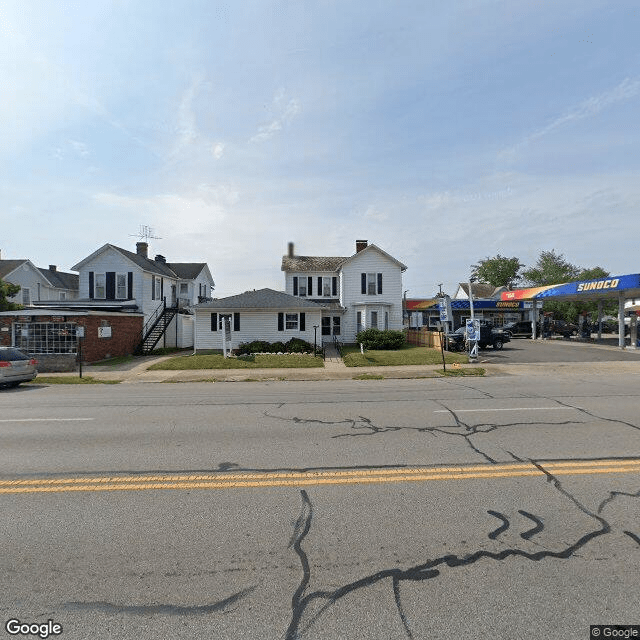
616 E Main Street, Lancaster, OH 43130
To contact a resident: (740) 689-9410
For more information about senior living options: (866) 208-4318
Overall Review of Home Helpers Lancaster, OH
Pros
 Home Helpers are the very best.
- The office crew were great to deal with and answered all questions promptly.
- The caregivers who visited the home ended up like family.
- They cared for loved ones and offered empathetic support through difficult times.
- Caregivers were calm, nurturing, and patient.
- The team began with overnight care and transitioned to 24-hour care as needs grew.
- Jody and Carl are wonderful owners, caring and compassionate professionals.
Cons
 None found in the provided reviews.
Review
Home Helpers Lancaster in Lancaster, OH is best suited for families seeking reliable, at-home caregiving that can scale to 24/7 coverage for seniors who insist on staying in their own homes. The practical pattern in the reviews shows caregivers who feel like family, with an office team that answers questions promptly and coordinates care smoothly through transitions, from post-surgical recovery to dementia care and end-of-life support. This setup works well for households facing medical or functional decline but wanting to preserve familiar surroundings, daily routines, and a sense of independence as much as possible. The combination of hands-on care, emotional warmth, and steady administrative support creates a dependable backbone for in-home care.
For families weighing options, it’s important to consider that this model may not be the best fit for those prioritizing highly structured, facility-based environments with constant nursing oversight or specialized memory-care programming. Alternatives include assisted living communities that include memory-care wings, or hospice-enriched facilities where clinical staffing is centralized and readily accessible. If the goal centers on minimal caregiver turnover and predictable clinical management within a facility, exploring traditional skilled nursing or higher-acuity assisted living options may yield a closer alignment to those needs. In short, the Lancaster operation shines in home-based continuity, not in-patient clinical infrastructure.
The strongest pros revolve around around-the-clock availability when required and an office culture that keeps care cohesive. Families repeatedly note professionalism, empathy, and the ability to adapt to changing needs, including dementia and hospice situations. In-home tasks, laundry, meal preparation, light housekeeping, and basic errands, are regularly covered, lifting a heavy daily load from loved ones. The caregiving teams are described as calm and patient, with caregivers who hold conversations that acknowledge emotional as well as practical needs. This blend of reliable continuity and genuine warmth translates into steadier days for seniors and reduced anxiety for family members navigating complex health events.
Where challenges may arise, they are largely inherent to any home-based care model. The experience depends on the individual caregivers who are assigned and on how consistently coverage can be maintained during staffing gaps or peak times. While the prevailing sentiment is one of dependable, compassionate care, the reality is that daily life at home hinges on the roster of caregivers and the ability to coordinate replacements without disruption. For families requiring constant, round-the-clock clinical supervision or highly specialized medical interventions, the home-care framework can feel insufficient compared to a facility with built-in nursing and memory-care teams.
Even so, the calculus favors the Home Helpers approach for those who value personal attention and long-term caregiver relationships. The leadership and staff are portrayed as cohesive, respectful, and highly capable of navigating transitions, from acute episodes to end-of-life care, with sensitivity. The practical benefits, genuine companionship, reliable scheduling, and targeted help with daily living, yield measurable relief for families juggling medical needs, household duties, and emotional strain. When the goal is to preserve a home environment while accessing robust caregiver support, this model delivers a level of continuity and compassion that is hard to match in a traditional care setting.
Prospective clients should enter with a clear plan and concrete questions. Seek a written care plan that outlines caregiver assignments, backup coverage, and a process for handling holidays or illness. Inquire about coordination with hospice services, define what constitutes excellent care, and request references from families with situations similar to personal circumstances. Additionally, obtain a transparent understanding of the cost structure, any potential increases, and the specifics of transitioning to 24/7 care if the situation escalates. For families prioritizing home-based living with strong caregiver bonds, Home Helpers Lancaster stands out as a credible, deeply compassionate option. If the priority leans toward intensive clinical oversight or a dedicated memory-care environment, it remains essential to compare against traditional senior living and other home-health providers to find the best fit.
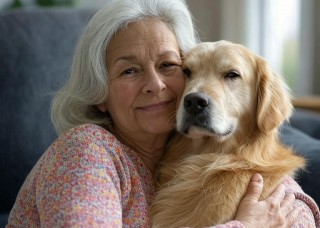 Top Canine Companions for Older Adults
 Comprehensive Guide to Blood Pressure Charts for Older Adults: Understanding Normal and High Readings by Age
 Financing Long-Term Nursing Home Care Through Social Security: A Thorough Exploration