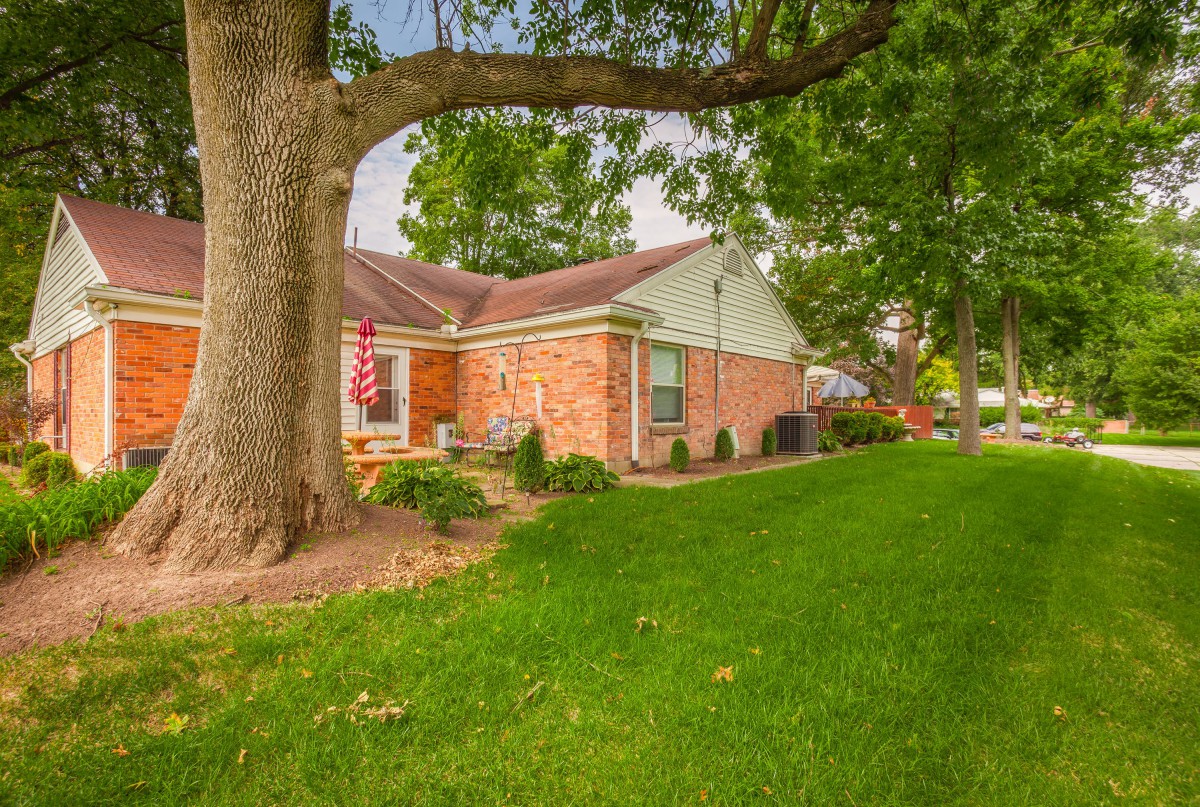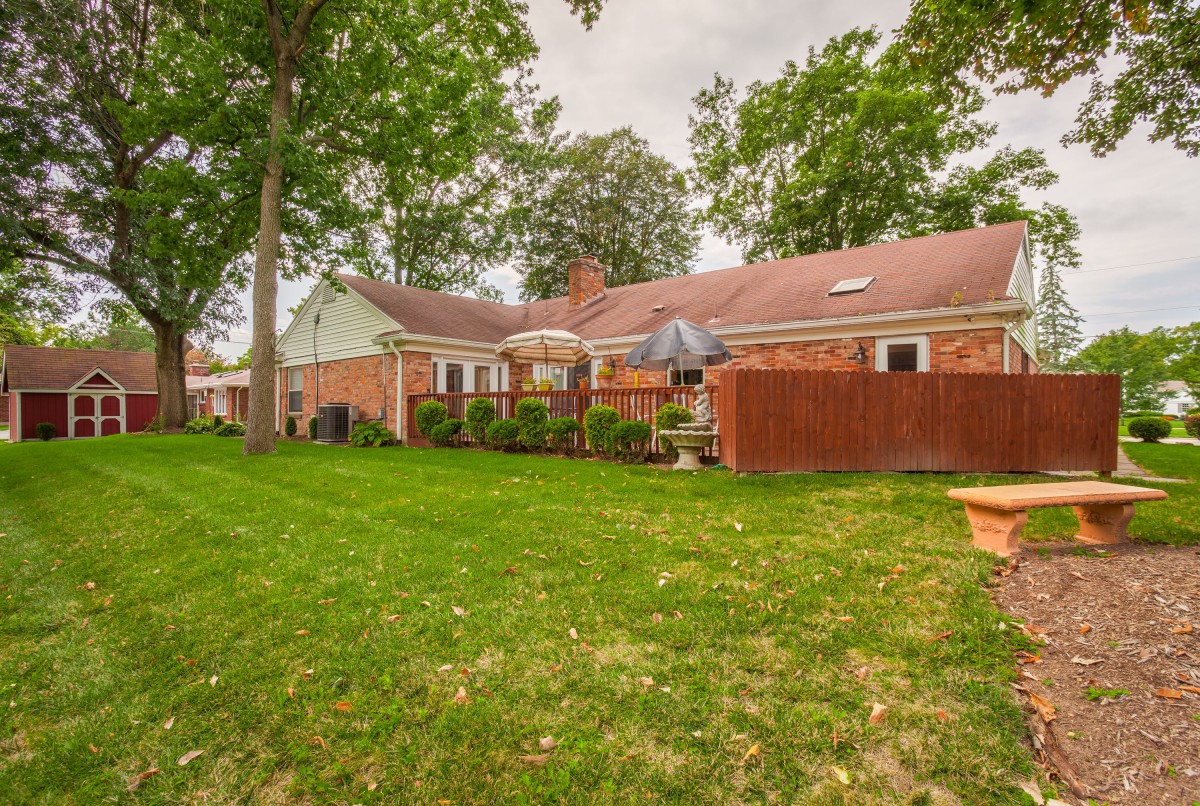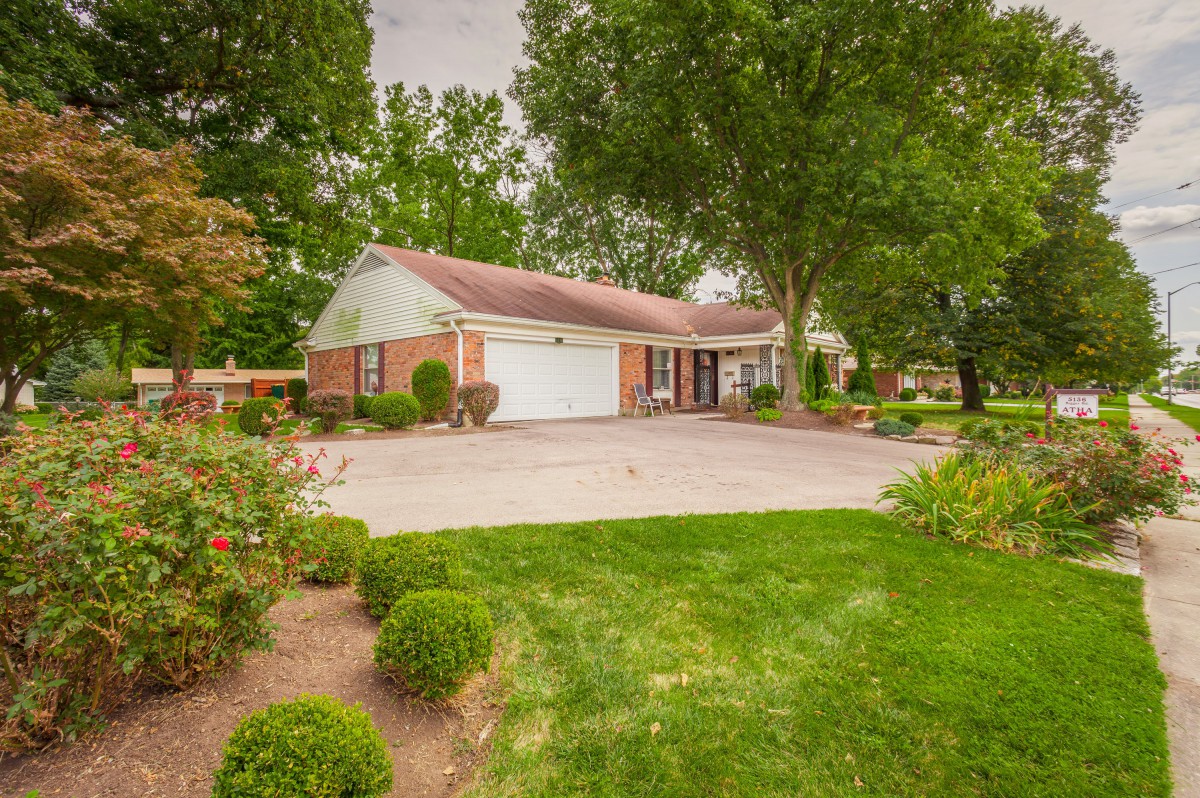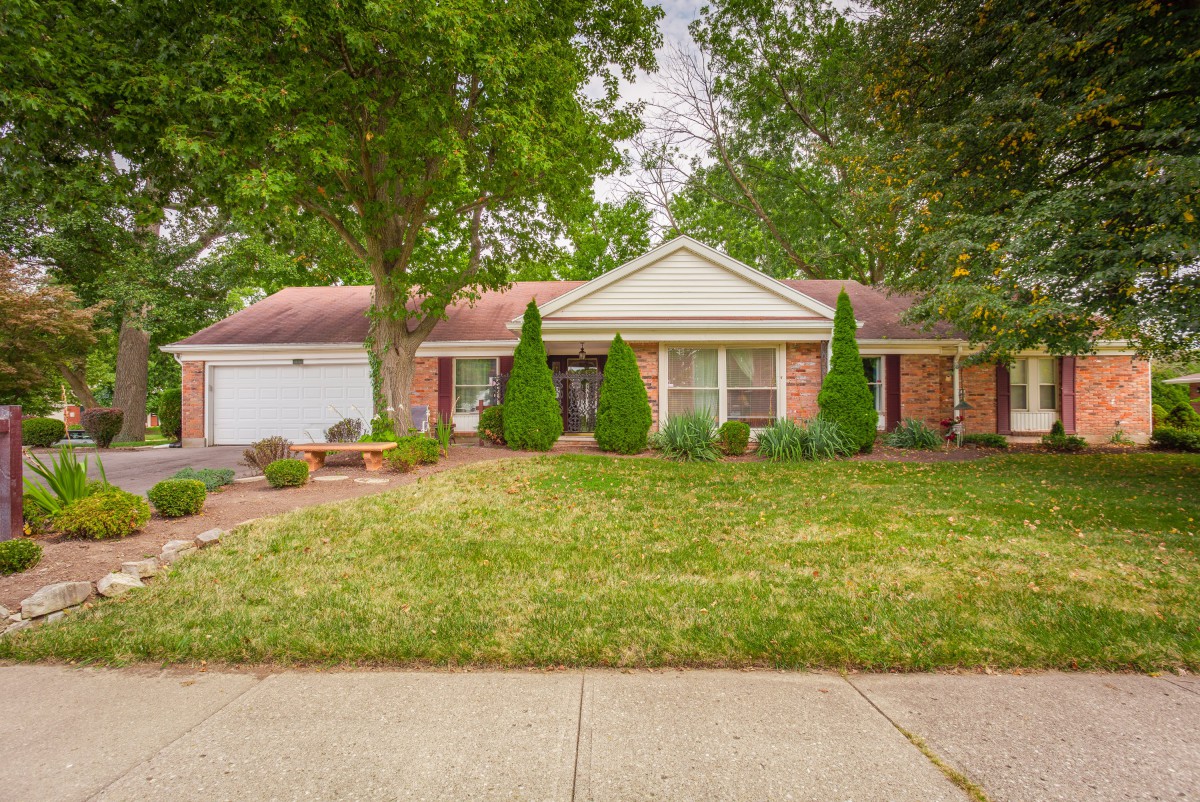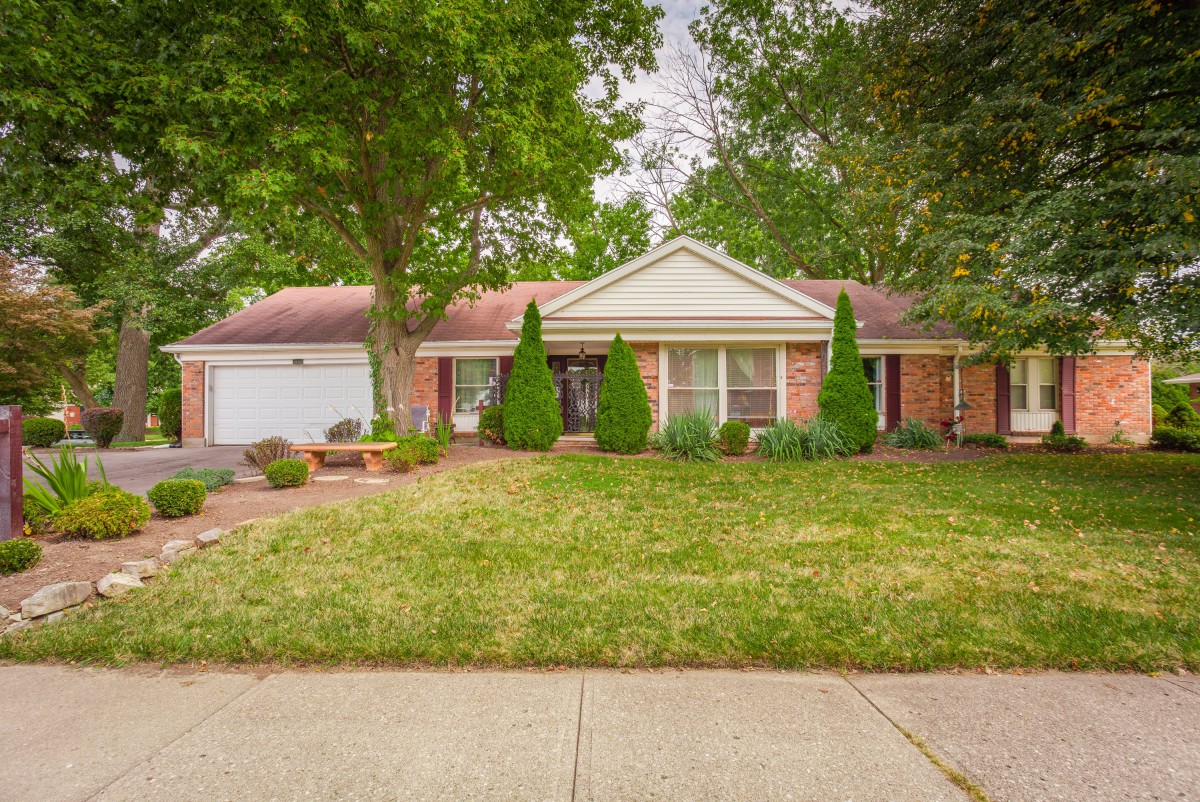
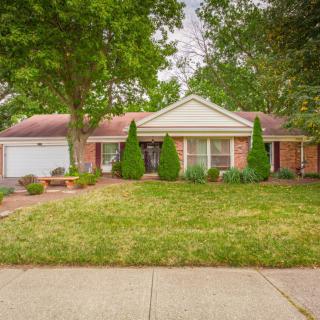

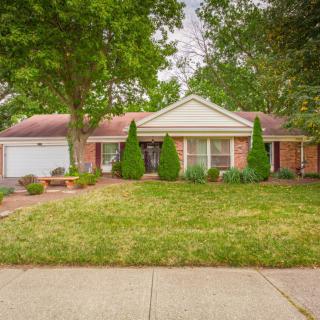
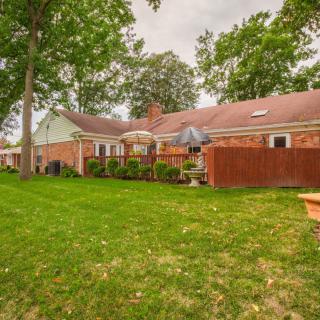
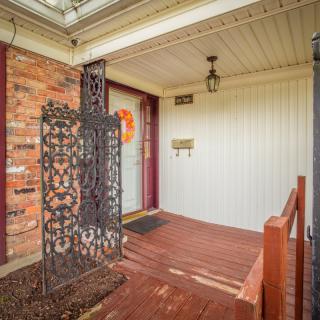
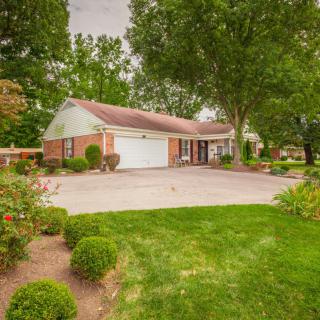
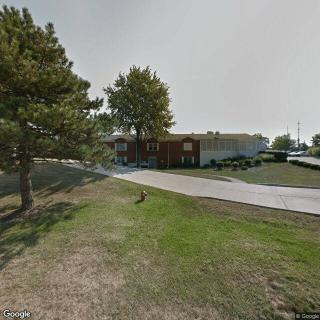
5136 Bigger Rd, Dayton, OH 45440
To contact a resident: (937) 677-5337
For more information about senior living options: (866) 208-4318
Family Tree - Kettering Costs & Pricing
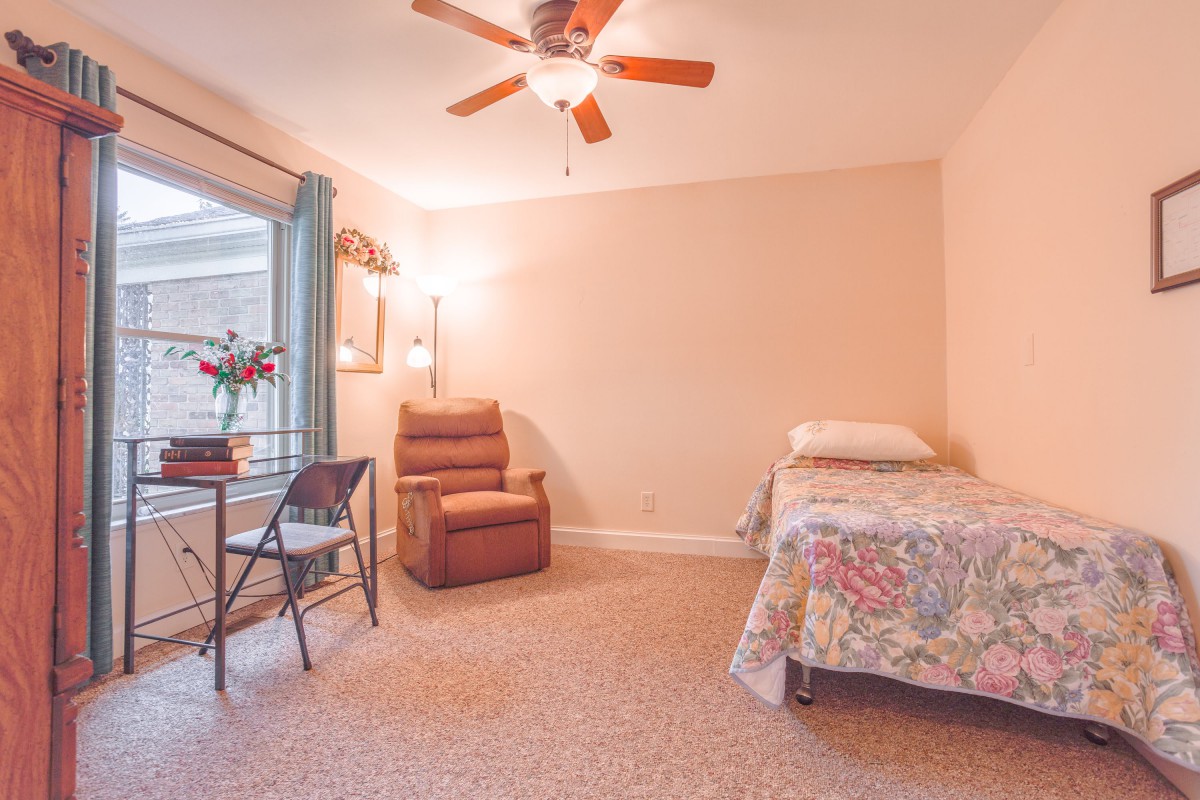
Family Tree - Kettering offers a range of accommodations that reflect its commitment to quality care in a comfortable environment. The cost for a semi-private room at Family Tree is $4,000 per month, which is notably higher than the average rates in Montgomery County at $3,639 and the state of Ohio at $3,965. For those seeking more privacy, the monthly fee for a private room stands at $5,000, also exceeding both the county's average of $3,974 and Ohio's rate of $4,771. While these prices may be on the higher side compared to local and statewide averages, they may be indicative of the enhanced services and amenities provided by Family Tree - Kettering, ensuring residents receive personalized care tailored to their needs.
| Floor plans | Family Tree - Kettering | Montgomery County | Ohio |
|---|---|---|---|
| Semi-Private | $4,000 | $3,639 | $3,965 |
| Private | $5,000 | $3,974 | $4,771 |
Senior living communities with a similar price nearby
-
from -$300 / mo
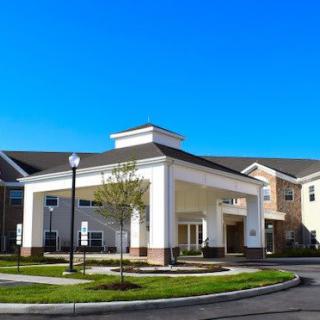
Danbury Senior Living Huber Heights
$3,700 to $6,185 / month15.0 miles away -
About the same
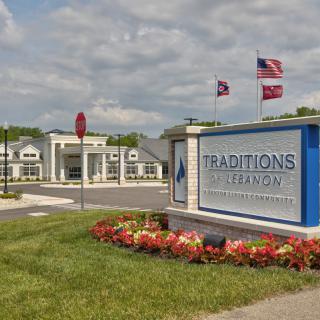
Traditions of Lebanon
$4,000 to $5,265 / month16.7 miles away -
from -$555 / mo
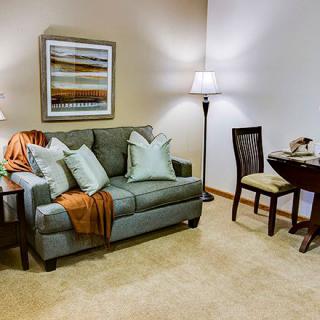
Brookdale Beavercreek
$3,445 to $3,855 / month3.0 miles away -
from +$400 / mo
We Care Home Care 2, LLC
$4,400 / month4.8 miles away -
About the same

BrightStar Living of Mason
$4,000 to $4,700 / month24.6 miles away
Overall Review of Family Tree - Kettering
Pros
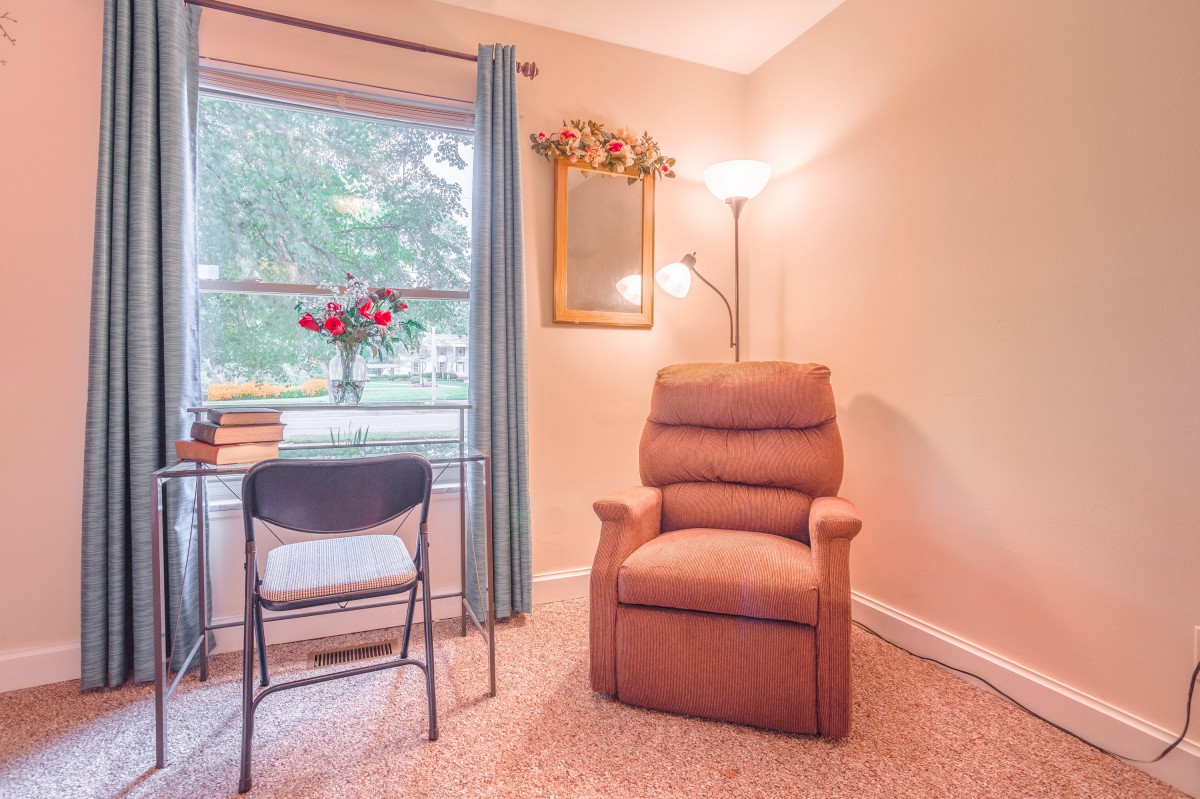
 The facility has a warm family atmosphere.
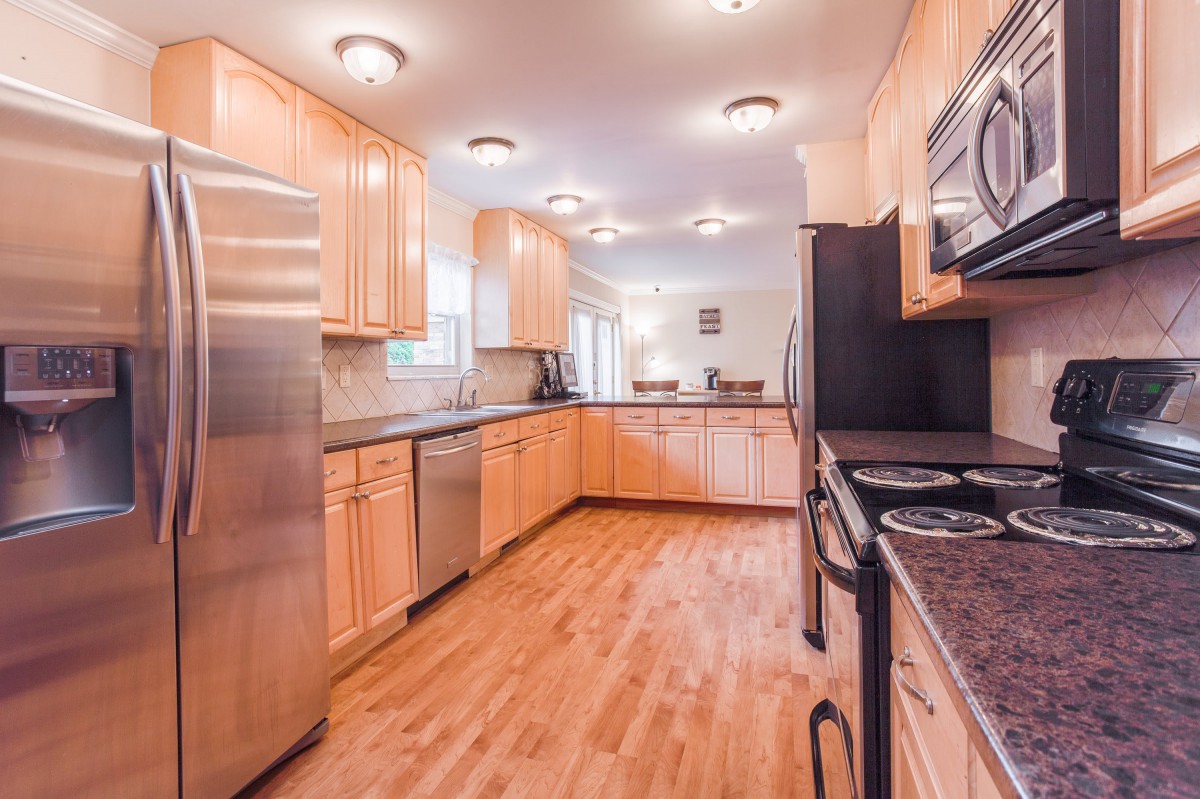
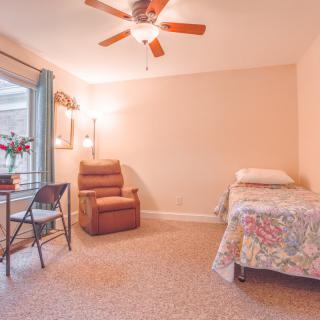
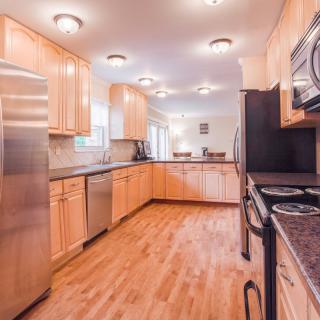
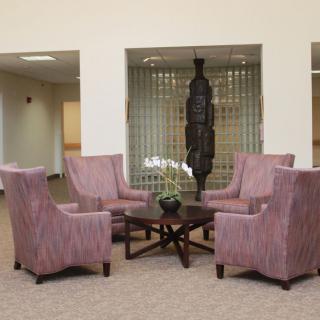
- It is a great place that is very clean and spacious.
- The community is kept very clean, meals are great, and the nurses keep families updated.
- Atha Assisted Living is described as the best place for a mother, with fewer residents allowing more one-on-one care, and a caring Christian-based staff.
- The service is quick and well-handled, with good food and attentive staff.
Cons
 They didn't see anything but watching TV.
- They were not sure about the activities.
- The facility is full.
- They wished there were more activities available for their mother throughout the day.
- They experienced some uneasiness initially.
- They were not sure if the caretakers had experience with someone to this degree.
Review
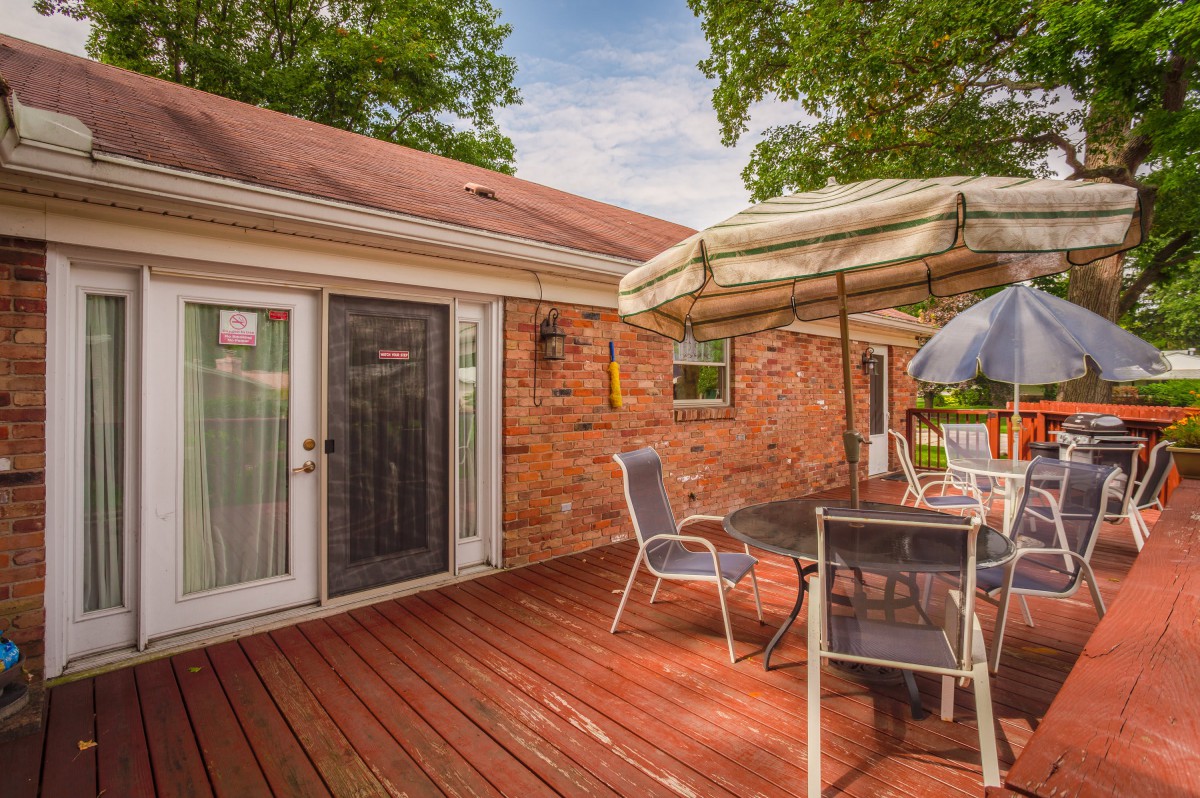
Family Tree - Kettering is best suited for families seeking a clean, calm, intimate assisted-living option where oversight feels personal and meals are dependable. The property earns praise for its neat, spacious environment and reliable daytime nourishment, and several reviewers emphasize how staff keep families informed with timely updates. The design supports a low-stress routine and closer monitoring, with a smaller resident population that translates into more eyes on a resident and less chance of feeling anonymous. This makes it a solid fit for seniors who value safety, predictable schedules, and a quiet atmosphere over flashy programming or bustling social calendars.
Who should consider alternatives? Those who want a robust, all-day activity calendar and constant social engagement may be disappointed by the limited activity variety noted by reviewers. A few comments mention residents mainly watching TV, and others observe a lack of day-long programming. Accessibility and admission timing also matter: several posts note that the community is full, which can push families to continue the search or explore comparable options with immediate availability. For seniors whose well-being depends on frequent structured stimulation, a larger community with stronger programming may be more suitable.
Still, the strong points here offset the constraints in meaningful ways. Cleanliness and spaciousness are not just cosmetic; they create a roomier, more comfortable daily living experience that lowers agitation and supports dignity. Meals are consistently praised, providing reliable nutrition without sacrificing flavor, which matters for overall health and caregiver confidence. The staff’s willingness to involve families in updates and the quick responsiveness to service requests underline a culture of attentiveness. In practice, these advantages tend to compensate for a lean activity roster by delivering a safer, more predictable environment where staff presence is palpable.
Another compensating factor is the limited resident count, which translates into more individualized attention and a lower risk of falls. Some reviewers specifically note the one-on-one focus that comes with smaller operations, which can translate into better care for someone with complex needs. There is also a mention of a Christian-based, caring culture from a family perspective, which can be a meaningful alignment for residents and families seeking that ethos. When paired with experienced caregivers who communicate well, this combination often produces a sense of security that can offset the trade-offs of a quieter activity schedule.
Review anecdotes point to tangible benefits: quick responses to service needs, patient and adaptable caregiving, and staff members who earn praise by name. However, even in strong performance, questions remain about how well the team handles more demanding medical scenarios or highly customized routines. That caution is an argument for families to have a clear plan for daily engagement with a loved one and to verify that staff training matches the level of support required at home. The positive experiences with the team suggest a capacity for compassionate short-term stays as well as ongoing care, when aligned with expectations.
In summary, Family Tree - Kettering delivers a dependable, clean, and well-staffed environment that suits seniors who prioritize safety, routine, and reliable meals over constant programming. It is less appropriate for families seeking vigorous social activity or immediate admission without a wait. For those who want alternatives with more activities or a smaller overall footprint, exploring options like Atha Assisted Living may provide a closer match to specific preferences, especially for families seeking a Christian-centered setting with highly attentive oversight. Prospective families should visit, observe the atmosphere, talk with staff about daily programming, and inquire about current availability to ensure the fit remains strong.
 Board and Care Home
 Cats allowed
 Dogs allowed
 Activities off-site
 Air-conditioning
 Cable or satellite TV
 Devotional services off-site
 Handicap accessible
 Indoor common areas
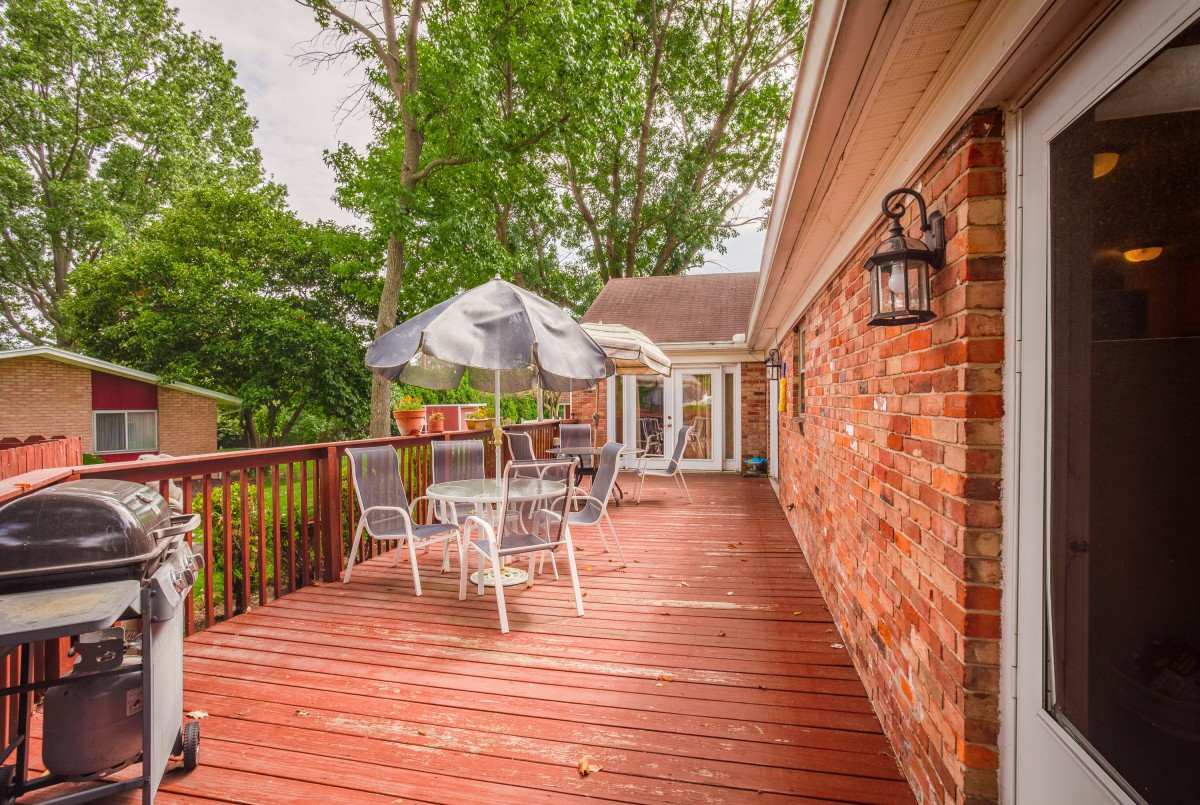
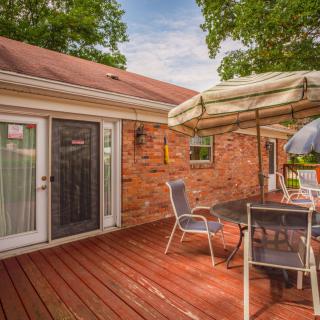
 Outdoor common areas
 Private
 Private bathrooms
 Respite or short term stays offered
 Wi-Fi/high-speed internet available
 James M Cox Dayton International (17 miles away)
 Diabetic care
 High acuity care
 Incontinence care
 Medication management
 Anytime dining
 Art classes
 Catholic services
 Cooking classes
 Educational speakers / life long learning
 Jewish services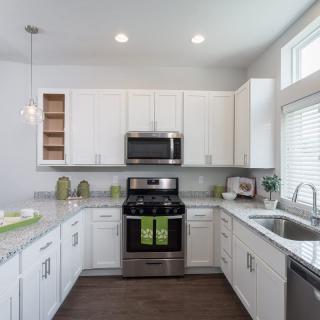




 Comprehensive Insights and Practical Strategies to Help Older Adults Avoid Falls
 6 Crucial Ways an Elder Law Attorney Assists Families
 Navigating the Tax Landscape of Caregiving: Credits, Deductions, and Beyond