The McGregor in Cleveland, OH

Save

  • Interior

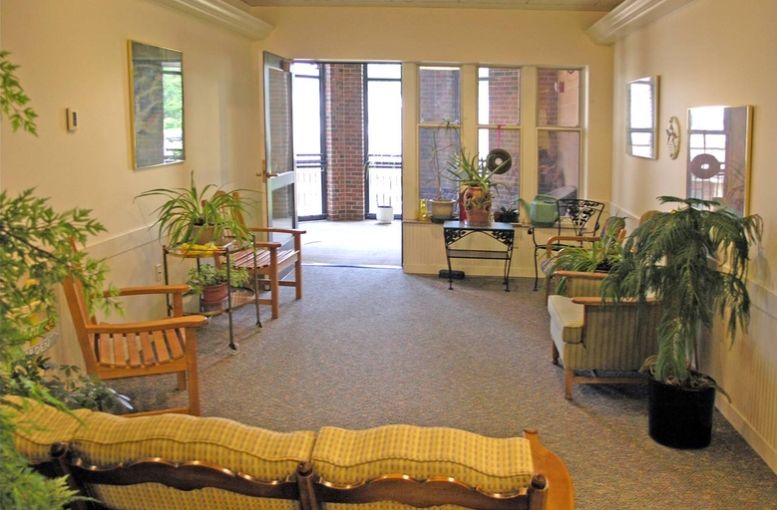
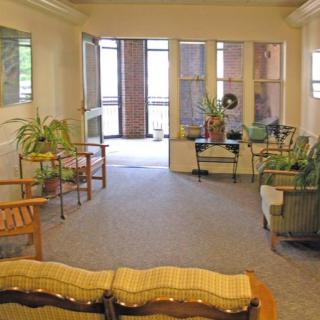
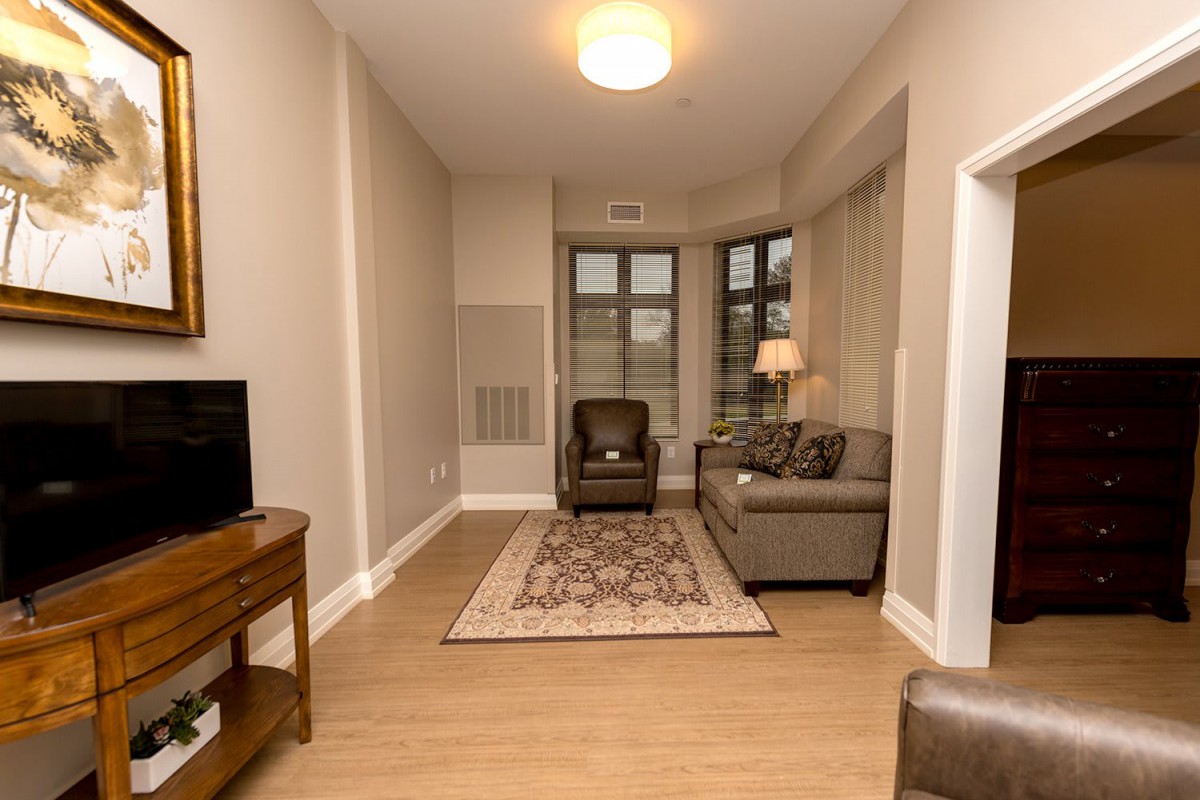
    A cozy living room with comfortable seating and green plants, featuring large windows that let in natural light.
  • Outdoors

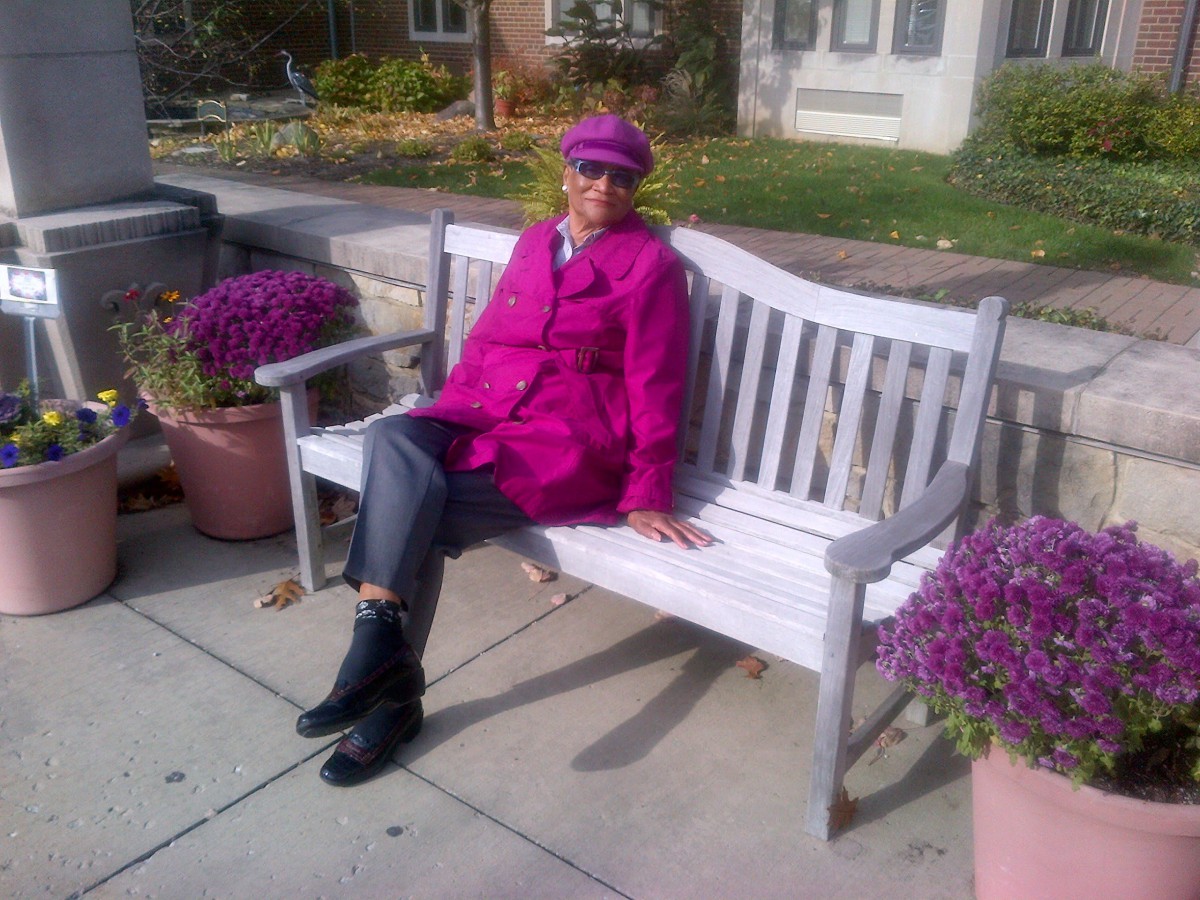
    A person sitting on a bench wearing a purple coat and hat, surrounded by potted flowers.
  • Decor

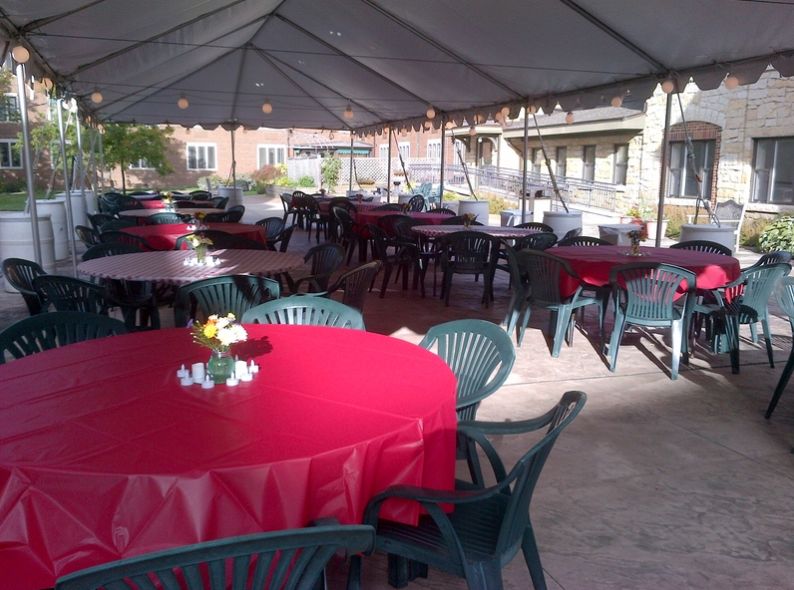
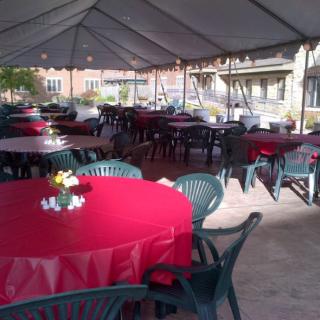
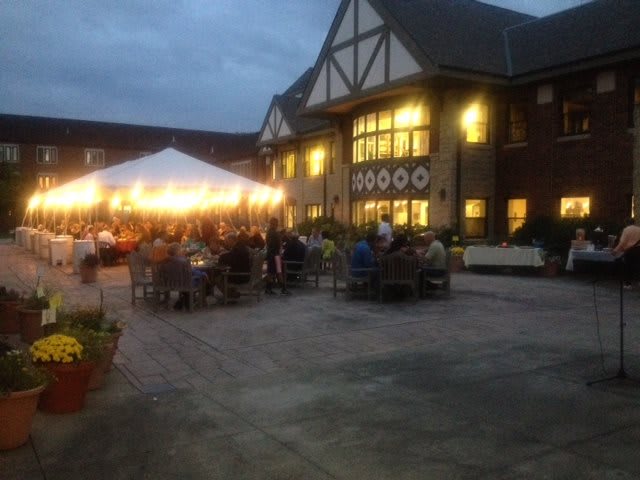
    Outdoor event setup with tables covered in red tablecloths under a tent.
  • Living Room

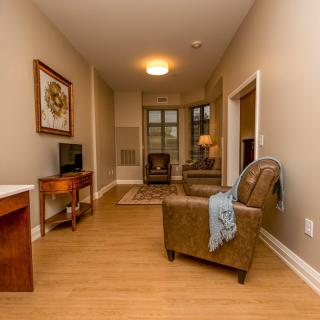
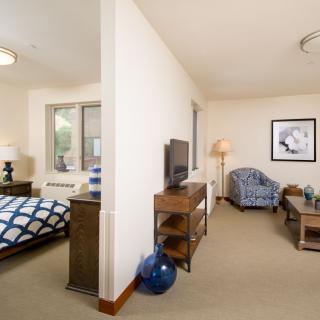
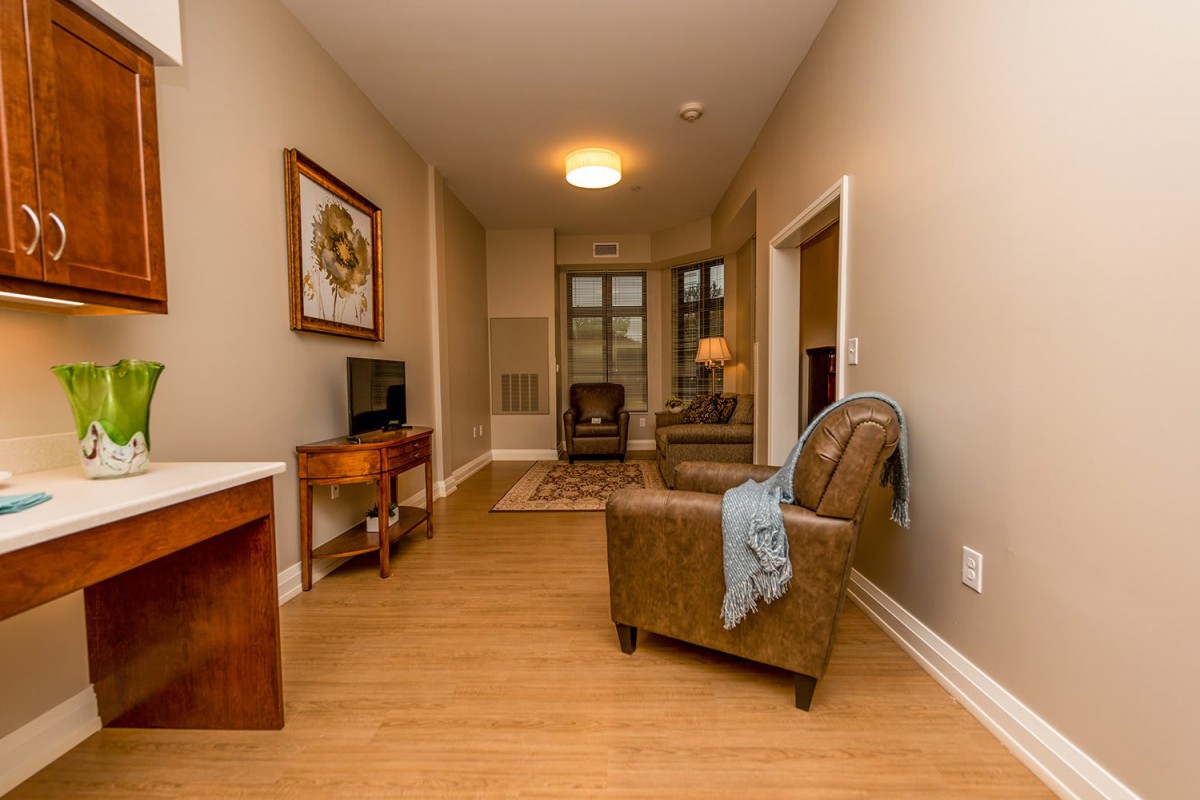
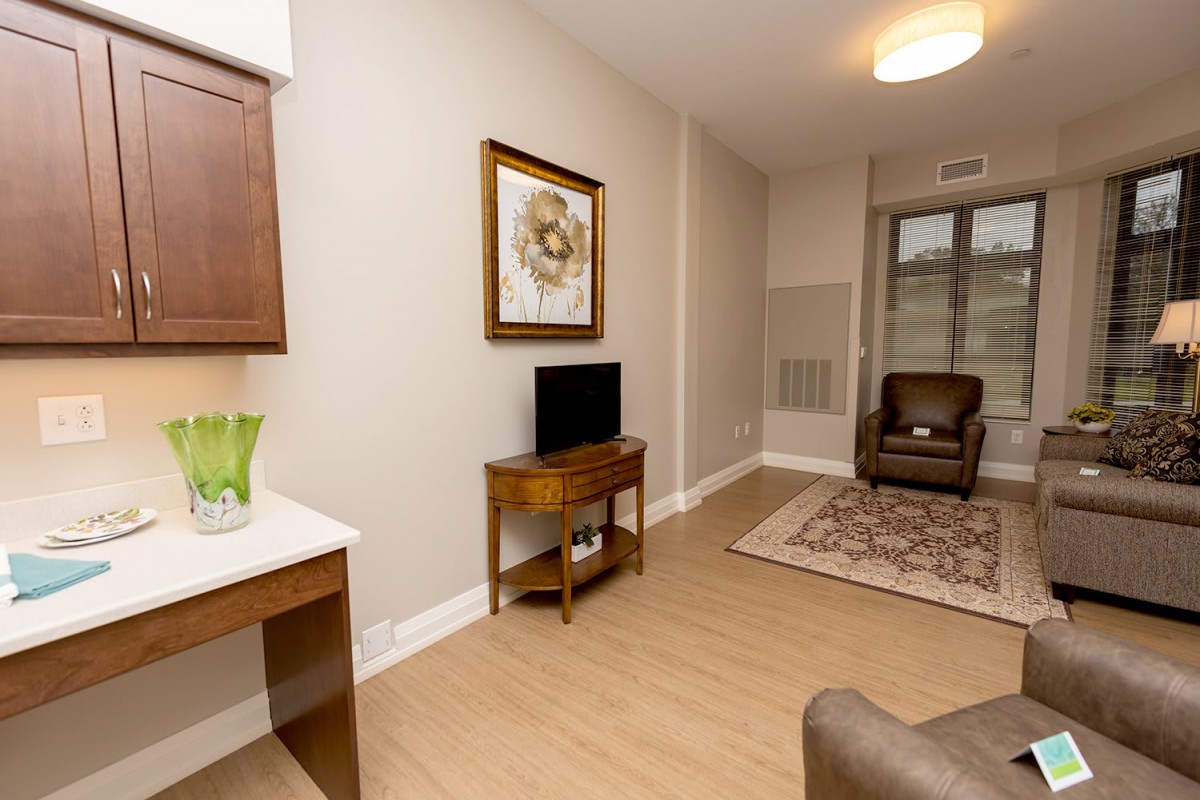
    Cozy living room with armchair, television, and warm lighting.
  • Building

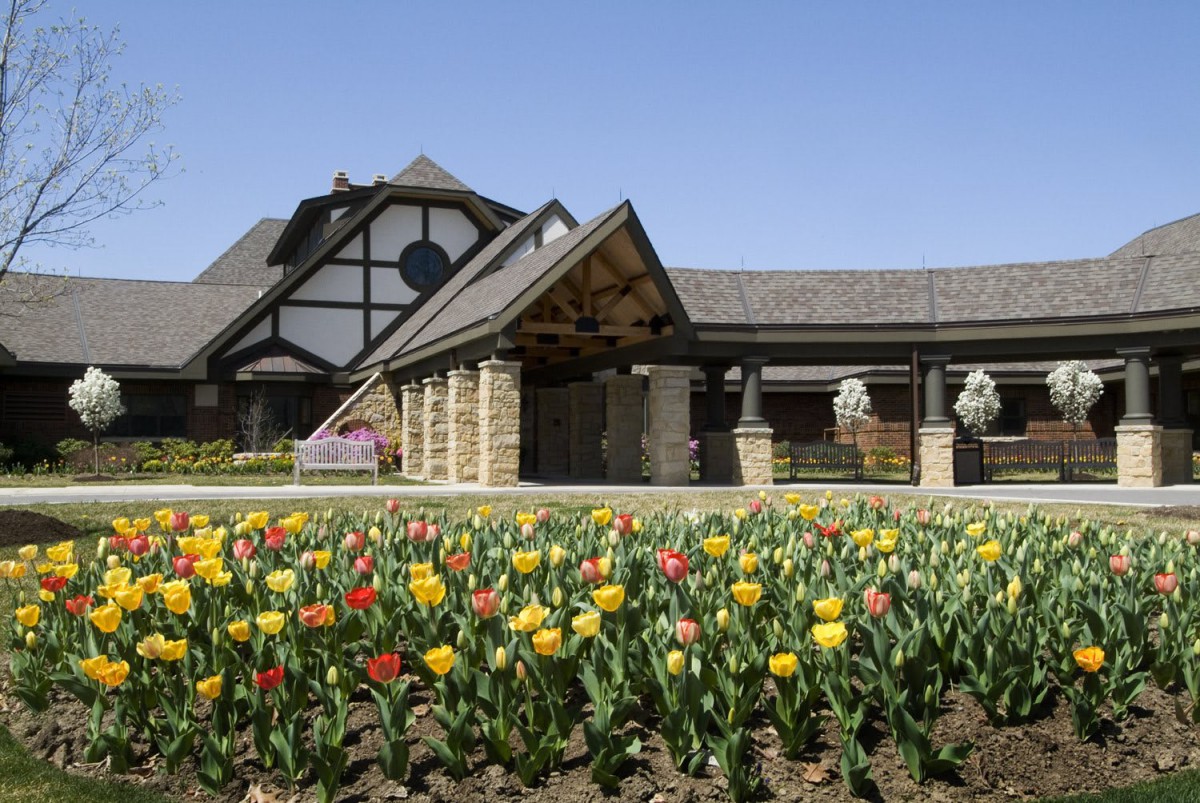
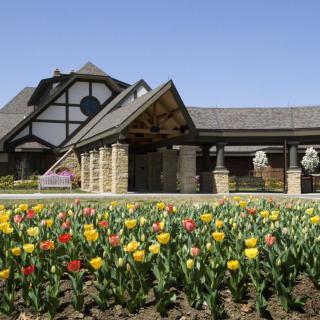
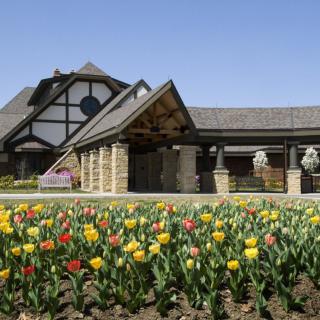
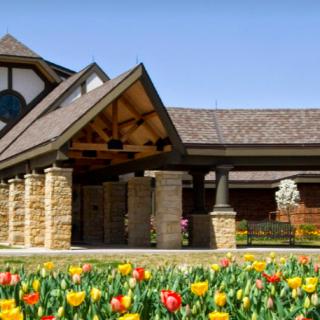
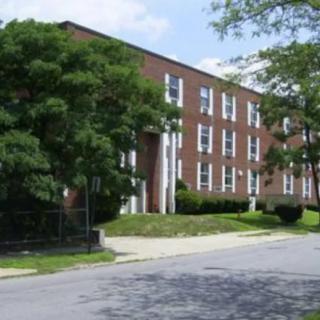
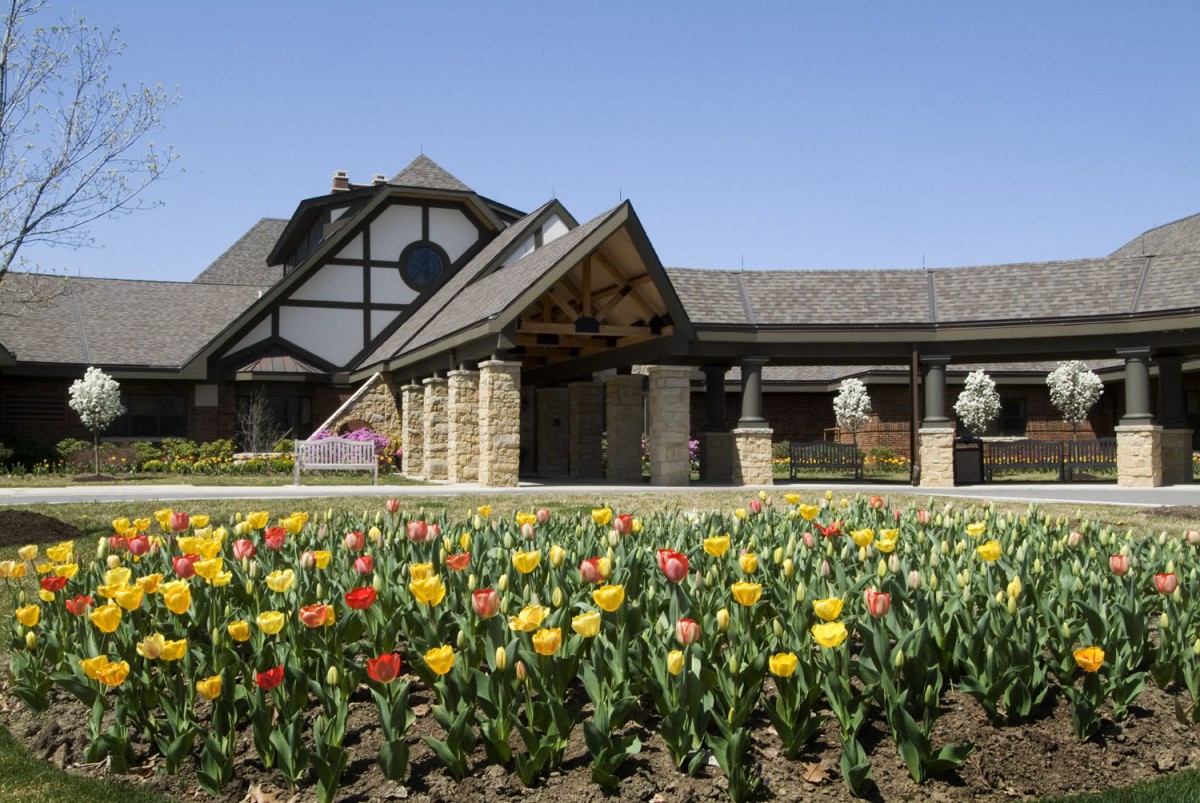
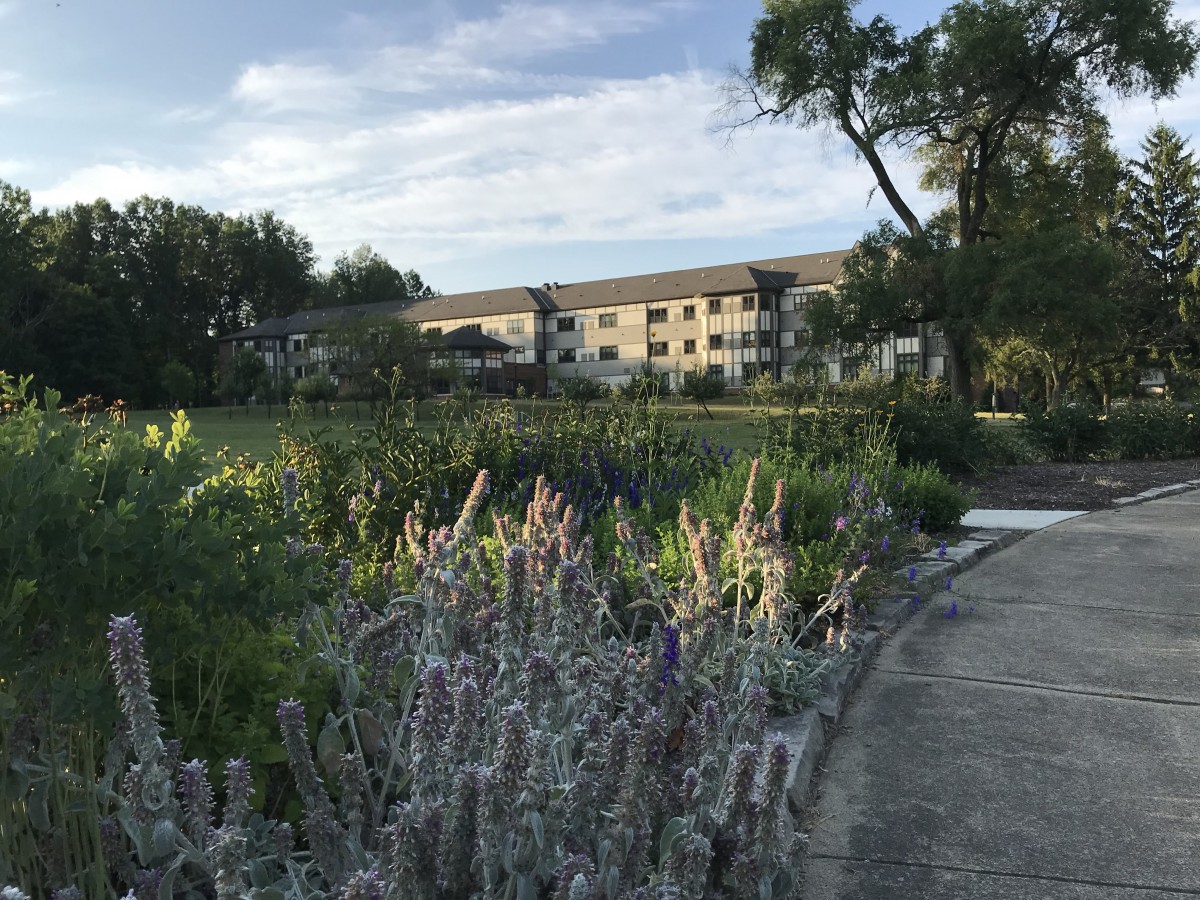
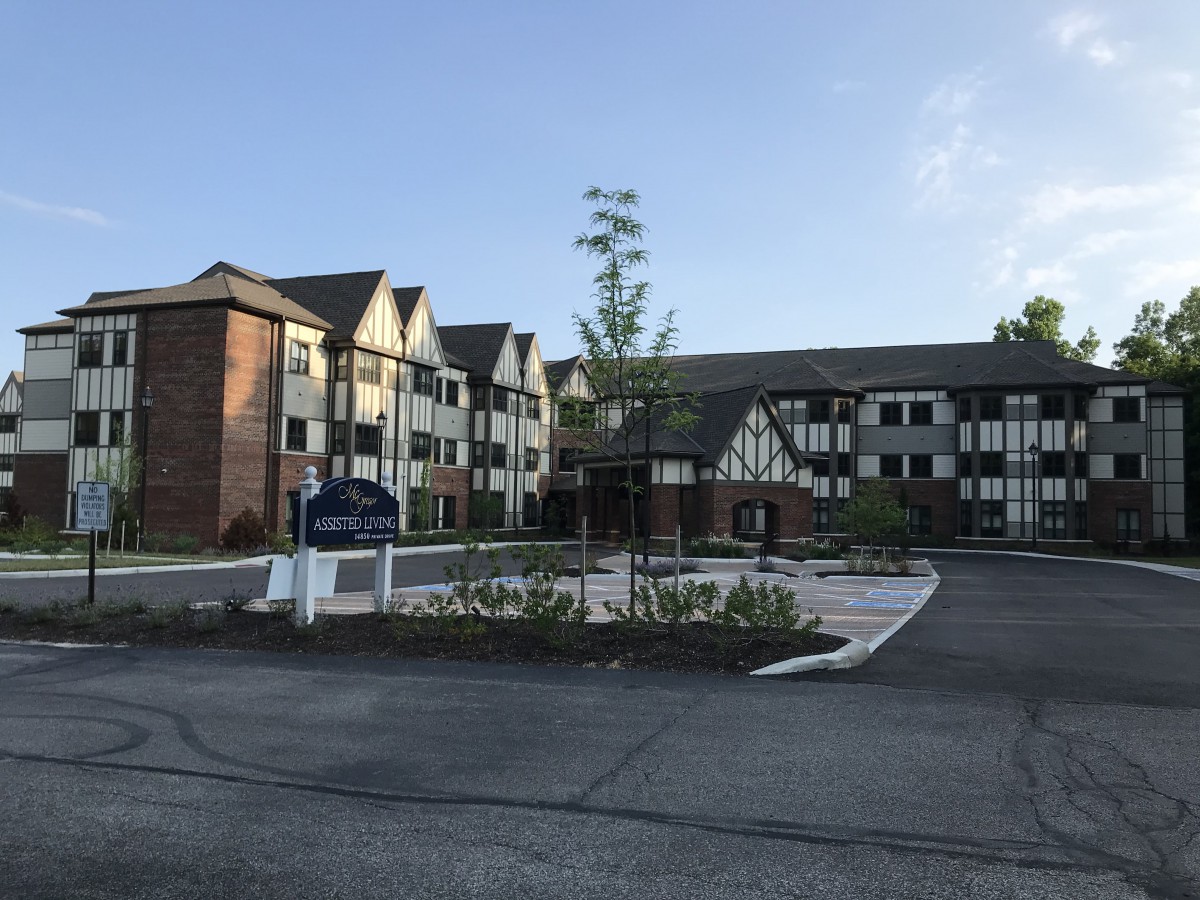
    A scenic view of a building with a garden full of colorful tulips in the foreground.
  • Architecture

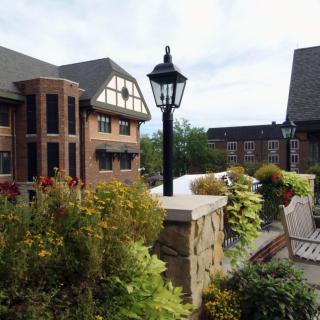
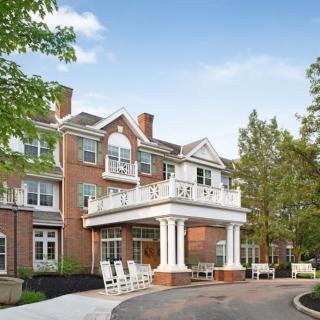
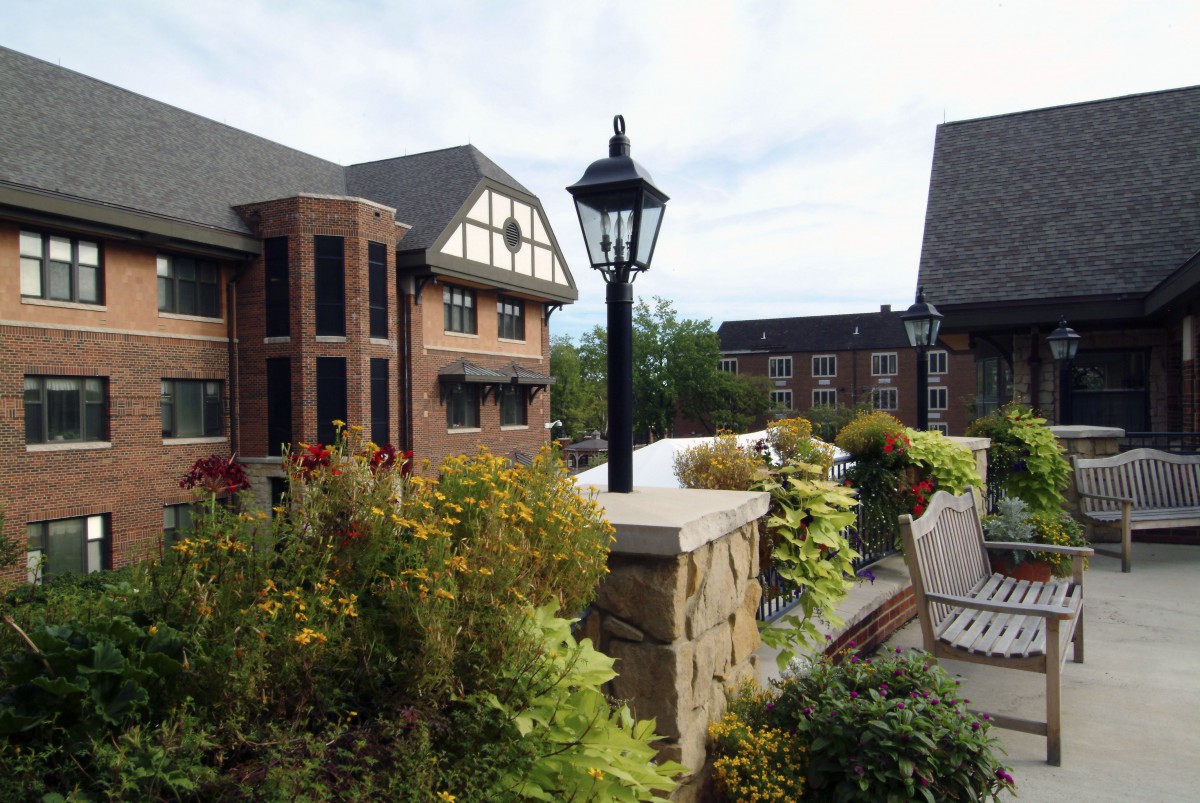
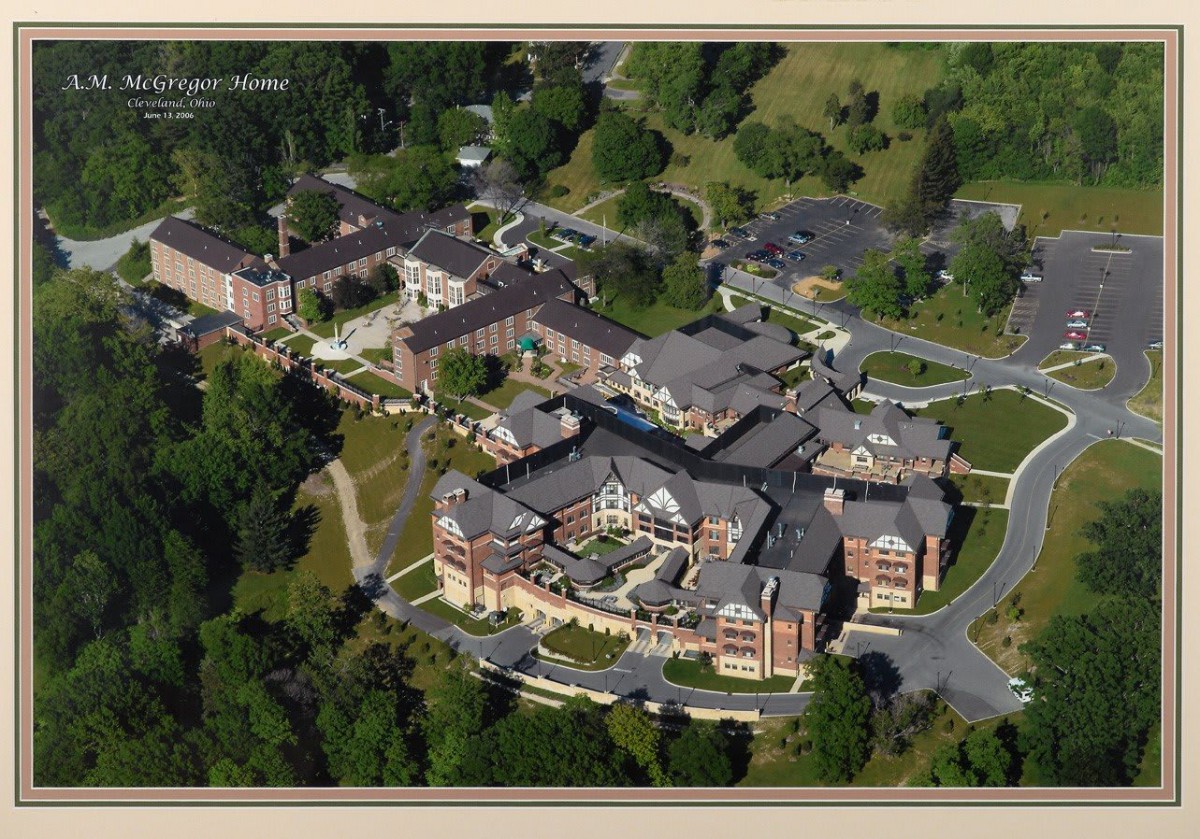
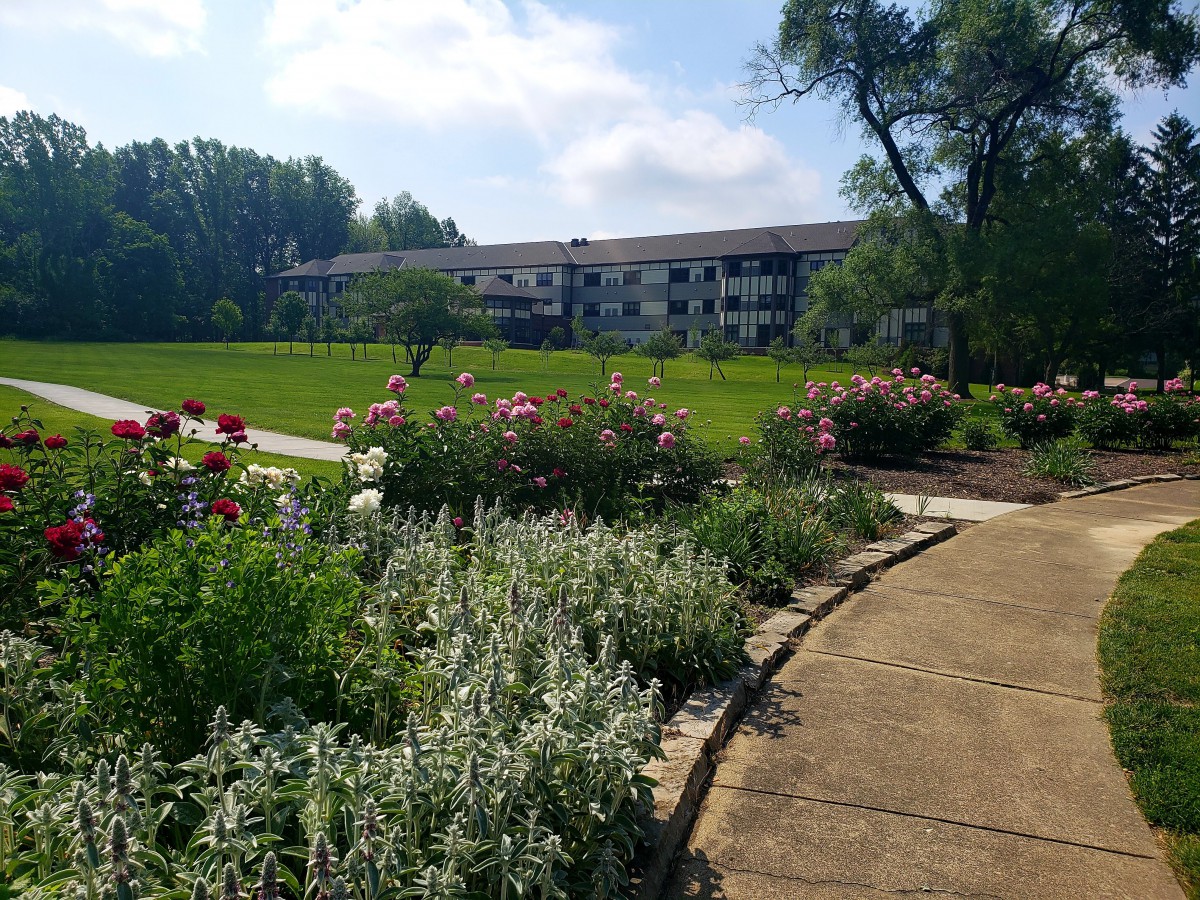
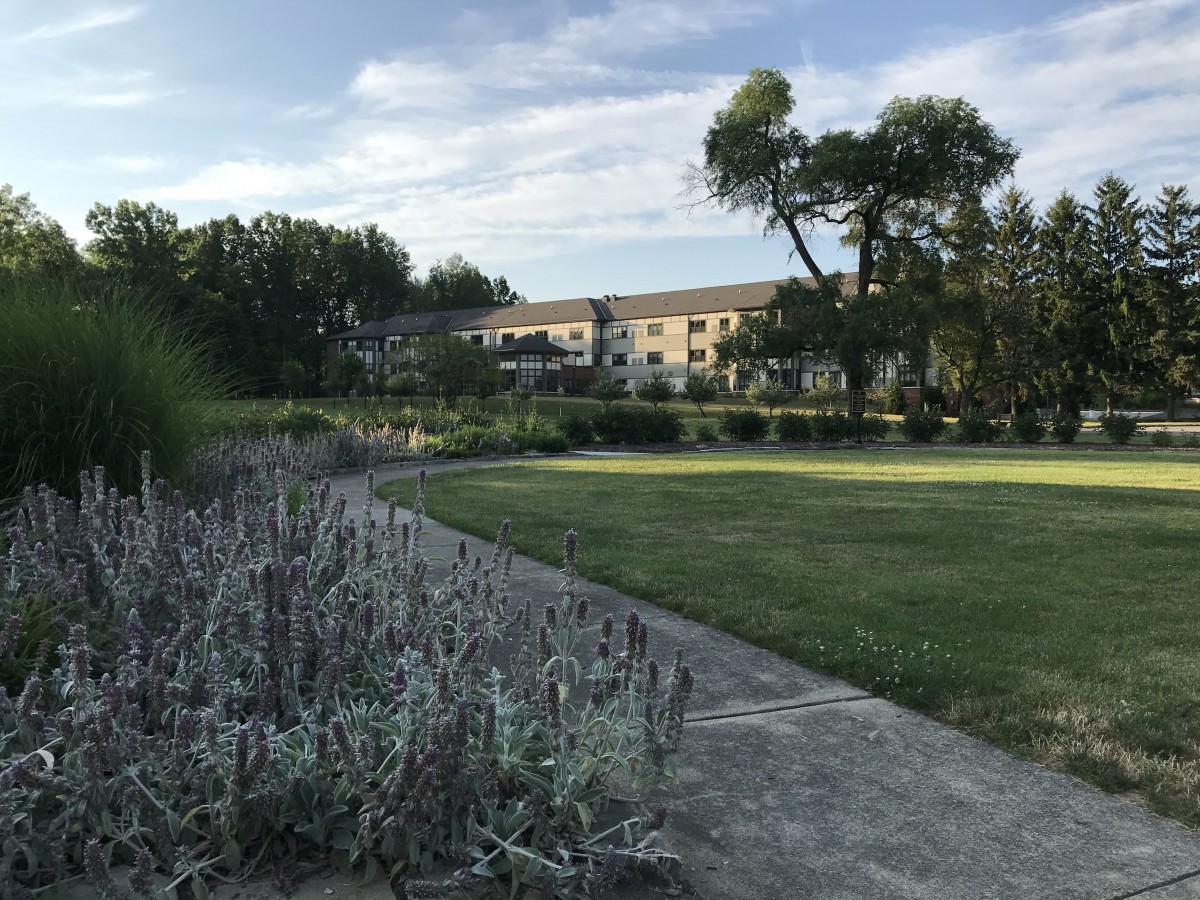
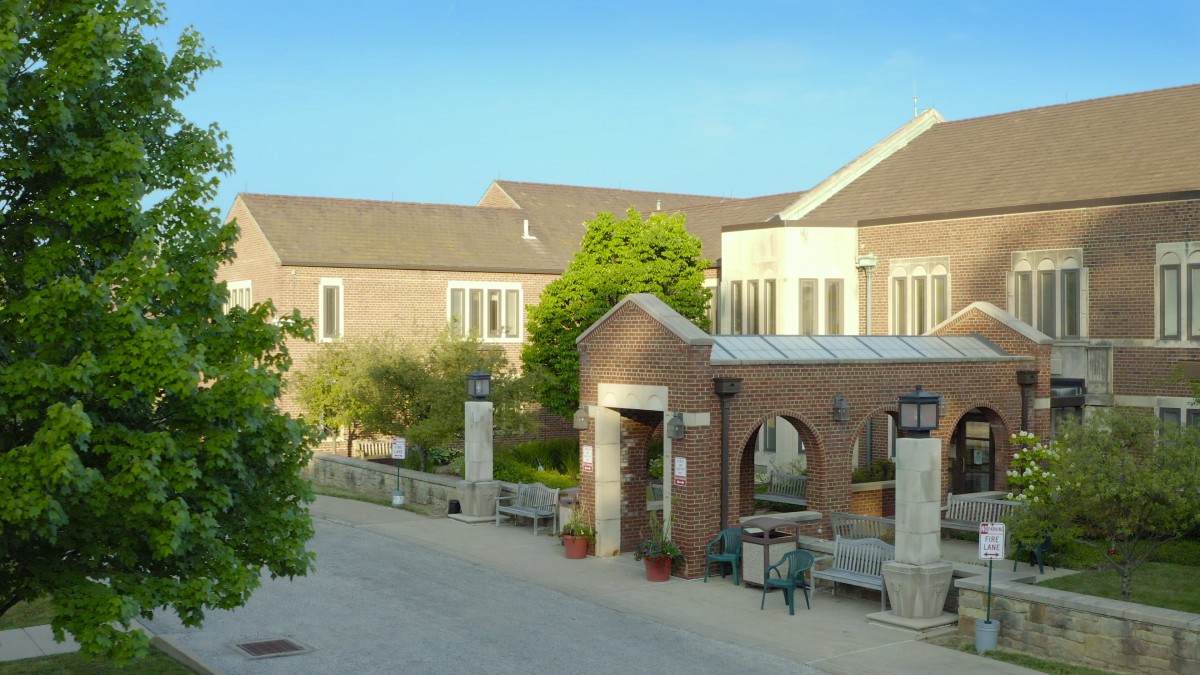
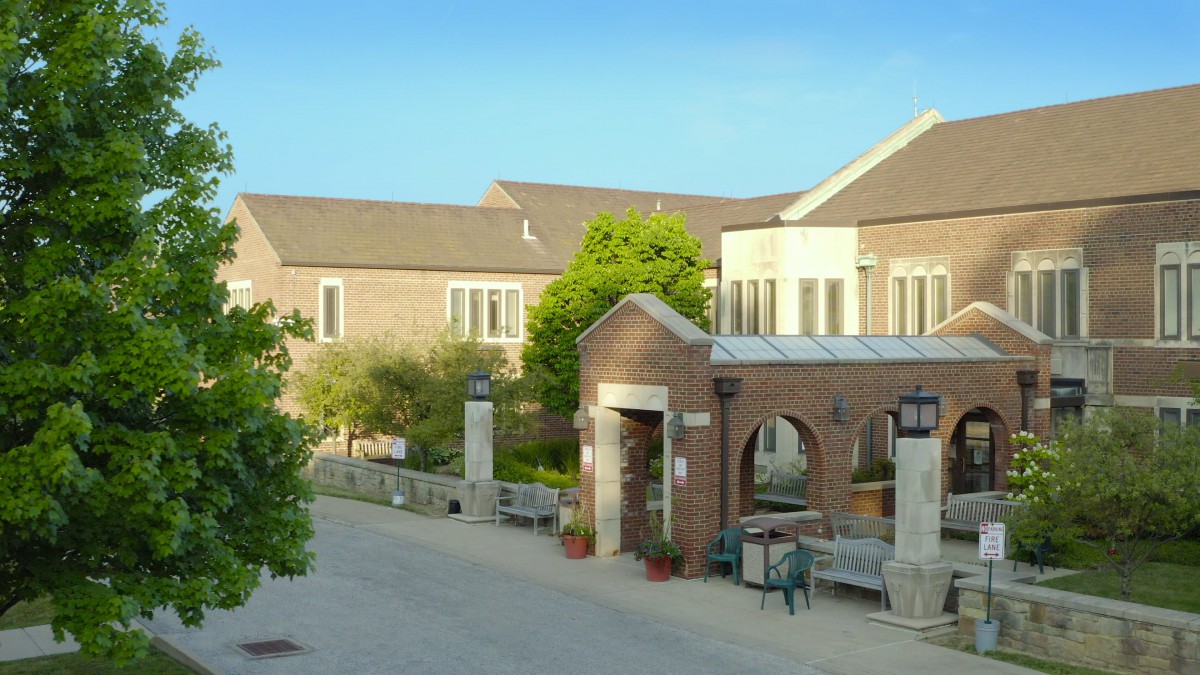
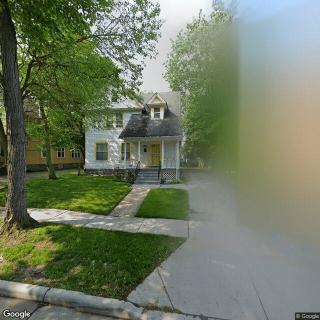
    A scenic view of a garden with benches and a traditional-style building in the background.
  • Bedroom

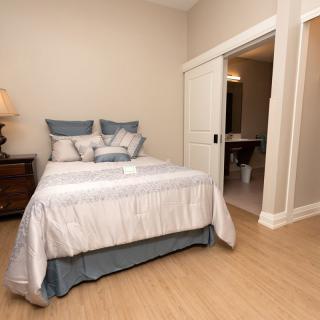
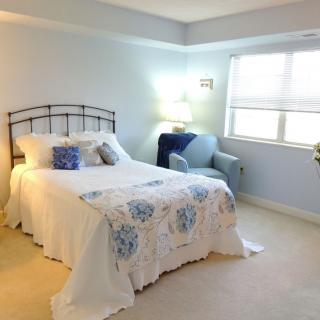
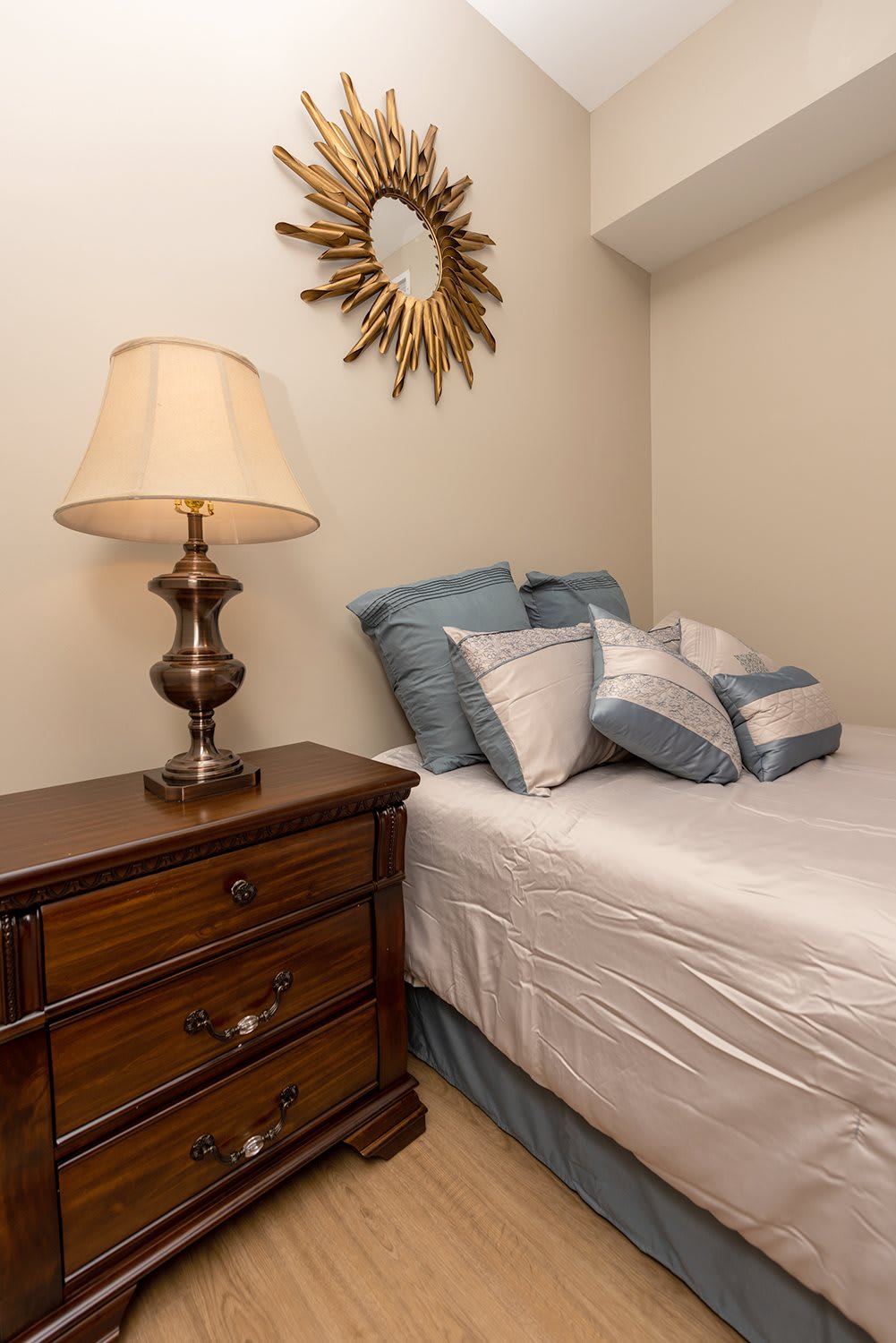
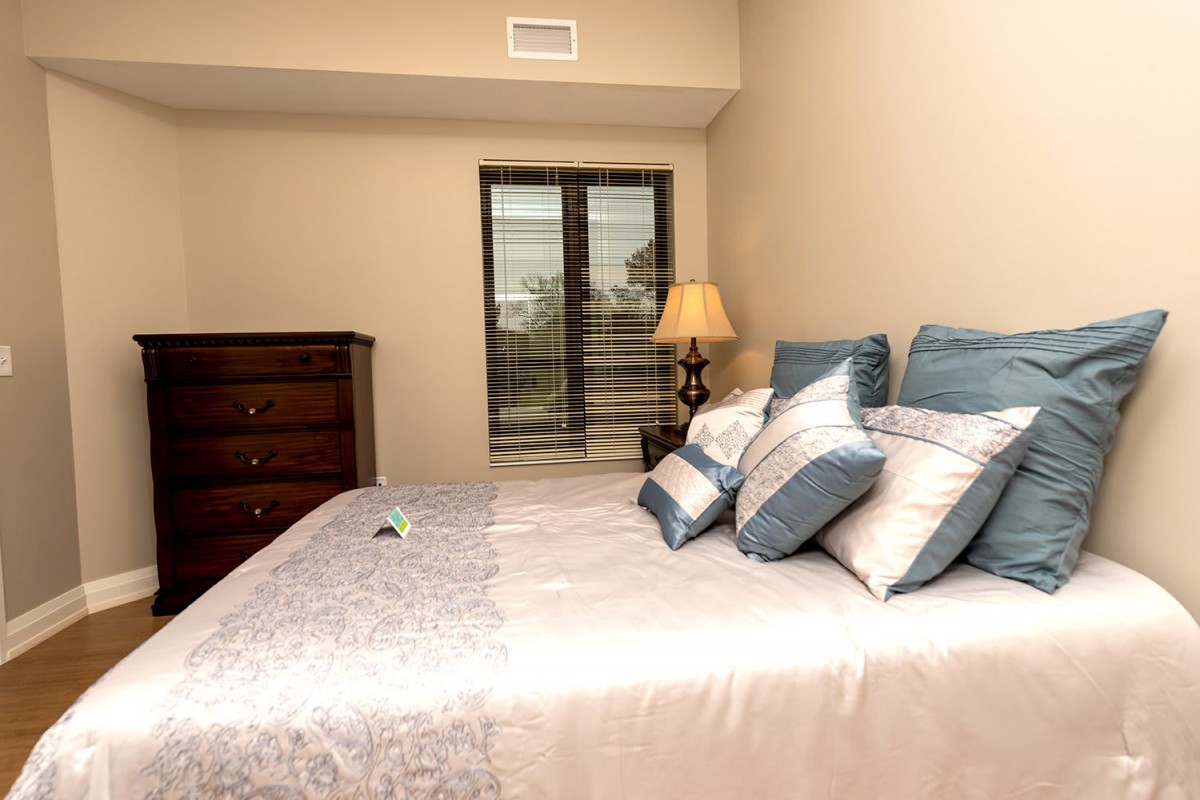
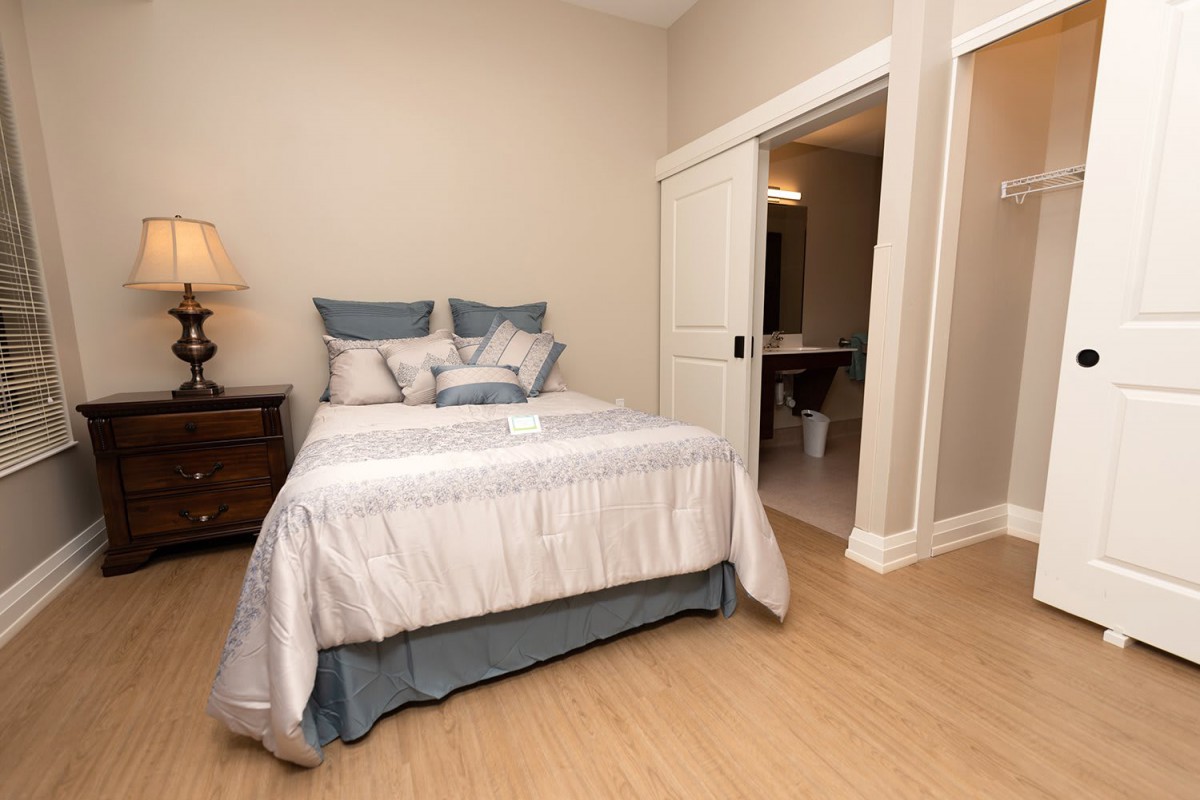
    A neatly arranged bedroom with a bed, pillows, and a bedside lamp.
  • Trees

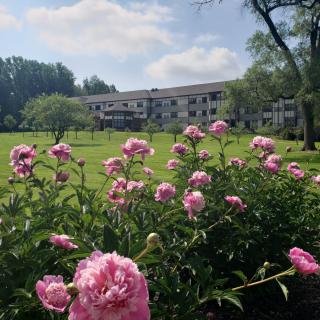
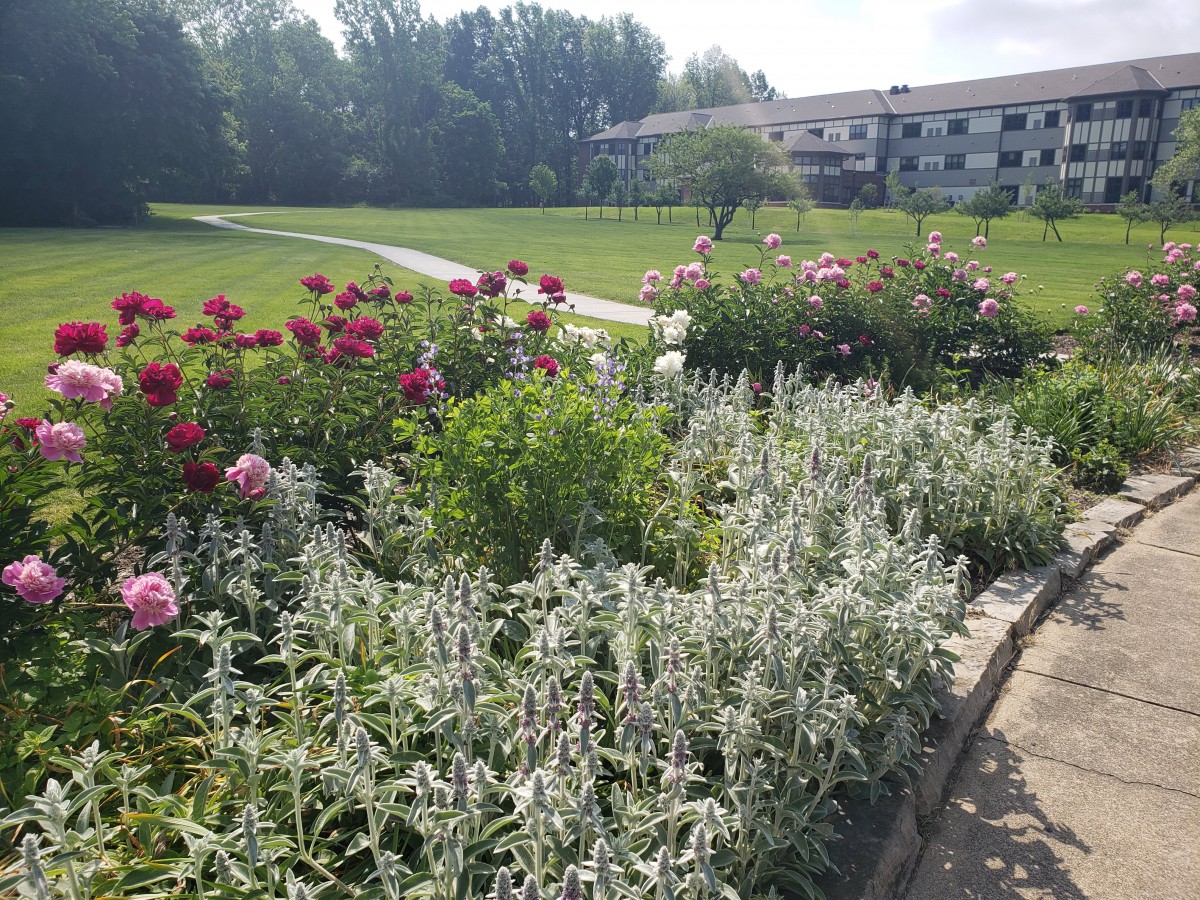
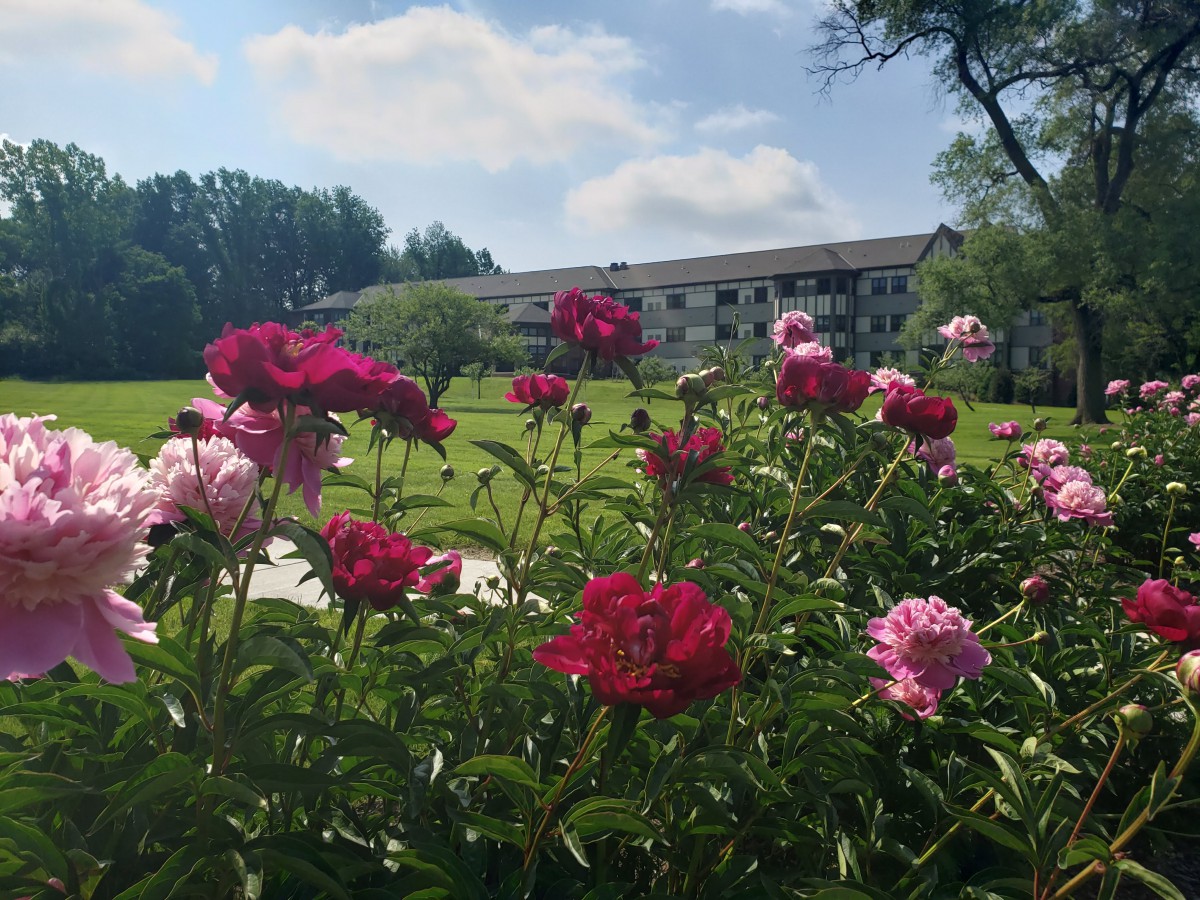
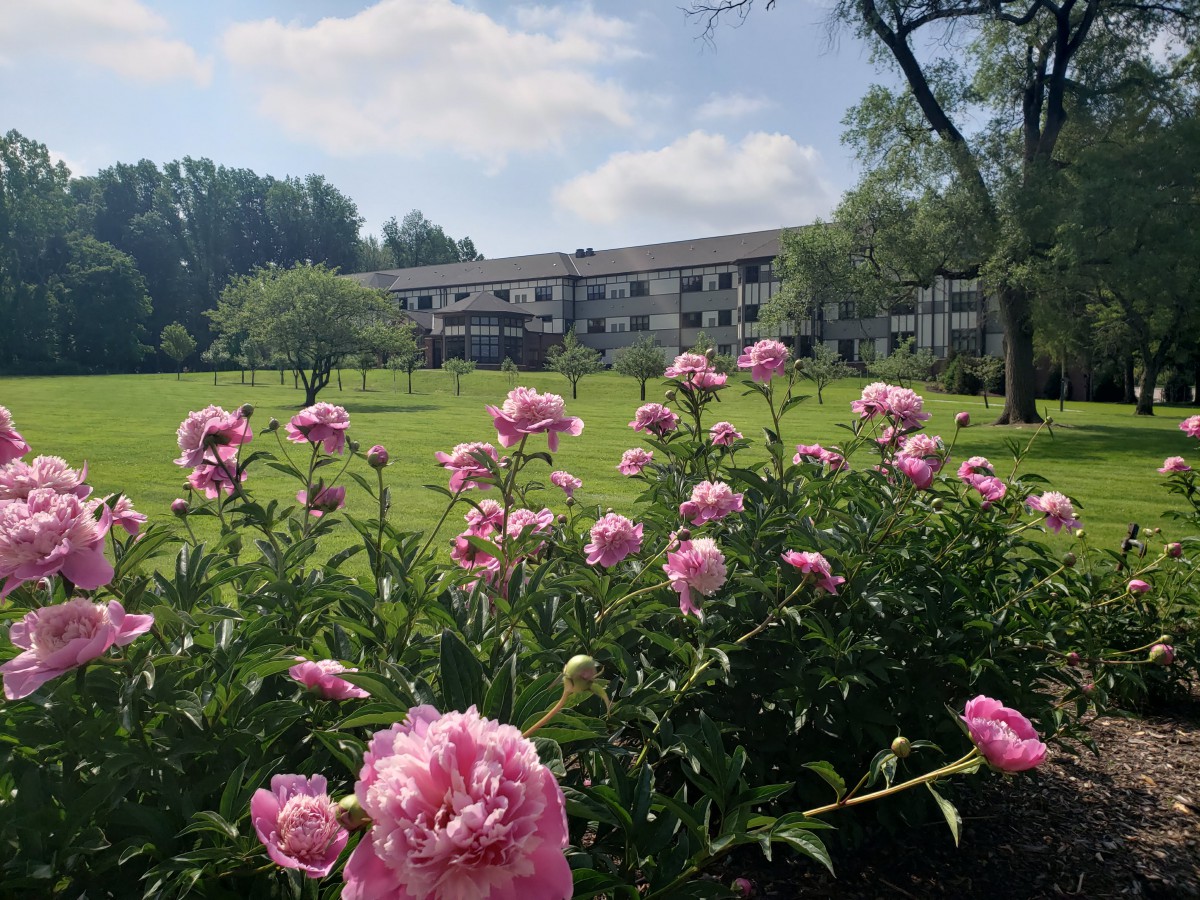
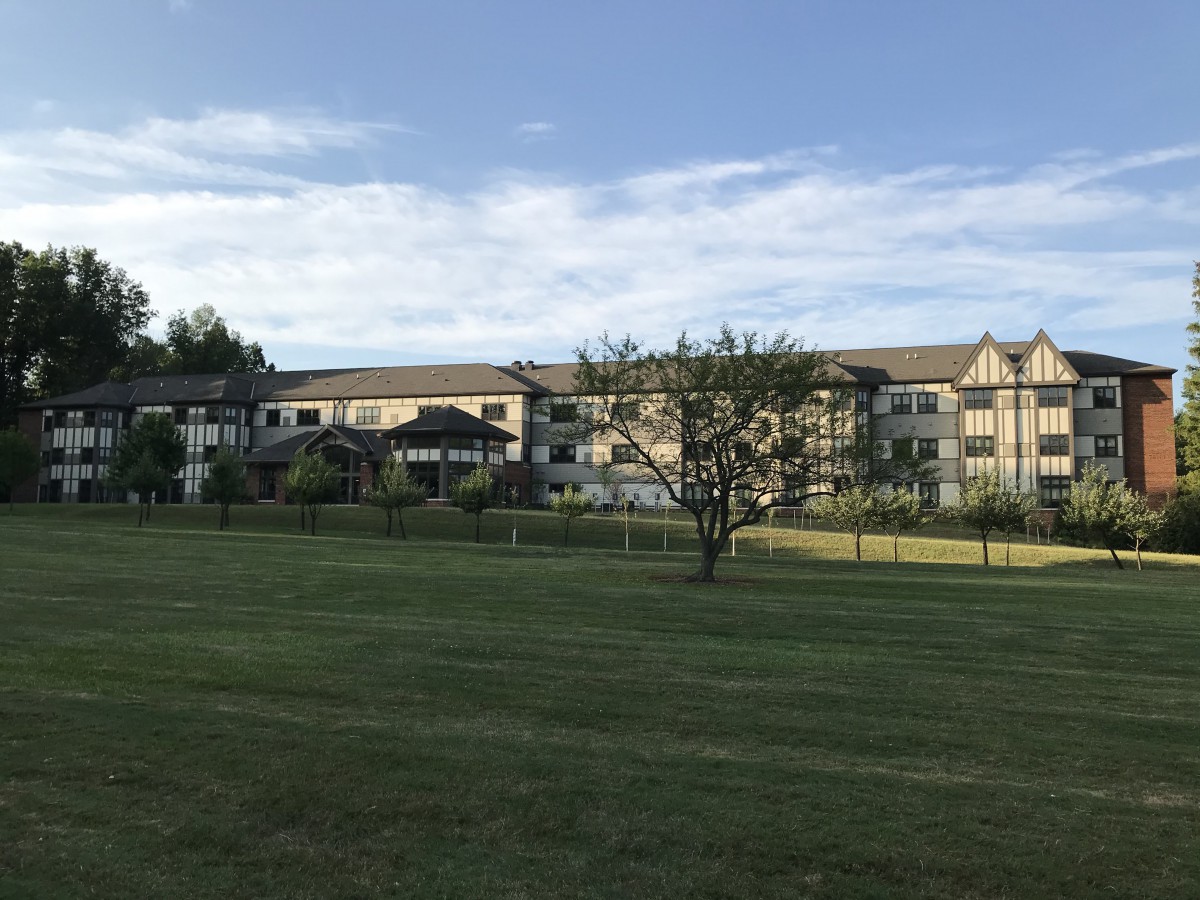
    A scenic view of a garden with pink flowers in the foreground and a building in the distance under a blue sky.
  • Windows

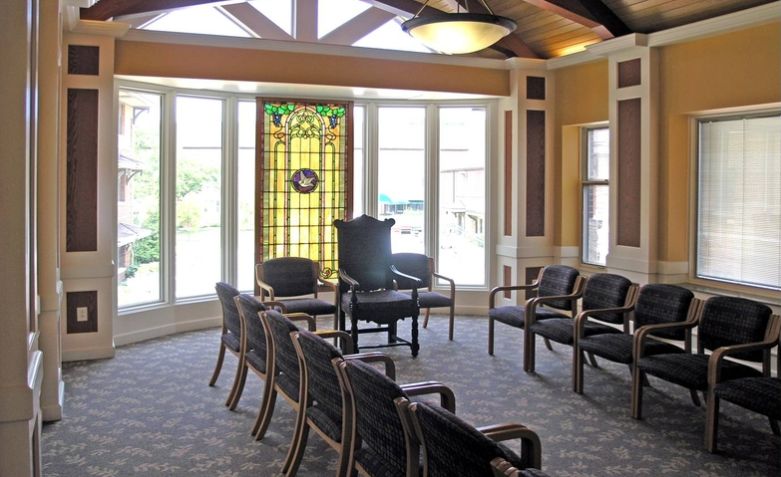
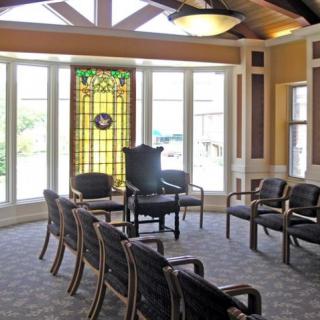
    A well-lit waiting room with arranged chairs and a decorative stained glass window.
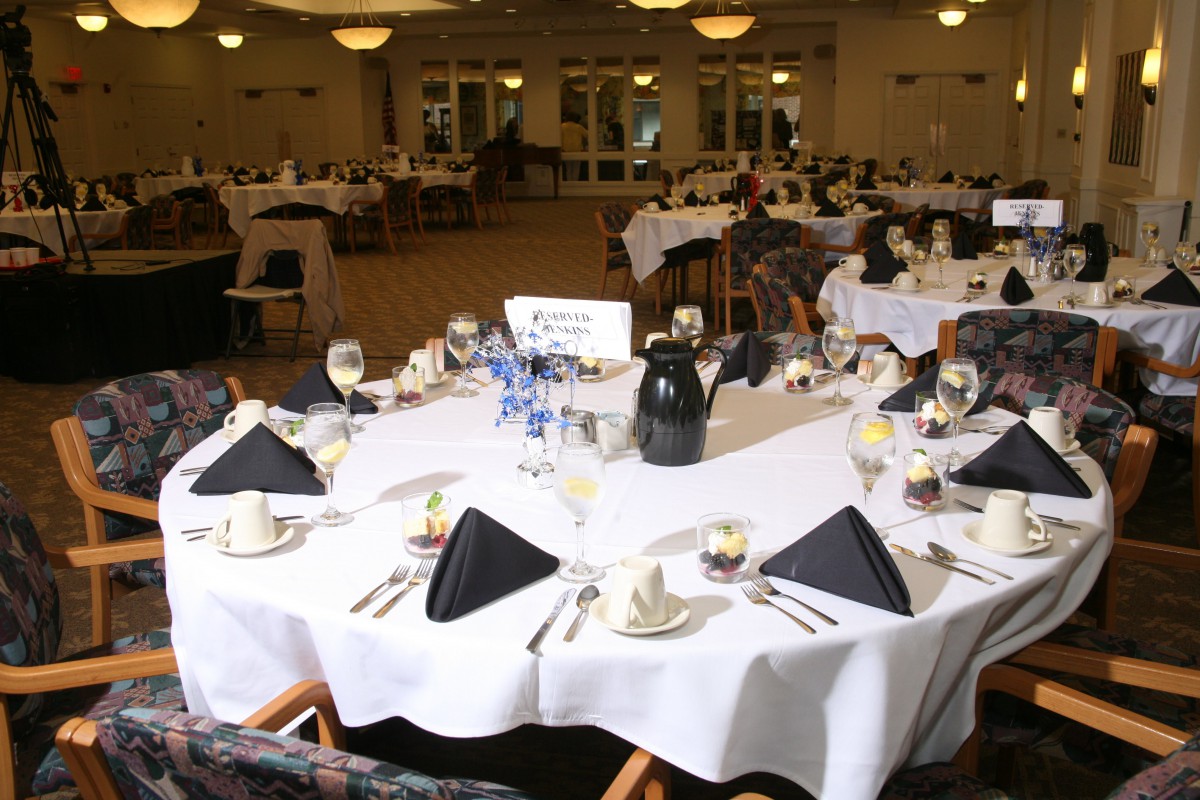
  • Dining

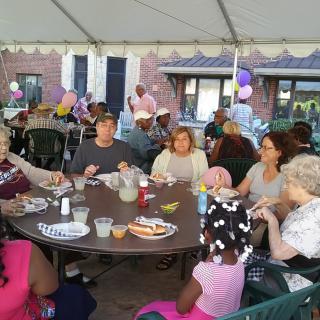
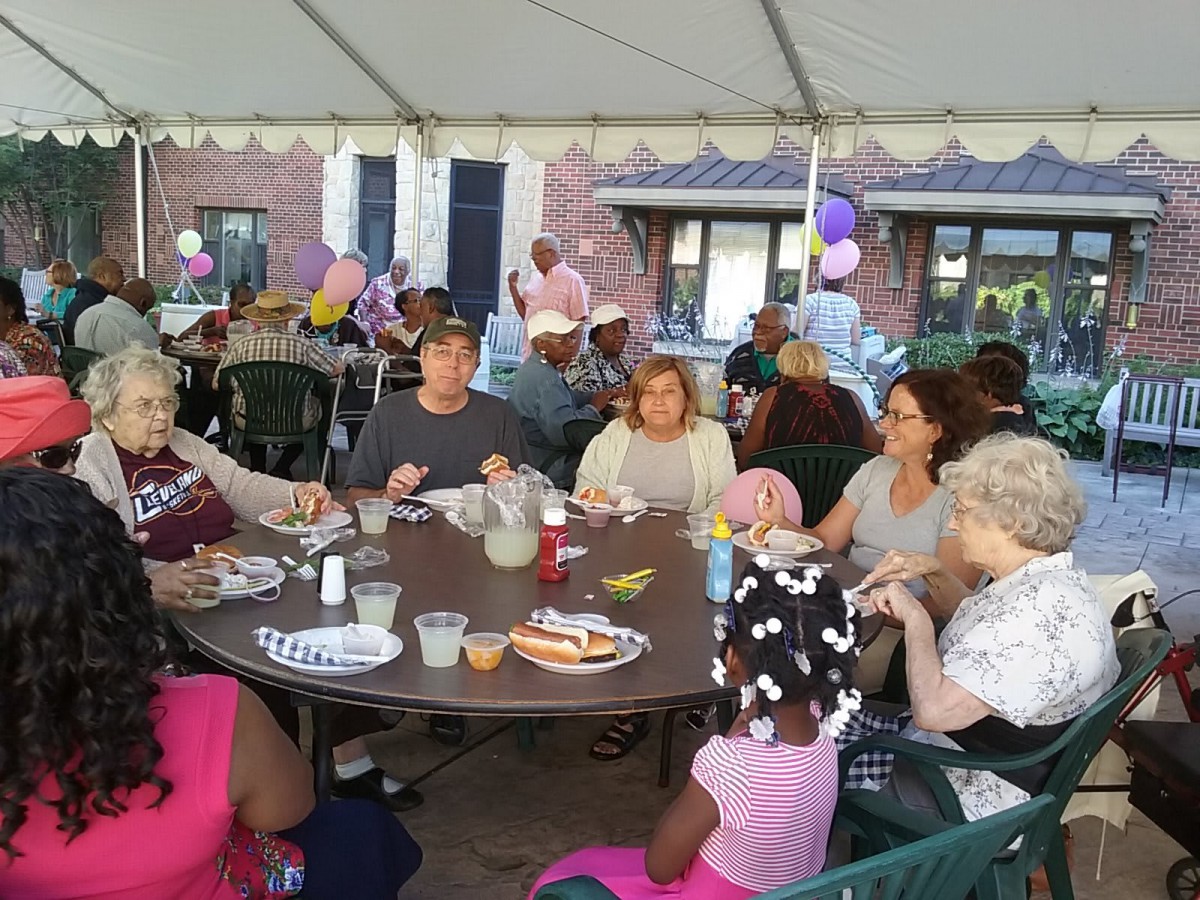
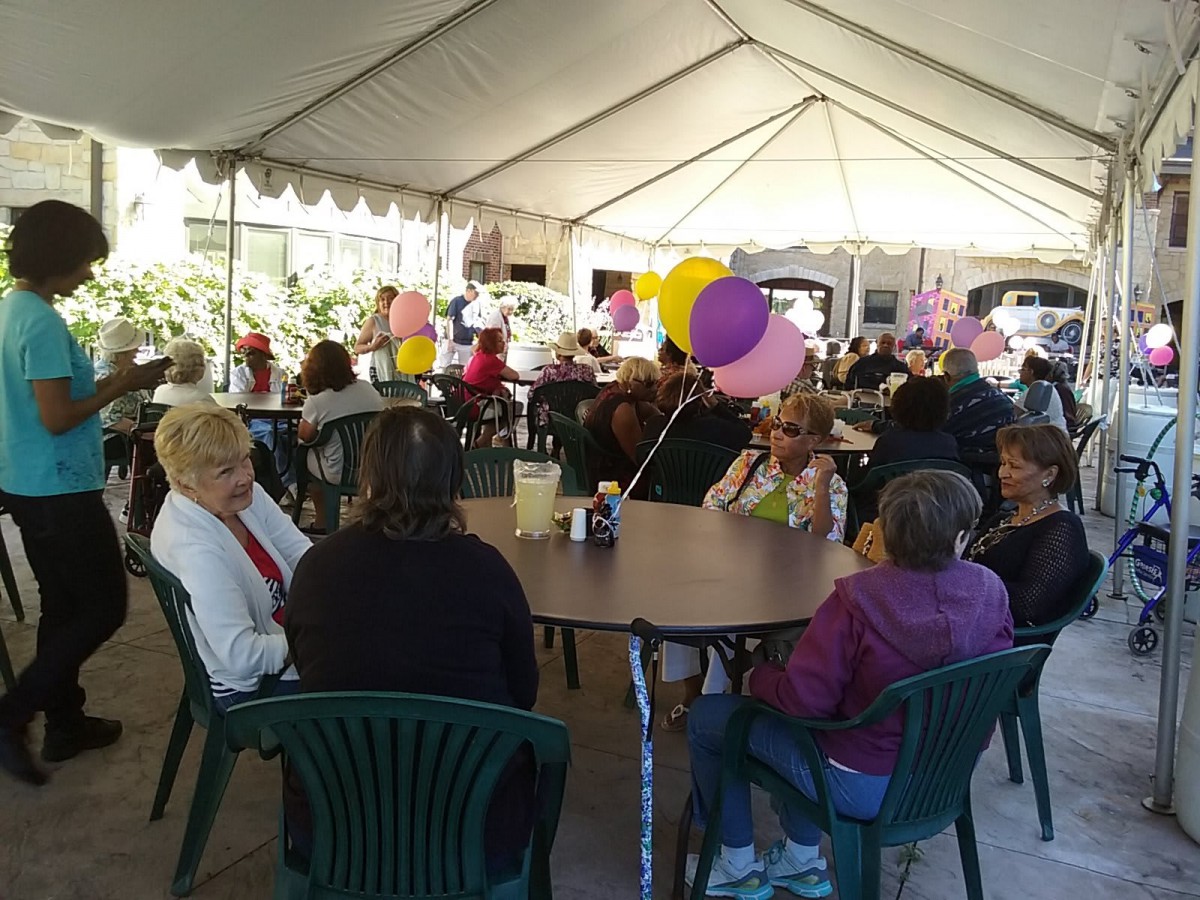
    A group of people enjoying a meal together under a tent, with balloons in the background.
  • Landscaping

    A beautifully landscaped garden with vibrant tulips in front of a charming building.
  • Kitchen

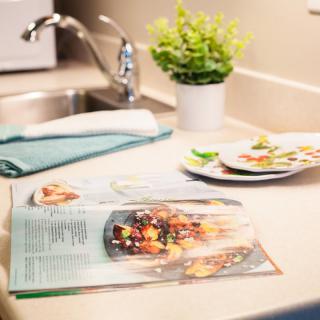
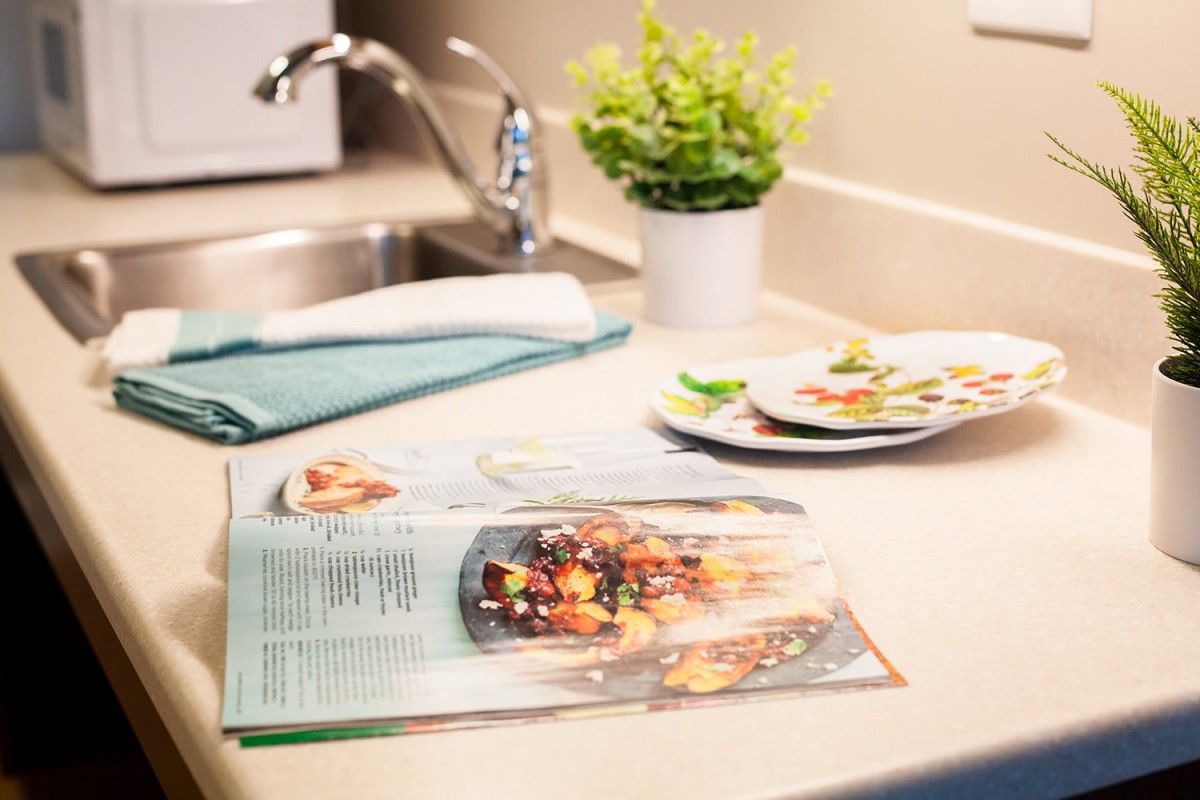
    A kitchen countertop with an open recipe book, a small plant, and clean dishes near the sink.
  • Garden

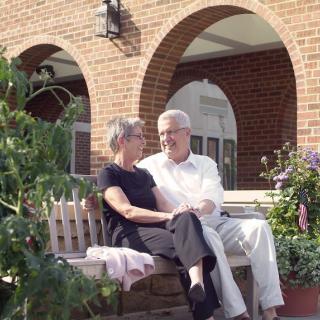
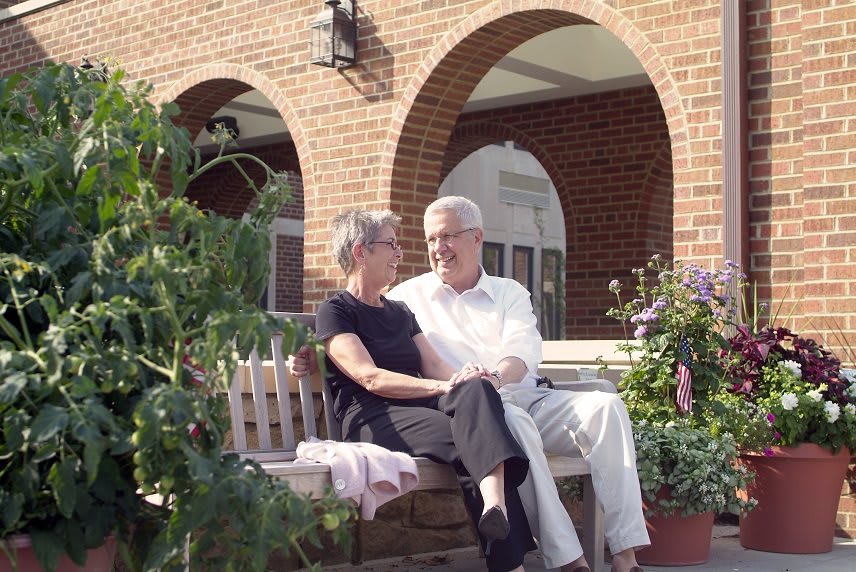
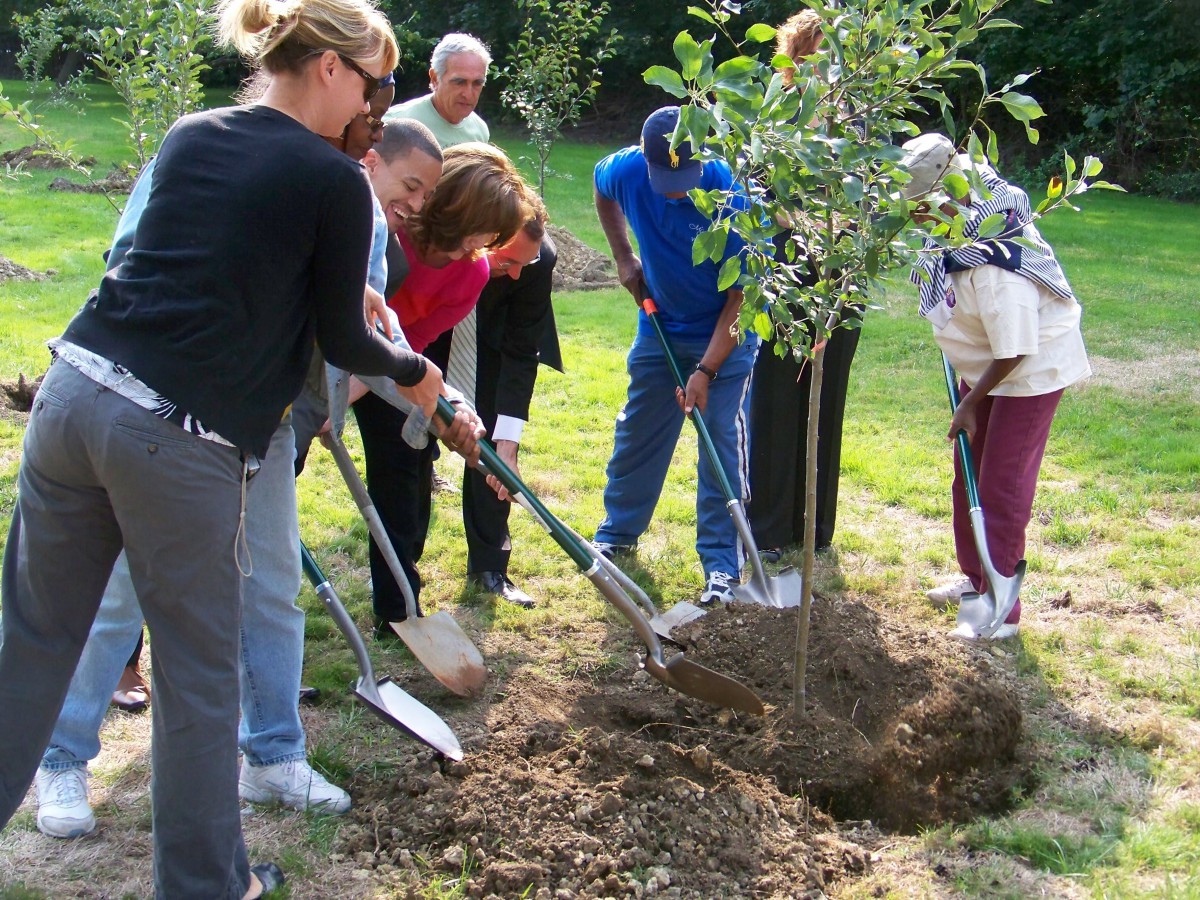
    An elderly couple sitting on a bench in a garden, enjoying a conversation.
  • Entrance

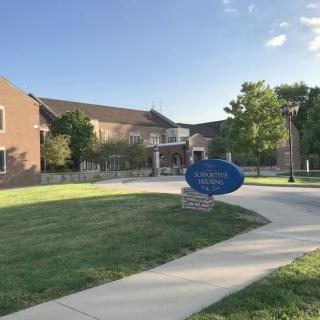
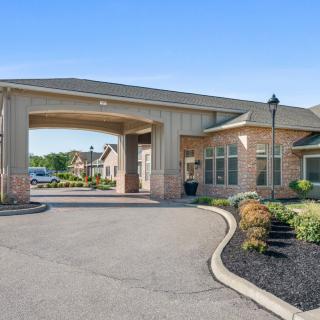
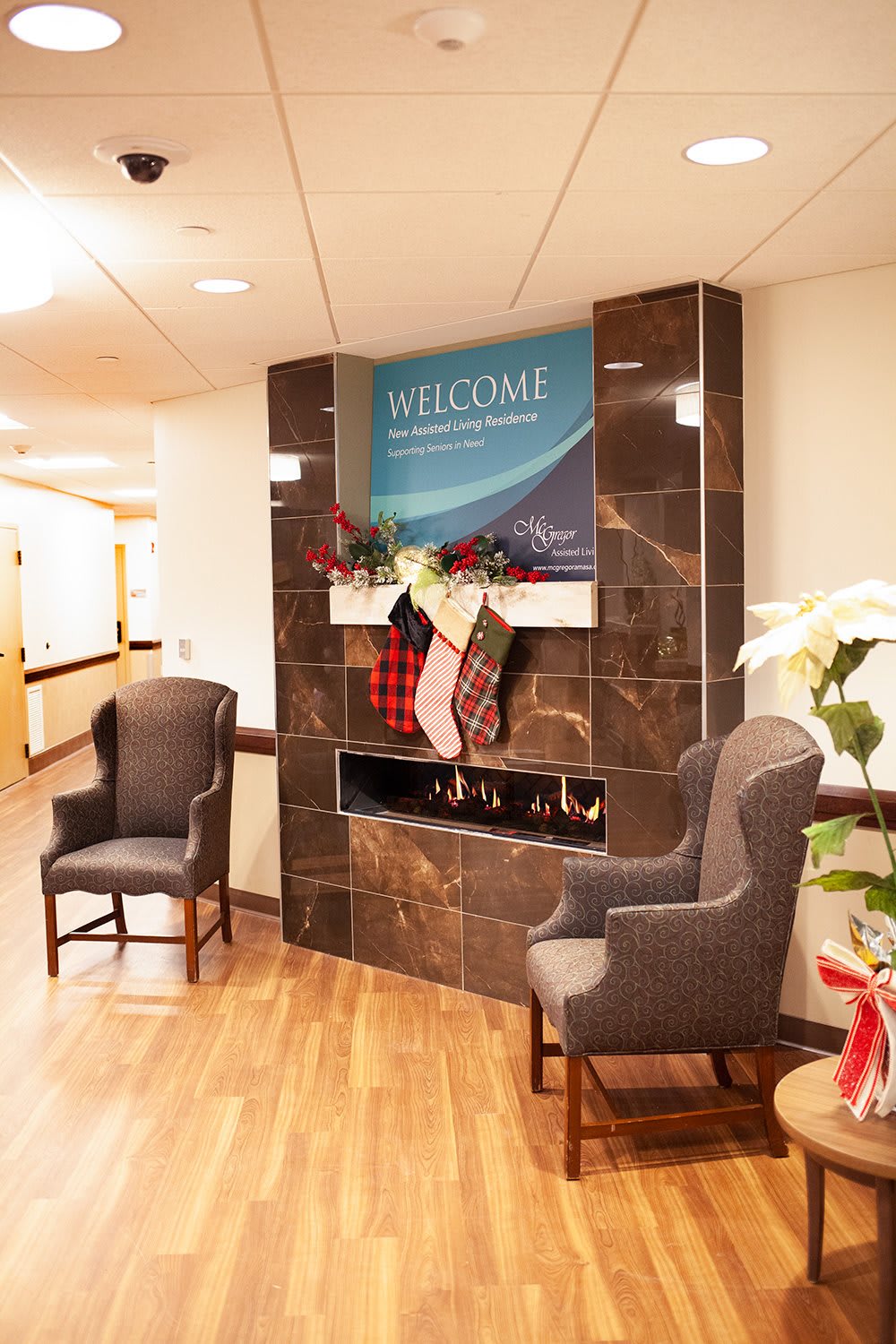
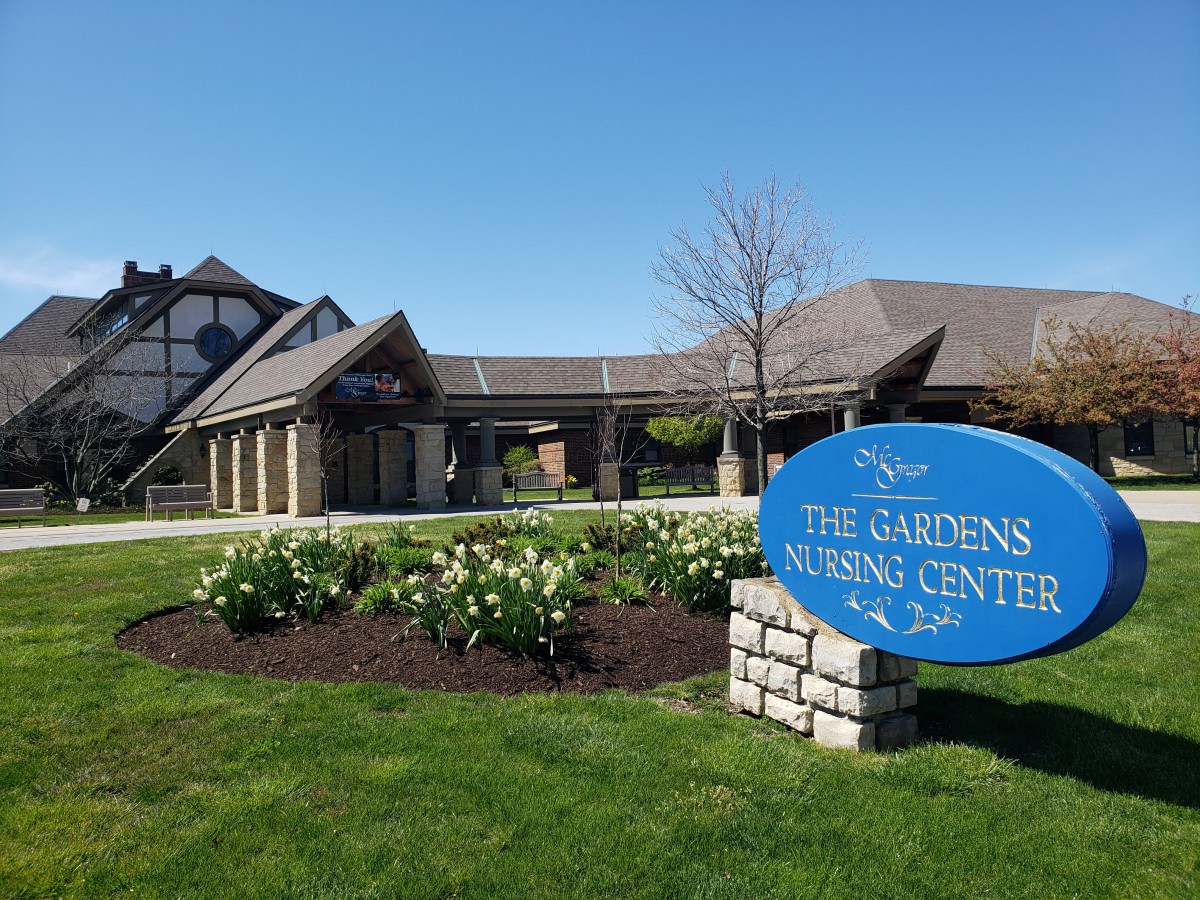
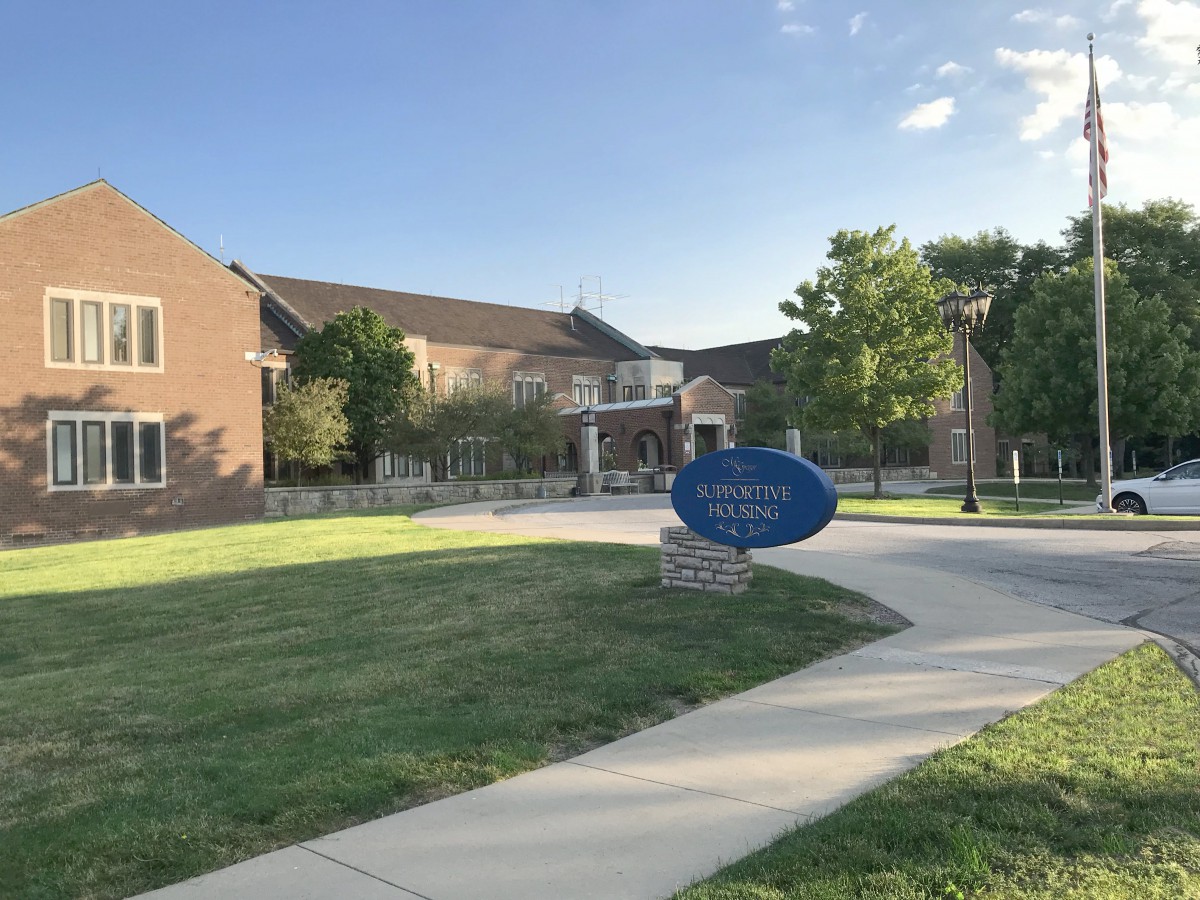
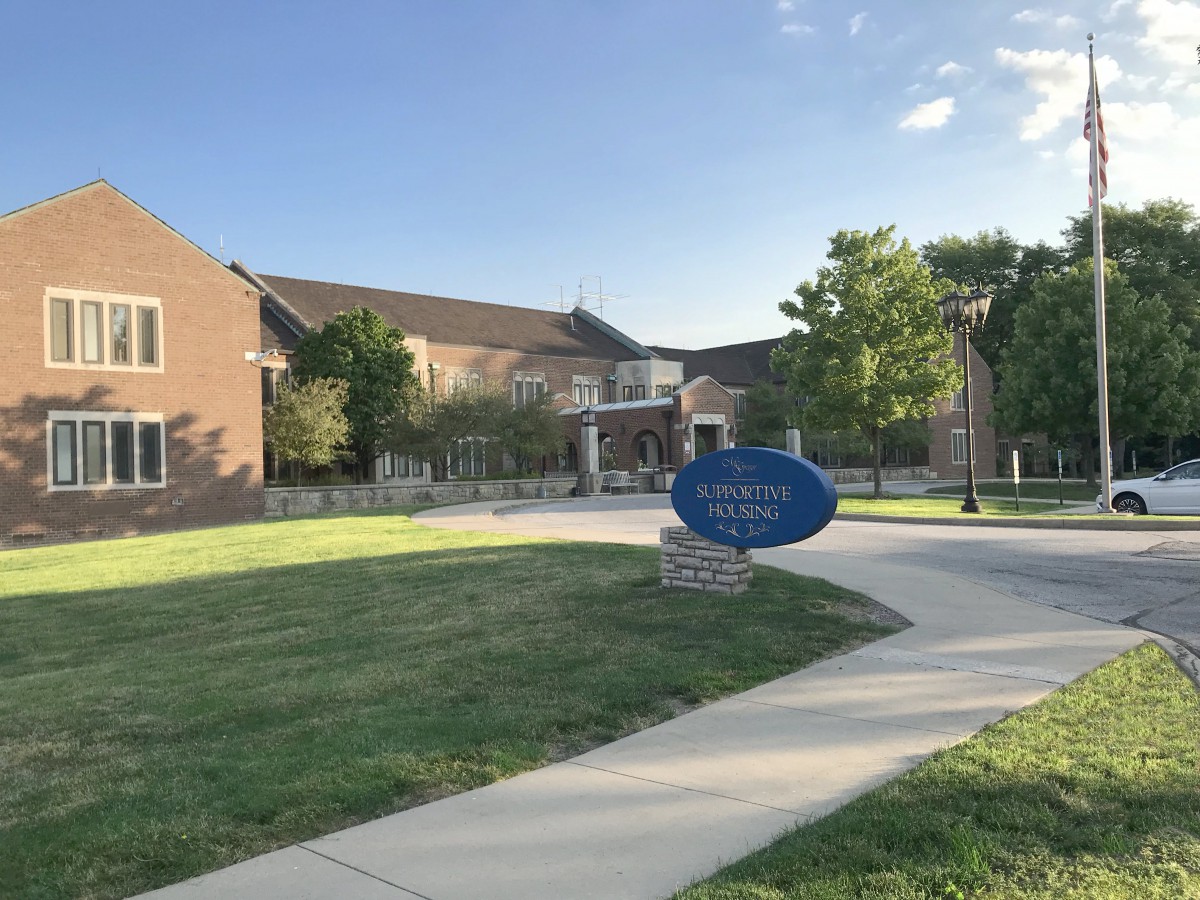
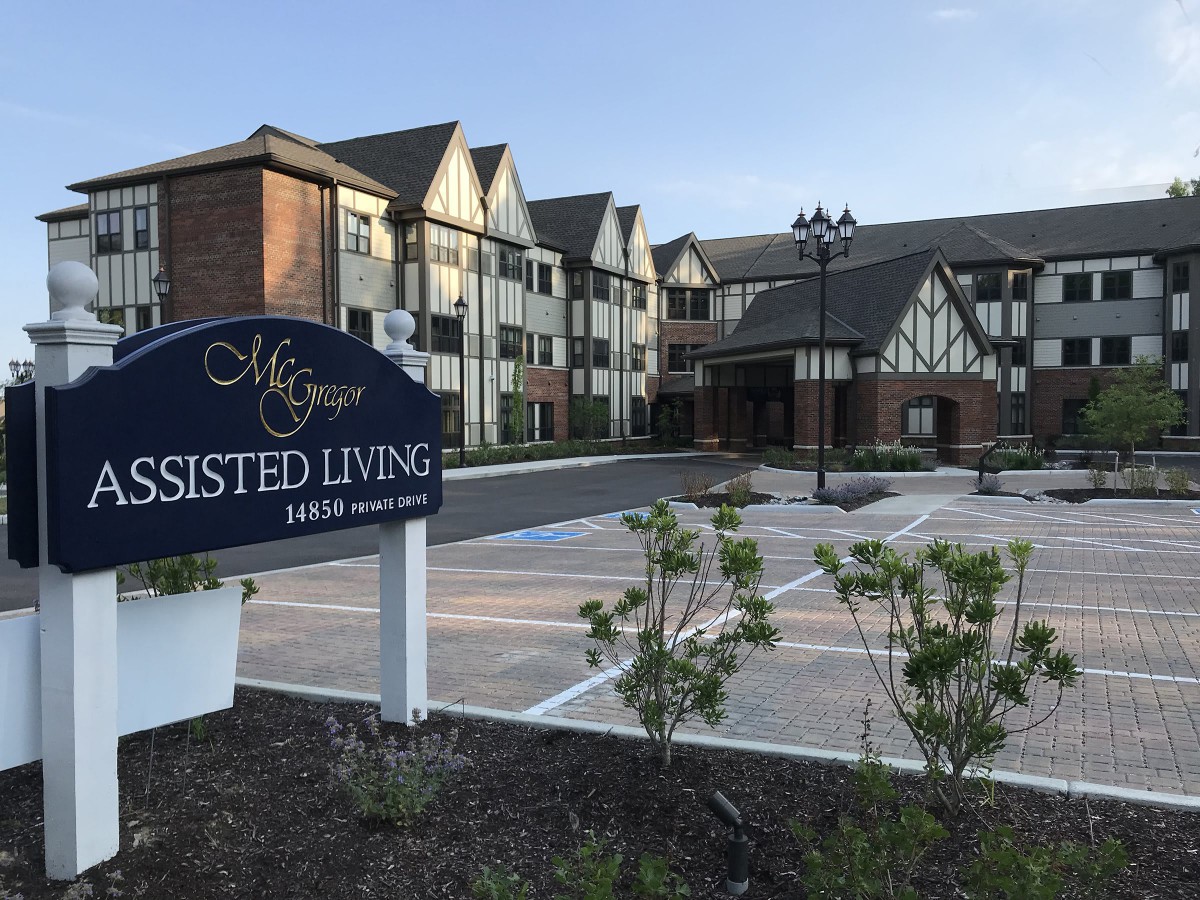
    Entrance to St. Norbert College with a curved pathway and blue sign.

The McGregor in Cleveland, OH

Information last verified:

14900 Private Drive, Cleveland, OH 44112

For more information about senior living options: (844) 490-3973

3.4 from 87 reviews
5 stars
40
4 stars
10
3 stars
8
2 stars
7
1 stars
22

The McGregor Costs & Pricing

The McGregor offers competitive pricing for its accommodations compared to both Cuyahoga County and the broader Ohio market. For a one-bedroom unit, residents enjoy a monthly cost of $1,550, which is significantly lower than the county average of $3,410 and the state average of $3,712. The two-bedroom option at The McGregor is equally attractive, priced at $2,550 - again well below Cuyahoga County's average of $3,458 and Ohio's average of $3,501. Studio apartments are available for $2,982, which also undercuts local and state averages of $3,632 and $3,727 respectively. This positioning not only highlights The McGregor's commitment to affordability but also underscores its value in providing comfortable living options without compromising on quality.

Floor plansThe McGregorCuyahoga CountyOhio
1 Bedroom$1,550$3,410$3,712
2 Bedrooms$2,550$3,458$3,501
Studio$2,982$3,632$3,727

Overall Review of The McGregor

Pros

  • pro The building is beautiful and the grounds are well maintained.
  • pro The staff are professional, compassionate, and consistently treat residents with kindness.
  • pro The environment is warm, welcoming, and feels like home for residents.
  • pro The therapy and activities programs are engaging and well organized, contributing to resident well‑being.
  • pro McGregor Independent Living is a supportive community where residents feel cared for and at ease.
  • pro GoM is a lovely facility with elegant furnishings, a chapel, and comfortable rooms, and is recognized as a Medicare 5‑star facility.
  • pro The staff at McGregor are patient, kind, and attentive, making residents feel appreciated and safe.
  • pro The management team is responsive and helpful during transitions and care planning.

Cons

  • pro The staff are rude and unprofessional, showing little empathy for residents.
  • pro Residents go 5+ hours without having briefs changed, indicating neglect.
  • pro There is poor communication with families, with little to no follow-up or updates.
  • pro The facility is severely understaffed, causing delayed responses and inadequate care.
  • pro The food is described as horrible, cold, or unappetizing at times.
  • pro There have been serious care lapses, including unaddressed wounds and improper medication administration.
  • pro Management is seen as demeaning and power-hungry, lacking accountability.
  • pro The location is in a dangerous, crime-ridden area, making visits feel unsafe.
  • pro The costs are extremely high, with rates among the highest in the region.

Review

The McGregor is best suited for seniors who prize a dignified, home-like campus with elegant public spaces, robust rehabilitation capabilities, and a lively but manageable social calendar. Independent living residents and families seeking a seamless move across care levels on one campus will find value in the breadth of programming, the well-kept grounds, and the sense of community that comes from a campus that feels less like a hospital and more like a residential retreat. It is especially attractive to those who want spacious, welcoming common areas, assertive therapy teams, and staff who can nudge a transition toward independence while remaining readily accessible. However, this community is not a one-size-fits-all solution; for loved ones who require unwavering, highly reliable daily care, or who carry concerns about staffing consistency, alternatives deserve serious consideration. Cost sensitivity also matters; the rate structure in this market can outpace some families’ budgets, making financial clarity essential before committing.

What stands out are the visible strengths that consistently surface in many positive reports. The building and grounds are repeatedly described as beautiful, with a sense of quiet, tasteful elegance that helps residents feel at home. The therapy and rehabilitation teams are frequently highlighted as competent, thorough, and focused on getting residents back to their best: a critical factor for families navigating post-hospital recovery or ongoing therapy needs. Independent living reviews repeatedly point to compassionate, accessible staff who check in with warmth, and several families praise the director and key managers who steer move-ins and ongoing care with responsiveness. Activities, trips, and social events, along with the peaceful atmosphere, contribute to a sense that life remains engaging and socially connected. For those who prize a campus that looks the part and functions as a supportive residential ecosystem, The McGregor delivers on ambiance, routine, and rehabilitative potential.

The flip side is substantial and cannot be ignored. The most persistent theme across reviews is staffing instability and uneven quality. Instances range from front-desk friction to aides and nurses who feel overwhelmed, overextended, or disengaged, leading to lapses in routine care, communication gaps with families, and delays in needed med administration. Several accounts describe seriously problematic episodes in respite or rehab settings, including wounds and discharges that did not meet expectations, underscoring the risk when supervision is not consistently reinforced. Management is a frequent focal point of concern, with critiques of accountability, responsiveness, and the ability to enforce standards among frontline staff. Food quality and the perceived adequacy of daily activities are cited too, though these tend to take a back seat to the core issue: reliability of care and timely communication.

Those pros do offset some of the cons for families who can pair the campus’s strengths with proactive oversight. When leadership remains engaged and a strong care team is in place, families report peace of mind from timely updates, visible compassion, and a clear pathway through independent living to assisted living or memory care on a single campus. The warm responses from certain staff members and the positive experiences of many residents suggest that, in the best shifts and with the right people in place, care at McGregor can be attentive and affectionate, with residents thriving in a structured, activity-rich environment. The presence of a capable rehabilitation program and the ability to tailor services to individual recovery plans remain compelling upsides that families can lean on during transitions.

Explicitly, this is not the right choice for every situation. Families managing loved ones who require steady, high-touch daily care with airtight communication and minimal risk of neglect should consider alternatives, especially if night staffing, consistent medication administration, or wound care oversight are non-negotiable. The East Cleveland location, while charming and spacious, also emerges in some reviews as a logistical or safety consideration for those worried about neighborhood dynamics or accessibility. For memory care or for patients with advanced dementia, the variability in staffing and frontline engagement raises meaningful questions about 24/7 reliability and the emotional tenor of daily interactions. And for families on tight budgets, the premium price point paired with the inconsistency chatter makes it prudent to compare cost-to-value with other options that may offer more predictable staffing patterns or more robust floor-level supports.

For families seriously weighing The McGregor, a practical due diligence path matters. Schedule face-to-face meetings with the administrator, tour the memory support and rehab areas during a typical day, and arrange to speak with multiple frontline staff and several residents or their families. Ask pointed questions about night shift coverage, incident reporting, turnover rates, and how management enforces care standards across floors. Observe how the front desk and care managers communicate with families; note whether updates feel proactive or reactive, and whether residents are engaged in meaningful activities rather than passive routines. If the answers align with a stable, accountable leadership culture and a demonstrable commitment to safety and dignity, The McGregor can indeed offer a compelling blend of elegance, independence, and rehabilitative strength. If not, alternatives that prioritize consistent staffing, transparent governance, and predictable daily care should take precedence.

Features

Housing

  • 38 resident community capacity 38 resident community capacity
  • 1-bedroom apartments 1-bedroom apartments1-bedroom apartments are important for seniors because they provide a sense of independence, privacy, and autonomy while still offering the necessary space for comfortable living. These apartments allow seniors to maintain their own personal space and lifestyle preferences in a supportive community setting.
  • 2-bedroom apartments 2-bedroom apartments2-bedroom apartments are important for seniors because they provide extra space for guests, hobbies, and caregivers, as well as potential for additional income through roommates or rental.
  • Studio apartments Studio apartmentsStudio apartments are important for seniors because they offer a smaller, more manageable living space that is easier to navigate and maintain as physical abilities decline. Additionally, studio apartments provide seniors with independence and privacy while still being part of a community that offers support and social opportunities.

Types of Care

  • Active Adult Communities (55+) Active Adult Communities (55+)Active Adult Communities provide seniors with opportunities for socialization, activities, and wellness programs tailored to their needs. These communities offer a sense of belonging and security while promoting an active and independent lifestyle for those aged 55 and older.
  • Assisted Living Assisted LivingAssisted living facilities provide crucial support and care for seniors who may need help with daily tasks such as medication management, bathing, and meal preparation. These communities offer a safe and comfortable environment where seniors can maintain their independence while receiving the assistance they need to thrive in their golden years.
  • Memory Care Memory CareMemory care is crucial for seniors as it provides specialized support and services for individuals with dementia or Alzheimer's disease. These programs offer a safe and secure environment where residents receive personalized care, cognitive stimulation, and help with daily activities. Memory care helps seniors maintain their independence, quality of life, and dignity while also providing peace of mind for their families.
  • Skilled Nursing Facility Skilled Nursing FacilitySkilled Nursing Facilities are crucial for seniors as they provide round-the-clock medical care, rehabilitation services, and assistance with daily activities. These facilities ensure that seniors receive the specialized care they need to maintain their health and well-being as they age.

Amenities

  • Activities on-site Activities on-siteActivities on-site are important for seniors because they provide opportunities for socialization, mental stimulation, physical activity, and overall well-being. Engaging in activities can help seniors stay active, maintain their independence, and improve their quality of life.
  • Air-conditioning Air-conditioningAir conditioning is important for seniors as they are more vulnerable to heat-related illnesses and may have underlying health conditions that make it difficult for them to regulate their body temperature. It helps to keep them comfortable, safe, and healthy in hot weather.
  • Beautician on-site Beautician on-siteHaving a beautician on-site at a senior living community is important for seniors as it allows them to easily access grooming and personal care services, boosting their self-esteem and overall well-being. It also provides convenience and helps seniors maintain their sense of independence and personal style.
  • Beauty salon Beauty salonBeauty salons are important for seniors because they provide a space for them to feel pampered, socialize, and maintain their personal grooming and hygiene. Regular visits to a beauty salon can help boost seniors' self-esteem and overall well-being.
  • Cable or satellite TV Cable or satellite TVCable or satellite TV is important for seniors because it provides entertainment, news, and companionship, helping to combat loneliness and boredom. It also offers a wide range of programming options tailored to different interests and preferences.
  • Devotional services on-site Devotional services on-siteDevotional services on-site provide seniors with spiritual support and a sense of community, as well as an opportunity for reflection and guidance during their senior living experience. This can promote emotional well-being and connection to others, leading to a more fulfilling and enriching lifestyle in their later years.
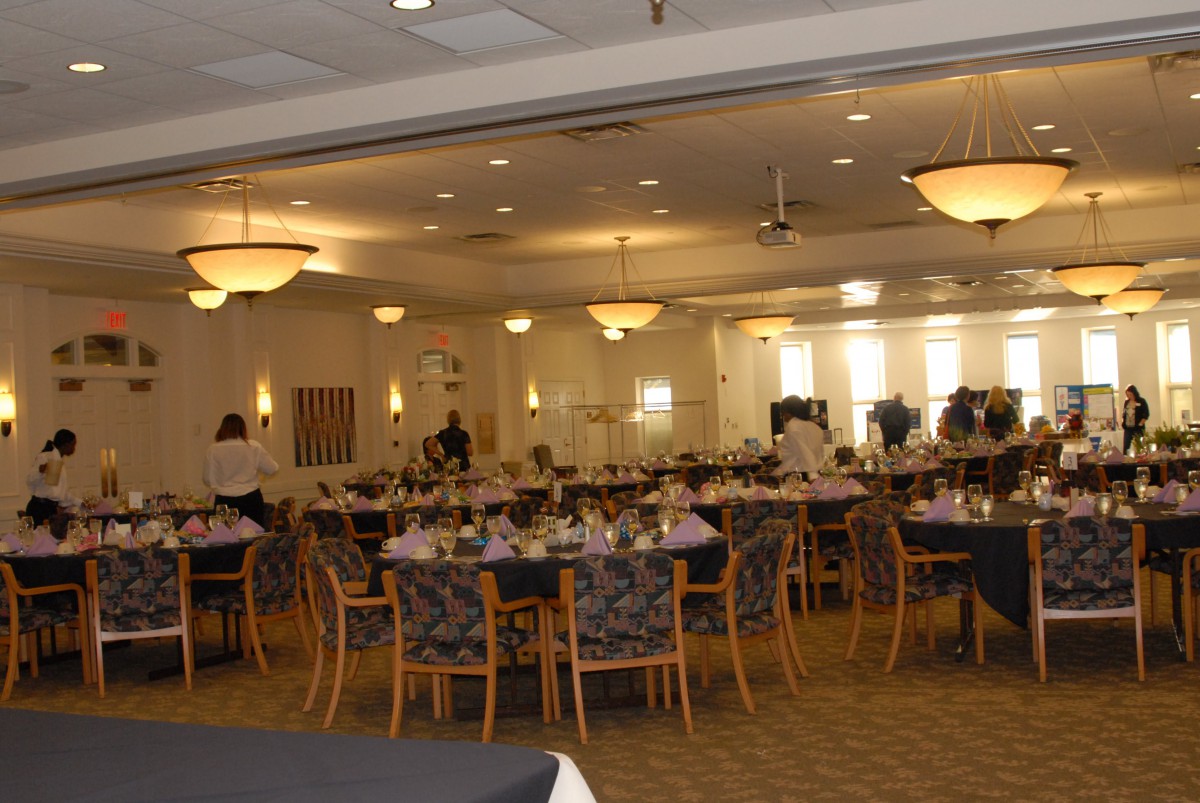
  • Dining room Dining roomDining rooms are important for seniors as they provide a space for socialization, connection, and nutritious meals. They offer opportunities for residents to bond over shared meals, foster a sense of community, and promote healthy eating habits. Dining rooms also ensure that seniors have access to well-balanced meals tailored to their dietary needs and preferences.
  • Full kitchen Full kitchenHaving a full kitchen in a senior living facility is important for seniors because it allows them to maintain their independence and prepare their own meals. This promotes healthy eating habits, saves money on dining out, and provides a sense of familiarity and comfort for residents.
  • Fully furnished Fully furnishedFully furnished senior living communities are important for seniors because they provide convenience, comfort, and a hassle-free moving experience. Seniors can easily settle into their new living space without the stress of having to buy and move furniture. This allows them to focus on enjoying their new home and community.
  • Garden GardenGardens are important for seniors as they provide a peaceful and therapeutic environment for relaxation, physical activity, and socialization. Being in nature has been shown to reduce stress, improve mood, and promote overall well-being. Gardens also offer opportunities for seniors to engage in gardening activities, which can improve mobility, flexibility, and cognitive function. Additionally, gardens create a sense of community and connection with others who share a passion for plants and outdoor spaces.
  • Ground floor units Ground floor unitsGround floor units are important for seniors because they provide easy accessibility, reduced risk of falls and injuries, and convenience for those with mobility issues. Seniors can avoid climbing stairs or using elevators, making daily tasks and activities more manageable and enjoyable.
  • Guasts at mealtime Guasts at mealtime"Guests at mealtime" offer seniors the opportunity for social interaction, companionship, and a sense of community during meals, which can help combat feelings of loneliness and isolation commonly experienced in senior living environments. It can also enhance their overall dining experience and improve their mental and emotional well-being.
  • Handicap accessible Handicap accessible"Handicap accessible" amenities are crucial for seniors to ensure they can easily navigate and access facilities, services, and activities without barriers or limitations due to physical impairments. This promotes independence, safety, and inclusivity for seniors in senior living communities.
  • Housekeeping services Housekeeping servicesHousekeeping services are important for seniors because they help maintain a clean and safe living environment, promote independence, and reduce the risk of accidents or illnesses. Additionally, having assistance with household chores can alleviate physical strain and allow seniors to focus on other aspects of their well-being.
  • Indoor common areas Indoor common areasIndoor common areas are crucial for seniors as they provide a space for socialization, recreation, and community engagement, promoting overall well-being and reducing feelings of isolation and loneliness.
  • Kitchenette KitchenetteKitchenettes are important for seniors living in senior living communities because they provide the convenience and independence of being able to prepare simple meals and snacks in the comfort of their own living space. This can help promote a sense of autonomy and well-being for seniors, allowing them to maintain some level of control over their dietary choices and daily routines.
  • Laundry LaundryLaundry services are important for seniors as they may have difficulty with physical tasks such as bending, lifting, or carrying heavy loads. Having access to laundry services can help seniors maintain personal hygiene, cleanliness, and independence in their daily lives.
  • Move-in coordination Move-in coordinationMove-in coordination is important for seniors because it helps ease the transition into their new living environment. It ensures that all logistics, such as packing, organizing movers, and setting up utilities are taken care of, allowing seniors to focus on settling in and adjusting to their new home. Having a smooth move-in process can alleviate stress and anxiety, making the transition smoother and more enjoyable for seniors.
  • Outdoor common areas Outdoor common areasOutdoor common areas are important for seniors as they provide a space for socialization, physical activity, and relaxation. Being outside in nature can improve mood and overall well-being, while also encouraging movement and engagement with others. These spaces can help combat feelings of isolation and promote a sense of community among residents.
  • Outdoor space Outdoor spaceOutdoor spaces are important for seniors as they provide opportunities for physical activity, social interaction, exposure to natural light and fresh air, and a sense of connection to nature. Having access to outdoor spaces can improve overall well-being and quality of life for older adults living in senior communities.
  • Party space Party spaceHaving access to party space is important for seniors as it provides opportunities for socialization, connection, and enjoyment. These spaces allow seniors to celebrate special occasions, host gatherings with friends and family, and participate in community events, enhancing their overall well-being and quality of life.
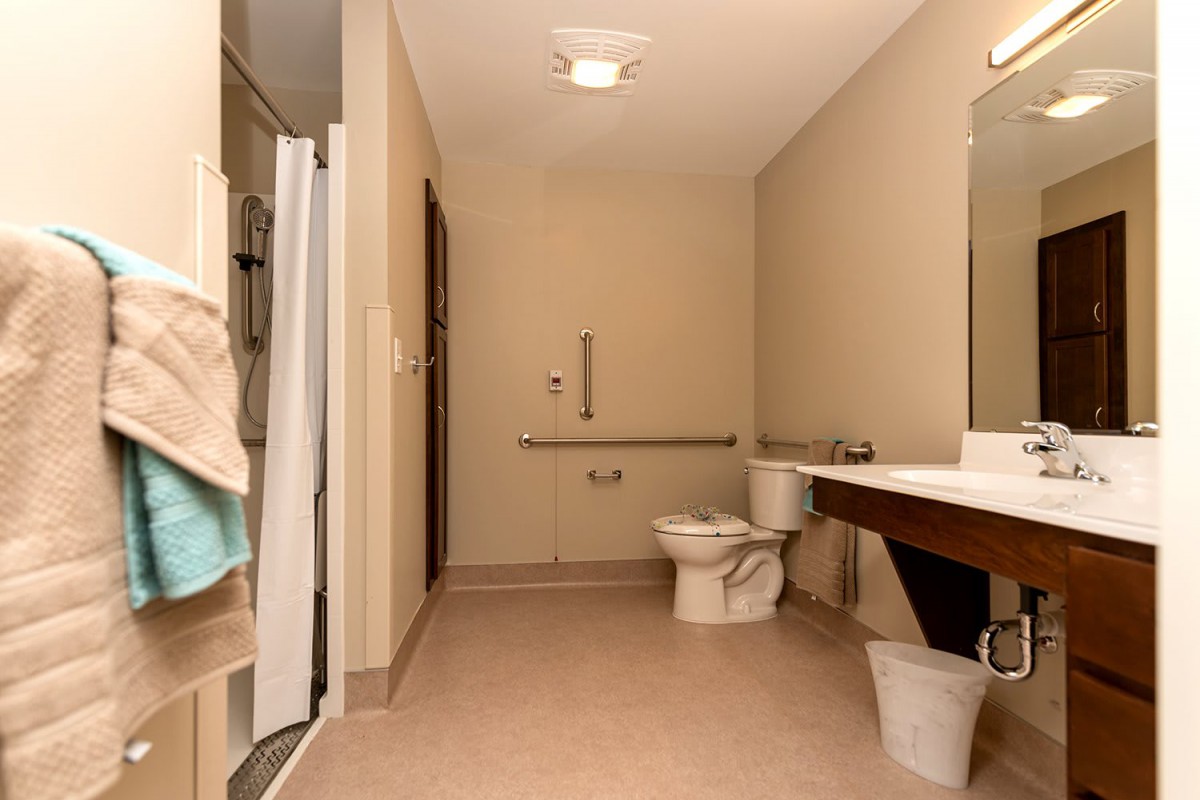
  • Private bathrooms Private bathroomsPrivate bathrooms are important for seniors in senior living communities because they provide independence, dignity, and comfort. Having a private bathroom allows seniors to maintain their personal hygiene routines without the need for assistance, promoting a sense of autonomy and privacy. Additionally, private bathrooms help prevent the spread of infections and provide a safe and clean environment for seniors to navigate safely.
  • Resident parking Resident parkingResident parking is crucial for seniors in a senior living community as it provides convenience, accessibility, and safety for residents who may have limited mobility or rely on personal vehicles for transportation. Having designated parking spaces ensures that seniors can easily access their homes without having to walk long distances or navigate crowded parking lots, ultimately enhancing their overall quality of life and sense of independence.
  • Respite or short term stays offered Respite or short term stays offeredRespite or short term stays provide seniors with a temporary solution when their regular caregiver is unavailable, offering them the opportunity to receive additional care and support during times of need, while also giving caregivers a chance to rest and recharge.
  • Restaurant-style dining Restaurant-style diningRestaurant-style dining is important for seniors because it allows them to enjoy delicious, nutritious meals in a social and upscale setting. This enhances their dining experience, promotes healthy eating habits, and fosters socialization with fellow residents, ultimately contributing to their overall well-being and quality of life.
  • Small library Small librarySmall libraries are important for seniors as they provide access to a variety of reading materials, including books, newspapers, and magazines. This can help stimulate their minds, keep them engaged, and provide a sense of community through book clubs and other social activities. Additionally, reading has been shown to improve cognitive function and overall mental well-being in older adults.
  • Telephone TelephoneTelephones are important for seniors as they provide a lifeline for communication with loved ones, emergency services, and healthcare providers. They offer a sense of security and independence, enabling seniors to stay connected and access assistance when needed.
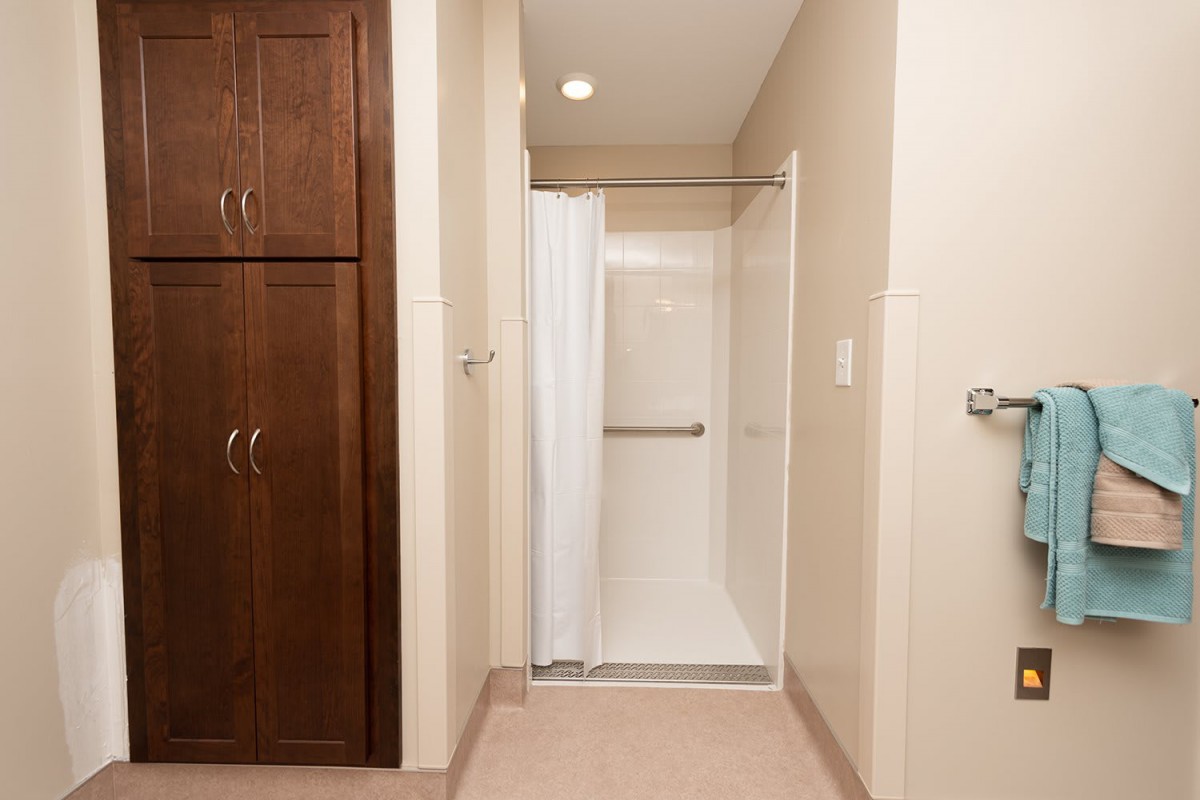
  • Wheelchair accessible showers Wheelchair accessible showersWheelchair accessible showers are crucial for seniors as they provide a safe and independent bathing option for those with mobility challenges. These showers help prevent falls and allow seniors to maintain their dignity and autonomy while ensuring they can bathe comfortably.
  • Wi-Fi/high-speed internet available Wi-Fi/high-speed internet availableWi-Fi/high-speed internet is important for seniors to stay connected with loved ones, access online resources, and participate in virtual activities to combat feelings of loneliness and isolation. It also allows them to easily manage healthcare needs, access entertainment, and engage in lifelong learning opportunities.

Transportation

  • Cleveland-Hopkins International (17 miles away) Cleveland-Hopkins International (17 miles away)
  • Transportation & parking Transportation & parkingTransportation and parking are vital for seniors as they offer access to essential services, activities, and social interactions. Reliable transportation options can help seniors maintain independence, stay connected within their community, and enjoy a higher quality of life. Additionally, convenient parking facilities ensure that seniors can easily access necessary resources and amenities without added stress or difficulty.

Care Services

  • 24-hour call system 24-hour call system24-hour call systems are important for seniors because they provide peace of mind and immediate assistance in case of emergencies. This technology ensures that help is always available, promoting safety and security for elderly individuals living alone or in assisted living facilities.
  • 24-hour supervision 24-hour supervision24-hour supervision is important for seniors to ensure their safety, well-being, and access to immediate assistance in case of emergencies or health issues. This constant support provides peace of mind for both seniors and their loved ones, allowing them to age in place with dignity and security.
  • Activities of daily living assistance Activities of daily living assistanceActivities of daily living assistance are important for seniors because they provide essential support with tasks such as eating, bathing, dressing, and mobility. This assistance helps seniors maintain their independence, dignity, and overall quality of life as they age.
  • Ambulatory care Ambulatory care"Ambulatory care services provide essential medical support and treatment to seniors without requiring hospitalization, allowing them to maintain their independence and quality of life while managing chronic conditions or receiving routine medical care."
  • Assistance with bathing Assistance with bathingAssistance with bathing is crucial for seniors as it helps maintain personal hygiene, prevents infections, and ensures their overall well-being and comfort. It also provides a sense of dignity and independence for seniors who may struggle with this task on their own.
  • Assistance with dressing Assistance with dressingAssistance with dressing is important for seniors because it helps maintain their independence, promotes personal hygiene, prevents accidents and injuries, and improves overall quality of life. This service ensures that seniors can continue to dress comfortably and confidently, despite any physical limitations they may have.
  • Assistance with transfers Assistance with transfersAssistance with transfers is crucial for seniors as it helps prevent falls and injuries, maintains their independence, and ensures they can safely navigate their living environment. It also provides peace of mind for both seniors and their loved ones.
  • Diabetes diet Diabetes dietA diabetes diet is crucial for seniors as it helps manage blood sugar levels, reduce risks of complications, and improve overall health and well-being. By following a balanced and nutritious diet tailored to their specific needs, seniors can better control their diabetes and enhance their quality of life.
  • Diabetic care Diabetic careDiabetic care is crucial for seniors as they are more susceptible to developing diabetes due to aging and other health conditions. Proper management of diabetes can help prevent complications such as heart disease, vision loss, and nerve damage, improving the overall quality of life for seniors in senior living communities.
  • High acuity care High acuity careHigh acuity care is important for seniors because it provides specialized medical attention and support for individuals with complex medical needs. This level of care ensures that seniors receive the appropriate treatment and assistance to maintain their health and quality of life as they age.
  • Hospice care Hospice careHospice care is important for seniors as it provides specialized end-of-life support, pain management, and emotional comfort for both the senior and their loved ones. It allows seniors to maintain dignity, receive personalized care, and spend their remaining time in a peaceful and comfortable environment.
  • Incontinence care Incontinence careIncontinence care is essential for seniors to maintain their dignity, hygiene, and overall quality of life. By addressing incontinence issues promptly and effectively, seniors can enjoy a sense of independence and comfort in their daily activities.
  • Meal preparation and service Meal preparation and serviceMeal preparation and service are crucial for seniors as they may have limited mobility or energy to cook nutritious meals. Having access to healthy and convenient food options can ensure they are getting the proper nutrition needed to maintain their overall health and well-being.
  • Medication management Medication managementMedication management is crucial for seniors to ensure they are taking the right medications at the correct dosages and times. This helps prevent adverse drug interactions, reduces the risk of medication errors, and promotes overall health and well-being. Proactive management also allows for adjustments as needed based on changing health conditions or new prescriptions.
  • Mental wellness program Mental wellness programMental wellness programs are essential for seniors as they promote cognitive stimulation, emotional support, and social engagement. These programs help prevent isolation, depression, and cognitive decline, ultimately enhancing the overall quality of life for older adults.
  • Mild cognitive impairment Mild cognitive impairment"Mild cognitive impairment" is important for seniors because it is an early stage of cognitive decline that can potentially progress to more severe conditions such as dementia. Recognizing and addressing mild cognitive impairment can help seniors receive appropriate care and support to maintain their quality of life and independence for as long as possible.
  • Physical therapy Physical therapyPhysical therapy is essential for seniors to maintain and improve their mobility, strength, and overall quality of life. It helps reduce pain, prevent falls, and enhance independence in daily activities. By promoting movement and function, physical therapy can help seniors stay active, healthy, and engaged in their communities.
  • Special dietary restrictions Special dietary restrictionsSpecial dietary restrictions are important for seniors because age-related changes in metabolism and health conditions can make it difficult for their bodies to process certain foods. By following a diet tailored to their specific needs, seniors can maintain their overall health and well-being, manage chronic conditions, and reduce the risk of complications such as malnutrition or food interactions with medications.
  • Specialized memory care programming Specialized memory care programmingSpecialized memory care programming is crucial for seniors with cognitive impairments such as dementia or Alzheimer's disease. These programs provide a safe and supportive environment tailored to the unique needs of individuals with memory loss, helping them maintain their independence, dignity, and quality of life.
  • Walking wheelchair assistance Walking wheelchair assistanceWalking wheelchair assistance is vital for seniors as it helps them maintain their independence and mobility. It provides support and stability, allowing them to safely navigate their surroundings and engage in daily activities without fear of falling or injury. This assistance can significantly improve their quality of life and overall well-being.

Dining

  • Diabetes diet Diabetes dietA diabetes diet is crucial for seniors as it helps manage blood sugar levels, reduce risks of complications, and improve overall health and well-being. By following a balanced and nutritious diet tailored to their specific needs, seniors can better control their diabetes and enhance their quality of life.
  • Gluten-free Gluten-freeGluten-free options are important for seniors as they are more prone to digestive issues and dietary sensitivities. Offering gluten-free meal choices in senior living communities can help improve their overall health and well-being.
  • Guest meals Guest mealsGuest meals are important for seniors living in senior living communities because they provide an opportunity for socialization and companionship. Sharing a meal with friends, family, or new acquaintances can help combat feelings of loneliness and isolation, promote a sense of community, and enhance overall well-being. Additionally, guest meals allow seniors to enjoy delicious food in a comfortable setting without the hassle of cooking or cleaning up, making dining a pleasurable and stress-free experience.
  • Low / no sodium Low / no sodiumLow/no sodium options are important for seniors because excessive sodium intake can lead to high blood pressure, heart disease, and other health issues commonly experienced by older adults. By choosing low/no sodium foods, seniors can better manage their health and reduce their risk of developing these conditions.
  • Meals provided Meals provided"Meals provided" are crucial for seniors in assisted living communities as it ensures they have access to nutritious, balanced meals without the stress of meal planning and preparation. This can help promote overall health and well-being for seniors who may have limited mobility or cognitive abilities.
  • No Sugar No SugarNo sugar diets are important for seniors because they can help prevent or manage chronic conditions such as diabetes, heart disease, and obesity. Sugar can also contribute to cognitive decline and inflammation in the body, so reducing sugar intake can lead to overall improved health and well-being in older adults.
  • Professional chef Professional chefProfessional chefs are important for seniors living in senior living communities because they provide nutritious and delicious meals that cater to their dietary needs and preferences. A professional chef can ensure that seniors are receiving balanced, flavorful meals that support their overall health and well-being.
  • Restaurant style dining Restaurant style diningRestaurant style dining is important for seniors as it offers them a social and enjoyable dining experience, promotes healthy eating habits, and provides personalized menu options to cater to their dietary needs and preferences. This type of dining setting can enhance their overall quality of life and create a sense of community within the senior living facility.
  • Special dietary restrictions Special dietary restrictionsSpecial dietary restrictions are important for seniors because age-related changes in metabolism and health conditions can make it difficult for their bodies to process certain foods. By following a diet tailored to their specific needs, seniors can maintain their overall health and well-being, manage chronic conditions, and reduce the risk of complications such as malnutrition or food interactions with medications.
  • Vegan VeganVegan diets can provide numerous health benefits for seniors, including lower risk of chronic diseases, improved digestion, and increased energy levels. Additionally, plant-based diets are often rich in essential nutrients that can support overall well-being and longevity in older adults.
  • Vegetarian VegetarianA vegetarian diet is important for seniors because it can help lower the risk of chronic diseases, maintain a healthy weight, and provide essential nutrients needed for aging bodies. Additionally, plant-based diets are often easier on digestive systems and can contribute to overall well-being in older adults.

Activities

  • Activities off-site Activities off-siteActivities off-site are crucial for seniors as they provide opportunities for socialization, mental stimulation, and physical activity outside of their usual routine. This helps combat feelings of isolation and boredom, promotes overall well-being, and allows seniors to remain engaged in the community.
  • Art classes Art classesArt classes are important for seniors because they provide a creative outlet, improve cognitive function, reduce stress and anxiety, promote socialization, and enhance overall well-being and quality of life.
  • Bible study group Bible study groupBible study groups provide seniors with a sense of community, spiritual growth, and support during their later years. It helps them stay connected to their faith, find comfort in difficult times, and build meaningful relationships with others.
  • Catholic services Catholic servicesCatholic services are important for seniors because they provide spiritual support, a sense of community, and opportunities for social interaction that can enhance overall well-being and quality of life in their later years.
  • Community-sponsored activities Community-sponsored activitiesCommunity-sponsored activities are important for seniors as they provide opportunities for social interaction, mental stimulation, and physical activity. These activities can help improve overall well-being, combat loneliness and isolation, and promote a sense of belonging and purpose among older adults.
  • Day trips and outings Day trips and outingsDay trips and outings are important for seniors as they provide opportunities for socialization, mental stimulation, physical activity, and a break from daily routines. These experiences can enhance overall well-being and quality of life for older adults living in senior communities.
  • Devotional activities on-site Devotional activities on-siteDevotional activities on-site provide seniors with a sense of community, spiritual fulfillment, and emotional support, promoting overall well-being and a positive sense of purpose in their lives.
  • Educational speakers / life long learning Educational speakers / life long learningEducational speakers and lifelong learning opportunities are crucial for seniors as they provide mental stimulation, promote social engagement, and contribute to overall well-being. Continuous learning helps seniors stay mentally sharp, build new skills, and maintain a sense of purpose and fulfillment in their lives. It also allows them to stay connected to the world around them and fosters a sense of community within senior living facilities.
  • Fitness programs Fitness programsFitness programs are crucial for seniors as they help improve strength, flexibility, balance, and overall well-being. Staying active can reduce the risk of chronic diseases, improve mental health, and enhance quality of life in older adults.
  • Happy hour Happy hourHappy hour is important for seniors as it provides a social activity that promotes camaraderie and reduces feelings of loneliness or isolation. It also offers an opportunity for older adults to relax, unwind, and enjoy some drinks or snacks in a fun and welcoming atmosphere.
  • Karaoke KaraokeKaraoke provides seniors with a fun and social activity that can boost mood, confidence, and cognitive function. It encourages social interaction, physical movement, and creative expression, making it an important form of entertainment for senior living communities.
  • Live well programs Live well programs"Live well programs are essential for seniors as they provide opportunities for physical activity, social engagement, and mental stimulation, ultimately promoting overall health and well-being in later years."
  • Protestant services Protestant servicesProtestant services are important for seniors because they provide spiritual nourishment, community support, and a sense of belonging. These services can help seniors connect with others who share their faith, find comfort and guidance in times of need, and maintain a sense of purpose and fulfillment in their later years.
  • Religious services Religious servicesReligious services provide seniors with a sense of community, support, and spiritual fulfillment, which can improve their overall well-being and mental health. It also offers them opportunities for socialization and connection with others who share their beliefs.
  • Resident-run activities Resident-run activitiesResident-run activities are important for seniors as they encourage social interaction, creativity, and a sense of autonomy. These activities empower seniors to stay engaged and active in their community while fostering meaningful connections with their peers.
  • Scheduled daily activities Scheduled daily activitiesScheduled daily activities are important for seniors because they provide structure, socialization, mental stimulation, and physical activity. Engaging in regular activities can improve overall well-being and quality of life for seniors living in a community setting.
  • Visiting Rabbi Visiting Rabbi"Visiting rabbis provide spiritual and emotional support to seniors in assisted living communities, helping them connect with their faith, find comfort in times of need, and maintain a sense of community and belonging."
  • Visiting chaplain or priest Visiting chaplain or priestHaving a visiting chaplain or priest at a senior living community is important for seniors because it provides spiritual support, comfort, and guidance during a time of life that can be challenging and uncertain. Their presence can help seniors feel connected to their faith, find peace of mind, and cope with the emotional and mental struggles they may face in their later years.
  • Wine tasting Wine tastingWine tasting can be a fun and social activity for seniors, allowing them to engage their senses, learn about different varieties of wine, and potentially meet new friends. It also offers health benefits such as improved cognitive function and reduced risk of heart disease when consumed in moderation.

Languages Spoken

  • English EnglishEnglish is important for seniors as it allows them to communicate effectively with healthcare providers, understand important information related to their health and medications, stay connected with loved ones, and engage in social activities within their communities. It also opens up opportunities for lifelong learning and intellectual stimulation.

Description

The McGregor in Cleveland, OH is a vibrant assisted living community offering comfortable and spacious 2-bedroom apartments and studio apartments for seniors looking for a supportive and enriching environment. With a range of care options including assisted living, memory care, and skilled nursing facility, residents can receive the level of care that best suits their needs.

The community boasts an array of amenities designed to enhance the resident's quality of life. Each apartment features air-conditioning, fully furnished interiors, private bathrooms, and kitchenettes or full kitchens for those who prefer to cook their own meals. The beautifully maintained garden and outdoor spaces provide opportunities for relaxation and socializing.

Residents can enjoy delicious meals in the dining room with restaurant-style dining provided by a professional chef. Special dietary restrictions such as gluten-free, low/no sodium, vegan, or vegetarian options are also available. Additionally, guests are welcome to join residents during mealtime to foster social connections.

To ensure the well-being of residents, The McGregor offers 24-hour supervision and assistance with activities of daily living such as bathing, dressing, transfers, and medication management. For those with specific medical needs like diabetes or cognitive impairments, specialized care is provided along with mental wellness programs and physical therapy.

Keeping residents engaged and entertained is a priority at The McGregor. A variety of activities are offered such as art classes, fitness programs, educational speakers/life-long learning sessions, religious services from different denominations like Catholic and Protestant services on-site or visits from visiting chaplains or priests. Residents can also participate in resident-run activities or enjoy outings to nearby parks or visit local cafes and restaurants.

With convenient access to nearby parks, pharmacies, physicians' offices, restaurants places of worship, and hospitals within close proximity The McGregor offers convenience for both residents and their families.

If you are searching for an assisted living community that provides personalized care in a warm and welcoming environment while offering various amenities and engaging activities to promote overall well-being, The McGregor in Cleveland, OH is the ideal choice.

Nearby Places of Interest

This part of Cleveland, Ohio offers a convenient and diverse range of amenities for seniors looking to reside in the area. With multiple pharmacies such as the Cleveland Clinic Health Center and Walgreens nearby, easy access to healthcare essentials is readily available. Restaurants like bd's Mongolian Grill and Boss Dog Brewing Co. provide a variety of dining options for residents to enjoy. The presence of parks like Coventry PEACE Park and Anderson Field offer opportunities for outdoor recreation and relaxation. In terms of medical care, reputable facilities such as the Louis Stokes Cleveland VA Medical Center and University Hospitals are within close proximity. Additionally, various places of worship cater to spiritual needs, while cafes like Starbucks offer cozy spots for social gatherings. Overall, this neighborhood presents a well-rounded environment with necessary services tailored towards senior living.

Pharmacies

  • Cleveland Clinic - Stephanie Tubbs Jones Health Center (0.7 miles)
  • Walgreens (1.2 miles)
  • Marc's Stores (1.5 miles)
  • CVS Pharmacy (1.6 miles)
  • CVS Pharmacy (2.1 miles)
  • Rite Aid (2.2 miles)
  • Walmart Pharmacy (2.3 miles)

Restaurants

  • McDonald's (0.8 miles)
  • bd's Mongolian Grill (1.6 miles)
  • Burger King (1.6 miles)
  • Boss Dog Brewing Co. (2.2 miles)
  • New Heights Grill (2.2 miles)
  • McDonald's (2.9 miles)
  • Taco Bell (3.1 miles)

Parks

  • Coventry PEACE Park (1.6 miles)
  • Desan Park (3.6 miles)
  • Anderson Field (3.7 miles)
  • Oakville Road Park (5.5 miles)
  • Whiteford Park (6.3 miles)
  • Willard Park (6.4 miles)
  • The Cleveland Mall (6.5 miles)

Physicians

  • Cleveland Clinic Severance Medical Arts (1.7 miles)
  • Cleveland Clinic - Cole Eye Institute (2.9 miles)
  • Cleveland Clinic - Taussig Cancer Center (3 miles)
  • University Suburban Health Center (3.1 miles)
  • Cleveland Clinic R Building - Cleveland Clinic Children's Outpatient Center (3.2 miles)
  • Cleveland Clinic - Mellen Center (3.3 miles)
  • Senders Pediatrics (3.3 miles)

Places of Worship

  • South Euclid United Church of Christ (2.3 miles)
  • Messiah Luth Church of Lyndhurst (4.3 miles)
  • St Clare's Church (5.1 miles)
  • Temple Israel Ner Tamid (5.8 miles)

Hospitals

  • Louis Stokes Cleveland VA Medical Center (2.4 miles)
  • Cleveland Clinic - W.O. Walker Center (2.9 miles)
  • Cleveland Clinic Children's Hospital Rehabilitation Center (3.8 miles)
  • University Hospitals (4.7 miles)
  • St Vincent Charity Medical Center (5.7 miles)
  • University Hospitals Ahuja Medical Center (6.8 miles)

Cafes

  • Starbucks (2.7 miles)
  • Starbucks (5.4 miles)
  • Starbucks (6 miles)

Transportation

  • Greyhound Station (5.9 miles)
  • Cleveland Burke Lakefront Airport (6.2 miles)

Frequently Asked Questions

How much does it cost to live at The McGregor in Cleveland, OH?
What floor plans and room types does The McGregor offer?
Where is The McGregor?
Does The McGregor provide care for residents with dementia or Alzheimer's disease?
What photos are available for The McGregor in Cleveland, Ohio?

Nearby Communities

  • Mcgregor Assisted Living

    Mcgregor Assisted Living

    East Cleveland, OH

    3.7 from 55 reviews
     

    pro Welcoming independent living with extensive on-site amenities and easy access to adjacent assisted and nursing care.

  • Answered Prayers Inc.

    Answered Prayers Inc.

    East Cleveland, OH


    pro Excellent access to local amenities (17 restaurants, 3 parks, 22 pharmacies, and 4 hospitals within reach).

  • Loc's lV

    Loc's lV

    Cleveland, OH

    5 from 1 review
     

    pro Strong access to healthcare and local amenities.

  • Terrace Tower

    Terrace Tower

    Cleveland, OH

    1.7 from 6 reviews
     

    pro Excellent location with quick access to healthcare, dining, parks, and places of worship.

  • Candlewood Healthcare And Rehabilitation

    Candlewood Healthcare And Rehabilitation

    East Cleveland, OH

    2.7 from 41 reviews
     

    pro Extensive amenities and comprehensive care

  • Anointed Gates Family Home

    Anointed Gates Family Home

    East Cleveland, OH

    4.3 from 7 reviews
     

    pro Convenient access to healthcare, dining, worship, parks, and social activities with personalized care.

  • Council Gardens

    Council Gardens

    Cleveland Heights, OH

    4.5 from 40 reviews
    $553 / month

    pro Vibrant social life and engaging activities with a strong sense of community.

  • Judson Park

    Judson Park

    Cleveland, OH

    4.3 from 41 reviews
    $1,900 to $8,274 / month

    pro Vibrant community with caring staff and diverse activities.

  • Singleton Health Care Center

    Singleton Health Care Center

    Cleveland, OH

    4.1 from 19 reviews
     

    pro Engaging, home-like environment with attentive staff and diverse activities.

Related Resources

  • when to move from assisted living to memory careWhen to Transition from Assisted Living to Memory Care: Key Indicators, Steps, and Finding the Right Community

    Transitioning from assisted living to memory care is driven by an individual's cognitive decline and specific needs, requiring careful evaluation of indicators like increased confusion and wandering. The process involves consulting medical professionals, researching suitable communities, considering financial and legal aspects, and ensuring effective communication for personalized care plans.

  • assisted living vs memory careUnderstanding the Distinctions: Assisted Living and Memory Care Explained

    The article differentiates between assisted living and memory care, explaining that assisted living supports seniors with daily activities while promoting independence, whereas memory care provides specialized services for individuals with dementia, focusing on secure environments and cognitive support. It also addresses staff training, safety considerations, costs, family involvement, and transition strategies for families navigating these care options.

  • how to talk to someone with dementiaHow to Communicate with a Loved One Living with Dementia: 10 Supportive Strategies
    The article outlines effective communication strategies for interacting with loved ones with dementia, highlighting the need for empathy, patience, and understanding while emphasizing supportive approaches like using simple language, minimizing distractions, and focusing on feelings over facts to maintain dignity and foster connection. It also suggests seeking professional guidance when needed as communication challenges evolve.