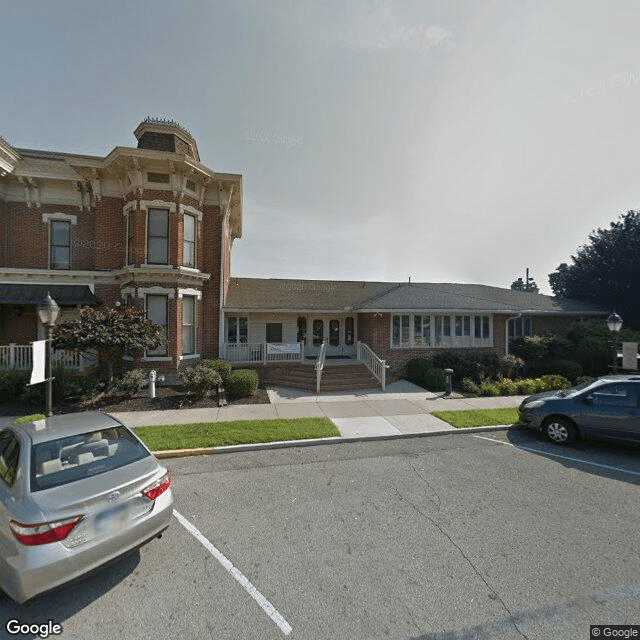
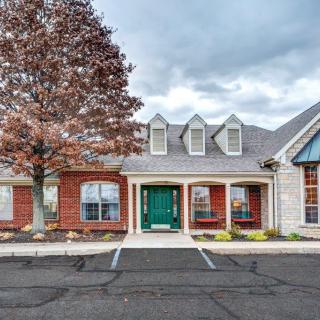
158 East Mound Street, Circleville, OH 43113
For more information about senior living options: (866) 208-4318
Brown Memorial Home Costs & Pricing
Brown Memorial Home offers a range of living arrangements at competitive prices compared to both Pickaway County and the state of Ohio. For those considering semi-private accommodations, Brown Memorial Home's monthly cost of $2,250 is notably lower than the county average of $2,503 and significantly less than the state average of $3,965. Studio apartments are also affordably priced at $2,550, making them an attractive option relative to the higher costs in Pickaway County ($3,304) and statewide ($3,727). While the prices for one-bedroom units at Brown Memorial Home may appear higher at $4,500 compared to the county's $3,537 and Ohio's $3,712 averages, this discrepancy reflects the unique amenities and quality of care that residents receive. Lastly, private rooms are offered at $5,100; although this figure exceeds both local ($6,440) and state ($4,771) rates, it underscores an emphasis on personalized care within a welcoming environment. Overall, Brown Memorial Home presents a balanced offering that combines value with quality service across its various room types.
| Floor plans | Brown Memorial Home | Pickaway County | Ohio |
|---|---|---|---|
| Semi-Private | $2,250 | $2,503 | $3,965 |
| Studio | $2,550 | $3,304 | $3,727 |
| 1 Bedroom | $4,500 | $3,537 | $3,712 |
| Private | $5,100 | $6,440 | $4,771 |
Skilled Nursing Facilities with a similar price nearby
-
from +$182 / mo
Carroll Place
$2,432 to $4,742 / month18.5 miles away -
from -$252 / mo
Carriage Court of Lancaster
$1,998 to $3,240 / month17.7 miles away -
from +$104 / mo
Gardens of Scioto
$2,354 to $3,905 / month19.6 miles away -
from -$260 / mo
The Wyngate at Circleville
$1,990 to $2,395 / month1.7 miles away -
from -$300 / mo
National Church Residences Of Chillicothe
$1,950 to $3,928 / month18.5 miles away
Overall Review of Brown Memorial Home
Pros
 The staff truly cares for residents, creating a warm, welcoming atmosphere.
- Leadership and front-office staff guide families through transitions with compassion.
- The team is consistently friendly, keeping residents clean and engaged with activities and outings.
- The facility provides transportation to appointments and hosts church services, live music, Bingo, and community events.
- Families receive accurate information about appointments and health concerns.
- The community feels like extended family to residents and their loved ones.
- The home is lovingly tended, warm, and beautifully kept.
Cons
 The reviewers describe the facility as absolutely awful, saying they wouldn’t board a dog there, let alone a loved one.
- The staff are described as unfriendly and uncaring.
- Call lights are ignored and showers are not completed, with residents allegedly refused care they were never asked for.
- The facility is dirty and not maintained, with frequent infection outbreaks such as Covid.
- The place is described as very toxic.
- Visitors note the entry smells like dirty diapers, and the rooms are hospital-like with minimal comforts.
- Residents are reportedly not bathed regularly, with infrequent turning and only one bath per week for many bed-bound individuals.
- Short-staffing, high turnover, poor internal promotion, lack of communication, and shady business practices are cited, leading to a recommendation not to choose the facility.
Review
Brown Memorial Home in Circleville is best suited for families seeking a warm, community-oriented environment where residents are regularly engaged in social activities, outings, and spiritual life. The emphasis here is on interpersonal connection and a home feel, rather than clinical polish or luxury amenities. For loved ones who thrive on daily interaction with staff and peers, and who value accessible transportation, routine events, and familiar routines, this facility can deliver meaningful quality of life. However, it is not the ideal choice for those requiring consistently high staffing reliability, rigorous cleanliness standards, and tightly controlled clinical oversight. In short, this community favors warmth and engagement, with the trade-off being potential variability in day-to-day care.
On balance, the strongest positives center on genuine care and capacity to build meaningful relationships. Several staff members, from aides to social workers and administrators, are praised for their kindness and familiarity with residents, turning the place into an extended family for many. Instances of practical support stand out: transition guidance during a difficult placement, timely rides to medical appointments, and abundant in-house activities, crafts, church services, live music, and seasonal events that keep residents socially anchored. The sense that staff see residents as people with histories and preferences rather than tasks to complete is repeatedly highlighted by those who visit or observe care over time.
Yet the praise sits alongside a troubling chorus of recurring concerns that cannot be dismissed. A substantial portion of critiques describes a work environment marked by short-staffing and high turnover, which translates into inconsistent responsiveness and care gaps. Reports of call lights going unanswered, showers unfinished, and hygiene lapses, paired with criticisms about dirty conditions and infrequent assistance with baths or daily grooming, paint a picture of uneven quality. Several reviewers question the reliability of management and communication, noting discord between what is promised and what occurs, as well as a perception of cost-cutting that undermines daily safety and dignity.
The tension between the positive relational culture and the negative operational realities is what drives the crucial decision point. When a family can verify that the intimate, resident-centered approach is consistently supported by sufficient staffing, clear communication, and clean, well-maintained spaces, the pros can outweigh the cons. The facility’s ability to provide social stimulation, friendly, approachable staff, and dependable transportation can significantly enhance a resident’s daily life and sense of belonging. However, without reliable staffing, rigorous hygiene practices, and transparent accountability, those same strengths risk becoming fragile, eroded by neglect and inconsistency in care delivery.
Given the rating profile, 3.3 from 19 reviews, with a notable split between highly positive and highly negative experiences, the variance signals a facility that delivers very different outcomes depending on shift, department, and moment in time. This is not a place to assume uniform excellence; it is a site where families must insist on ongoing, concrete assurances. Prospective residents who value a homelike atmosphere and meaningful social engagement should pursue a candid, front-and-center conversation about staffing ratios, turnover, training, and quality oversight. Those who require predictable, consistently high-standard care, meticulous cleanliness, and tight day-to-day operational discipline may want to broaden the search to facilities with stronger, steadier track records.
Practical next steps for evaluating Brown Memorial include observing during different times of day, speaking privately with current residents and their families about daily routines, and requesting a formal tour of the caregiving workflow. Demand specifics on bath schedules, assistance with activities of daily living, and response times to calls. Ask for the administrator’s overview of staffing levels by shift, turnover trends, and how quality concerns are tracked and remediated. If possible, seek a short-term trial or a transparent plan for addressing one or two concrete issues (for example, bath frequency or call-light response) to gauge whether the environment can sustain sustained improvements. The bottom line remains provisional: warmth and community life exist here, but only with vigilant oversight and a commitment to eliminating inconsistencies in care.
 15 resident community capacity
 Assisted Living
 Board and Care Home
 Memory Care
 Skilled Nursing Facility
 Activities off-site
 Beautician on-site
 Cable or satellite TV
 Devotional services on-site
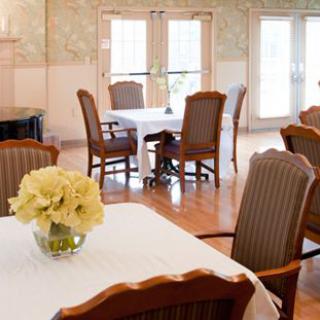
 Dining room
 Fully furnished
 Garden
 Housekeeping services
 Indoor common areas
 Move-in coordination
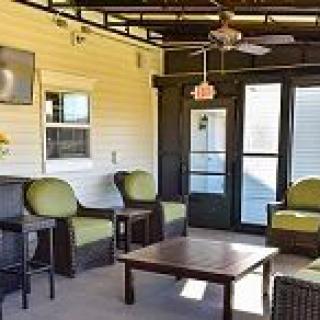
 Outdoor common areas
 Private
 Respite or short term stays offered
 Telephone
 Wheelchair accessible showers
 Wi-Fi/high-speed internet available
 24-hour supervision
 Ambulatory care
 Assistance with bathing
 Assistance with dressing
 Assistance with transfers
 Diabetes diet
 Diabetic care
 High acuity care
 Incontinence care
 Meal preparation and service
 Medication management
 Special dietary restrictions
 Transportation arrangement (medical)
 Transportation to doctors appointments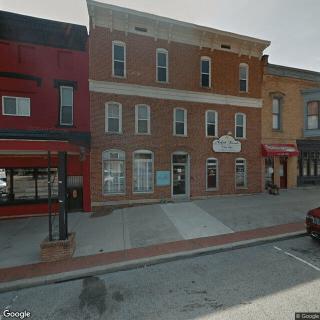
 Engaging Memory Care Activities That Enhance Quality of Life
 When to Transition from Assisted Living to Memory Care: Key Indicators, Steps, and Finding the Right Community
 Understanding the Distinctions: Assisted Living and Memory Care Explained