Kind-Er Care Home II

120 23Rd Avenue E, West Fargo, ND 58078

For more information about senior living options: (844) 490-3973

4.5 from 8 reviews
5 stars
7
4 stars
0
3 stars
0
2 stars
0
1 stars
1

Assisted Living

What level of care are you interested in?

Assisted Living

Memory Care

Independent Living

Skilled Nursing Facility

Continuing Care Retirement Community (CCRC)CCRC

Other


Request a tour at Kind-Er Care Home II

    Overall Review of Kind-Er Care Home II

    Pros

    • pro The home is beautiful and high quality.
    • pro The staff are kind, loving, and attentive.
    • pro They treat residents like family.
    • pro End-of-life care is handled exceptionally well, with families able to spend meaningful time with their loved ones.
    • pro Families have fond memories of the care and the staff during that period.

    Cons

    • pro The aunt hates living at Kindercare.
    • pro The review states that Melanie called the police to remove a friend, isolating the aunt from loved ones, which is described as inhumane.
    • pro The owner uses ownership of the building to keep the aunt isolated from friends and family.
    • pro The owner reportedly places visitors on a list to keep them out and never let them inside again.

    Review

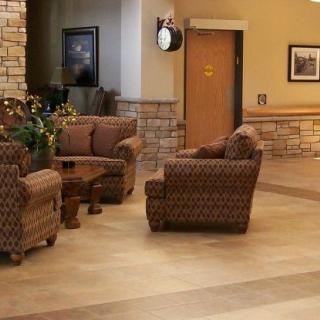
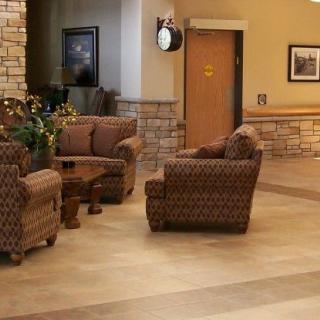
    This home exudes a remarkable warmth that many visitors notice the moment they walk through the door. The people who care for residents here are described as kind, loving, and attentive, creating an atmosphere that often feels more like family than a traditional care facility. For some families, the staff's everyday gentleness and steady presence translate into a sense of trust and comfort, a feeling that their loved ones are embraced with genuine care rather than isolated in a clinical routine. In these accounts, the experience is shaped by small, everyday acts of kindness and a consistent, reassuring demeanor that makes the home feel safe and homelike.

    The strongest praise in these reflections centers on the everyday interactions and the way staff treat residents and their families. One reviewer paints a picture of a place that goes beyond "just a facility" to become a supportive environment where the patient's dignity is front-and-center. The sentiment is clear: the home's beauty and the people who work there contribute to an experience that feels personal and deeply respectful. For this family, the feeling is that their loved one is not merely a patient to be managed but a person who is welcomed, cared for, and treated with the kind of warmth one hopes to find in a home setting. The appreciation conveyed is honest and sustained, with the sense that the home's culture aligns with their values.

    Yet, a different voice offers a starkly different perspective, raising concerns about supervision, autonomy, and access. In this account, the aunt is described as discontent with living at Kindercare, and the reviewer alleges a troubling pattern of actions attributed to a person named Melanie. The claim is that Melanie called the police to intervene with a friend who is visiting, and that the aunt is being kept in isolation from loved ones, described as inhumane. The reviewer asserts that the owner's control over the building allows the aunt to be kept apart from friends and family, suggesting that access can be restricted by placing visitors on a list and barring entry. These assertions present a harsh counterpoint to the warmth celebrated by others, casting a shadow over the experience for this family and highlighting serious questions about visit policies and the autonomy of residents.

    According to the same account, the visitor-management approach kicks in whenever someone from outside the home wishes to visit. The reviewer describes a mechanism by which the owner assigns names to a list to prevent certain people from entering, portraying a system that appears to prioritize exclusion over connection. While the tone conveys deep concern for the aunt's welfare and freedom, it also raises a broader issue: the balance between safety, privacy, and the right to maintain meaningful relationships outside the facility. The claim is that such measures lead to isolation, which the reviewer characterizes as inhumane, calling into question how the home navigates the delicate boundary between protecting residents and respecting their social ties.

    Against these tensions, another portion of the narratives centers on the beautiful, intimate moment of end-of-life care. Here, the tone shifts to profound appreciation for how the facility supported a mother and her family during a difficult passage. The reviewer notes that the end of life was handled better than could be imagined, with care that felt attentive, compassionate, and deeply personal. The experience included a rare kind of solidarity: the sister and the reviewer themselves were able to stay nearby, even rooming on the facility's couches, creating a space where time with their mother could be shared without constraint. In this memory, the staff's presence and dedication stand out as a cornerstone of comfort, and the reviewer holds onto the many fond memories formed during that period despite its sorrowful context. The gratitude expressed here underscores what many families hope for when a loved one is in the final stages of life: to feel seen, supported, and gently surrounded by people who honor the person's history and relationships.

    Taken together, these voices illustrate the multifaceted nature of choosing and experiencing care. A home can feel deeply nurturing to some families, offering stability, kindness, and a sense of family-like hospitality that makes daily life brighter, safer, and more dignified for an aging loved one. At the same time, other families may encounter real concerns about administrative choices, visitor policies, and the potential for isolation, especially when strong emotions, power dynamics, and disagreements come into play. The contrasts underscore the importance of transparent policies, open dialogue, and ongoing oversight to ensure that warmth and safety go hand in hand with residents' rights to see friends and family.

    Ultimately, what emerges is a portrait of a place capable of remarkable tenderness and equally capable of stirring serious questions. The stories emphasize how essential it is for caregivers and administrators to listen deeply, communicate clearly, and balance the needs and rights of residents with the responsibilities they bear. For families seeking support and peace of mind, these experiences offer both reassurance and a reminder: even in settings built to feel like home, ongoing attention to visitation, autonomy, and compassionate care remains vital to honoring the full humanity of every resident.

    Features

    Housing

    • 12 resident community capacity 12 resident community capacity

    Types of Care

    • Assisted Living Assisted LivingAssisted living facilities provide crucial support and care for seniors who may need help with daily tasks such as medication management, bathing, and meal preparation. These communities offer a safe and comfortable environment where seniors can maintain their independence while receiving the assistance they need to thrive in their golden years.

    Amenities

    • Cable or satellite TV Cable or satellite TVCable or satellite TV is important for seniors because it provides entertainment, news, and companionship, helping to combat loneliness and boredom. It also offers a wide range of programming options tailored to different interests and preferences.
    • Dining room Dining roomDining rooms are important for seniors as they provide a space for socialization, connection, and nutritious meals. They offer opportunities for residents to bond over shared meals, foster a sense of community, and promote healthy eating habits. Dining rooms also ensure that seniors have access to well-balanced meals tailored to their dietary needs and preferences.
    • Fully furnished Fully furnishedFully furnished senior living communities are important for seniors because they provide convenience, comfort, and a hassle-free moving experience. Seniors can easily settle into their new living space without the stress of having to buy and move furniture. This allows them to focus on enjoying their new home and community.
    • Garden GardenGardens are important for seniors as they provide a peaceful and therapeutic environment for relaxation, physical activity, and socialization. Being in nature has been shown to reduce stress, improve mood, and promote overall well-being. Gardens also offer opportunities for seniors to engage in gardening activities, which can improve mobility, flexibility, and cognitive function. Additionally, gardens create a sense of community and connection with others who share a passion for plants and outdoor spaces.
    • Housekeeping services Housekeeping servicesHousekeeping services are important for seniors because they help maintain a clean and safe living environment, promote independence, and reduce the risk of accidents or illnesses. Additionally, having assistance with household chores can alleviate physical strain and allow seniors to focus on other aspects of their well-being.
    • Move-in coordination Move-in coordinationMove-in coordination is important for seniors because it helps ease the transition into their new living environment. It ensures that all logistics, such as packing, organizing movers, and setting up utilities are taken care of, allowing seniors to focus on settling in and adjusting to their new home. Having a smooth move-in process can alleviate stress and anxiety, making the transition smoother and more enjoyable for seniors.
    • Outdoor space Outdoor spaceOutdoor spaces are important for seniors as they provide opportunities for physical activity, social interaction, exposure to natural light and fresh air, and a sense of connection to nature. Having access to outdoor spaces can improve overall well-being and quality of life for older adults living in senior communities.
    • Telephone TelephoneTelephones are important for seniors as they provide a lifeline for communication with loved ones, emergency services, and healthcare providers. They offer a sense of security and independence, enabling seniors to stay connected and access assistance when needed.
    • Wi-Fi/high-speed internet available Wi-Fi/high-speed internet availableWi-Fi/high-speed internet is important for seniors to stay connected with loved ones, access online resources, and participate in virtual activities to combat feelings of loneliness and isolation. It also allows them to easily manage healthcare needs, access entertainment, and engage in lifelong learning opportunities.

    Transportation

    • Hector International (7 miles away) Hector International (7 miles away)

    Care Services

    • 24-hour supervision 24-hour supervision24-hour supervision is important for seniors to ensure their safety, well-being, and access to immediate assistance in case of emergencies or health issues. This constant support provides peace of mind for both seniors and their loved ones, allowing them to age in place with dignity and security.
    • Activities of daily living assistance Activities of daily living assistanceActivities of daily living assistance are important for seniors because they provide essential support with tasks such as eating, bathing, dressing, and mobility. This assistance helps seniors maintain their independence, dignity, and overall quality of life as they age.
    • Assistance with bathing Assistance with bathingAssistance with bathing is crucial for seniors as it helps maintain personal hygiene, prevents infections, and ensures their overall well-being and comfort. It also provides a sense of dignity and independence for seniors who may struggle with this task on their own.
    • Assistance with dressing Assistance with dressingAssistance with dressing is important for seniors because it helps maintain their independence, promotes personal hygiene, prevents accidents and injuries, and improves overall quality of life. This service ensures that seniors can continue to dress comfortably and confidently, despite any physical limitations they may have.
    • Assistance with transfers Assistance with transfersAssistance with transfers is crucial for seniors as it helps prevent falls and injuries, maintains their independence, and ensures they can safely navigate their living environment. It also provides peace of mind for both seniors and their loved ones.
    • Coordination with health care providers Coordination with health care providersCoordination with health care providers is crucial for seniors to ensure proper medical care, medication management, and overall well-being. This collaboration helps prevent overlapping treatments, track progress more effectively, and provide comprehensive support tailored to individual needs.
    • Diabetes diet Diabetes dietA diabetes diet is crucial for seniors as it helps manage blood sugar levels, reduce risks of complications, and improve overall health and well-being. By following a balanced and nutritious diet tailored to their specific needs, seniors can better control their diabetes and enhance their quality of life.
    • Meal preparation and service Meal preparation and serviceMeal preparation and service are crucial for seniors as they may have limited mobility or energy to cook nutritious meals. Having access to healthy and convenient food options can ensure they are getting the proper nutrition needed to maintain their overall health and well-being.
    • Medication management Medication managementMedication management is crucial for seniors to ensure they are taking the right medications at the correct dosages and times. This helps prevent adverse drug interactions, reduces the risk of medication errors, and promotes overall health and well-being. Proactive management also allows for adjustments as needed based on changing health conditions or new prescriptions.
    • Special dietary restrictions Special dietary restrictionsSpecial dietary restrictions are important for seniors because age-related changes in metabolism and health conditions can make it difficult for their bodies to process certain foods. By following a diet tailored to their specific needs, seniors can maintain their overall health and well-being, manage chronic conditions, and reduce the risk of complications such as malnutrition or food interactions with medications.
    • Transportation arrangement (medical) Transportation arrangement (medical)Transportation arrangements for medical purposes are essential for seniors as they may have difficulty driving themselves to appointments or accessing public transportation. Having reliable and safe transportation options ensures that seniors can receive timely medical care and maintain their health and well-being.
    • Transportation to doctors appointments Transportation to doctors appointmentsTransportation to doctors' appointments is crucial for seniors as it ensures they have access to necessary medical care and support for their health needs. Without reliable transportation, seniors may struggle to attend important appointments, leading to potential delays in treatment and health complications. Providing transportation services helps seniors maintain their overall well-being and quality of life.

    Dining

    • Diabetes diet Diabetes dietA diabetes diet is crucial for seniors as it helps manage blood sugar levels, reduce risks of complications, and improve overall health and well-being. By following a balanced and nutritious diet tailored to their specific needs, seniors can better control their diabetes and enhance their quality of life.
    • Special dietary restrictions Special dietary restrictionsSpecial dietary restrictions are important for seniors because age-related changes in metabolism and health conditions can make it difficult for their bodies to process certain foods. By following a diet tailored to their specific needs, seniors can maintain their overall health and well-being, manage chronic conditions, and reduce the risk of complications such as malnutrition or food interactions with medications.

    Activities

    • Community-sponsored activities Community-sponsored activitiesCommunity-sponsored activities are important for seniors as they provide opportunities for social interaction, mental stimulation, and physical activity. These activities can help improve overall well-being, combat loneliness and isolation, and promote a sense of belonging and purpose among older adults.
    • Scheduled daily activities Scheduled daily activitiesScheduled daily activities are important for seniors because they provide structure, socialization, mental stimulation, and physical activity. Engaging in regular activities can improve overall well-being and quality of life for seniors living in a community setting.

    Description

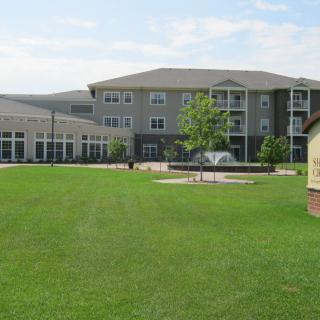
    Kind-Er Care Home II is an assisted living community located in West Fargo, ND. Our community offers a range of amenities and care services to ensure the comfort and well-being of our residents.

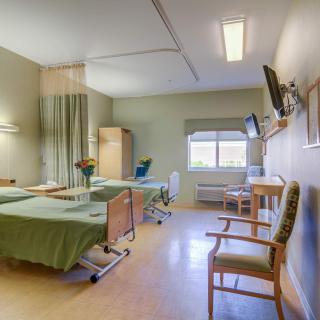
    Our residents can enjoy meals in our spacious dining room, which serves delicious and nutritious food. Each apartment is fully furnished, providing a cozy and inviting space to call home. We also have a beautiful garden where residents can relax and enjoy the outdoors.

    Housekeeping services are provided to keep each apartment clean and tidy, allowing residents to focus on enjoying their time at our community. We also offer move-in coordination services to make transitioning into our community as smooth as possible.

    For those who require assistance with daily activities such as bathing, dressing, and transfers, our trained staff is available to provide the necessary support. We work closely with health care providers to coordinate any additional care that may be needed for our residents. Our staff also assists with medication management and provides diabetes diets for those with specific dietary needs.

    Transportation arrangements are available for medical appointments, ensuring that residents have convenient access to healthcare services. Additionally, we are located near several cafes, parks, pharmacies, physicians' offices, restaurants, places of worship, hospitals, and other amenities in the local area.

    At Kind-Er Care Home II, we believe in providing a supportive and engaging environment for our residents. Daily scheduled activities are offered to promote socialization and keep residents active and entertained.

    We strive to create a warm and caring atmosphere where our residents feel at home while receiving the assistance they need. Visit us today to experience the welcoming community at Kind-Er Care Home II in West Fargo, ND.

    Nearby Places of Interest

    Pharmacies

    • Medical Pharmacy (0.3 miles)
    • Skripts Pharmacy (0.7 miles)
    • Seip Drug (1 miles)
    • Frontier Pharmacy (1 miles)
    • The Prescription Shop (1.2 miles)
    • Thrifty White Pharmacy (1.6 miles)
    • Health Mart Pharmacy (1.6 miles)

    Restaurants

    • Burger King (0.9 miles)
    • The Blarney Stone Pub | West Fargo (1 miles)
    • Pub West (1.1 miles)
    • Buffalo Wings & Rings (1.2 miles)
    • JL Beers (1.5 miles)
    • India Palace (1.8 miles)
    • Popeyes Louisiana Kitchen (1.9 miles)

    Parks

    • Rendezvous Park (1.4 miles)
    • 9th Ave W Park (1.5 miles)
    • Lindenwood Park (5.5 miles)

    Physicians

    • Patel, Sneh Essentia Health West Fargo Clinic (1.6 miles)
    • Vance Thompson Vision (1.8 miles)
    • Retina Associates (1.8 miles)
    • Bagan Strinden Vision (2.1 miles)
    • Aspire Optical Co of Fargo (2.1 miles)
    • Rejuv Medical Aesthetic Clinic (2.2 miles)
    • Center for Pain Medicine (2.5 miles)

    Cafes

    • Caribou Coffee (1.8 miles)
    • Thunder Coffee (2 miles)
    • Starbucks (2 miles)
    • Starbucks (4 miles)
    • Northstar Coffee (4.4 miles)
    • Pepper's Sports Cafe (4.9 miles)
    • Starbucks (5 miles)

    Transportation

    • Enterprise Rent-A-Car (3.2 miles)

    Hospitals

    • Essentia Health-Fargo (3.7 miles)
    • Easentia Health Nicu (3.7 miles)
    • Sanford Southpointe Clinic (4.1 miles)
    • Wood County Hospital (4.2 miles)
    • Essentia Health (5 miles)
    • Kindred Hospital Fargo (5 miles)

    Places of Worship

    • Church of Jesus Christ of Latter Day Saints (3.9 miles)

    Frequently Asked Questions

    Where is Kind-Er Care Home II?

    Nearby Communities

    Assisted Living in Nearby Cities

    Related Resources

    • does medicaid pay for assisted livingUnderstanding Medicaid Coverage for Assisted Living: A Comprehensive Guide

      The guide outlines the complexities of Medicaid coverage for assisted living, highlighting significant state-to-state variations, limited coverage often restricted to personal care services, and the existence of specialized waivers for certain needs like memory care. It advises families to consult local Medicaid offices for options while emphasizing the importance of understanding state-specific regulations and facility policies.

    • does medicaid pay for assisted livingHow and When Medicaid May Cover Assisted Living Costs

      Medicaid coverage for assisted living varies by state and is primarily available to low-income individuals, with eligibility dependent on strict income and asset limits. Some states offer HCBS waivers for specific services in assisted living, but families must generally cover room and board costs, and should verify facility acceptance of Medicaid while considering potential waiting lists.

    • assisted living waiver programA Detailed Exploration of Assisted Living Medicaid Waivers Across the United States

      Medicaid waivers for assisted living services provide vital support for seniors and individuals with disabilities in need of long-term care, with varying state-specific eligibility criteria and benefits. These waivers cover personal care and case management but often do not fully cover room and board, leading to waiting lists for many applicants.


    Get Pricing Ask A Question Schedule A Tour Contact Senior Advisor