


2235 Shiloh St, West Fargo, ND 58078
To contact a resident: (701) 281-3016
For more information about senior living options: (866) 208-4318
Kind-er Care Assisted Living Costs & Pricing
At Kind-er Care Assisted Living, the monthly costs reflect a premium level of care and amenities compared to the regional averages in Cass County and across North Dakota. For example, a studio room at Kind-er Care is priced at $5,500, significantly higher than the county's average of $3,096 and the state average of $3,820. Similarly, a one-bedroom unit costs $7,500, again surpassing both the county rate of $3,287 and the state figure of $3,800. These figures suggest that Kind-er Care offers specialized services or enhanced living environments that justify their higher pricing structure within a competitive market.
| Floor plans | Kind-er Care Assisted Living | Cass County | North Dakota |
|---|---|---|---|
| Studio | $5,500 | $3,096 | $3,820 |
| 1 Bedroom | $7,500 | $3,287 | $3,800 |
Assisted Living communities with a similar price nearby
-
from -$330 / mo
Moorhead Rehabilitation & Healthcare Center
$5,170 to $5,185 / month7.8 miles away
Overall Review of Kind-er Care Assisted Living
Pros
 The staff were wonderful and very kind to the mother and her family.
- The facility was clean and well laid out for every guest.
- They could not have found a better place for their mom; the care was awesome.
- They would recommend Kinder Care to others.
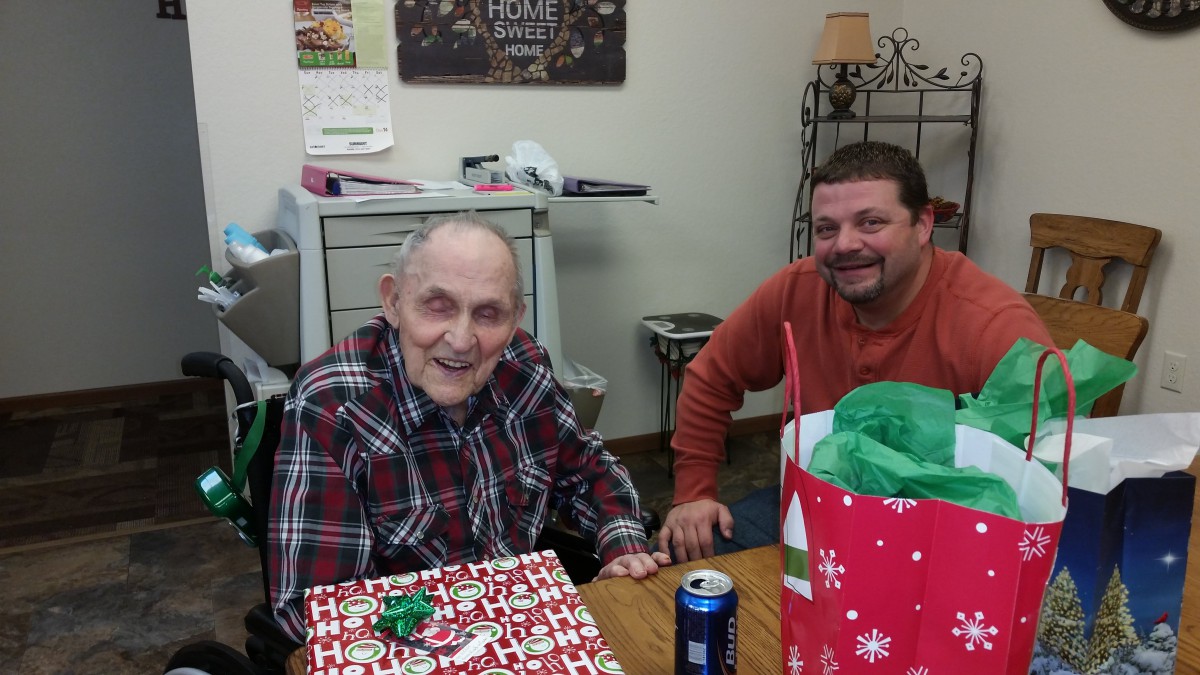
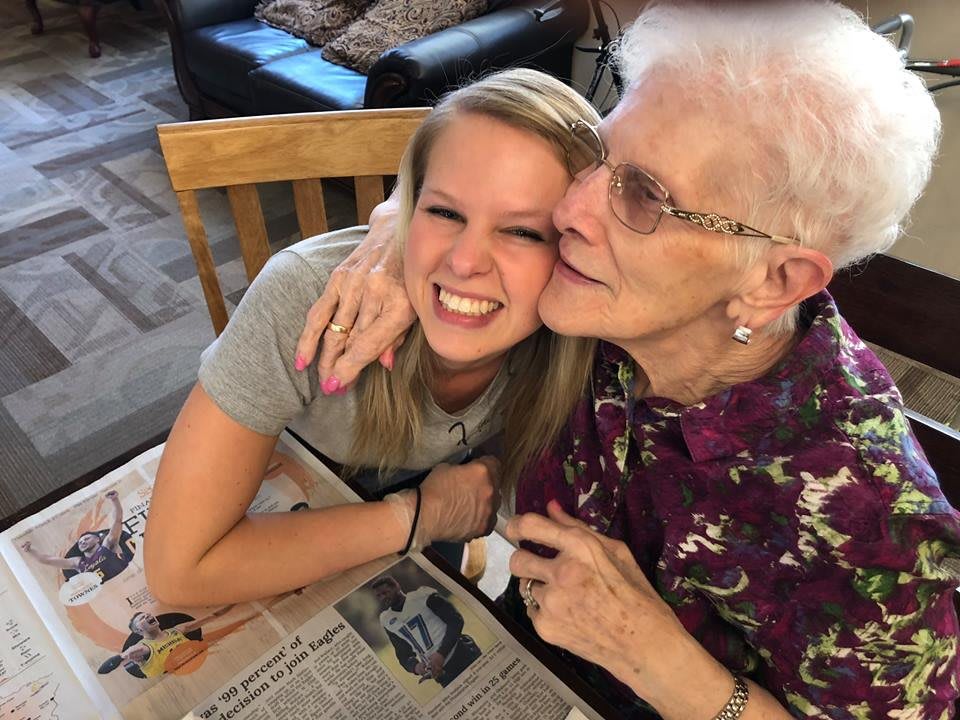
- The staff were very friendly, caring, and helpful, and the place felt homey and welcoming.
- The end-of-life care was handled exceptionally well, with meaningful time for the family to be with their mother.
Cons
 The aunt hates living at Kindercare.
- Melanie called the police to remove a friend and isolate her from loved ones, which is described as inhumane.
- The owner keeps the aunt isolated from friends and family because she owns the building.
- If someone visits, the owner puts their name on a list to keep them out and never let them inside again.
Review
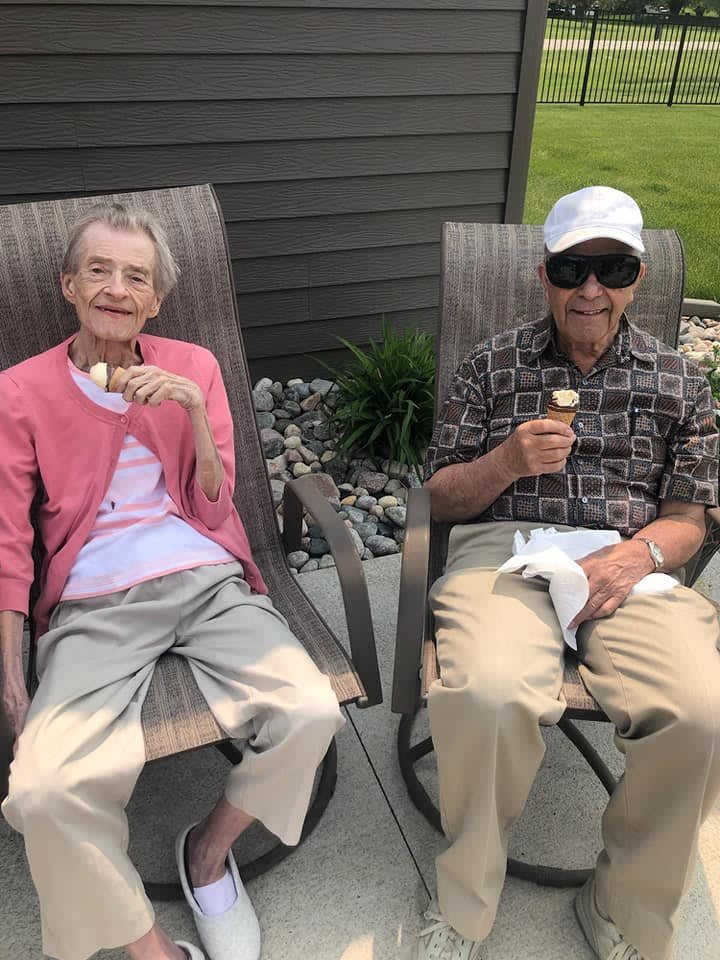
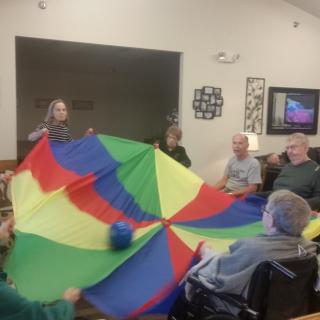
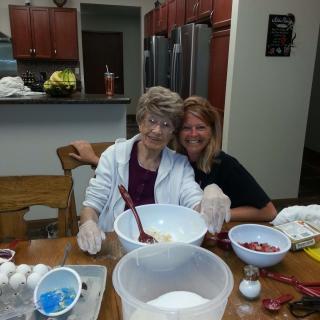
Kind-er Care Assisted Living in West Fargo is best suited for seniors who crave a warm, home-like atmosphere and a staff team that feels like an extended family. This community excels for residents who value consistent, personal attention from caregivers, a clean and thoughtfully laid-out living space, and regular, genuine interaction with staff and fellow residents. It is particularly well-matched for families who want to be involved in daily care and who appreciate end-of-life support delivered with sensitivity and respect. For seniors who prioritize a highly structured clinical setting or a strictly hands-off governance model, this might feel too intimate or less formal than some alternatives.
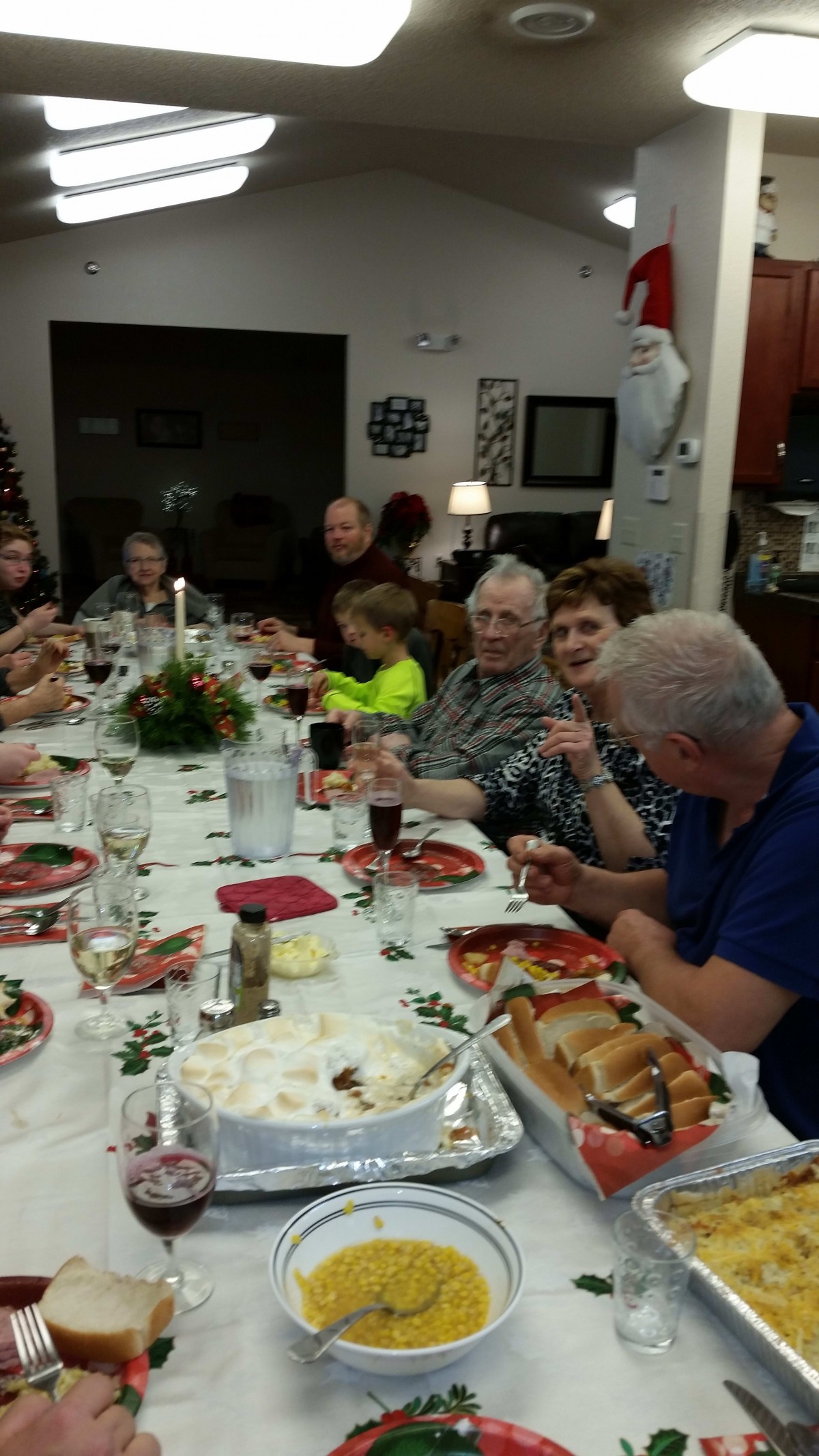
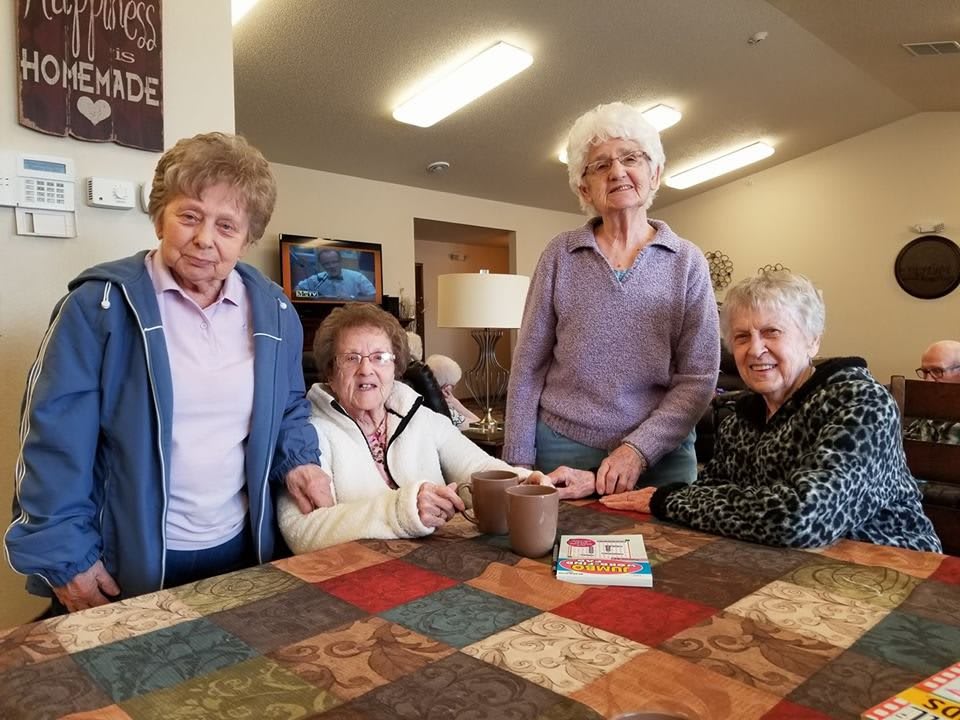
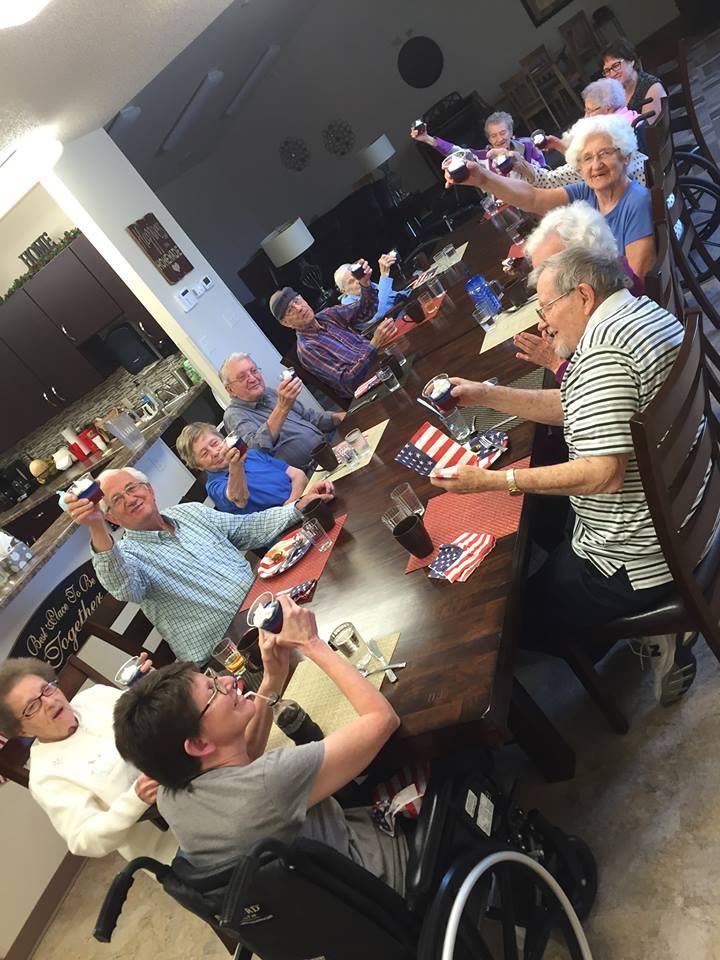
The strongest draws are unmistakable. Staff consistently receive praise for kindness, courtesy, and a caring, proactive approach. Families describe a homey, welcoming environment where employees treat residents, as well as visiting relatives, as if they were part of the family. Cleanliness and thoughtful layout reinforce safety and comfort, contributing to a sense of continuity and stability day after day. Across the board, the chorus is that the people who work here are the differentiator: attentive, considerate, and genuinely invested in residents’ well-being.
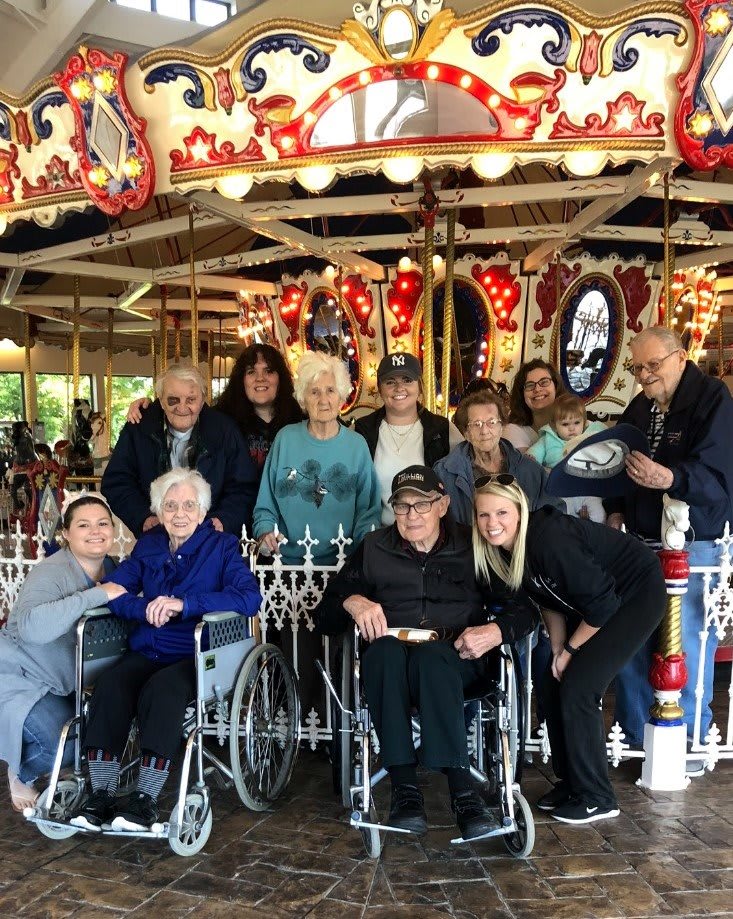
Another cornerstone is the quality of daily life and family involvement. The reviews highlight a culture where residents are treated with dignity and attention, and where families feel welcomed into the caregiving process. The notion of “family” extends beyond staff to the orbit of loved ones who visit and participate in routines, with anecdotes of end-of-life care that feel deeply supportive and personally meaningful. One account emphasizes that the end-of-life period was handled with exceptional care, enabling meaningful time together and a sense of closure that families prized. The beauty of the home setting, described as welcoming and comfortable, amplifies the sense that life remains personal and respectful here.
Yet one review casts a notable caution. An account involving a 90-something aunt raises a red flag about resident autonomy and access for visitors, alleging attempts at isolation and restricted entry for those who wish to visit. While this is not the prevailing sentiment in the larger pool of reviews, it cannot be dismissed. For families weighing this option, it signals a need for due diligence: direct conversations with leadership about visitation policies, resident autonomy, and how complaints are addressed must occur before any placement decision. Potential residents should also corroborate this with additional references and, if possible, observe a visit and a routine day to gauge how governance feels in practice.
The key to weighing the pros against the cons lies in expected experience. If the priority is unmistakable warmth, consistent caregiving, and a home environment where staff know residents by name and families feel included, the positives largely offset the concerns, provided governance and visitation policies are transparent and aligned with family expectations. The demonstrated skill in end-of-life support, combined with a genuinely affectionate staff culture, can make Kind-er Care a comfort-driven choice for families navigating difficult decisions. Prospective residents should still enter with clear questions about who makes policy decisions, how visitation is managed, and what recourse exists if visitor access feels constrained.
In practical terms, this community earns its solid reputation for families who want a compassionate, less clinical setting with robust daily interaction and a sense of belonging. It is a strong option for those who value a real, hands-on caregiving style and who are comfortable with a personally guided care experience that extends into family life. It is less ideal for households that require strict, impersonal governance, formalized visitation protocols, or a setting where families are kept at arm’s length. For these families, exploring alternatives that emphasize barrier-free visitation and a more corporate governance approach may be prudent. The decision should hinge on comfort with ownership approach, the quality of day-to-day interactions, and alignment with the resident’s desire for personal connection and family involvement.
 Assisted Living
 Cats allowed
 Dogs allowed
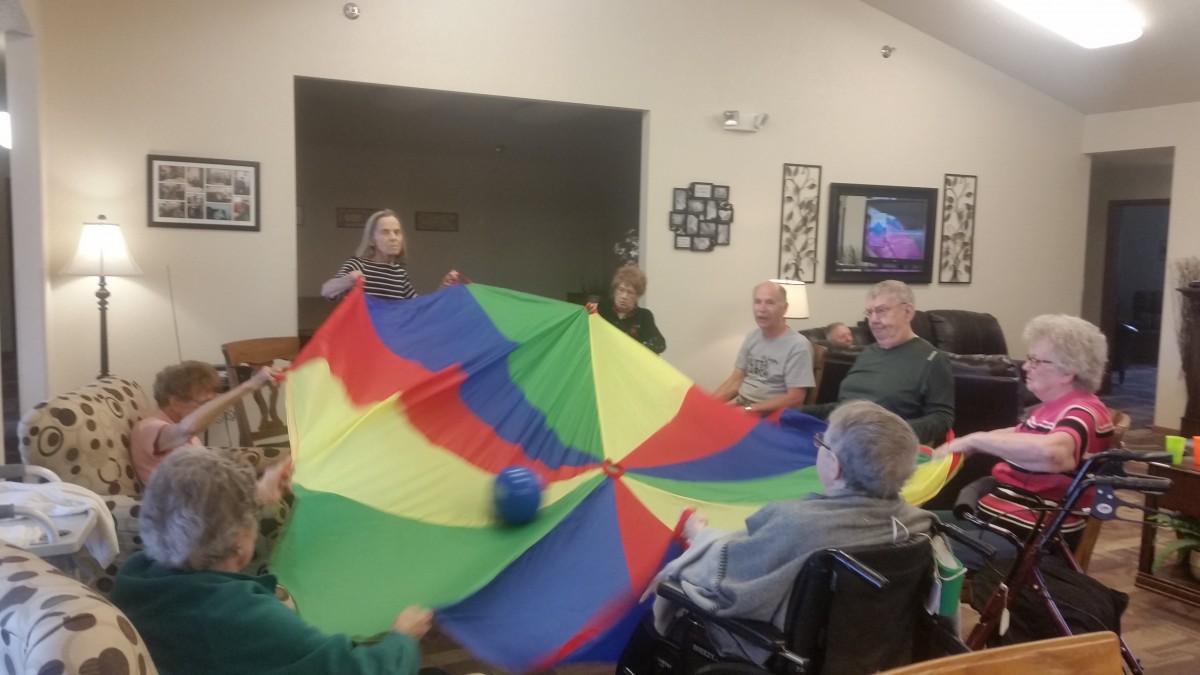
 Activities on-site
 Air-conditioning
 Cable or satellite TV
 Devotional services off-site
 Ground floor units
 Indoor common areas
 Wheelchair accessible showers
 Wi-Fi/high-speed internet available
 Hector International (5 miles away)
 Ambulatory care
 Diabetic care
 High acuity care
 Incontinence care
 Medication management
 Anytime dining
 Art classes
 Bible study group
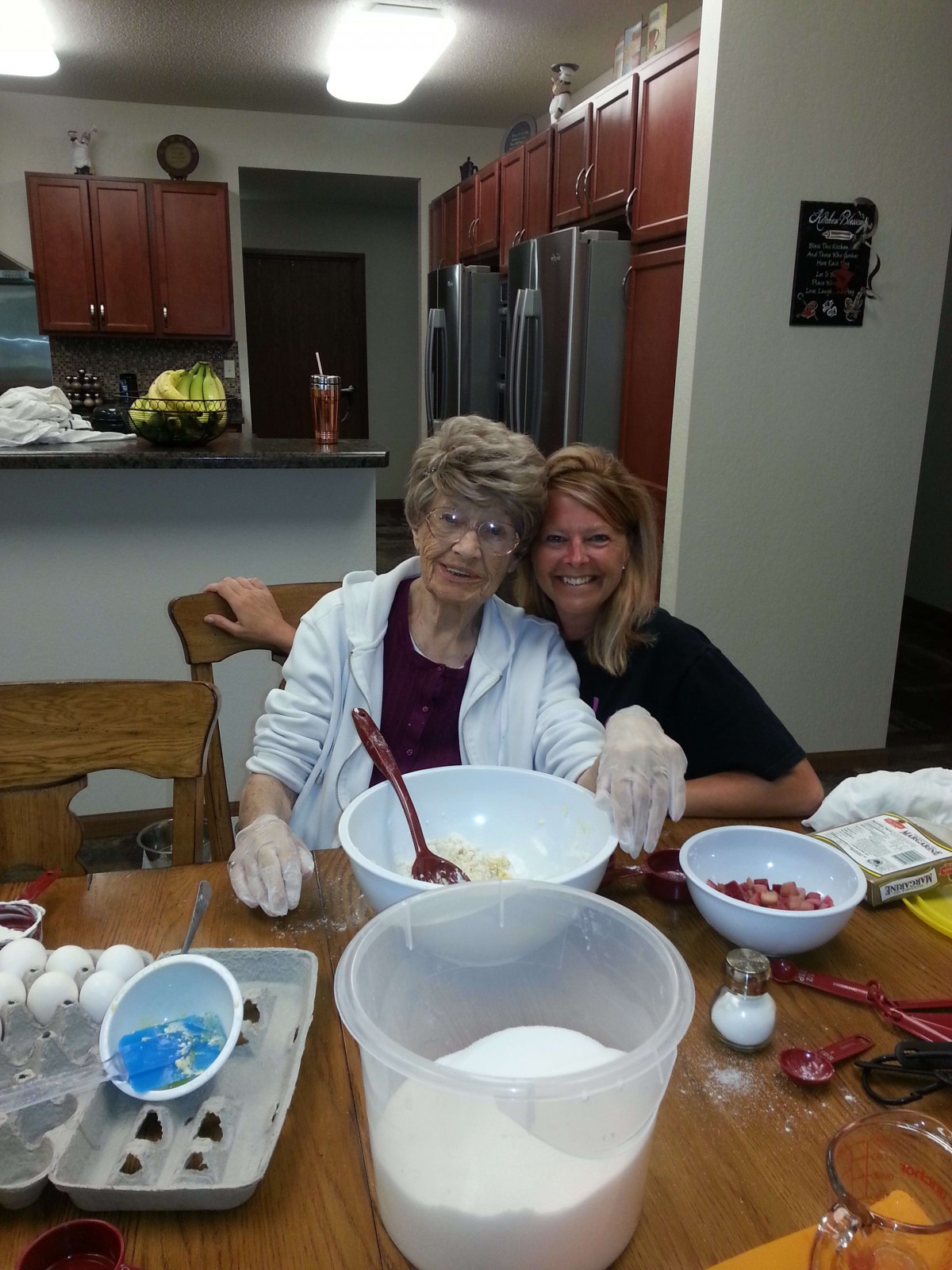
 Cooking classes
 Day trips and outings
 Educational speakers / life long learning
 Happy hour
 Live dance or theater performances
 Live musical performances
 Live well programs
 Senior Transition Services: Understanding Their Role, Cost, and Importance
 Exploring the Path to Senior Living: A Comprehensive Look at Independent Living and Assisted Living
 Is Assisted Living Deductible on Your Taxes? Understanding the Complexities of Assisted Living Expenses and Deductions