
3301 17th Ave, #102, Fargo, ND 58103
To contact a resident: (701) 293-7492
For more information about senior living options: (866) 208-4318
Prairiewood - South Meadows Costs & Pricing
At Prairiewood - South Meadows, the monthly cost for a two-bedroom unit is notably competitive at $675. When compared to the broader market, this rate stands in stark contrast to the average costs in Cass County, which reach approximately $3,210, and even more so against the North Dakota state average of around $3,966. This significant difference underscores Prairiewood's commitment to providing affordable living options without compromising on quality. Residents can enjoy access to amenities and a community atmosphere that enriches their living experience while benefiting from considerable savings compared to neighboring areas.
| Floor plans | Prairiewood - South Meadows | Cass County | North Dakota |
|---|---|---|---|
| 2 Bedrooms | $675 | $3,210 | $3,966 |
Senior living communities with a similar price nearby
-
from -$59 / mo
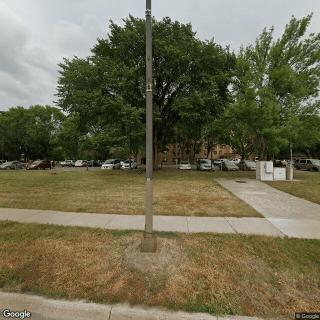
Park View Terrace
$616 to $712 / month3.2 miles away -
from +$60 / mo
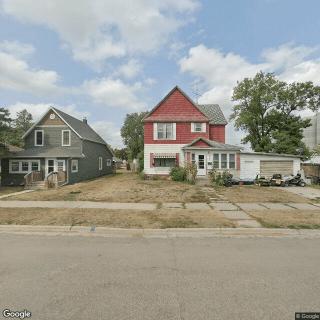
Maple River Manor
$735 / month24.2 miles away -
from +$25 / mo
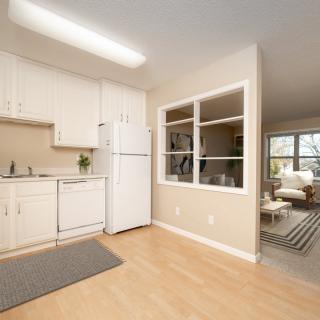
Carriage House
$700 to $1,020 / month5.2 miles away -
from +$25 / mo
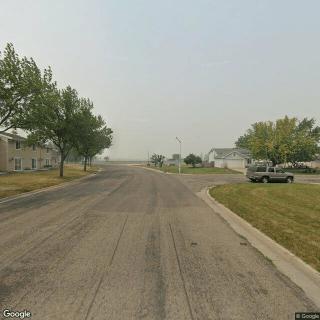
Village Green
$700 / month5.3 miles away
Overall Review of Prairiewood - South Meadows
Cons
 It was not helpful.
- The staff member did not seem to know they were coming.
- There were no units to show.
Review
Prairiewood - South Meadows in Fargo is best suited for families that can tolerate a slower, less-organized initial contact and are not pressed by an immediate move-in deadline. The available feedback centers on a single, clearly problematic encounter, which creates a cautious starting point: this community may deliver the care environment families want only if the admissions process is reliably responsive and well-coordinated. In practice, it is a fit for those who can absorb bumps in the front-desk experience without derailing the broader decision timeline.
The documented experience describes a front-desk interaction where the staffer seemed unaware of the appointment and there were no units available to tour. That sequence, no preparation for the visit, no visible inventory, and no one to provide a meaningful tour, sends a negative signal about operational readiness. For families evaluating care, the inability to see a sample apartment or meet a knowledgeable representative makes it difficult to gauge space, layout, and overall suitability, which are essential to a confident choice.
That kind of misalignment points to a broader risk: when the first impression hinges on unanticipated, unclear coordination, the entire screening process becomes uncertain. For households with time pressure, health, finances, or transition logistics, these gaps translate into wasted days and ambiguous next steps. In short, the main risk is not just a poor first impression but the potential for ongoing communication lapses and inconsistent access to essential information.
In terms of pros, no documented advantages offset these drawbacks. The sole publicly available feedback provides no positives to counterbalance the front-desk disarray and the lack of tour opportunities. Without concrete strengths to lean on, clear pricing, a transparent floor-plan lineup, or evidence of proactive staff engagement, the cons remain unchecked. Families should therefore discount any assumption of operational strengths until verifiable, favorable data surfaces.
To move forward responsibly, pursue a rigorous due-diligence plan. Request a current, written inventory of available units with corresponding floor plans and pricing, and insist on a tour with an administrator or decision-maker. Seek recent examples of resident care levels, dining options, and transportation arrangements, and verify response times to questions and tour requests. Visit at different times to assess consistency, and compare with nearby communities that demonstrate prompt scheduling, visible unit availability, and proactive, prepared staff engagement.
Bottom line: for families needing timely information, reliable scheduling, and clear visibility into available housing options, explore alternatives first. Prairiewood - South Meadows should be considered only after a deliberate vetting process shows improved front-desk coordination, transparent unit availability, and a consistently organized admissions experience. Until those improvements are evident, this community remains a secondary choice for decision-makers who prioritize efficiency, clarity, and a confident first impression in the search for assisted living.
 Active Adult Communities (55+)
 Cats allowed
 Dogs allowed
 Indoor common areas
 Outdoor common areas
 Hector International (5 miles away)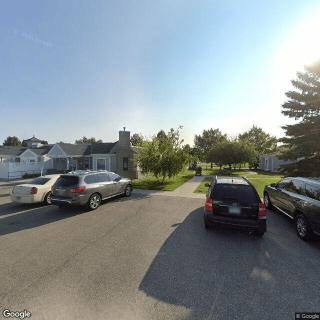
 Warm staff, cozy rooms with private baths, and active common areas; strong memory-care focus.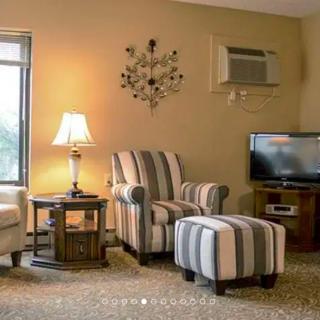

 A Detailed Exploration of Living Wills and Advance Directives
 Comprehensive Guide to Medicare Coverage for Hospice Care
 Caring for Those Who Care: Recognizing, Understanding, and Overcoming Caregiver Burnout