

901 E Bowen Ave, Bismarck, ND 58504
To contact a resident: (701) 258-1980
For more information about senior living options: (866) 208-4318
Overall Review of The Terrace
Pros
 The Terrace is described as a great place since the move-in.
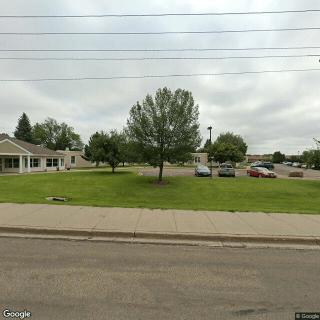
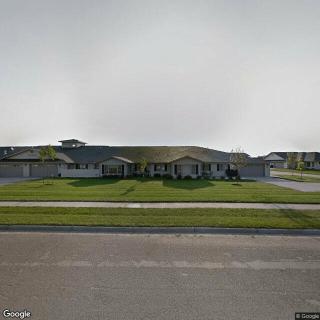
- It is a smaller, one-floor facility that makes it easier for residents to reach the dining room and activities from their rooms.
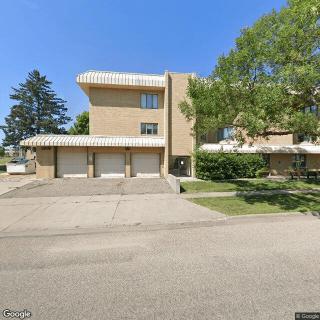
- The facility looks good.
- The nurse's station is conveniently located beside the residents' rooms.
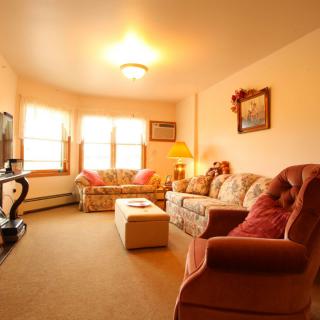
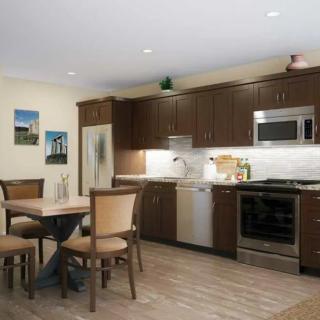
- The rooms are furnished.
- The Terrace offers crafts, bingo, church, music, and entertainment.
- The dining area looks very pleasant.
- The staff, including Denise, Corrine, Darrin, Chantal, and all the nurses, cooks, and staff, are appreciated.
Review
The Terrace in Bismarck is best suited for older adults who value a small, easily navigable home where care feels personal and staff responsiveness is evident. A single-story layout makes movement between the room, dining area, and activities effortless, which supports independence for residents with limited mobility and reduces daily life friction. The community reads as calm, tidy, and resident-forward, with daily rhythms that feel predictable and manageable. For families prioritizing ease of access, straightforward routines, and a daily human touch from caregivers, this setting aligns well with those needs.
Still, certain residents may want alternatives. Those seeking a larger campus with more residents, a wider calendar of outings, or more extensive rehab and memory care services may find The Terrace too intimate. If a robust on-site therapy program, a broader dining variety, or specialized dementia care programming is a must, consider other communities that offer greater scale or dedicated memory care neighborhoods. The Terrace’s strengths are best realized when expectation centers on a cozy, low-friction environment rather than a sprawling, resource-dense campus.
Key advantages, small size, single floor, proximity to dining and activities, furnished rooms, pleasant dining areas, and accessible patios, create a cohesive, low-stress setting. The nurse’s station positioned near resident rooms signals consistent oversight and safety, a factor many families prioritize. The trade-off is a more limited resident mix and a leaner activity calendar relative to larger campuses; opportunities for social variety, elective classes, or on-site therapy services may be fewer. Yet these very features can be a strength for residents who are overwhelmed by big crowds or who appreciate a quieter pace. In this context, care coordination tends to be easier to monitor, and family involvement tends to be more responsive and direct.
Review evidence supports a warm, personalized approach. One family notes a smooth transition when a loved one moved in after another local option closed, with gratitude directed at the care team. The facility’s compact footprint is explicitly appreciated: one-floor design, easy access to dining and activities from most rooms, a nurse’s station that remains close at hand, furnished rooms, and inviting common areas. The activity slate, crafts, bingo, church, music, and entertainment, paired with summer patios yields a social cadence that feels engaging without being overpowering. Staff names cited, Denise, Corrine, Darrin, Chantal, and the broader nursing and culinary teams, underscore a culture of attentive, friendly service that families notice and value.
Prospective residents should verify several practical factors during tours. Confirm room layout and whether furnishings meet expectations and fit personal belongings. Assess access from the bedroom to dining and activity spaces to ensure independence remains feasible and comfortable. Inquire about daily activity scheduling, transportation to events, and how care needs are managed during evenings and weekends. Ask about dining service, menu flexibility, and whether private rooms are available or if shared seating is standard. Consider seasonal factors and outdoor time, using the patios to evaluate how outdoor time supports daily routines. Finally, obtain a clear picture of monthly costs, what’s included, and how charges might change with evolving care requirements to prevent surprises later.
Bottom line: The Terrace delivers a compact, neighborly living experience with consistently attentive staff and a programmatic baseline that supports social connection without overwhelming residents. It excels for families prioritizing safety, ease of navigation, and predictable caregiving within a warm, one-story setting. For seniors seeking a more expansive social calendar, broader rehab services, or specialized memory-care options, alternatives that scale up in size and services are worth exploring. The decision hinges on balancing the value of intimate, manageable routines against the desire for greater variety and on-site resources. When aligned with these priorities, this community can feel like a well-run, welcoming home rather than a large, impersonal facility.
 Assisted Living
 Activities on-site
 Devotional services off-site
 Indoor common areas
 Bismarck Municipal (2 miles away)
 Ambulatory care
 Diabetic care
 Meals provided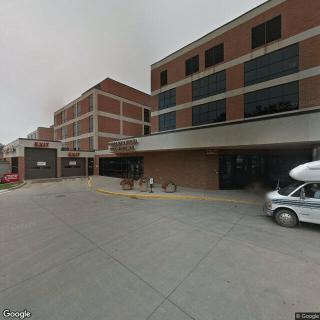


 Securing Financial Support for Assisted Living: A Comprehensive Overview
 Social Security Benefits and Assisted Living: Navigating Options Across the U.S.
 An Extensive Exploration of the VA Aid and Attendance Benefit