





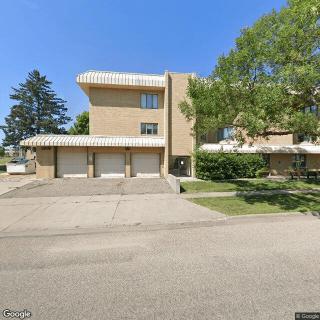
1021 N 26th St, Bismarck, SD 58501
To contact a resident: (701) 223-6888
For more information about senior living options: (866) 208-4318
Overall Review of St Vincent's Care Ctr
Pros
 There are some very good nurses and CNAs at St. Vincent's.
- The staff provide plenty of activities for residents.
- The center is very clean and the food is great.
- The therapists are very good.
- The mother has shown improvement in her health.
- The mother-in-law's care center is a great place; she likes it there.
Cons
 The reviewer was not pleased with how CNAs and nurses treated the grandma; she was skipped for meals and left to sit in a wheelchair all day.
 - They felt that when hospice was involved, everyone turned cold on them and their family.
- The grandma was on hospice for only three days before she passed.
- If given a choice, they would not have sent grandma to this facility, though it was the only place open at the time.
- The mother stayed 13 days and experienced skipped meals, hours in a wheelchair, and a 22-minute wait for a call light to be answered; they had to call daily to get issues addressed.
- Some CNAs were not welcoming, with gossiping and bad attitudes; there was no administrator or DON present.
- They would give zero stars if possible.
- The dad's rehab involved infections (bladder and yeast), bed sores, meals forgotten or served cold, and it took about 30 minutes for help when he called; he had to advocate for himself.
- The 90-year-old mom Bernice faced neglect: call button ignored, staff barking and lacking compassion, unprofessional behavior, delays on the phone, and a two-star rating that should be zero.
Review
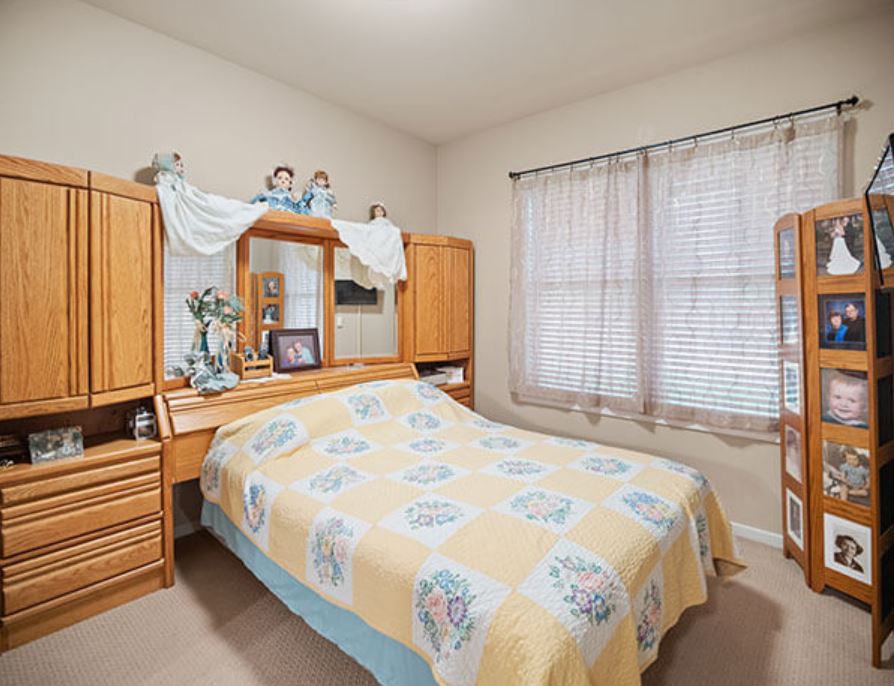
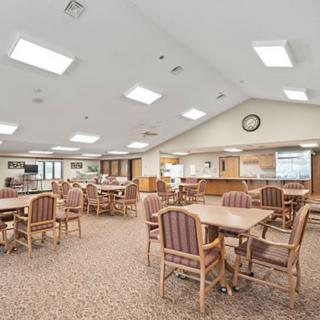
St Vincent’s Care Center in Bismarck is best suited for families seeking a short- to mid-term rehab option where skilled therapists and an active activities schedule can help a loved one regain independence, provided there is strong family or advocate involvement. The facility has been praised for clean surroundings, tasty meals, and a calendar of activities, plus some residents report meaningful health improvements under attentive therapists. When a clear care plan is in place and a relative can consistently monitor progress, this community can deliver in the areas that matter most to rehabilitation-focused stays.
That said, alternatives should be on the table for anyone whose top priority is consistently reliable, compassionate daily care. Several reviews flag serious gaps in responsiveness, including long waits for call bells, delayed assistance to the bathroom, and meals that arrive cold or are not what was ordered. The absence of visible administrative leadership during some stays, along with a perception of staff snark or disengagement, can erode trust quickly. For families who cannot or prefer not to intervene daily, another facility with steadier supervision and a more consistently warm bedside manner may be a safer choice.
The strongest positives, therapists who know their craft, a clean environment, and engaging activities, only partially offset the drawbacks when the resident requires ongoing, hands-on support. Therapists were repeatedly described as capable and effective, a crucial factor for recovery goals. Families also noted moments of genuine kindness from some nurses and CNAs, and in favorable cases, at least some staff members demonstrated dedication despite systemic staffing challenges. However, the inconsistency in daily care, the perception of staff attitudes, and the gaps in basic needs fulfillment (meals, hydration, prompt assistance) undermine the overall experience and disqualify the facility for residents who cannot advocate effectively for themselves.
For long-term care residents or those with high-care needs, the risk calculus tilts toward caution. Reports of bed sores, infections, and patients being left unattended for substantial periods suggest that safety and comfort are not guaranteed, especially when the resident’s family cannot be present to monitor every shift. The likely need to push for timely interventions, calling social workers, demanding unit changes, or nudging administrators, means this environment demands vigilance and assertive involvement. In a best-case scenario, a well-supported rehab stay with clear goals could still be salvaged, but only with ongoing advocacy and a willingness to escalate concerns as needed.
Practical decisions should begin with a clear admission plan: verify that the care team includes a dependable nurse manager and physician oversight, obtain a realistic picture of call-light response expectations, and request a trial period to evaluate responsiveness and meal service. Families should tour multiple shifts, talk to current residents, and probe how concerns are resolved. Ask for concrete metrics, average response times, wound care protocols, and error rates on medications and meals, and insist on a written rehab plan with milestones and a defined end date. If a resident has complex needs or a fragile recovery trajectory, these checks become non-negotiable.
In sum, St Vincent’s Care Center presents a nuanced option: it can support recovery and well-being when therapists and activities are the driver, and when strong family advocacy or a capable caregiver is ready to supervise daily operations. However, it is not a uniformly reliable choice for comfort, dignity, and seamless daily care. Pros offset the cons only for families prepared to engage actively, push for high standards, and accept the possibility of variable staff experience. For those prioritizing steady, consistently compassionate care without the need for constant advocacy, exploring alternatives with stronger leadership presence and proven accountability is highly advisable.
 101 resident community capacity
 Skilled Nursing Facility
 Air-conditioning
 Beauty salon
 Cable or satellite TV
 Computer center
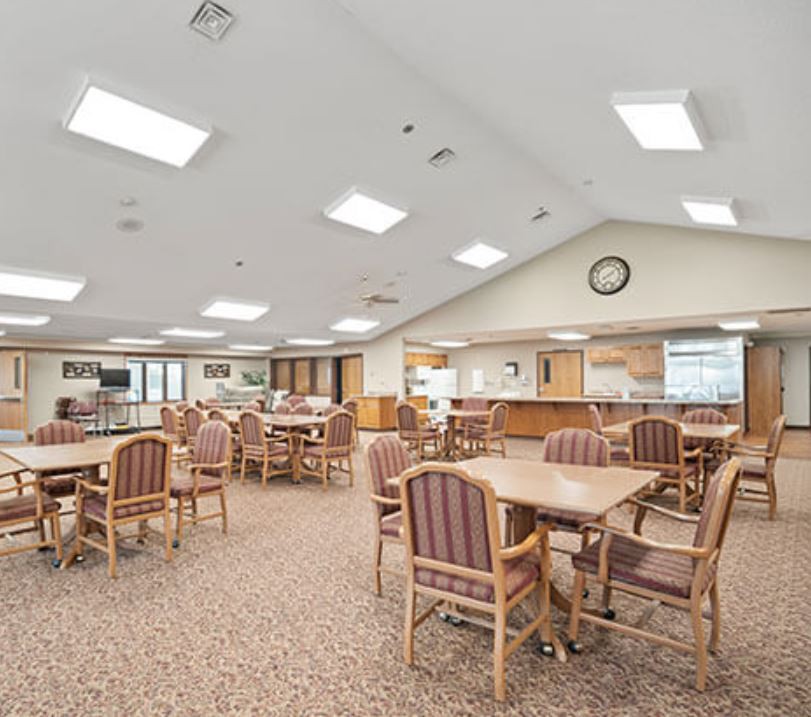
 Dining room
 Fitness room
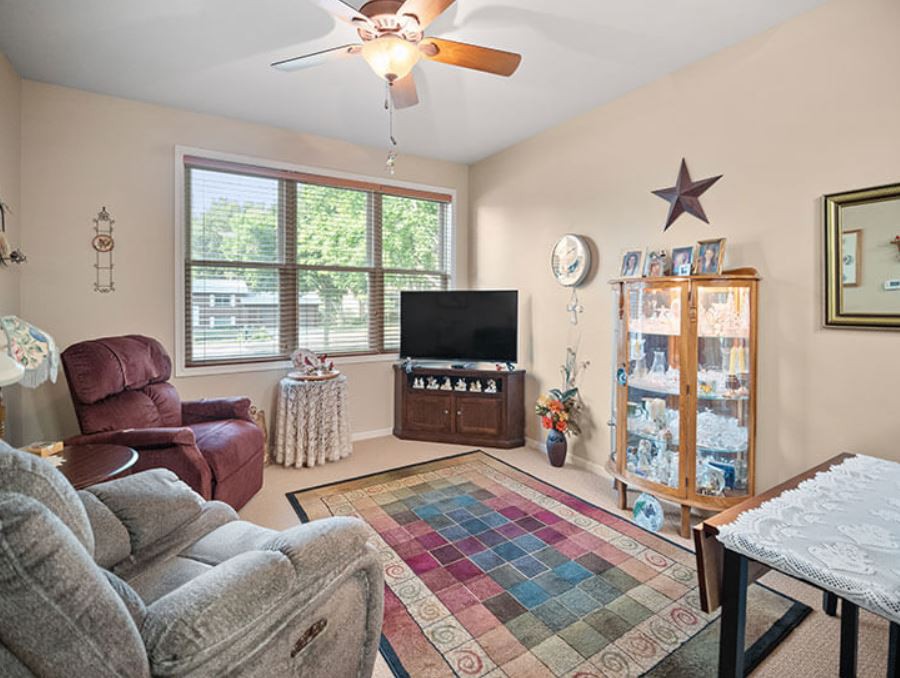
 Fully furnished
 Gaming room
 Garden
 Housekeeping services
 Kitchenette
 Move-in coordination
 Outdoor space
 Private bathrooms
 Restaurant-style dining
 Small library
 Telephone
 Wellness center
 Wi-Fi/high-speed internet available
 Bismarck Municipal (3 miles away)
 Community operated transportation
 12-16 hour nursing
 24-hour call system
 Activities of daily living assistance
 Assistance with bathing
 Assistance with dressing
 Assistance with transfers
 Diabetes diet
 Medication management
 Mental wellness program
 Special dietary restrictions
 Concierge services
 Planned day trips






 Compassionate Conversations: How to Comfort Someone Who Is Grieving
 Home Health Care Aides: Understanding Their Role and Supporting Your Family
 Urinary Tract Infections in Older Adults: Comprehensive Insights on Symptoms, Treatment, and Prevention