Augusta Place - A Prospera Community

316 Versailles Avenue, Bismarck, ND 58503

For more information about senior living options: (844) 490-3973

3.3 from 10 reviews
5 stars
5
4 stars
1
3 stars
0
2 stars
0
1 stars
4

Assisted Living

Overall Review of Augusta Place - A Prospera Community

Pros

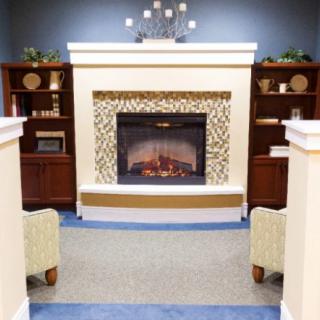
  • pro The facility is clean, well lit, and feels like home.
  • pro The staff are welcoming and cheerful.
  • pro There are great CNAs and nurses working there.
  • pro The first care conference was very informative and included the resident.
  • pro The resident is receiving physical therapy and speech therapy.
  • pro The resident was able to stand for two minutes, a positive milestone.
  • pro Residents get to participate in activities.
  • pro The resident has gained weight and has her own eating utensils and mat, making eating easier.
  • pro It is a small, homey, ground-level facility that residents are thankful to be in.
  • pro The staff and environment feel very homey.
  • pro The facility is excellent with caring staff.

Cons

  • pro The administrator is toxic, doesn't take constructive criticism, and has run the place into the ground.
  • pro HR and upper management did nothing and protected the administrator.
  • pro The facility would not be recommended as a place to work or to place loved ones.
  • pro The reviewer alleges the facility enabled elderly abuse by Nancy Yells Eagle against their mother for a year.
  • pro The place is described as horrible and as hiding abuse and neglect, similar to Sunset Drive.
  • pro Aides who abuse residents are simply moved to different units rather than being held accountable.
  • pro The staff don't care about residents; it's all about money.
  • pro A package sent to the reviewer's mother was lost and could not be found.

Review

The collection of impressions about this care facility presents a surprisingly wide spectrum. On one end, there are stark warnings about a toxic workplace culture and a management style that critics say is unswayed by constructive feedback. Some reviewers describe an administrator who resists input and who, in their view, has allowed a troubling environment to take hold. They say HR and higher-ups have failed to intervene or hold the leader accountable, leading to frustration, disillusionment, and a belief that speaking up about issues could come with personal or professional cost. In these accounts, the message is clear: the facility can feel unsafe or unhealthy for staff and, by extension, for residents, and they warn prospective families away from work or long-term stays because they question whether changes will ever come. Within these scenes, there is also a candid acknowledgment that there are many dedicated CNAs and nurses who do care deeply for residents, even if the broader culture is said to undermine or overshadow that care.

Amid the stronger warnings, another thread runs through the reviews: a different location or perhaps a different experience within the same system that shines with more positive daily life. One family describes their mother arriving after a stint in another home and finding Augusta Place Good Samaritan to be markedly better. They praise the place as clean, well-lit, and "homey," with staff who are welcoming and cheerful. The first care conference is described as highly informative and inclusive, with the mother herself participating in the discussion. The resident begins to receive physical therapy and speech therapy, and the improvements are tangible - standing for two minutes, progress that had been hard to come by in the past, and a renewed ability to join activities. They emphasize the simple but meaningful details that make daily life easier and more dignified, such as the provision of personal eating utensils and a dedicated eating mat, which also ties into a reported gain in weight. For this reviewer, the atmosphere feels comforting and attentive, with a sense of genuine care that contrasts with the earlier, more negative characterizations of the system as a whole.

Yet even within these more favorable notes there are jarring interruptions that keep the overall picture unsettled. A separate entry reports a troubling incident: a package sent via UPS for the mother could not be found, and the reviewer uses this moment to reiterate a strong warning against placing loved ones there. The accusations escalate into a claim that an individual - named Nancy Yells Eagle - has engaged in elderly abuse over a prolonged period, and the reviewer urges others to avoid the facility to prevent similar harm. This report adds a layer of fear and distrust, suggesting not only internal organizational issues but also concerns about resident safety and accountability. It's a sharp counterpoint to the earlier positive impressions and demonstrates how quickly perceptions can flip based on new or perceived incidents.

The narrative then broadens to include comparisons with other facilities, with critics arguing that problems at the site extend beyond isolated fallibilities. One reviewer draws a cynical parallel to Sunset Drive, accusing the organization of hiding abuse and neglect and noting that, when abuse by aides is alleged, the typical remedy appears to be moving the staff member around rather than addressing the underlying issues. This viewpoint frames the enterprise as primarily motivated by financial considerations, with resident care taking a backseat to other priorities. Even as this harsh charge is leveled, other comments still reference the same locale in more favorable terms, suggesting a tension between what some experience as bad practices and what others experience as a supportive, resident-centered approach.

Despite the vocal concerns, the reviews also circle back to experiences that emphasize continuity and attachment to caregivers. One reviewer affirms that their mother remains at Augusta Place Good Samaritan and notes a broader context: a new, larger nursing home being built on North Washington contrasts with the older, smaller, ground-level facility that they prefer. The sentiment here is one of gratitude for the family's ability to secure a placement that feels intimate and manageable, and for caregivers who continue to be a source of stability and trust. Even with external development nearby, the author stresses an ongoing appreciation for the staff and the care they provide. The repeated use of terms like "homey" and "caring staff" reinforces the idea that, for some families, the human element remains the strongest thread in the overall tapestry.

Within this mosaic of opinions, several reviewers converge on a few common positives: when care conferences happen and families are invited to participate, communication improves and residents show measurable gains from therapies. The warmth and approachability of the staff - factoring in how they interact with residents and families - consistently emerges as a valued feature. There are acknowledgments that the facility can be clean, well-lit, and organized in a way that makes residents feel comfortable and valued, with small but meaningful conveniences like personal utensils and accessible amenities contributing to a sense of normalcy and dignity. At the same time, the more troubling accounts remind readers that there are serious concerns about leadership, accountability, and resident safety that warrant careful attention from families, staff, and regulators alike.

In the end, readers are left with a layered portrait: a place where excellent caregivers, compassionate interactions, and tangible improvements in residents' well-being can coexist with reports of toxicity, perceived neglect, and alarming claims of abuse. The stories underscore how quickly personal experiences can diverge within the same system, how much hinges on leadership and workplace culture, and how critical transparent communication, solid accountability, and consistent, resident-centered practices are to forming a trustworthy impression of a care facility. For families considering care for a loved one, the message is to weigh both the hopeful accounts of positive change and the more cautionary warnings, and to seek direct, current insights from staff, administrators, and regulators to form a complete understanding of what life at the facility might look like.

Features

Housing

  • 16 resident community capacity 16 resident community capacity

Types of Care

  • Assisted Living Assisted LivingAssisted living facilities provide crucial support and care for seniors who may need help with daily tasks such as medication management, bathing, and meal preparation. These communities offer a safe and comfortable environment where seniors can maintain their independence while receiving the assistance they need to thrive in their golden years.

Amenities

  • Cable or satellite TV Cable or satellite TVCable or satellite TV is important for seniors because it provides entertainment, news, and companionship, helping to combat loneliness and boredom. It also offers a wide range of programming options tailored to different interests and preferences.
  • Dining room Dining roomDining rooms are important for seniors as they provide a space for socialization, connection, and nutritious meals. They offer opportunities for residents to bond over shared meals, foster a sense of community, and promote healthy eating habits. Dining rooms also ensure that seniors have access to well-balanced meals tailored to their dietary needs and preferences.
  • Fully furnished Fully furnishedFully furnished senior living communities are important for seniors because they provide convenience, comfort, and a hassle-free moving experience. Seniors can easily settle into their new living space without the stress of having to buy and move furniture. This allows them to focus on enjoying their new home and community.
  • Garden GardenGardens are important for seniors as they provide a peaceful and therapeutic environment for relaxation, physical activity, and socialization. Being in nature has been shown to reduce stress, improve mood, and promote overall well-being. Gardens also offer opportunities for seniors to engage in gardening activities, which can improve mobility, flexibility, and cognitive function. Additionally, gardens create a sense of community and connection with others who share a passion for plants and outdoor spaces.
  • Housekeeping services Housekeeping servicesHousekeeping services are important for seniors because they help maintain a clean and safe living environment, promote independence, and reduce the risk of accidents or illnesses. Additionally, having assistance with household chores can alleviate physical strain and allow seniors to focus on other aspects of their well-being.
  • Move-in coordination Move-in coordinationMove-in coordination is important for seniors because it helps ease the transition into their new living environment. It ensures that all logistics, such as packing, organizing movers, and setting up utilities are taken care of, allowing seniors to focus on settling in and adjusting to their new home. Having a smooth move-in process can alleviate stress and anxiety, making the transition smoother and more enjoyable for seniors.
  • Outdoor space Outdoor spaceOutdoor spaces are important for seniors as they provide opportunities for physical activity, social interaction, exposure to natural light and fresh air, and a sense of connection to nature. Having access to outdoor spaces can improve overall well-being and quality of life for older adults living in senior communities.
  • Telephone TelephoneTelephones are important for seniors as they provide a lifeline for communication with loved ones, emergency services, and healthcare providers. They offer a sense of security and independence, enabling seniors to stay connected and access assistance when needed.
  • Wi-Fi/high-speed internet available Wi-Fi/high-speed internet availableWi-Fi/high-speed internet is important for seniors to stay connected with loved ones, access online resources, and participate in virtual activities to combat feelings of loneliness and isolation. It also allows them to easily manage healthcare needs, access entertainment, and engage in lifelong learning opportunities.

Transportation

  • Bismarck Municipal (6 miles away) Bismarck Municipal (6 miles away)

Care Services

  • 24-hour supervision 24-hour supervision24-hour supervision is important for seniors to ensure their safety, well-being, and access to immediate assistance in case of emergencies or health issues. This constant support provides peace of mind for both seniors and their loved ones, allowing them to age in place with dignity and security.
  • Activities of daily living assistance Activities of daily living assistanceActivities of daily living assistance are important for seniors because they provide essential support with tasks such as eating, bathing, dressing, and mobility. This assistance helps seniors maintain their independence, dignity, and overall quality of life as they age.
  • Assistance with bathing Assistance with bathingAssistance with bathing is crucial for seniors as it helps maintain personal hygiene, prevents infections, and ensures their overall well-being and comfort. It also provides a sense of dignity and independence for seniors who may struggle with this task on their own.
  • Assistance with dressing Assistance with dressingAssistance with dressing is important for seniors because it helps maintain their independence, promotes personal hygiene, prevents accidents and injuries, and improves overall quality of life. This service ensures that seniors can continue to dress comfortably and confidently, despite any physical limitations they may have.
  • Assistance with transfers Assistance with transfersAssistance with transfers is crucial for seniors as it helps prevent falls and injuries, maintains their independence, and ensures they can safely navigate their living environment. It also provides peace of mind for both seniors and their loved ones.
  • Coordination with health care providers Coordination with health care providersCoordination with health care providers is crucial for seniors to ensure proper medical care, medication management, and overall well-being. This collaboration helps prevent overlapping treatments, track progress more effectively, and provide comprehensive support tailored to individual needs.
  • Diabetes diet Diabetes dietA diabetes diet is crucial for seniors as it helps manage blood sugar levels, reduce risks of complications, and improve overall health and well-being. By following a balanced and nutritious diet tailored to their specific needs, seniors can better control their diabetes and enhance their quality of life.
  • Meal preparation and service Meal preparation and serviceMeal preparation and service are crucial for seniors as they may have limited mobility or energy to cook nutritious meals. Having access to healthy and convenient food options can ensure they are getting the proper nutrition needed to maintain their overall health and well-being.
  • Medication management Medication managementMedication management is crucial for seniors to ensure they are taking the right medications at the correct dosages and times. This helps prevent adverse drug interactions, reduces the risk of medication errors, and promotes overall health and well-being. Proactive management also allows for adjustments as needed based on changing health conditions or new prescriptions.
  • Special dietary restrictions Special dietary restrictionsSpecial dietary restrictions are important for seniors because age-related changes in metabolism and health conditions can make it difficult for their bodies to process certain foods. By following a diet tailored to their specific needs, seniors can maintain their overall health and well-being, manage chronic conditions, and reduce the risk of complications such as malnutrition or food interactions with medications.
  • Transportation arrangement (medical) Transportation arrangement (medical)Transportation arrangements for medical purposes are essential for seniors as they may have difficulty driving themselves to appointments or accessing public transportation. Having reliable and safe transportation options ensures that seniors can receive timely medical care and maintain their health and well-being.
  • Transportation to doctors appointments Transportation to doctors appointmentsTransportation to doctors' appointments is crucial for seniors as it ensures they have access to necessary medical care and support for their health needs. Without reliable transportation, seniors may struggle to attend important appointments, leading to potential delays in treatment and health complications. Providing transportation services helps seniors maintain their overall well-being and quality of life.
Dining

  • Diabetes diet Diabetes dietA diabetes diet is crucial for seniors as it helps manage blood sugar levels, reduce risks of complications, and improve overall health and well-being. By following a balanced and nutritious diet tailored to their specific needs, seniors can better control their diabetes and enhance their quality of life.
  • Special dietary restrictions Special dietary restrictionsSpecial dietary restrictions are important for seniors because age-related changes in metabolism and health conditions can make it difficult for their bodies to process certain foods. By following a diet tailored to their specific needs, seniors can maintain their overall health and well-being, manage chronic conditions, and reduce the risk of complications such as malnutrition or food interactions with medications.

Activities

  • Community-sponsored activities Community-sponsored activitiesCommunity-sponsored activities are important for seniors as they provide opportunities for social interaction, mental stimulation, and physical activity. These activities can help improve overall well-being, combat loneliness and isolation, and promote a sense of belonging and purpose among older adults.
  • Scheduled daily activities Scheduled daily activitiesScheduled daily activities are important for seniors because they provide structure, socialization, mental stimulation, and physical activity. Engaging in regular activities can improve overall well-being and quality of life for seniors living in a community setting.

Description

Augusta Place is a vibrant and welcoming assisted living community located in Bismarck, ND. With its array of amenities and comprehensive care services, it offers a comfortable and convenient lifestyle for its residents.

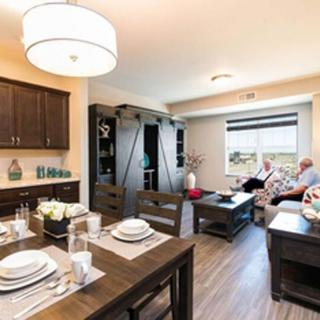
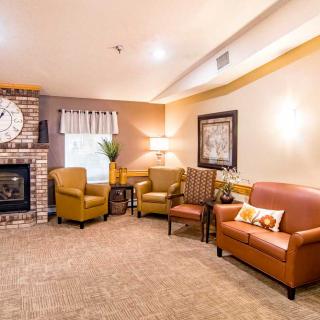
The community boasts a spacious dining room where residents can enjoy delicious meals prepared by skilled chefs. The fully furnished accommodations provide a cozy and homely environment for individuals to relax and feel at ease. For those who appreciate the beauty of nature, there is a lovely garden where residents can spend time outdoors and soak up the sunshine.

Maintaining cleanliness and tidiness is made easy with the housekeeping services offered at Augusta Place. Residents can enjoy hassle-free move-in coordination when joining the community, ensuring a smooth transition into their new home. Additionally, telephone and Wi-Fi/high-speed internet are readily available to keep residents connected with loved ones.

At Augusta Place, caring staff members are readily available to assist with activities of daily living such as bathing, dressing, and transfers. The community also coordinates with health care providers to ensure that residents receive any necessary medical attention promptly. Special dietary restrictions are accommodated for each individual's unique needs, including diabetes diets if required.

Engaging in stimulating activities is an integral part of life at Augusta Place. Scheduled daily activities provide opportunities for social interaction, mental stimulation, and physical exercise.

The community enjoys an excellent location surrounded by various conveniences. Within close proximity, there are 10 cafes offering a variety of dining options, 4 parks providing beautiful green spaces to explore, 11 pharmacies for medication needs, and 24 physicians ensuring accessible healthcare services. Furthermore, there are numerous restaurants nearby catering to different culinary preferences.

For transportation needs, the community offers arrangements for medical appointments as well as transportation to doctors' offices. There are also reliable public transportation options available nearby.

Residents seeking spiritual fulfillment will find comfort in having 13 places of worship in close proximity to Augusta Place. For entertainment purposes, there is a nearby theater where residents can enjoy movies and shows. In case of any medical emergencies, there is a hospital conveniently located nearby.

Augusta Place offers an enriching and comfortable lifestyle, ensuring that the unique needs and preferences of each resident are met with care and compassion.

Nearby Places of Interest

Places of Worship

  • Century Baptist Church (0.3 miles)
  • Legacy United Methodist Church (0.6 miles)
  • Evangel (1 miles)
  • Church of Corpus Christi (1.5 miles)
  • Healing Rooms Of The Northern Plains (1.7 miles)
  • Steer (2 miles)
  • Church of Saint Anne (2.2 miles)

Restaurants

  • Ruby Tuesday (0.8 miles)
  • Taco Bell (0.8 miles)
  • Culver's (0.9 miles)
  • Applebee's (1 miles)
  • Sickies Garage Burgers & Brews (1 miles)
  • Charras And Tequila (1 miles)
  • Red Lobster (1 miles)

Physicians

  • Family Vision Clinic (0.8 miles)
  • Phoenix Mind & Body (0.8 miles)
  • Baker Family Medicine (0.8 miles)
  • Spine & Pain Center (0.8 miles)
  • Spine, Orthopedic and Pain Center (0.8 miles)
  • Miracle-Ear Hearing Aid Center (0.9 miles)
  • Dakota Eye Institute (1 miles)

Pharmacies

  • CVS Pharmacy (0.9 miles)
  • Gateway Pharmacy (0.9 miles)
  • Heritage Pharmacy (1 miles)
  • Thrifty White Pharmacy (1.5 miles)
  • Northbrook Drug (1.5 miles)
  • Professional Pharmacy (1.8 miles)
  • Health Mart Pharmacy (1.9 miles)

Cafes

  • Starbucks (0.9 miles)
  • Dunn Brothers Coffee (1 miles)
  • Starbucks (1.6 miles)
  • Starbucks (1.6 miles)
  • City Brew (2 miles)
  • Cafe Etc (2.9 miles)
  • Bistro (3.2 miles)

Theaters

  • Grand Theatres (1.4 miles)

Parks

  • Igoe Park (1.7 miles)
  • Hillside Park (2.6 miles)
  • Sleepy Hollow (3.1 miles)
  • Sertoma Park (3.5 miles)

Hospitals

  • Marillac Manor (3 miles)

Transportation

  • Nationa Lease (3.2 miles)

Frequently Asked Questions

Where is Augusta Place - A Prospera Community?

Nearby Communities

Related Resources

  • does medicare pay for assisted livingMedicare Coverage for Assisted Living: An In-Depth Exploration

    Medicare does not cover assisted living costs, as it focuses on acute medical needs and short-term care, with exceptions for certain medically necessary services like physical therapy. Individuals must explore other options such as Medicaid, veterans' benefits, or long-term care insurance to manage these expenses effectively.

  • assisted living vs nursing homeChoosing the Right Senior Care: A Detailed Exploration of Assisted Living and Nursing Homes

    Choosing between assisted living and nursing homes involves evaluating emotional and financial factors, with assisted living offering independence and support for daily activities at a lower cost, while nursing homes provide intensive medical care for individuals with significant health needs. The decision is influenced by personal preferences, health status, cognitive function, and varying Medicaid coverage across states.

  • assisted living costUnderstanding the True Cost of Assisted Living in 2025: A Comprehensive Guide

    Assisted living in 2025 offers a crucial balance of independence and support for seniors, with costs varying from $2,500 to over $7,000 per month based on factors such as location and care level. Understanding pricing complexities, including regional differences and potential hidden fees, is essential for families to plan financially while ensuring quality care for their loved ones.