

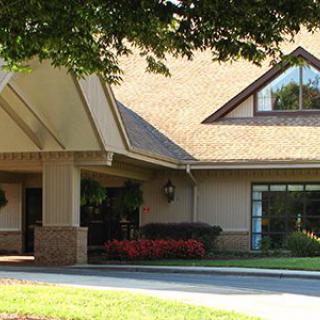
633 W Main St, Yadkinville, NC 27055
To contact a resident: (336) 679-7052
For more information about senior living options: (866) 208-4318
Overall Review of Helping Hands Adult Svc
Pros
 Helping Hands provides personalized care tailored to each resident.
- It ensures safety and security for every resident.
- Companionship is a key focus for residents.
- Family connections are maintained, keeping loved ones connected.
- Nutritional support is provided to residents.
- Families gain peace of mind knowing their loved ones are well cared for.
- Social engagement is encouraged to keep residents active.
- The staff schedules activities, serves great meals, and arranges transportation to appointments.
- Denise coordinates appointments and keeps families in the loop; special events honor residents.
- The love and compassion shown by the staff is second to none.
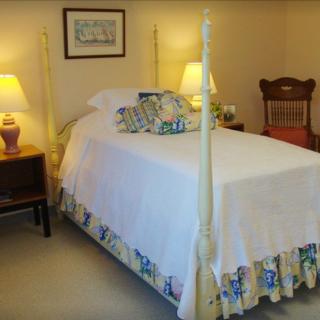
- The facility feels like home and residents are treated like family.
- The staff and owners truly love their residents and provide the best care.
Cons
 No negative statements are present in the reviews (they are all positive about Helping Hands).
Review
Helping Hands Adult Care Home is best suited for families seeking a warm, home-like setting where care feels highly personalized, safety is a clear priority, and ongoing family involvement is welcomed. The community excels for seniors who require daily assistance with activities of daily living, yet still value companionship, meaningful social engagement, and reliable support that keeps family connections strong. Residents benefit from nutrition-focused meals, planned activities, and transportation to appointments, all of which contribute to a sense of steadiness and peace of mind for loved ones watching from the outside. The environment repeatedly feels less like a clinical facility and more like a thoughtful, resident-centered home, where daily routines reinforce dignity and independence wherever possible.
Those who may want to consider alternatives are families dealing with higher medical acuity or who must have closer proximity to family during day-to-day life. If a loved one requires substantial around-the-clock skilled nursing, hospital-grade medical oversight, or a rigorously structured dementia program beyond what a small, home-style setting routinely provides, another option may better meet those needs. Similarly, if geography matters to the care plan, being within a shorter drive from Garner or closer to a hospital campus, the comparative convenience of a nearby facility can tip the balance. In short, the model here suits steady, affectionate care with strong oversight, not environments designed for maximal clinical intensity.
The core advantages are concrete and enduring, and they tend to offset the usual concerns families bring to this decision. Personalized care is the standout, with staff attentive to each resident’s unique journey through aging. Safety and security are embedded in daily practice, enabling family members to trust that their loved one is secure and properly supervised. Companion care, residents who are engaged and not socially isolated, appears consistently, which matters profoundly for mood, cognition, and overall well-being. Maintaining family connections is not a secondary feature but a designed strength: open visitation, transparent communication, and events that honor residents’ lives help families stay involved without feeling intrusive. Nutritional support, a hallmark of the program, pairs with social engagement to create not just meals, but daily rituals residents anticipate. Together, these elements deliver peace of mind that the person’s social and physical needs are being met in a respectful, attentive way.
Evidence from families and caregivers underscores how powerful these strengths feel in practice. Residents commonly speak positively about meals, activities, and the sense of community. The staff, including the owners, are described as loving, professional, and deeply invested, often becoming part of the extended family rather than merely caregivers. The model supports around-the-clock care where dementia or advanced needs are present, and families repeatedly note the remarkable stability of staffing and the clarity of communication. What emerges is a trust-based environment: a resident’s day flows with purpose, safety, and social connection, while family members receive timely updates and reassurance that their loved one’s best interests are the driving force behind every decision.
Operationally, the approach centers on individualized care plans that evolve as conditions change, with a clear emphasis on keeping residents content and engaged. The facility’s capability to coordinate transportation for appointments, celebrate residents with special events, and welcome family visits is not incidental; it is a deliberate pillar of the program. This structure makes a meaningful difference for dementia care or progressive aging concerns, where routine and familiarity reduce anxiety and support better outcomes. For families weighing options, these practical strengths translate into tangible daily stability: predictable routines, accessible staff, and a community that feels like home rather than a distant institution.
Bottom line, this community is a strong fit for families seeking dependable, affectionate, and genuinely home-centered care that treats each resident as an individual. It is especially well-suited for those who value safety, nutrition, social engagement, and an environment where family presence is normalized and encouraged. It may be less suitable for those requiring intensive medical oversight or very short travel times to family; for such cases, proximity and high-acuity services could justify exploring alternatives. With its clear strengths in personalized care and a nurturing, family-oriented culture, Helping Hands offers a compelling, practical choice for many seniors and their loved ones. A face-to-face visit to meet the team and observe daily interactions is the prudent next step to confirm fit and comfort.
 Board and Care Home





 Comprehensive Approaches for Arthritis: A Detailed Guide to Symptoms, Causes, and Care
 Comprehensive Insights and Practical Strategies to Help Older Adults Avoid Falls
 6 Crucial Ways an Elder Law Attorney Assists Families