
5100 Lansing Drive, Winston Salem, NC 27105
For more information about senior living options: (866) 208-4318
Overall Review of Forsyth Village
Pros
 The facility is conveniently located just minutes from a golf course.
- The parking was great.
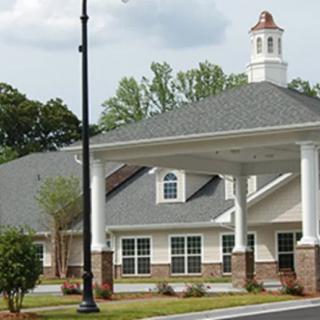
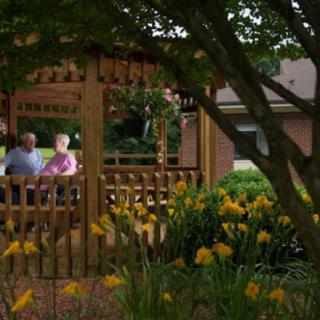
- The grounds look great and the courtyard is beautiful.
- The building looks up to par.
- The reviewer would recommend the facility to others.
- The patients looked like they were having a blast.
Cons
 The reviewer noted patient/caretaker issues, including a caregiver speaking loudly in the room, which was disturbing.
- There were a few setbacks during the visit.
- The building could have used some work in places.
- The reviewer expected the place to be great but was disappointed.
Review
Forsyth Village in Winston-Salem, NC is best suited for active seniors and their families who prize a pleasant, social campus environment with accessible conveniences. It suits residents who enjoy well-maintained outdoor spaces and a lively atmosphere where daily life feels engaging rather than isolated. Those who want easy visit logistics, including ample parking, and a campus that signals hospitality at first glance will find this community appealing. It also aligns with families that value proximity to recreational outings and a welcoming, walkable setting for guests.
The strongest positives revolve around atmosphere and accessibility. The grounds are well-kept, with a courtyard that invites strolls and outdoor activity, and the building presents itself as tidy and presentable. Parking is notably convenient, removing one layer of friction from family visits and caregiver coordination. The combination of an attractive exterior and a bright, social vibe helps residents feel connected and engaged, a factor that matters deeply for quality of life. In practice, residents appear to be enjoying themselves, and that social energy translates into meaningful days for many participants.
On the downside, the experience reveals some real-world staffing and day-to-day challenges. The review notes patient/caregiver interactions that, while not catastrophic, reveal moments of lapses in attentiveness and discipline in noise control. A caretaker’s loud conduct in a shared space is described as disturbing, signaling that supervision and communication protocols can falter in routine moments. These observations point to a need for stronger on-site oversight and consistent staff behavior to sustain a calm, predictable environment, especially in common areas where residents may be sensitive to disruption.
Crucially, the main cons are not existential flaws but operational gaps that can meaningfully affect day-to-day life. The presence of residents with dementia underscores the importance of continuous, calm supervision and careful management of noise, with staff who can respond quickly and discreetly when disturbances arise. While the setting itself is attractive, the degree to which staff maintain quiet, respectful, and resident-centered interactions will influence whether this becomes a standout community or one that requires targeted attention. The building’s aesthetic is solid but shows room for upgrades in maintenance and modernization, suggesting that without ongoing updates, the environment may feel a touch dated over time.
Given these trade-offs, Forsyth Village is a smart fit for families prioritizing a vibrant social milieu and a visually appealing, easily navigable campus. It is less ideal for those who require rigorous, memory-care–focused programming, highly predictable quiet environments, or a facility with flawless staff consistency and proactive problem-solving. Alternatives should be considered for families seeking tighter staff accountability, stronger dementia-specific programming, or a more contemporary facility footprint with fewer maintenance concerns. In short, this community delivers for residents who value community energy and accessible amenities, but it asks for patience from families who want near-perfect staff coordination and a uniformly serene setting.
For families seriously weighing Forsyth Village, a practical path forward involves focused visits that probe staff interactions and supervision practices during peak activity times, requesting specifics about employee training and turnover, and observing a resident activity or shareable program in action. Ask how dementia-related behaviors are monitored and managed, and request a transparent plan for ongoing maintenance and potential updates to the building. Compare these findings against other nearby communities that emphasize memory care expertise, quieter environments, and more rigorous quality controls. With clear expectations set, Forsyth Village can be an excellent choice for those who value vitality and ease of access, while alternative options may better serve those prioritizing quiet, highly consistent care, and advanced dementia support.
 60 resident community capacity
 Assisted Living
 Air-conditioning
 Beauty salon
 Cable or satellite TV
 Computer center
 Dining room
 Fitness room
 Fully furnished
 Gaming room
 Garden
 Housekeeping services
 Kitchenette
 Move-in coordination
 Outdoor space
 Private bathrooms
 Restaurant-style dining
 Small library
 Telephone
 Wellness center
 Wi-Fi/high-speed internet available
 Piedmont Triad International (16 miles away)
 Community operated transportation
 12-16 hour nursing
 24-hour call system
 Activities of daily living assistance
 Assistance with bathing
 Assistance with dressing
 Assistance with transfers
 Diabetes diet
 Medication management
 Mental wellness program
 Special dietary restrictions
 Concierge services
 Planned day trips

 Social Security Benefits and Assisted Living: Navigating Options Across the U.S.
 An Extensive Exploration of the VA Aid and Attendance Benefit
 Senior Transition Services: Understanding Their Role, Cost, and Importance