
3501 Senior Village Lane, Wilson, NC 27896
For more information about senior living options: (866) 208-4318
Wilson Assisted Living Costs & Pricing
Wilson Assisted Living offers competitive pricing for its residents compared to the broader market of Wilson County and North Carolina as a whole. With a monthly cost of $1,800 for semi-private rooms, it significantly undercuts the county average of $2,978 and the state average of $3,584. Similarly, studio apartments at Wilson Assisted Living are priced at $3,600, which is lower than both the county's average of $3,777 and the state's rate of $4,020. These costs highlight Wilson Assisted Living's commitment to providing affordable options that enable residents to receive quality care without the financial strain often associated with assisted living facilities in the region.
| Floor plans | Wilson Assisted Living | Wilson County | North Carolina |
|---|---|---|---|
| Semi-Private | $1,800 | $2,978 | $3,584 |
| Studio | $3,600 | $3,777 | $4,020 |
Overall Review of Wilson Assisted Living
Pros
 The facility has a pleasant environment and friendly staff.
- The facility is clean and the staff are attentive to residents.
- Residents are given activities suited to their abilities, with some participating in running a snack store.
- Most residents appear happy.
- The facility is neat, home-like, and the staff keep residents company and engaged.
- Staff show warmth and care, including comforting hugs.
- Hair care is provided by staff, and residents express satisfaction with their hair.
- The facility is described as awesome, with staff who are friendly and care for residents as if they were family.
Cons
 The facility lacks consistent interaction or monitoring of patients.
- Aides are not consistent in working with patients.
- There are not enough aides on the second shift.
- Directors and managers do not return calls in a timely manner.
- The attitudes of the facility need to be more positive and to serve rather than lord over the patients.
- Some residential rooms could use cosmetic repairs.
- Staff do not return telephone calls in a timely manner, even after messages are left.
- An increase in pay might attract more qualified aides.
Review
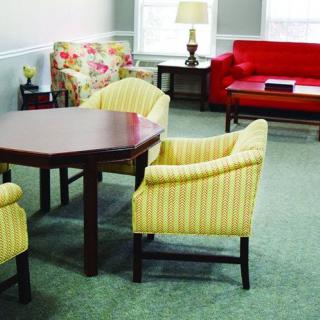
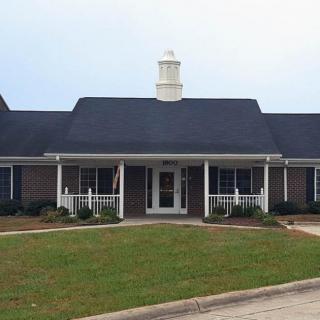
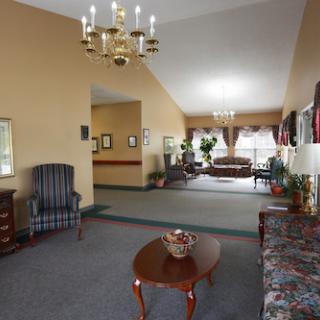
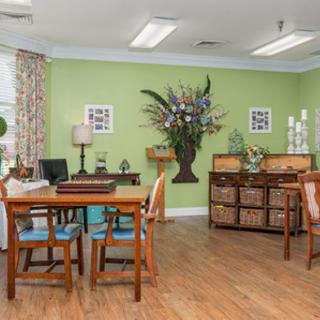
Wilson Assisted Living in Wilson, NC is best suited for seniors who prize a clean, home-like setting and genuine warmth from staff, and who can tolerate variability in day-to-day staffing and supervision. The community works well for residents who are relatively independent in daily activities but benefit from structured routines, social programming, and accessible amenities that foster neighborly interaction. The facility presents as a tidy, apartment-style environment with brick exterior and courtyards, where residents can enjoy outdoor time, casual conversations, and regular staff engagement. In short, it serves families seeking a welcoming, low-ceremony option where care is present but not relentlessly clinical, and where family involvement can complement on-site attention.
Those considering alternatives should note that Wilson Assisted Living may not be ideal for residents requiring highly consistent daily oversight, rapid response to care needs, or a robust medical support structure. Families with loved ones who have complex medication regimes, frequent medical monitoring, advanced dementia, or significant behavioral challenges may prefer options with more reliable caregiver coverage and stronger clinical staffing. Additionally, households prioritizing uniform call-back responsiveness from administration, or who require ongoing cosmetic or environmental upgrades beyond routine maintenance, may want to shop for communities with proven, continuous performance in those areas.
The most persuasive pros, an overall pleasant environment, friendliness from staff, and meaningful social activities, offset several drawbacks by delivering a humane, resident-centered atmosphere. The care setting tends to feel approachable and homelike, with residents who appear happy and engaged in appropriately scaled activities. Observations of staff outside with residents, conversations, and light touches of comfort (such as hugs in appropriate moments) signal a culture of genuine interactions rather than mere task completion. Cleanliness, a well-kept appearance, and shared moments of social participation, like residents assisting with simple programs or running small in-house activities, all reinforce a sense of dignity and belonging that many families value when evaluating long-term care options.
Yet the main drawbacks cannot be overlooked. Inconsistent aides and staffing gaps on the second shift limit daily reliability and may compromise timely help during care needs or bathroom assistance. Management issues surface in the form of directors and managers who do not consistently return calls promptly, undermining family confidence and continuity of care. Attitudes across the facility can feel less than uniformly service-oriented, with calls for better staff morale and a more cooperative, patient-centered mindset. Some residents experience rooms requiring cosmetic repairs, and while the environment remains pleasant, upkeep on individual units may trip up expectations for a polished, immediately move-in-ready presentation.
These gaps matter even where the positives shine. The presence of engaged, personable staff and a clean, welcoming campus can help residents settle and enjoy daily routines, but the inconsistent staffing and slow administrative responsiveness create friction for families relying on dependable oversight. The commendable social programming and resident participation in daily-life activities demonstrate a capacity to deliver quality of life, yet they do not fully counterbalance the risks associated with uneven staffing and limited immediate access to administrative problem-solving. Families should weigh whether a slightly more predictable staffing model justifies potential trade-offs in program breadth or campus size.
For families weighing next steps, approach this community with clear expectations and concrete questions. Request the current staffing ratios by shift, the standard response time to care calls, and how often aides are reassigned to maintain continuity. Seek a direct conversation with the administrator about plans to address call-backs and staff morale, and ask for a timetable on any pending cosmetic repairs so moving-in hurdles are minimized. Acknowledge the strong social and environmental strengths while incorporating a plan for proactive monitoring and regular family updates. When a balance between warmth, cleanliness, and activities versus dependable, consistent care is the priority, Wilson Assisted Living is a viable option, provided the care plan is paired with vigilant oversight and explicit assurances on staffing reliability.
In the end, this community suits families who place personal interaction, a welcoming atmosphere, and resident happiness at the forefront, and who can actively participate in ensuring consistent care. For those requiring steadfast, high-frequency clinical oversight, or where administrative responsiveness is non-negotiable, alternatives with stronger staffing frameworks and more centralized management may deliver greater peace of mind. The decision should hinge on whether the anticipated quality of daily life and social engagement can be upheld with a level of operational reliability that matches the relative warmth and cleanliness on offer.
 88 resident community capacity
 Assisted Living
 Memory Care
 Cats allowed
 Dogs allowed
 Activities on-site
 Air-conditioning
 Beauty salon
 Cable or satellite TV
 Computer center
 Devotional services off-site
 Dining room
 Fitness room
 Fully furnished
 Gaming room
 Garden
 Housekeeping services
 Indoor common areas
 Kitchenette
 Move-in coordination
 Outdoor space
 Private bathrooms
 Restaurant-style dining
 Small library
 Telephone
 Wellness center
 Wi-Fi/high-speed internet available
 Community operated transportation
 12-16 hour nursing
 24-hour call system
 Ambulatory care
 Assistance with bathing
 Assistance with dressing
 Assistance with transfers
 Diabetes diet
 Diabetic care
 Medication management
 Mental wellness program
 Special dietary restrictions
 Concierge services
 Planned day trips
 English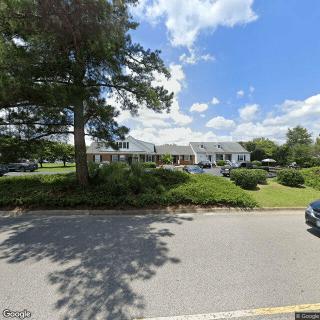




 Five Subtle Dementia Indicators to Observe: An In-Depth Guide to Understanding “Does My Mom Have Dementia?”
 Dementia, Paranoia, and Caregiver Guidance: Understanding the Connection
 Engaging Memory Care Activities That Enhance Quality of Life