
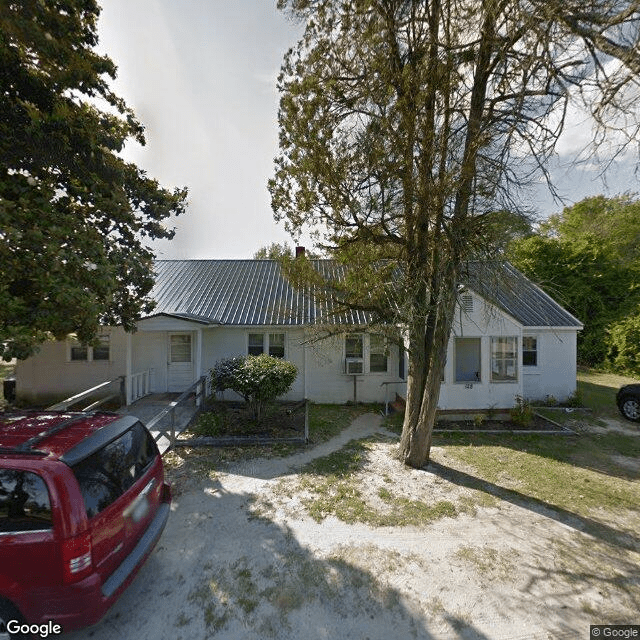
128 N Carlisle St, Southern Pines, NC 28387
To contact a resident: (910) 695-3665
For more information about senior living options: (866) 208-4318
Overall Review of Savannah Family Care Home
Pros
 They treat the client like family.
- They go above and beyond the medical services.
- The family member stayed 17 years and did not want to leave.
- They spoke very highly of Savannah and the care team.
- The owner is a godly woman, and the family appreciates that.
- They take trips together and dine out together.
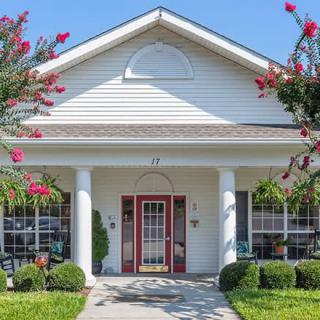
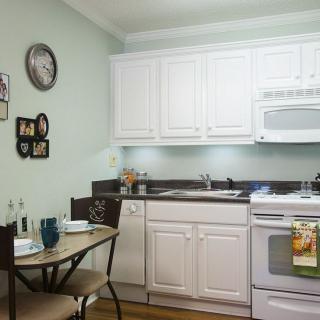
- The atmosphere feels like home.
- The cleanliness and upkeep of the property are awesome.
Cons
 The people answering the phone were rude.
Review
Savannah Family Care Home in Southern Pines, NC is best suited for families seeking a warm, home-like care environment where residents are treated as extended family and care is deeply personal. The community earns its reputation from a longstanding, family-driven approach: owners and staff actively integrate residents into daily life, including group outings and shared meals, with a clear emphasis on dignity and comfort. Long-tenured relationships matter here, one resident stayed for 17 years, an indicator that stability and continuity aren’t afterthoughts but core operating principles. For families prioritizing emotional security, steady routines, and a sense of belonging, this setting often feels like the right fit.
Those who may want to consider alternatives are families needing more formalized clinical oversight or specialized memory-care programming. The setting is a small, family-owned home rather than a large campus, which can mean fewer on-site therapists, fewer structured rehab options, and less comprehensive clinical infrastructure than bigger facilities offer. If around-the-clock medical intensity, a wide array of specialty services, or highly regimented cognitive-impairment programs are essential, other communities with broader medical staffing may be preferable. Additionally, for families where communication and responsiveness during phone inquiries are non-negotiable, the occasional negative phone encounter noted in one review should be weighed carefully.
The strongest positives, personal attention, a “like-family” atmosphere, and integrated daily life, more than offset the main drawbacks. Residents are seen at doctor appointments and receive medications managed with visible attentiveness, which reduces family anxiety about medical coordination. The environment fosters belonging through shared activities and look-in-the-eye candor from staff, a quality that translates into consistent, attentive caregiving. Cleanliness and upkeep reinforce a sense of safety and pride in the home, while the owners’ spiritual leadership and calm, approachable demeanor set a tone of trust that many families value intensely. When care teams feel invested and familiar, the emotional and practical benefits can dramatically offset the limitations of a smaller operation.
Equally important are the concrete demonstrations of care: a staff that “goes above and beyond” medical services, proactive scheduling of doctor visits, and a daily rhythm that makes transitions seamless rather than disruptive. The longevity of relationships with residents and families reinforces confidence that care plans won’t abruptly change with turnover. Families repeatedly highlight a secure, home-like security that reduces the fear of relocation, and the capacity to embed meaningful outings and dining experiences keeps quality of life high. These strengths create a strong counterpoint to the occasional friction that can arise in smaller, person-centered homes, illustrating that high-touch care often supersedes more impersonal, institutional models.
That said, the house-small advantages come with considerations. The intimate setting naturally limits capacity and the breadth of clinical resources, so families should assess whether the level of medical oversight aligns with a loved one’s needs. The faith-forward culture may be a decisive positive for some; for others, it requires alignment with personal beliefs and expectations of spiritual support. One cautionary note from a review points to occasional rude phone interactions, underscoring the importance of verifying communication practices and responsiveness before committing. Prospective families should ask for a direct tour, meet the care team, and observe how medical coordination and daily routines actually unfold in practice.
For decision-makers, Savannah Family Care Home represents a compelling choice when warmth, continuity, and everyday humanity matter as much as, or more than, clinical heft. It is ideally suited for seniors who want to stay connected to a sense of home, with caregivers who know their names, preferences, and medical histories. Those prioritizing a highly medicalized setting, expansive programming, or dementia-specific towers of care may find alternatives more suitable. A prudent next step is a scheduled visit to meet the owners and care staff, review a sample care plan, and discuss transportation, medication management, and doctor-appointment workflows. When alignment exists, this community delivers a reassuring, rituals-based standard of living that families often seek but struggle to find in larger facilities.
 Board and Care Home
 Understanding the Full Cost of 24/7 In-Home Care: A Detailed Overview
 Exploring the World of Home Health Nurses: Qualifications, Roles, and Hiring Tips
 Navigating Medicare Coverage for In-Home Care Services