

113 Leslie Drive, Shelby, NC 28152
For more information about senior living options: (866) 208-4318
Overall Review of Serenity Living Family Care 2
Pros
 The new people who took over are very sweet and caring.
- The lady who oversees the place is very sweet and nice.
- The care home has been in business for years and the owners truly care about the residents.
- The John Deere gater is loved by the reviewer.
Cons
 They are money-hungry.
- They are racist toward Black people.
Review
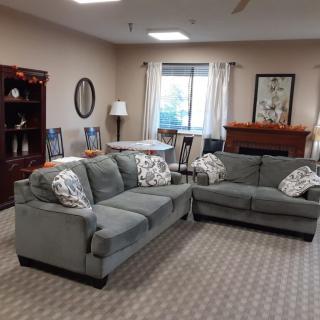
Serenity Living Family Care 2 in Shelby, NC is best suited for families seeking a intimate, home-like assisted living option where residents receive steady, personal attention from owners and long-tenured staff. This community appeals to seniors who value a warm, neighborly atmosphere over a large, institution-like environment. It fits individuals who don’t require round-the-clock medical interventions but do need reliable daily support, companionship, and a consistent caregiver presence. For those who prize meaningful relationships with caregivers and a sense of stability rooted in local ownership, Serenity Living Family Care 2 offers undeniable appeal.
That said, it is prudent to consider alternatives for residents with higher medical needs or for families prioritizing formal oversight, expansive programming, and clear, transparent operations. Larger, more regulated facilities often provide broader on-site medical services, more structured activity calendars, and standardized policies that some families prefer. Prospective residents who want a more polished, destination-level experience or who want assurances around cost structure and governance may find other options better aligned with those expectations.
The strongest positives here center on care quality and continuity. Reviews consistently highlight caring leadership and a staff culture that comes across as genuinely focused on residents’ well-being. The new leadership is described as sweet and attentive, which translates into a quieter, more personalized daily life for residents who thrive on direct, compassionate interactions. The long-standing family-owned frame adds a sense of accountability and pride in keeping residents comfortable and well-supported, an important factor for families seeking trust and familiarity in a caregiver relationship.
Yet, the most serious potential red flags are real and should not be glossed over. One review raises concerns about perceived financial aggressiveness paired with racist attitudes toward Black residents. That combination, if accurate, represents a fundamental risk to residents’ dignity and safety and cannot be dismissed in decisionmaking. Even when other families report warmth and attentiveness, such allegations warrant careful probing during due diligence, visits, conversations with multiple residents, and direct questions about how revenue, fees, and discharge criteria are communicated and enforced. The presence of such opinions means this setting may demand stronger assurances around fairness, inclusion, and transparent financial practices.
Operational nuances reinforce the need for careful evaluation. A separate note hints at questions around policies, such as smoking allowances, that can affect daily quality of life and personal autonomy. While flexibility and a relaxed vibe may be valued by some residents, they must align with family expectations for rules, consistency, and safety. In a small, home-like environment, staff-to-resident ratios and routine can meaningfully shape experiences; thus, families should request current staffing levels, shift patterns, and resident engagement plans to gauge whether the practical day-to-day experience matches the desired standard.
Ultimately, the decision hinges on risk tolerance and priority ordering. For families prioritizing genuine warmth, continuity, and a tightly knit community where caregivers know residents by name, Serenity Living Family Care 2 can deliver a deeply satisfying living arrangement. The upside, personal attention, stable ownership, and a culture of care, can offset the drawbacks if the home environment is precisely what the loved one needs. However, for families who cannot tolerate potential bias, unclear governance, or cost-related ambiguities, exploring alternatives with stronger governance structures and more transparent policies is advisable. The strongest course is to visit, engage with several residents and staff, review recent bills and contracts carefully, and insist on direct answers about safety, inclusivity, and how the home handles complex medical and financial scenarios. In the end, this community stands out for heartfelt care in a small-house setting, but it demands thorough verification to confirm that its strengths align with a resident’s must-haves and a family's standards.
 6 resident community capacity
 Assisted Living
 Board and Care Home
 Activities on-site
 Cable or satellite TV
 Devotional services off-site
 Dining room
 Fully furnished
 Garden
 Housekeeping services
 Indoor common areas
 Move-in coordination
 Outdoor space
 Telephone
 Wi-Fi/high-speed internet available
 24-hour supervision
 Ambulatory care
 Assistance with bathing
 Assistance with dressing
 Assistance with transfers
 Diabetes diet
 Diabetic care
 Meal preparation and service
 Medication management
 Special dietary restrictions
 Transportation arrangement (medical)
 Transportation to doctors appointments






 Assisted Living Support for Veterans: A Complete and Detailed Overview
 Exploring the Contrasts Between Assisted Living and Skilled Nursing
 8 Key Indicators That Suggest It May Be Time to Transition from Assisted Living to Skilled Nursing Care