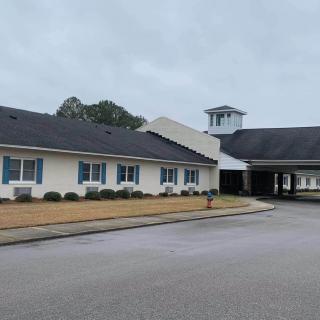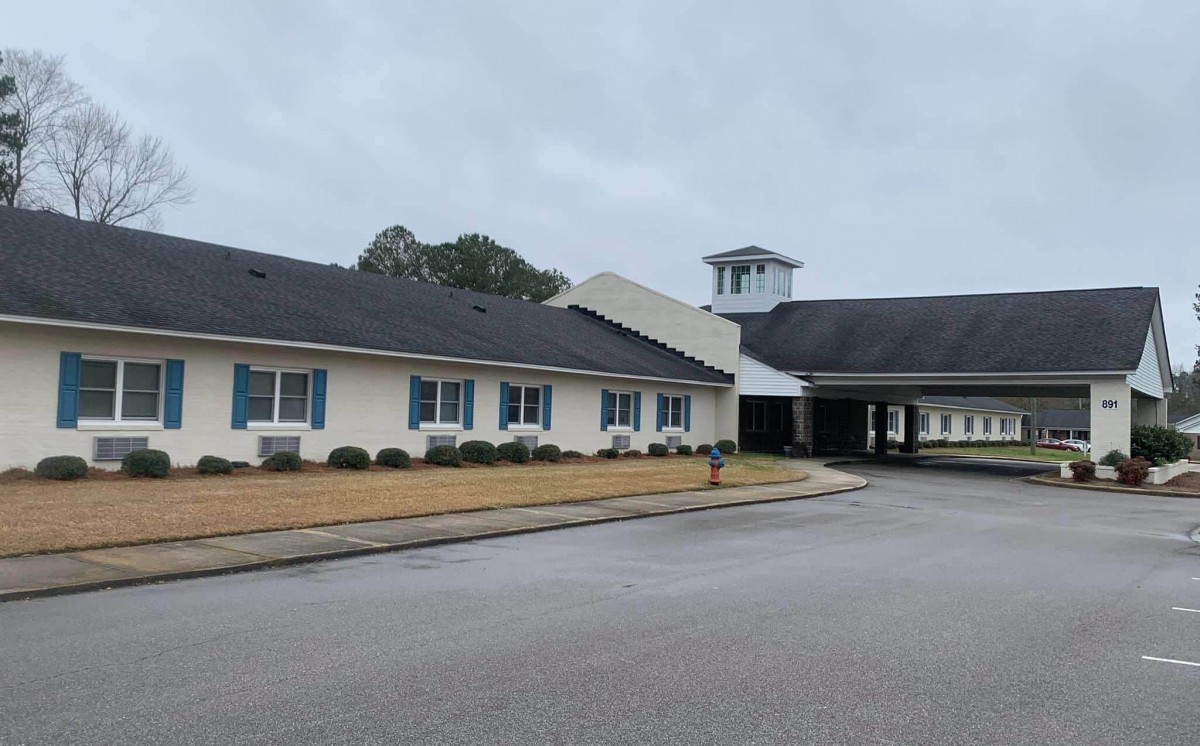
891 Noell Lane, Rocky Mount, NC 27804
For more information about senior living options: (866) 208-4318
Overall Review of Hunter Hill Assisted Living
Pros
 The staff are friendly and helpful.
- The facility is always clean.
- The residents seem to be enjoying themselves.
- The mother has been well cared for and is happy and comfortable.
- Administration is supportive, efficient and considerate.
- The caregivers seem to care for and respect residents.
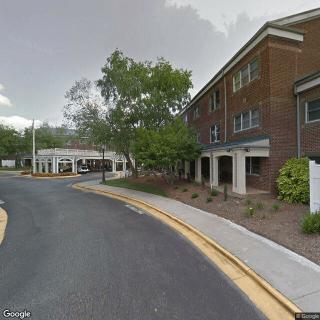
- The entrance and rooms have been remodeled, giving the facility a refreshed look.
- The staff are professional and clean.
Cons
 They claim that reviews aren’t posted for a reason.
- They say the facility needs to clean it up.
- They were disappointed by repeated failure to follow up after requesting a tour and intend to look elsewhere.
- The director is described as disrespectful and unprofessional, with no compassion, insisting on his way.
- The facility is described as cramped and not adequately accommodating its residents.
- The staff are described as mean to residents and slow to help.
- There are reports of dirty clothes, filthy rooms, unmade beds, and some residents with bed sores.
Review
Hunter Hill Assisted Living in Rocky Mount, NC is best suited for families seeking a smaller, home-like setting where cleanliness and personal attention from frontline staff are palpable, and where residents can benefit from ongoing activities in a recently refreshed environment. It works for seniors who are moderately independent or lightly assisted but still want frequent staff interaction, predictable routines, and a facility that feels manageable rather than sprawling. Those who prize a straightforward, intimate atmosphere over a large, bustling campus will likely find value here, especially if remodeling signals a renewed commitment to appearance and function.
However, several realities merit scrutiny before committing. Prospective residents who require very strong clinical oversight or a leadership culture that consistently supports families may want to consider alternatives. Complaints about the director’s demeanor and approach to resident and family interactions raise questions about long-term responsiveness and the willingness to collaborate on individualized care plans. In addition, accounts of poor communication during tour scheduling and inconsistent follow-through can translate into delays or friction when transitioning a loved one into care. For families prioritizing steady, transparent leadership, other options may offer more reliable engagement.
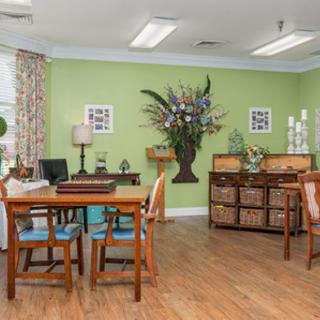
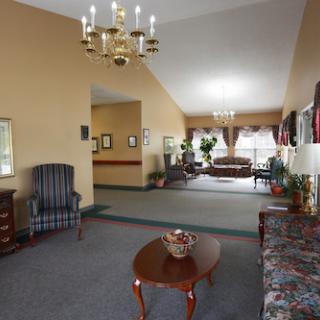
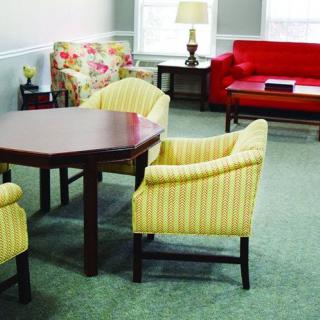
The strongest offset to these concerns lies in the true strengths the community demonstrates in day-to-day life. Multiple reviews highlight friendly, professional caregivers who treat residents with respect and warmth, and a consistent emphasis on cleanliness and order. The staff’s hands-on care, even if not perfect, is repeatedly described as attentive, with residents appearing to enjoy activities and companionship. A remodeled front entrance, updated dining rooms, and refreshed rooms contribute to a perception of reliability and dignity, reinforcing the sense that the environment is cared for and updated, not neglected.
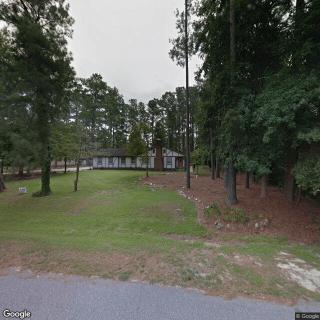
Another significant positive thread is the size and structure of the facility. A 60-bed community arranged in a relatively intimate footprint tends to yield more personalized attention than larger campuses. Families report that staff are accessible, the day-to-day operations feel orderly, and the environment is easier to navigate for visitors. The combination of 24-hour care aides and a compact setting can be a meaningful advantage for residents who do not require intensive medical interventions but value consistent, visible caregiving and a calmer pace of life.
That said, the negatives cannot be dismissed as minor quirks. The most salient risks center on leadership style and the potential for inconsistent experiences. Reports of a director who seems inflexible or unempathetic toward residents and families point to a culture where the path of least resistance is favored over collaborative problem-solving. Other concerns accuse the facility of odor and cleanliness lapses, and at least one account mentions residents not being adequately attended to, with serious implications like bed sores. These experiences underscore that the environment can feel strained under stress, and impressions of care quality can vary dramatically between staff shifts and days.
In practical terms, families weighing Hunter Hill should plan a disciplined, two-part due diligence process. First, request a candid, face-to-face meeting with the administrator and several frontline caregivers to assess communication style, responsiveness, and willingness to tailor care plans. Second, arrange direct observations during mealtimes and activities, inquire about dining quality, and seek recent references from current families about cleanliness, staff morale, and how concerns are addressed. If the goal is a warm, cooperative partnership with leadership and a consistently clean, well-run campus, this community requires careful vetting. If leadership warmth, predictable communication, and uncompromising cleanliness are top priorities, exploring other options may save time and trouble.
 64 resident community capacity
 Assisted Living
 Air-conditioning
 Beauty salon
 Cable or satellite TV
 Computer center
 Dining room
 Fitness room
 Fully furnished
 Gaming room
 Garden
 Housekeeping services
 Kitchenette
 Move-in coordination
 Outdoor space
 Private bathrooms
 Restaurant-style dining
 Small library
 Telephone
 Wellness center
 Wi-Fi/high-speed internet available
 Community operated transportation
 12-16 hour nursing
 24-hour call system
 Activities of daily living assistance
 Assistance with bathing
 Assistance with dressing
 Assistance with transfers
 Diabetes diet
 Medication management
 Mental wellness program
 Special dietary restrictions
 Concierge services
 Planned day trips

 Social Security Benefits and Assisted Living: Navigating Options Across the U.S.
 An Extensive Exploration of the VA Aid and Attendance Benefit
 Senior Transition Services: Understanding Their Role, Cost, and Importance