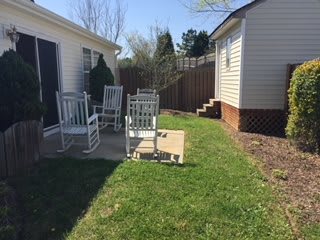
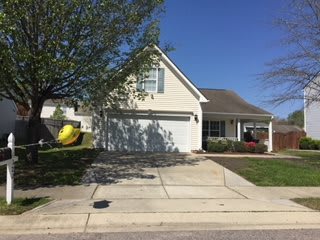
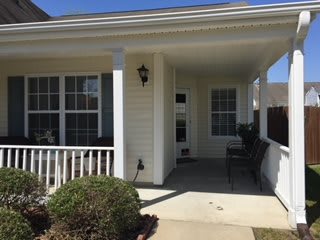





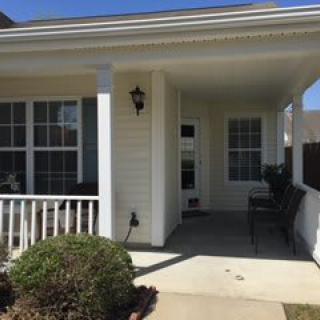
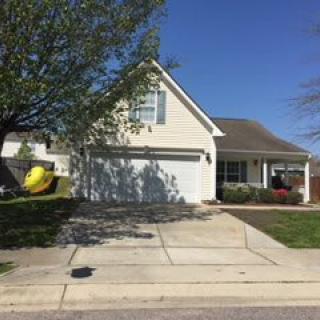

6320 Saybrooke Dr, Raleigh, NC 27604
To contact a resident: (919) 271-0917
For more information about senior living options: (866) 208-4318
Mercy Manor at Saybrooke Costs & Pricing
Mercy Manor at Saybrooke offers competitive pricing for its residential care options, positioning itself as an attractive choice for families seeking quality services in the Wake County area. With a semi-private room priced at $3,225 per month, Mercy Manor is significantly more affordable than the county average of $4,391 and below the state average of $3,584. For those considering private accommodations, the cost at Mercy Manor is $4,000 per month, which also presents a favorable option when compared to Wake County's average of $4,658 and North Carolina's statewide rate of $4,425. This strategic pricing underscores Mercy Manor's commitment to providing accessible and high-quality care for its residents while remaining competitive within the broader market.
| Floor plans | Mercy Manor at Saybrooke | Wake County | North Carolina |
|---|---|---|---|
| Semi-Private | $3,225 | $4,391 | $3,584 |
| Private | $4,000 | $4,658 | $4,425 |
Senior living communities with a similar price nearby
-
from +$575 / mo

Brier Pointe Retirement Community
$3,800 to $5,200 / month16.8 miles away -
from -$225 / mo
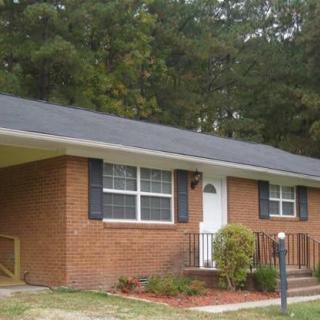
Crawley Family Care Home
$3,000 to $4,500 / month21.5 miles away -
from +$625 / mo

Bartlett Reserve
$3,850 to $4,425 / month20.8 miles away -
from -$425 / mo
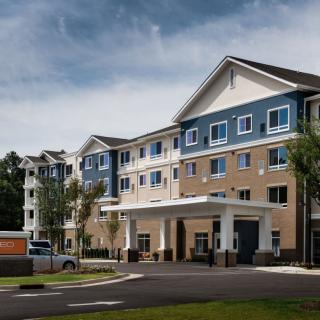
Treeo Senior Living Raleigh
$2,800 to $4,360 / month3.5 miles away -
from +$604 / mo
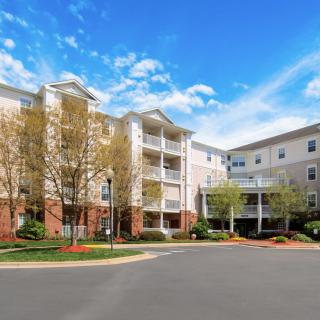
The Gardens At Wakefield
$3,829 to $4,069 / month7.1 miles away
Overall Review of Mercy Manor at Saybrooke
Pros
 The home is very nice.
- The property manager provided a lot of very useful and important information.
- They liked it best among all the places they saw.
Cons
 The home may be too small for Mom.
Review
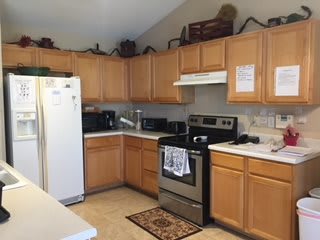
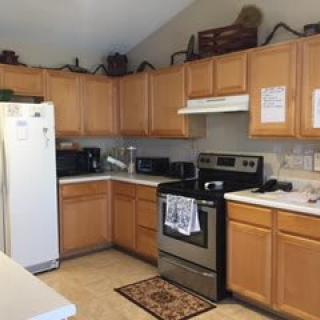
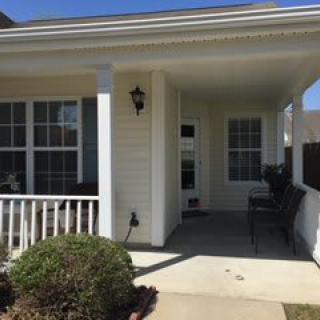
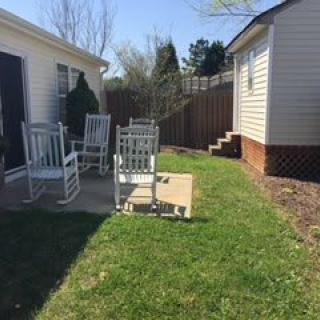
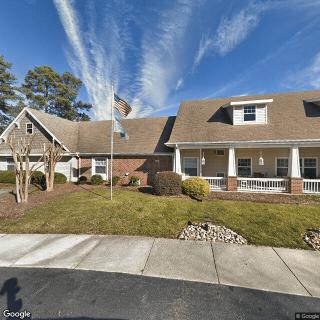
Mercy Manor at Saybrooke in Raleigh is best suited for families seeking a warm, home-like assisted-living option with a compact, intimate footprint. The community reads as a welcoming, well-kept residence where daily life centers on a comfortable, homelike atmosphere rather than a sprawling campus. This setting appeals to families that value direct, transparent information from leadership early in the decision process and want to feel confident that staff can form meaningful, consistent relationships with residents. In short, Mercy Manor serves well as a choice for residents who do not require large common areas or high-acuity care, yet still expect a well-run, personable environment.
Those weighing alternatives should note that Mercy Manor may not be the right fit for residents who need expansive space, abundant social programming in sizable gathering areas, or comprehensive, on-site medical or memory-care services. A resident with advanced mobility needs, a demand for frequent therapy or treatment spaces, or a preference for larger private suites and multiple dining venues may find the footprint limiting. The lack of explicit detail about higher levels of care in the available feedback means families should verify whether advanced support is readily available on-site or if transfers to another level of care would be required.
The strongest positives are concrete and compelling. The home itself is described as very nice, conditions and ambiance that feel more like a well cared-for residence than a clinical setting. The property manager emerges as a standout, delivering a wealth of practical, important information that helps families understand what to expect, what is included, and how the move-in process unfolds. Across the two strong five-star notes and the solid four-star input, the impression is that Mercy Manor excels at delivering a predictable, calm daily rhythm and a management approach that prioritizes accessibility and responsiveness.
The principal downside centers on size. The small-to-moderate footprint may leave a resident feeling cramped if private space, storage, or the option to host larger family visits becomes important. For Mom, in particular, the concern is whether the living area and bedroom configurations will accommodate evolving mobility needs or a desire for more personal space. Without explicit confirmation of the range of care services on site, there is a realistic worry about whether escalating assistance can be delivered without a move. Prospective residents should press for clear specifications on room sizes, storage options, and what levels of support can be provided daily.
Yet the positives offset the quantity of space for many families. A homey layout often translates into safer navigation, easier supervision, and deeper resident-staff connections, factors that drive comfort and security. The combination of a well-led operation and a high regard from those who visited places alongside Mercy Manor’s performance creates a compelling value proposition for households prioritizing warmth, continuity, and straightforward operations over campus size. For families prioritizing a serene, intimate environment with predictable routines and transparent leadership, Mercy Manor offers a strong, practical match.
Final guidance: Mercy Manor at Saybrooke is a strong choice for a resident who values a warm, intimate setting, straightforward information, and hands-on, accessible management. It works best when the care needs are moderate and the desire is for a home-like atmosphere rather than a high-volume, activity-rich campus. Families with residents who require larger spaces, more extensive on-site medical services, or robust memory-care programming should actively compare alternatives that deliver those capabilities. Visiting Mercy Manor with a checklist, room size, storage, daily schedule, staff-to-resident ratios, and a clear plan for escalating care, will reveal whether the small footprint aligns with the resident’s evolving needs and family expectations. In the right match, Mercy Manor delivers practical, dependable value backed by a caring leadership team.
 Board and Care Home
 Activities on-site
 Bath tubs
 Private
 Raleigh-Durham International (14 miles away)



 6 Crucial Ways an Elder Law Attorney Assists Families
 Navigating the Tax Landscape of Caregiving: Credits, Deductions, and Beyond
 Highly Beneficial Low-Impact Exercises for Senior Living Residents