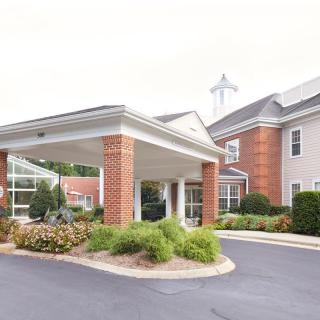
Home Helpers in Raleigh, NC
Save
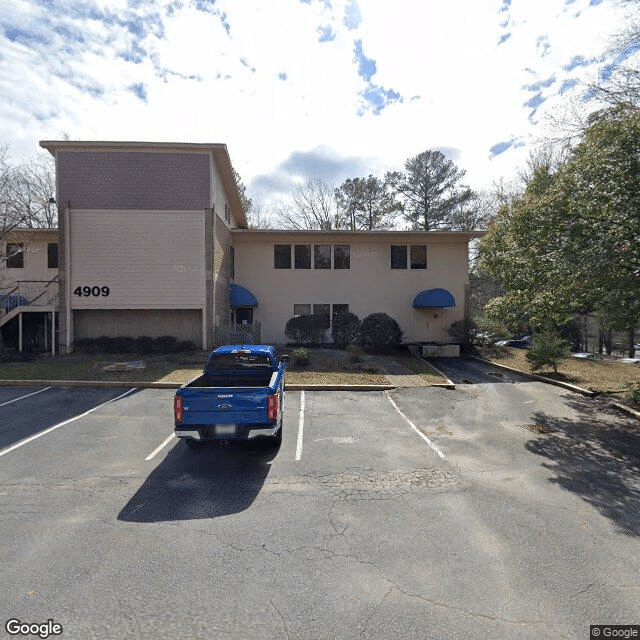
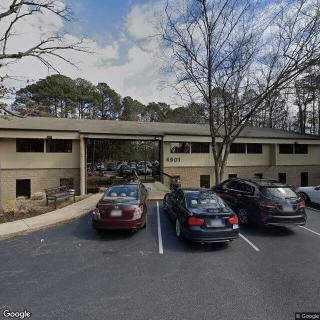
4909 Waters Edge Dr, Raleigh, NC 27606
For more information about senior living options: (844) 490-3973
Home Helpers in Raleigh is best suited for families who want in-home elder care that blends practical support with genuine companionship. It shines for seniors recovering at home after rehab, or navigating post-stroke or post-surgery needs, and for those living with dementia who benefit from a steady, caring presence. The service model emphasizes quickly mobilizing a capable caregiver team to remain with a loved one in their familiar surroundings, with the ability to scale hours up or down as needs evolve. Strong owner involvement and hands-on coordination help families feel that care is personalized and responsive, not overbaked or impersonal.
Those weighing alternatives should consider their need for highly predictable staffing and formal nursing oversight. If a guaranteed daily presence with a specific caregiver every shift is essential, or if clinical nursing supervision must be continuous and meticulously documented, a larger home-health agency or facility with dedicated nursing staff may be a better match. Families that require robust safety equipment, transportation guarantees, or very strict accountability around service hours should benchmark against providers that emphasize standardized protocols and more centralized management.
The strongest advantages here are unmistakable: a culture of kindness and attentiveness, led by Frank, the owner, who actively shapes the care plan and follows through with family members. Caregivers like Lily and Cynthia are repeatedly praised for competence, warmth, and the ability to connect with clients on a meaningful level. The ability to start quickly, adjust hours as needs shift, and keep loved ones at home reduces stress for families and often improves daily quality of life. When dementia-competent staff are matched to a patient, the result is a meaningful improvement in mood, engagement, and daily functioning that families notice in tangible ways.
Yet, no option is without rough edges. One detailed review highlights the risk of caregiver turnover and inconsistent daily assignments, which can disrupt continuity and require families to re-educate a new caretaker. Other concerns center on communication gaps or delays, occasional gaps in nursing oversight, and a sense that some visits did not fully meet the policy hours promised. There are mentions of logistical snags - meeting transportation needs, safety devices, or weekend accessibility - that can leave families feeling uncertain about what to expect on busy or after-hours days. These are real risks that demand proactive governance from the family side.
The upside of Home Helpers rests on active, deliberate collaboration: a dedicated care manager, a ready-to-go roster of trained caregivers, and frank conversations about what is and isn't working. When a family secures a preferred primary caregiver, requests a clear, written schedule, and insists on regular progress notes, much of the potential for disruption evaporates. The owner's involvement acts as a strong counterweight to turnover, reinforcing accountability and continuity. Dementia- or rehab-focused training among the caregiving team translates into practical daily improvements - assistance with bathing, dressing, activities, and even social engagement - while still honoring the home environment.
Final verdict: this is a practical, results-oriented choice for families seeking compassionate, home-based care with a strong, closely managed team. It works best for those who value a hands-on owner, reliable caregiver connections, and the flexibility to scale services as recovery or daily needs evolve. It may be less suitable for families requiring absolute, guaranteed daily nursing coverage, rigid caregiver assignments, or highly standardized protocols without room for individualized scheduling. For such families, exploring a larger agency or a program with more formal clinical oversight may be prudent. To proceed, arrange an in-person assessment, request a caregiver roster and care plan, and set a concise trial period to verify that the team can consistently deliver the blend of warmth, continuity, and practical support that drives the strongest outcomes.
The assisted living community in Raleigh, NC is situated in a convenient location with various amenities nearby. Home Helpers provides a nurturing and supportive environment for seniors who require assistance with daily activities, while promoting independence and maintaining their quality of life.
Residents can enjoy the convenience of having four cafes nearby, offering a variety of coffee and refreshments for socializing or quiet moments alone. For those seeking outdoor activities and opportunities to connect with nature, three parks are conveniently located, providing pleasant surroundings for walks or picnics.
Healthcare needs are well taken care of with five pharmacies and ten physicians in close proximity to the community. This ensures that residents have easy access to medications and medical professionals whenever needed. Additionally, two hospitals nearby offer top-notch medical facilities for emergencies or specialized care.
For dining options, residents have an array of choices with 15 restaurants available nearby. Whether craving local cuisine or international flavors, there is something to suit every palate. Furthermore, the presence of a place of worship fosters spiritual fulfillment and offers a sense of community support.
Overall, the assisted living community at Home Helpers in Raleigh, NC displays a commitment to providing exceptional care and accessibility to essential services. With its range of amenities and services available nearby, residents can enjoy a vibrant lifestyle combined with personalized assistance tailored to their specific needs.
This part of Raleigh, North Carolina, offers a variety of amenities and services that may appeal to seniors looking for a convenient and vibrant community. With several cafes nearby, residents can enjoy a cup of coffee or meal with friends or family. There are also numerous restaurants catering to different tastes, as well as parks for outdoor activities and relaxation. Medical facilities such as physicians' offices and pharmacies are easily accessible, providing quality healthcare services. For spiritual nourishment, there are places of worship in the area. In case of emergencies or medical needs, there are hospitals within a short distance. Additionally, transportation options like car rental services and the Raleigh-Durham International Airport provide convenience for travel. Overall, this area of Raleigh offers a mix of conveniences and opportunities for seniors to enjoy their retirement years comfortably.
Home Helpers is located at 4909 Waters Edge Dr, Raleigh, NC 27606 in Wake County, North Carolina
Home Health Care Demystified: A Comprehensive Guide for Families and Caregivers
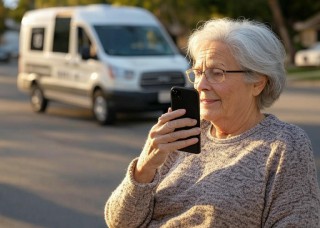
Home health care offers a range of clinical services provided in a patient's home, including nursing and therapy, tailored to individual needs, particularly for aging seniors with chronic conditions. This approach enhances patient independence, promotes better disease management, and utilizes technology for real-time monitoring while fostering collaboration among healthcare providers and family members.
Seniors and Modern Transportation: Exploring Uber, Lyft, and Other Ride-Hailing Options

Seniors benefit from ride-hailing services like Uber and Lyft, which provide convenient and accessible transportation options that promote independence and social engagement, while addressing mobility challenges. These platforms have adapted to meet senior needs with user-friendly features and safety measures, although costs can be a concern; community programs may help subsidize rides for older adults.
Comprehensive Guide to Qualifying for Home Health Care Services
The guide outlines the eligibility criteria for home health care services, emphasizing clinical requirements, insurance options, and application processes. It distinguishes between Medicare's strict and Medicaid's flexible qualifications while addressing challenges families may face in securing necessary care at home.