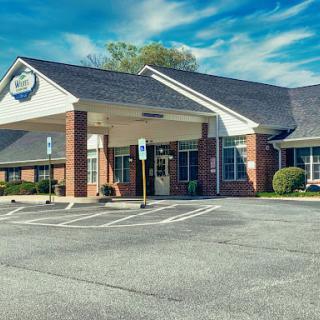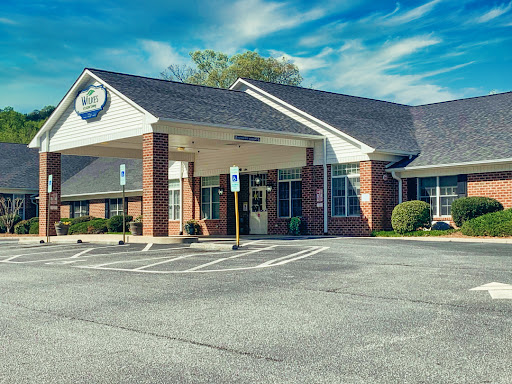

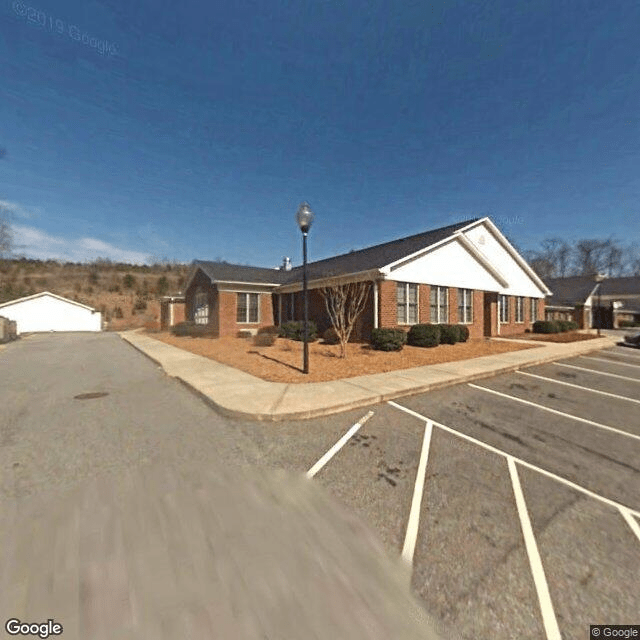
206 Old Brickyard Rd, North Wilkesboro, NC 28659
To contact a resident: (336) 667-8103
For more information about senior living options: (866) 208-4318
Overall Review of Wilkes Assisted Living
Pros
 The staff take great care of her.
- It is a great place for rehab.
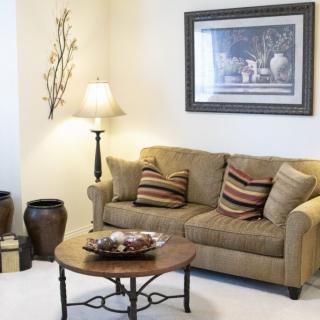
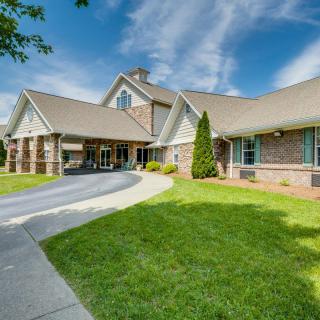
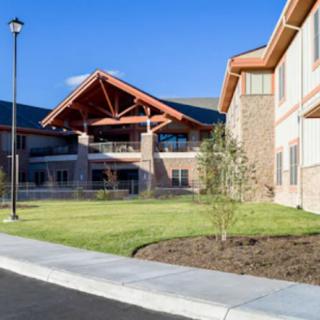
- The facility is beautiful, and the staff take good care of the dad, who loves it there.
- Wilkes Assisted Living is very clean, and the staff are very helpful.
- They communicate with the family and provide updates.
- Her room is very nice, and the facility offers a wide range of activities.
- The dining area is very clean, and the food looks good.
- The staff are kind, caring, and helpful.
- The assisted living services strive to be the best.
- The staff love their job, the facility, and the residents.
- The resident has felt looked after very well and safe.
- The staff are wonderful and treat the resident very well.
- The food is good, and the therapy department is great.
- The resident can exercise in-room with an exercise bike for about an hour daily.
- The facility is very clean.
- The staff are always friendly.
- The grounds are beautifully kept up and clean.
- Residents light up when they see the dogs.
- There are birds in the facility for residents to see.
- Most residents like this.
Cons
 The reviewer states that Nana’s oxygen dropped to 60 within 24 hours and does not recommend the facility.
- They note that restroom assistance takes a long time and there are not enough aides for the number of residents.
- She has had to wear diapers since the start of her stay.
- The doctor over the facility is not there very often, and it took about a month before her medications were managed properly.
- The shower is shared between two rooms, with two people per room.
- There is only one restroom for visitors.
- They were not sure how to administer therapy, which has put her behind on recovery.
Review
Wilkes Assisted Living in North Wilkesboro is best suited for seniors who want a warm, well-maintained setting with a visible emphasis on daily care and rehabilitation. It works well for couples or family members who value a friendly staff, a clean environment, and a schedule that offers a breadth of activities and therapy options. The community shines for residents who prioritize personal attention, a home-like atmosphere, and dependable day-to-day support. Those whose primary need is intensive medical oversight or highly specialized daily nursing may find the fit less than ideal and should consider alternatives that offer more robust on-site medical management.
On the positive side, the prevailing message from families and residents highlights a caring, responsive staff who are genuinely committed to individual well-being. Commentators repeatedly note that neighbors and loved ones are treated with kindness, and that the atmosphere feels safe and cheerful. The therapy program earns particular praise, with residents reporting meaningful progress and an enjoyable rehabilitation experience. The dining and common areas come across as clean and pleasant, reinforcing the sense of a well-kept, comfortable home. For many, the assurance of consistent communication with families, via phone calls or updates, adds to peace of mind about day-to-day care and safety.
However, several serious drawbacks temper the otherwise favorable portrait. A stark warning from one review describes a dangerous drop in a resident’s oxygen level within hours of admission, signaling a potential lapse in acute medical monitoring that cannot be dismissed. Such a report stands in sharp contrast to the general warmth and attentiveness and should be weighed heavily by anyone caring for a resident with respiratory or medical fragility. Additional concerns center on staffing levels relative to need: delays in assistance, especially for restroom support, imply that resident comfort and dignity can be compromised when staff are stretched. Other critiques point to intermittent gaps in medical oversight, with physicians appearing infrequently and medication management not always aligning promptly with prescriptions or needs. The facility’s layout, shared showers, limited visitor restrooms, and certain privacy constraints, may also affect day-to-day experience for some residents and families.
These strengths and flaws must be weighed against each other. The robust rehab and therapy offerings, paired with a nurturing staff and a clean, inviting setting, offset many routine caregiving challenges and provide tangible value for residents focused on recovery or ongoing activity engagement. Yet the most meaningful caveats, potential lapses in medical monitoring, med management, and caregiver availability during peak times, pose real risks for individuals requiring steady, fail-safe oversight. In decision terms, Wilkes Assisted Living delivers a compelling setting for those who can accept highly personalized attention within a homey atmosphere, as long as medical fragility is not overlooked.
For families weighing next steps, concrete diligence matters. Request a detailed tour with a focus on therapy sessions and daily care routines; inquire about staff-to-resident ratios across shifts and the exact process for med administration and physician visits; review plans for urgent medical needs and how respiratory or acute concerns are handled after hours. Ask about private-room options and bathroom configurations to match privacy expectations, and verify how often family updates are provided during hospitalizations or changes in care. Where possible, ask to observe a mealtime and a therapy session to assess both quality and pace of care. Consider a trial stay if offered, and compare with nearby communities that emphasize stronger on-site medical oversight or larger staffing pools.
In sum, Wilkes Assisted Living represents a solid, heartfelt choice for families prioritizing warmth, cleanliness, and accessible rehab-focused programming. It remains a smart option for residents who value robust social engagement and responsive, compassionate care, provided that medical oversight is manageable within the community’s staffing framework. For those needing consistent, intensive medical supervision, or privacy assumptions beyond shared amenities, exploring alternatives in the area is prudent. The decision will hinge on balancing the undeniable care quality and rehab potential against the practical realities of staffing, medical monitoring, and facility logistics.
 Assisted Living
 Activities on-site
 Devotional services off-site
 Indoor common areas
 Ambulatory care
 Diabetic care
 Meals provided




 When to Transition from Assisted Living to Memory Care: Key Indicators, Steps, and Finding the Right Community
 Assisted Living and Memory Care: Understanding Their Core Differences
 Beyond the Bingo Hall: 50+ Enriching Activities for Seniors in Assisted Living