






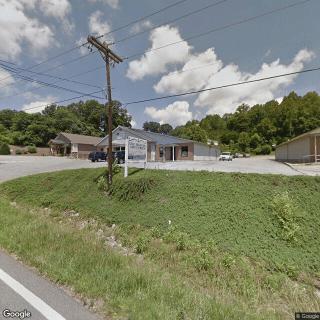
206 Old Brickyard Road, North Wilkesboro, NC 28659
For more information about senior living options: (866) 208-4318
Overall Review of The Villages Of Wilkes Traditional Living
Pros
 They take great care of her.
- It is a great place for rehab.
- It is a beautiful place, with staff who take good care of residents.
- The facility is very clean and the staff are very helpful.
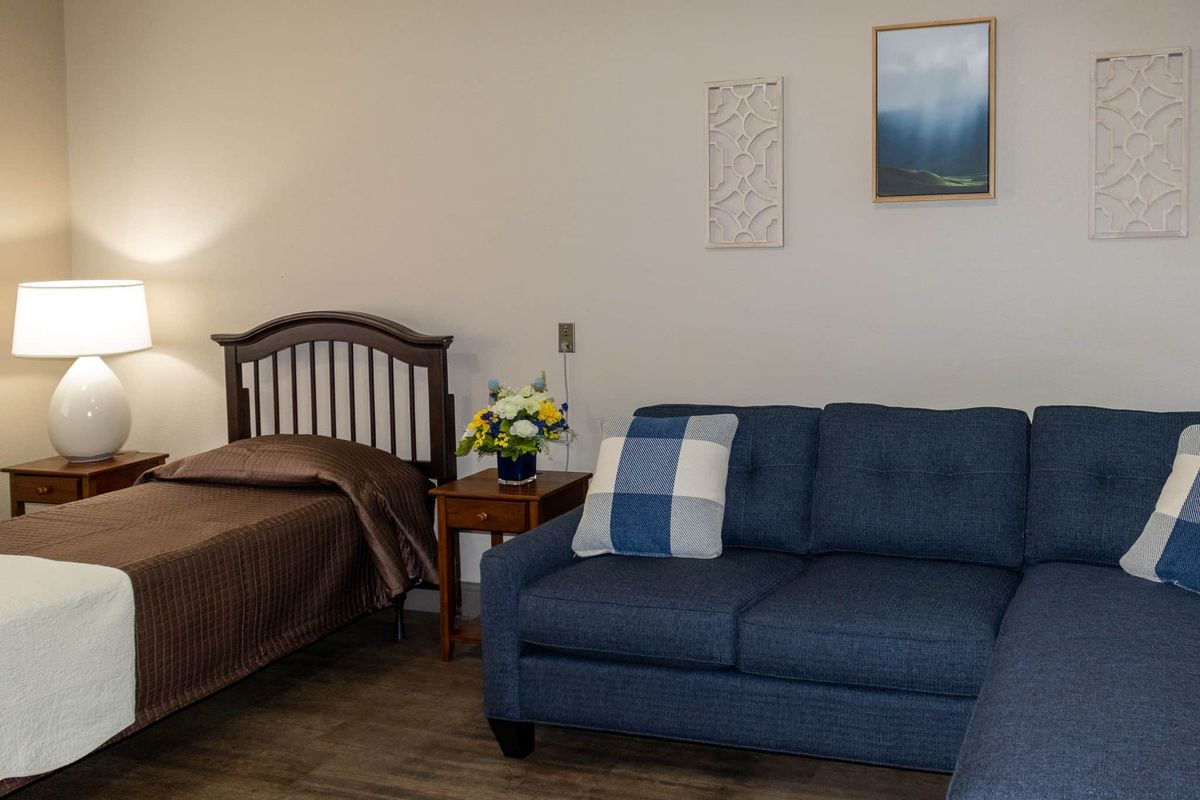
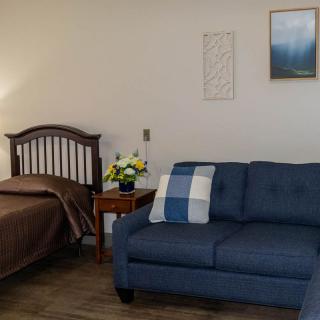
- Her room is very nice, and they offer many activities.
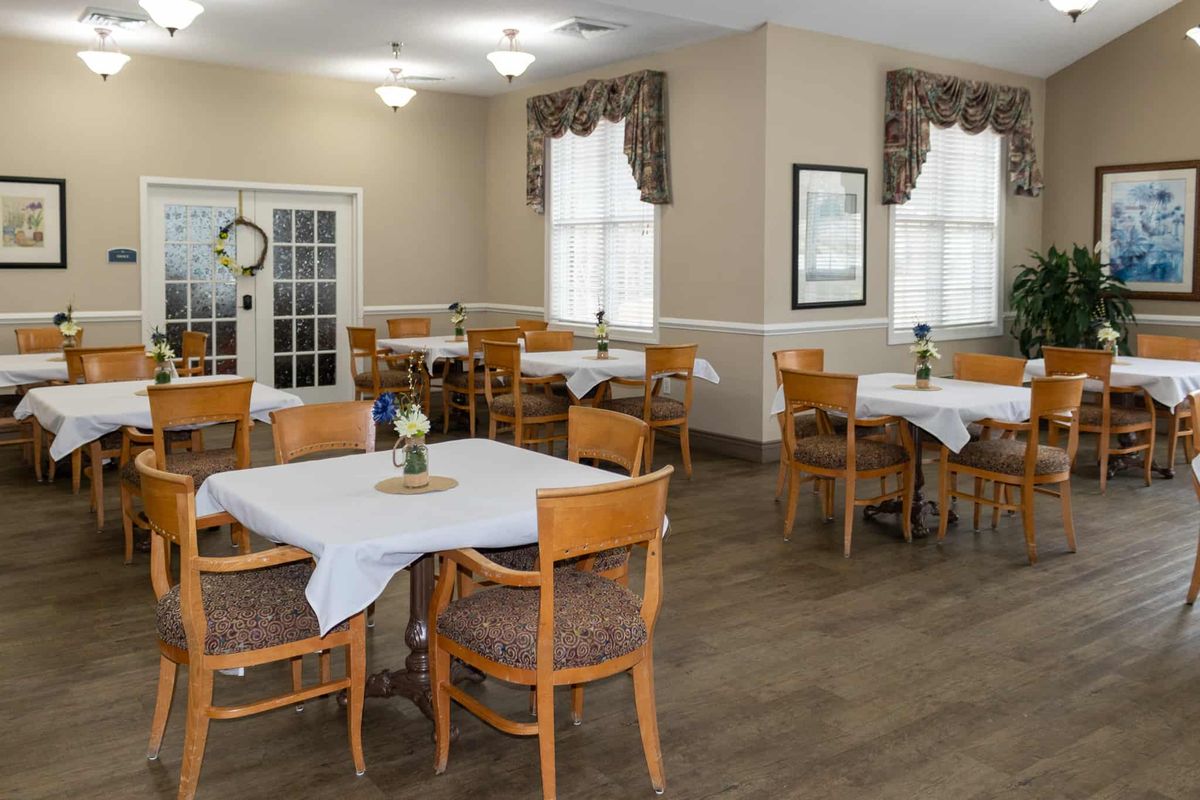
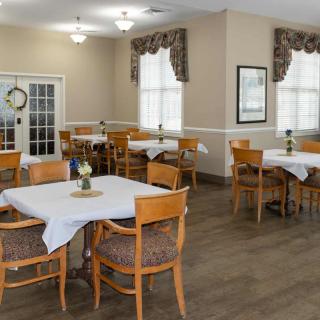
- The dining area is very clean, and the food looks good.
- The staff are kind, caring, and helpful.
- The assisted living services strive to be the best around.
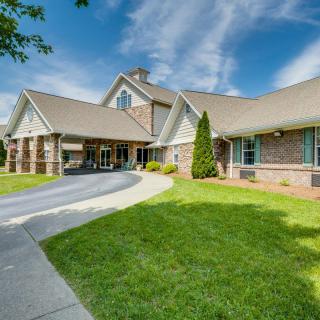
- The grounds are beautifully kept up and clean.
Cons
 The facility let Nana’s oxygen drop to 60 within 24 hours of admission.
- The reviewer does not recommend letting a loved one go there.
- The staff take a long time to assist residents with using the restroom.
- There are not enough staff for the number of residents.
- The resident has had to wear diapers since the start of her stay.
- The facility’s doctors are not there often, and it took about a month for medications to be managed properly.
- The shower is shared by two rooms and two people per room.
- There is only one restroom for visitors.
Review
Best suited for seniors who want a clean, welcoming, rehab-focused environment with consistently praised staff and a strong sense of safety. The Villages Of Wilkes Traditional Living delivers on care through an active therapy program, responsive aides, and a bright, well-kept campus. It works well for residents who value social engagement, a robust activities calendar, and the comfort of routine, paired with good dining and accessible services. The setting appears especially supportive for those progressing through rehab or needing ongoing but not crisis-level assistance. It is not ideal for residents with high medical acuity requiring continuous, around-the-clock monitoring or for families that must see rapid, on-demand medical responses.
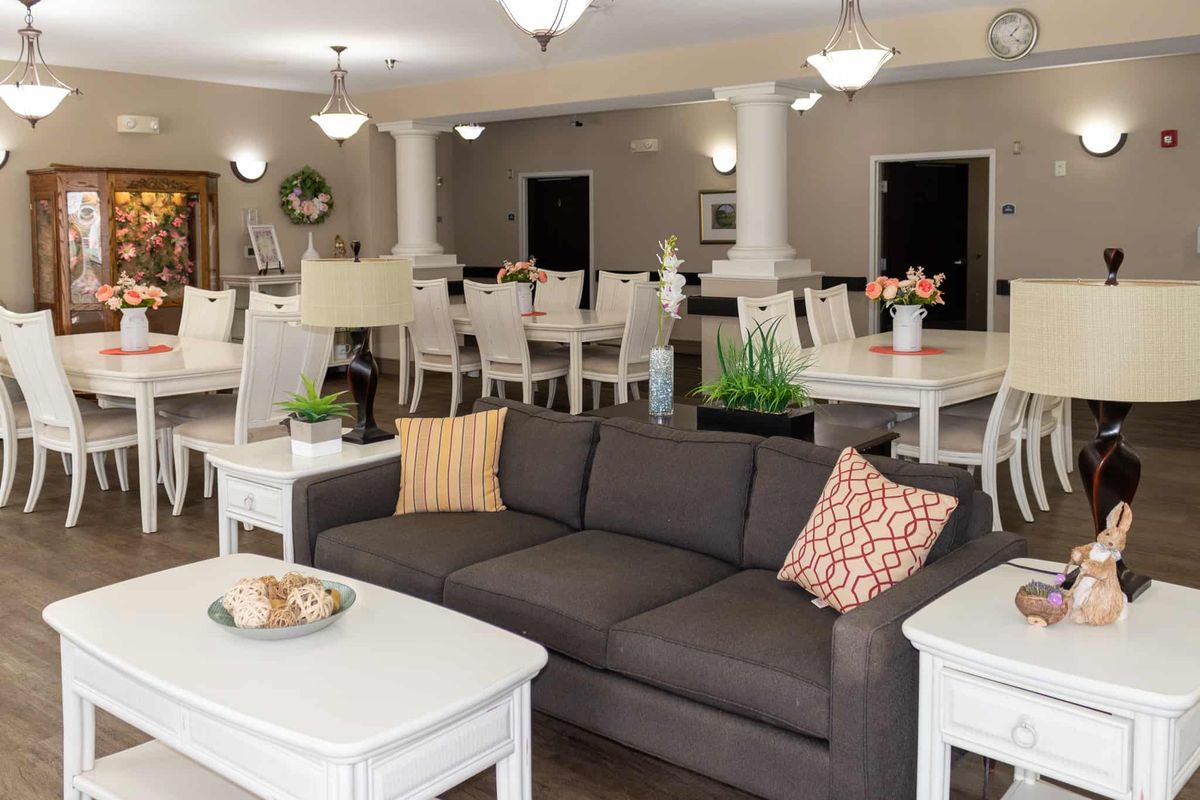
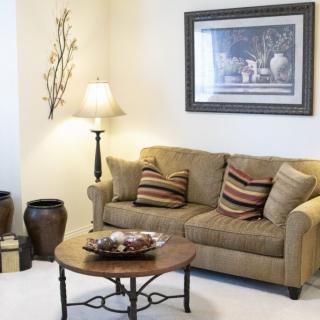
Key advantages include a rehab-friendly posture: the facility is repeatedly praised as a solid rehab destination, with residents and families noting effective therapy departments and a schedule full of activities. The staff receive frequent compliments for kindness, reliability, and communication; family members report being kept in the loop and the care team honoring requests. The environment itself earns high marks, clean rooms, well-kept grounds, and a dining area that looks inviting with meals described as good. Individual testimonials speak to a sense of safety, comfort, and everyday competence: residents feel cared for, and caregivers report job satisfaction and pride in the work.
At the same time, red flags appear in experiences that cannot be ignored. One clear warning details a rapid oxygen decline to 60 in under a day, highlighting a serious safety lapse that should never recur. Another review points to staffing pressures, noting slow responses to needs like restroom assistance and concerns about the doctor’s presence and timely medication adjustments. These anecdotes translate into tensions around medical oversight and practical care delivery, implying that for some residents the system may struggle under higher demand. Additional layout issues, the shared shower arrangement in some rooms and a single visitor restroom, create inconveniences that affect privacy and ease of visitation.
Yet the solid advantages blur some of these concerns for many residents. The rehab program and therapy services can accelerate recovery and maintain momentum, supporting families when transitions home are contemplated. The overall cleanliness, pleasant rooms, and welcoming dining environment contribute to daily comfort, reducing anxiety about the living situation. The close-knit, attentive staff, coupled with clear family communication, helps residents feel seen and secure, a critical factor for well-being. Even in settings with occasional staffing strains, the combination of engaged activities, in-room exercise options, and accessible amenities promotes a quality living experience for those who thrive in structured, people-focused environments.
Families evaluating this community should verify staffing realities and medical oversight on a visit: inquire about aide-to-resident ratios during peak hours, the process for urgent needs, and how often a physician or advanced practice nurse is on site. Ask to review a recent therapy plan and progress notes, and confirm what happens when medical needs spike. Inspect room configurations, especially shower access and privacy, and confirm the availability of separate visitor facilities. Sample the menu, observe dining service, and discuss activity participation with current residents to gauge whether the offered schedule aligns with personal interests and mobility levels. These checks help separate the genuinely strong rehab option from the limitations noted in a few experiences.
Overall, The Villages Of Wilkes Traditional Living presents a compelling option for families prioritizing rehab potential, staff warmth, and a well-maintained, sociable environment. It is a practical fit for seniors seeking structured routines, meaningful therapy, and daily comfort, provided medical needs are moderate and monitored. For residents with higher acuity, or families needing unwavering medical immediacy and more robust privacy amenities, alternatives with stronger on-site medical oversight and different floor plans may be worth exploring. In those cases, leverage tours and candid conversations about staffing, physician availability, and care pathways to identify a community that aligns with both safety and quality of life goals.
 102 resident community capacity
 Assisted Living
 Memory Care
 Air-conditioning
 Beauty salon
 Cable or satellite TV
 Computer center
 Dining room
 Fitness room
 Fully furnished
 Gaming room
 Garden
 Housekeeping services
 Kitchenette
 Move-in coordination
 Outdoor space
 Private bathrooms
 Restaurant-style dining
 Small library
 Telephone
 Wellness center
 Wi-Fi/high-speed internet available
 Community operated transportation
 12-16 hour nursing
 24-hour call system
 Activities of daily living assistance
 Assistance with bathing
 Assistance with dressing
 Assistance with transfers
 Diabetes diet
 Medication management
 Mental wellness program
 Special dietary restrictions
 Concierge services
 Planned day trips





 Understanding the Distinctions: Assisted Living and Memory Care Explained
 How to Communicate with a Loved One Living with Dementia: 10 Supportive Strategies
 Comprehensive Guide to VA Nursing Homes: A Crucial Long-Term Care Resource for Veterans