
1022 Eastern Avenue, Nashville, NC 27856
For more information about senior living options: (866) 208-4318
Overall Review of Universal Health Care/Nashville
Pros
 The Mondell House is a pretty-to-look-at facility.
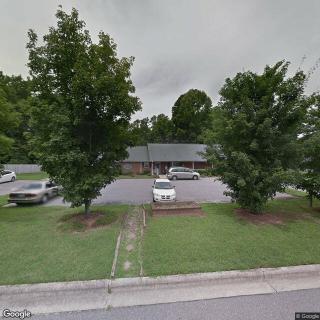
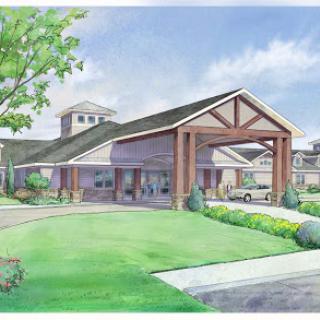
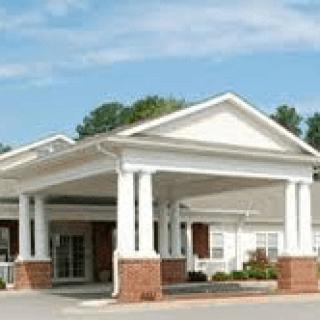
- The facility is visually appealing, reminiscent of a Georgia Victorian house with pleasing lawns, trees, a grand entryway with pillars, and a patio.
- Visitors were impressed by the activity, and residents appeared comfortable, at home, and enjoying their environment.
- The facility offers incentives such as nearby baseball spring training, Bingo, and referral credits.
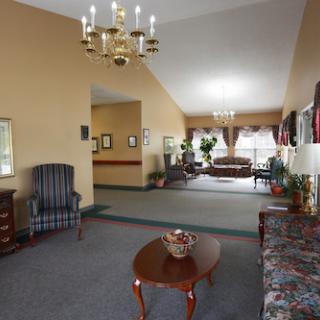
- It is described as a truly beautiful home with courtyards and studio apartments, where residents seemed able to care for themselves with only basic assistance.
- The overall impression was positive, with appreciation for the amenities and the care of the home and its surroundings.
Cons
 The manager breaks HIPAA laws, interjects in family matters, and lets her husband run the nursing home.
- There is a lack of good patient care and not enough supervision.
- There have been incidents of family members abusing patients and other visitors, with the nursing home lying about it to police.
- The facility refuses to let patients go to the ER after known abuse.
- Despite a full-time registered nurse on staff, there are concerns about after-hours coverage, implying residents would have to make phone calls for assistance.
Review
Universal Health Care/Nashville in Nashville, NC is best suited for seniors who want a warm, home-like setting with an active social life and light daily assistance, delivered in a campus feel rather than a clinical hospital atmosphere. This community appears to attract residents who value attractive surroundings, pleasant common spaces, and ongoing activities that create a sense of belonging. The two available reviews suggest a mix of appeal and concern: residents and families may be drawn to the aesthetic and social programming, but questions linger about governance, safety, and reliability of care. For families that prize a comfortable, engaging environment and are prepared to scrutinize leadership and care processes, this community can be a reasonable fit, with direct, thorough due diligence.
That said, there are clear reasons why alternatives should be considered. The most notable red flags are governance and safety concerns raised in the negative review: alleged HIPAA violations and inappropriate influence at the management level, reports of insufficient supervision, and serious accusations about abuse or mistreatment that allegedly were not handled promptly. Such claims, rightly scrutinized with state records and independent findings, point to potential risk if not countered by transparent leadership, strong oversight, and proven, enforceable safeguards. Families facing medical or safety needs beyond light assistance may be better served by communities with documented, consistently strong care protocols and robust incident-response policies.
On the upside, the reviews identify several tangible pros that can’t be dismissed. The campus presentation and physical environment receive praise, described as aesthetically pleasing with well-kept lawns and welcoming common areas. Activity programming stands out as a strength, with residents appearing engaged and at ease in a lively social milieu. A visible sense of home-like living, studio and one-bedroom options, welcoming courtyards, and convenient preferred amenities, supports independence for those who can manage with periodic assistance. The notion that a facility can deliver a strong social fabric matters, because meaningful engagement often translates to better mood, fewer relocations, and smoother daily routines for many seniors.
Still, the benefits do not automatically offset the most serious concerns. The primary trade-off rests on governance, safety, and reliability of care. Even if activities are well-executed and the building feels inviting, questions about how quickly staff respond, how abuse is detected and reported, and how medical needs are managed after hours remain decisive. The presence of a full-time nurse on-site is encouraging, but questions persist about coverage when that nurse’s shift ends and whether there is a robust, properly documented process for urgent medical situations. For families with higher acuity needs or those who must rely on consistent, transparent accountability, the current risk signals must be balanced against the potential for a supportive social environment.
In practical terms, families evaluating this community should seek explicit confirmation of several key points before deciding. Request a direct tour focused on how staff respond to emergencies, how the administration coordinates with outside medical providers, and how after-hours coverage operates. Probe the administrator’s track record with HIPAA compliance, resident privacy, and incident reporting, and ask for recent state inspection results and any corrective action plans. Speak with current residents and families about perceived responsiveness, supervision levels, and the perceived honesty of management when concerns arise. These conversations are essential to determine whether the apparent social benefits can be sustained without compromising safety.
Ultimately, this Nashville facility makes sense for those who value a charming, activity-rich environment and are prepared to demand rigorous governance and transparent care practices. The decision hinges on trust: can leadership demonstrate a clear, verifiable commitment to resident safety, prompt care, and honest communication? If the answer is uncertain, alternatives with stronger, verifiable safety histories and more predictable clinical oversight deserve serious consideration. For families ready to vet deeply, this community can be a viable option; for those seeking ironclad safety and seamless care coordination, it may be wiser to look elsewhere.
 122 resident community capacity
 Assisted Living
 Air-conditioning
 Beauty salon
 Cable or satellite TV
 Computer center
 Dining room
 Fitness room
 Fully furnished
 Gaming room
 Garden
 Housekeeping services
 Kitchenette
 Move-in coordination
 Outdoor space
 Private bathrooms
 Restaurant-style dining
 Small library
 Telephone
 Wellness center
 Wi-Fi/high-speed internet available
 Community operated transportation
 12-16 hour nursing
 24-hour call system
 Activities of daily living assistance
 Assistance with bathing
 Assistance with dressing
 Assistance with transfers
 Diabetes diet
 Medication management
 Mental wellness program
 Special dietary restrictions
 Concierge services
 Planned day trips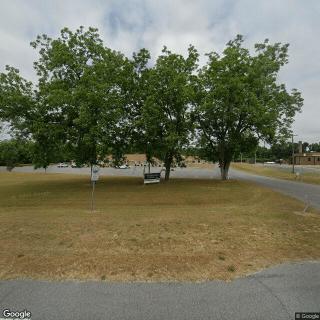

 Assisted Living and Memory Care: Understanding Their Core Differences
 Beyond the Bingo Hall: 50+ Enriching Activities for Seniors in Assisted Living
 Understanding the Distinctions: Assisted Living and Memory Care Explained