
3053 Country Pines St, Morganton, NC 28655
To contact a resident: (828) 391-8299
For more information about senior living options: (866) 208-4318
Overall Review of Patterson House Family Care Home
Pros
 The facility is wonderful, with very friendly and caring staff.
- The staff cares deeply about the residents.
- Residents are well taken care of, with their needs met, and the facility is always clean.
- Families can rest easy knowing their loved ones are cared for and loved.
Review
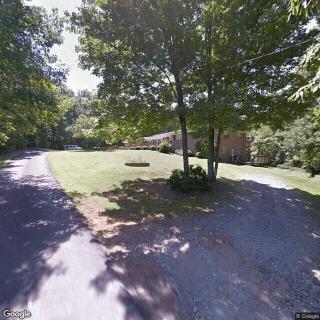
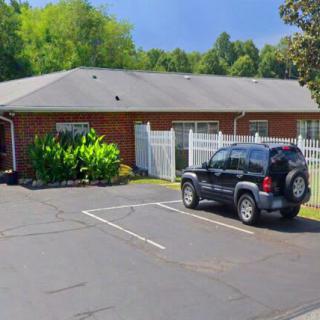
Patterson House Family Care Home in Morganton, NC is best suited for seniors who want a small, home-like setting where care feels personal and constant. The property presents itself as a country-living option, where residents are treated with warmth and familiarity, and the everyday environment is calm, clean, and reassuring. This community appeals to families seeking a non-institutional atmosphere, where staff members are readily recognizable, routines feel predictable, and there is a strong emphasis on gentle, attentive support rather than a clinical experience. It is the kind of place that can give a spouse or adult child confidence that a loved one is living with people who treat them like family, not a number.
Those who may want to consider alternatives include families prioritizing high-intensity medical oversight, specialized memory care, or a broad continuum of on-site services. If the goal is access to 24/7 skilled nursing, frequent on-site therapists, or a robust calendar of structured activities and social programs, a larger assisted living community or a dedicated memory-care campus could be a better match. Likewise, households needing convenient access to urban amenities, extensive transportation options, or highly varied recreational offerings may find a rural, small-scale home less aligned with those expectations. In short, when medical intensity and breadth of services drive the decision, alternatives deserve serious consideration.
The most persuasive pros here are the people, the routines, and the environment. Staff come across as genuinely caring, with a reputation for meeting residents’ needs in a thoughtful, unobtrusive way. The residents themselves appear well cared for, and the atmosphere remains consistently clean, a tangible signal of pride in housekeeping and daily maintenance. The country setting adds a layer of tranquility that can reduce agitation and support a slower, more dignified pace of life. Families can rest easy knowing that their loved one is in a place where caregivers are invested in daily comfort, safety, and the emotional tone of the home, rather than navigating a large campus with distant caregivers.
Where potential drawbacks might surface, the best way to frame them is as tradeoffs inherent in smaller, home-style facilities. A family care home typically cannot replicate the breadth of medical resources found in bigger campuses, and residents may experience fewer on-site therapies or rehabilitative options. The programming tends to be intimate rather than expansive; the calendar may be lighter and the social sphere more intimate, which can be a plus for some but a limitation for others who crave constant stimulation or diverse activity choices. Privacy and personal space can also hinge more directly on day-to-day staffing realities in a small setting, meaning care continuity matters far more in practice than in a larger facility with dedicated departments.
Those pros offset the cons most effectively when a resident’s needs align with a personally engaged caregiving model. The strong, attentive staff and the propensity for individualized attention are the counterbalance to any potential limits in medical services or activity breadth. The clean, homey environment underpins daily comfort and a sense of security that can reduce stress for both residents and families. In essence, the advantages, intimate staffing, consistent care, and a peaceful, familiar setting, provide meaningful value that compensates for the smaller service menu, assuming expectations are calibrated to a residential care framework rather than a full-service campus.
Ultimately, Patterson House stands out as a compelling option for families seeking a warm, dignified home atmosphere where staff know residents well and demonstrate consistent care. It is especially well-suited for seniors who thrive on routine, value personal connections, and prefer a quiet, country ambience over a bustling campus. For those with higher needs for medical complexity or a wide array of on-site programs, exploring alternatives remains prudent. Prospective families should arrange a visit, observe caregiver interactions with residents, ask about staffing ratios and emergency procedures, and review licensing and financial terms carefully. A tour will reveal how the day-to-day feel aligns with the loved one’s personality, rituals, and care expectations, making the decision clear and grounded in reality.
 6 resident community capacity
 Assisted Living
 Board and Care Home
 Respite Care
 Activities on-site
 Cable or satellite TV
 Devotional services off-site
 Dining room
 Fully furnished
 Garden
 Housekeeping services
 Indoor common areas
 Move-in coordination
 Outdoor space
 Telephone
 Wi-Fi/high-speed internet available
 24-hour supervision
 Ambulatory care
 Assistance with bathing
 Assistance with dressing
 Assistance with transfers
 Diabetes diet
 Diabetic care
 Meal preparation and service
 Medication management
 Special dietary restrictions
 Transportation arrangement (medical)
 Transportation to doctors appointments



 A Detailed Exploration of Assisted Living Medicaid Waivers Across the United States
 Comprehensive Residential Support and Assisted Living Solutions for Individuals with Disabilities
 Comprehensive Supportive Living Arrangements for Adults with Disabilities