
105 Cambria Place, Mooresville, NC 28117
For more information about senior living options: (866) 208-4318
Overall Review of The Courtyards at Brawley Point
Cons
 Epcon is not repairing all the cracked curbs within the development, even though the cracks are attributed to Epcon construction.
- The cracks and damage are described as stemming from Epcon construction, not normal wear.
- Epcon representatives are said to refuse to fix every crack curb in the development.
- The old adage “if you break it, you should fix it” is presented as something Epcon does not seem to believe in.
- The cracks in front of the house were on the closing walk-through open issues list, with promises they would be fixed, but a different story is now given.
- A luxury-priced home should not have this many issues within the first two months.
- After nine weeks, there are ongoing drywall cracks, nail pops, visible ceiling seams, separating caulk, and a vanity pulling away, signaling workmanship concerns rather than normal settling.
- Infrastructure problems are noted, including private septic and well water, high water bills, septic odors, no backup generator during outages, and condensation drain pipe design requiring insulation and heat tape.
- Despite multiple letters to the Charlotte Regional President, there was no response.
- They would not recommend purchasing there.
- They urge others to review the photos as true depictions of the workmanship.
Review
The Courtyards at Brawley Point is best suited for buyers who want a stylish, newer-construction feel with the conveniences of a planned, low-maintenance lifestyle, and who are prepared to manage the reality that post-purchase repairs may be part of the ownership experience. This community will appeal to those who place a premium on modern finishes and amenities but understand that resilience and perfect workmanship may not come guaranteed in year one. In short, it serves purchasers who can advocate for fixes, tolerate some disruption, and value the perceived upside of newer construction enough to weather early maintenance cycles.
Those considering alternatives should be especially cautious if a turnkey, move-in-ready certainty is non-negotiable. The recent experiences described by buyers emphasize that high price points can come with substantive tradeoffs in workmanship, infrastructure reliability, and service responsiveness. For buyers who require immediate reassurance, no persistent maintenance surprises, transparent post-sale commitments, and dependable utilities, this community may not measure up. Alternatives that promise stronger warranty support, fewer unresolved defects at close, and more robust on-site maintenance responsiveness should be on the short list for comparison.
On the upside, the trajectory of repairs and a willingness to address some defects signals a builder that is not entirely indifferent to issues, even if responses can feel muffled at times. The partial repairs observed, such as sidewalk and curb work being undertaken, offer a glimmer of accountability, suggesting that not all concerns are ignored. But the pattern of ongoing problems provides a counterweight: it signals a risk that costly cosmetic and structural concerns could recur, especially in the early years after purchase. In practical terms, the pros hinge on potential improvements and the hope of a responsive follow-up, while the cons point to a fragile trust foundation that could strain the overall living experience.
The core cons identified in the discussions are substantive and broad in impact. Ongoing drywall cracks, nail pops, visible ceiling seams, caulk separation, and even a vanity pulling away from the wall convey a level of workmanship that is not what buyers expect at a luxury price point. The presence of private septic and well-water systems with reports of high water costs and odors adds a financial and quality-of-life dimension, one that can surprise residents who assumed utility reliability and cost predictability would be straightforward. The design and execution flaws extend to infrastructure, condensation drainage, insulation gaps around heat tape, and the lack of a backup generator during power outages, risks that become serious, especially for older adults who depend on consistent water, heat, and predictable routines.
Responsiveness, or the lack of it, emerges as a decisive factor. Multiple communications to the regional leadership without timely, substantive engagement undermines confidence that issues will be resolved promptly. For a senior living decision, this is not a marginal consideration; it directly affects daily peace of mind and long-term residency satisfaction. The combination of high initial outlay, visible defects, questionable utility economics, and slow or absent escalation responses creates a profile where maintenance headaches are more probable than not in the early years. In practical terms, this is the kind of risk that compounds daily life stress, particularly for residents who value predictable routines and quick issue resolution.
The bottom-line guidance centers on due diligence and calibrated expectations. If proceeds are pursued, demand a comprehensive, binding post-sale service plan with explicit timelines, responsibilities, and recourse for delays or failures. Engage independent inspectors to review not only cosmetic finish but structural and utility systems; insist on full disclosure of all known defects prior to closing; verify the builder’s warranty scope, transferability, and caps on out-of-pocket costs; and interview current residents about repair turnaround times and the accuracy of promised fixes. Above all, anchor the decision to whether the lifestyle benefits, location, amenities, and the allure of newer construction, are compelling enough to shoulder the likelihood of ongoing maintenance cycles and variable support. In this light, The Courtyards at Brawley Point leans toward a cautious decision: it may suit those who can advocate assertively and tolerate imperfect early performance, but for those seeking a reliably seamless, low-stress senior living experience, exploring stronger warranty-backed alternatives is the prudent move.
 6 resident community capacity
 Active Adult Communities (55+)
 Housekeeping services
 Telephone
 Wi-Fi/high-speed internet available
 Assistance with dressing
 Meal preparation and service
 Medication management
 Diabetes diet
 Special dietary restrictions
 Comprehensive care (meal prep, medication management) with dietary accommodations and strong connectivity to local amenities.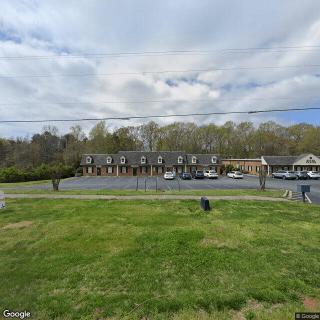

 Home Health Care Demystified: A Comprehensive Guide for Families and Caregivers
 Seniors and Modern Transportation: Exploring Uber, Lyft, and Other Ride-Hailing Options
 Comprehensive Guide to Qualifying for Home Health Care Services