

1075 Deal Road, Mooresville, NC 28115
For more information about senior living options: (866) 208-4318
Deal Care Inn Costs & Pricing
Deal Care Inn offers competitive pricing for its accommodations compared to the broader market in Rowan County and across North Carolina. For a semi-private room, residents pay $1,800 per month, which significantly undercuts the county's average of $3,434 and the state's figure of $3,584. Similarly, their one-bedroom option is available for $2,000, again presenting considerable savings when juxtaposed with Rowan County's average cost of $3,972 and North Carolina's overall rate of $4,055. This pricing strategy not only makes Deal Care Inn an attractive choice for potential residents but also demonstrates their commitment to providing quality care at affordable rates within a competitive landscape.
| Floor plans | Deal Care Inn | Rowan County | North Carolina |
|---|---|---|---|
| Semi-Private | $1,800 | $3,434 | $3,584 |
| 1 Bedroom | $2,000 | $3,972 | $4,055 |
Assisted Living communities with a similar price nearby
-
from -$249 / mo
Aldersgate
$1,551 to $1,716 / month22.6 miles away -
from +$175 / mo

Wexford House
$1,975 to $2,975 / month19.7 miles away -
from -$115 / mo

The Landings of Cabarrus
$1,685 / month5.4 miles away -
from +$100 / mo

Concord House
$1,900 to $2,500 / month8.1 miles away
Overall Review of Deal Care Inn
Pros
 The new owner is regarded as the best.
- The staff at the home are very loving.
- The home is filled with very loving people.
Review
Deal Care Inn in Mooresville, NC is best suited for families seeking a small, home-like environment where staff relationships feel personal and residents are known by name. Since a new owner took charge, the atmosphere has shifted toward a warmer, more engaged culture, with strong impressions of care and connection between staff and residents. This community rewards those who value daily interactions that feel genuine and who want a setting where staff members take time to get to know individual histories, preferences, and routines. For seniors who thrive in a tightly knit, family-like home rather than a large, clinical facility, Deal Care Inn offers a compelling fit.
Conversely, those with needs for highly predictable medical oversight or advanced, specialized memory-care programming should consider alternatives. The mixed reviews on record, including two one-star experiences, signal that not all residents receive the same level of satisfaction or consistent care. Families prioritizing a rigorous, standardized operation, and reliable, visible leadership day-to-day, may find this community’s variability unsettling. If a stable, highly controlled care environment is non-negotiable, or if there is heavy dependency on 24/7 clinical management, it is prudent to explore other options.
The strongest positives center on the warmth and dedication visible in staff and in the relationships formed with residents. Multiple accounts highlight loving, attentive caregivers and a genuinely affectionate atmosphere. The new ownership appears to have energized morale, which translates into more engaged interactions, friendlier daily life, and a palpable sense of community among residents. For families weighing the emotional and social aspects of aging in place, these are meaningful advantages that can enhance overall quality of life and reduce isolation for quieter or more socially inclined residents.
Yet the drawbacks are non-negligible and deserve scrutiny. The presence of two low-rated reviews amid favorable ones cannot be dismissed as outliers; it points to real experiences of frustration or unmet expectations. Potential inconsistencies in care delivery, responsiveness, or communication with families may reflect underlying staffing fluctuations or gaps that the community has yet to fully stabilize. With the rating sitting at 3.7 from six reviews, the variance suggests that experiences are not uniform, and a few negative interactions can disproportionately color overall impressions.
These pros and cons balance in a way that makes Deal Care Inn a viable choice for certain families while demanding caution from others. The warmth and personal attention can offset concerns about occasional missteps or uneven experiences, especially if a family prioritizes a small, neighborly environment over clinical polish. However, for households where predictability, constant high-level medical support, or unambiguous governance are central, the positives may be outweighed by the risk of uneven care. The decision should hinge on how much value is placed on intimate, staff-facilitated relationships versus the comfort of a consistently reinforced care plan.
Practical next steps sharpen the decision. Schedule a face-to-face tour with the administrator and request to observe the daily flow during a routine activity period. Speak with current residents and family members about what a typical week looks like, how concerns are escalated, and how care plans are updated. Inquire about staffing ratios during day vs. night shifts, turnover rates, and whether the new ownership has a clear, ongoing plan to sustain quality improvements. Obtain a transparent pricing outline, clarifying what is included in monthly fees and what would incur extra charges. If the goal is a living environment where warmth and connection drive daily life, Deal Care Inn is worth serious consideration; if the bar is high on consistent clinical oversight and unwavering reliability, it may be wise to compare alternatives before deciding.
 21 resident community capacity
 Assisted Living
 Activities on-site
 Beauty salon
 Cable or satellite TV
 Devotional services off-site
 Dining room
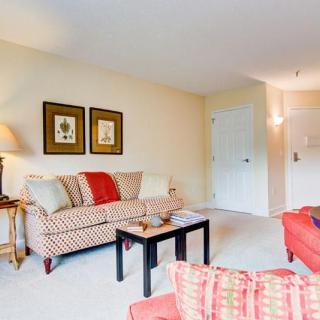
 Fully furnished
 Garden
 Housekeeping services
 Indoor common areas
 Kitchenette
 Move-in coordination
 Outdoor space
 Restaurant-style dining
 Small library
 Telephone
 Wheelchair accessible showers
 Wi-Fi/high-speed internet available
 24-hour call system
 Ambulatory care
 Assistance with bathing
 Assistance with dressing
 Assistance with transfers
 Diabetes diet
 Diabetic care
 Incontinence care
 Medication management
 Mental wellness program
 Special dietary restrictions





 Is Assisted Living Deductible on Your Taxes? Understanding the Complexities of Assisted Living Expenses and Deductions
 Assisted Living Support for Veterans: A Complete and Detailed Overview
 Exploring the Contrasts Between Assisted Living and Skilled Nursing