
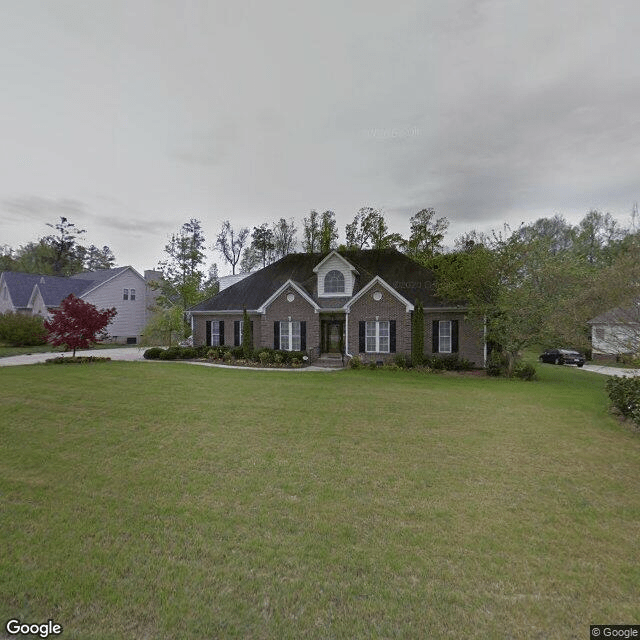
1004 Edenburghs Keep Drive, Knightdale, NC 27545
For more information about senior living options: (866) 208-4318
Gracie Sturdivant Care Home Costs & Pricing
Gracie Sturdivant Care Home offers specialized care at a premium, with costs significantly higher than both Wake County and the broader North Carolina averages. For semi-private accommodations, residents are charged $6,800 per month, markedly above the county's average of $4,391 and the state's average of $3,584. Similarly, those opting for private rooms will find themselves paying $7,500 monthly, which surpasses the county's average of $4,658 and the state's figure of $4,425. This pricing reflects not only the quality of care and services provided at Gracie Sturdivant but also the commitment to creating a supportive environment tailored to individual needs.
| Floor plans | Gracie Sturdivant Care Home | Wake County | North Carolina |
|---|---|---|---|
| Semi-Private | $6,800 | $4,391 | $3,584 |
| Private | $7,500 | $4,658 | $4,425 |
Assisted Living communities with a similar price nearby
-
About the same
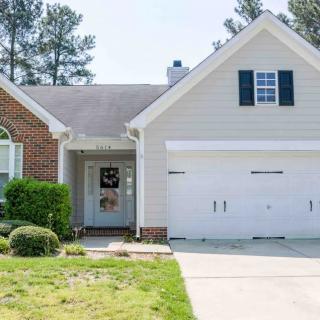
Lynn's Home at Riverside
$7,000 / month6.7 miles away -
About the same
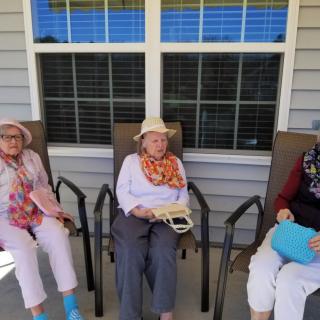
Renaissance Care Home at Neuse River Estates
$7,000 to $7,500 / month3.6 miles away -
from -$605 / mo
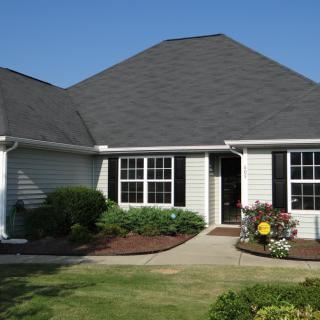
Avendelle Assisted Living At Southern Oaks
$6,195 to $6,695 / month24.0 miles away -
from -$300 / mo
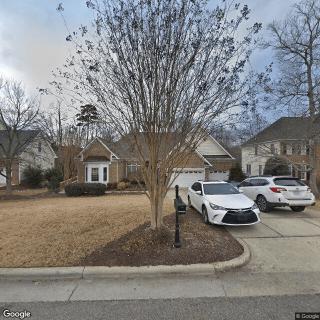
Kelley's Family Care Home
$6,500 / month9.9 miles away -
from -$550 / mo
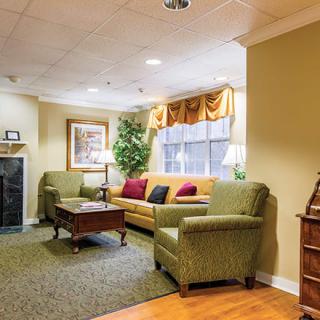
Brookdale MacArthur Park
$6,250 to $8,395 / month19.8 miles away
Overall Review of Gracie Sturdivant Care Home
Pros
 It is a quiet, small community with just six residents.
- The facility is clean and well kept.
- The staff are friendly and caring.
- The environment is top-of-the-line, with a beautiful home and neighborhood and an immaculate interior.
- The home is supported by CNAs on 12-hour shifts and is overseen by a registered nurse.
Cons
 The reviewer believed the level of care would not have been appropriate for his loved one due to movement issues.
- The reviewer noted that staff would have had difficulty assisting him because of those movement issues.
Review
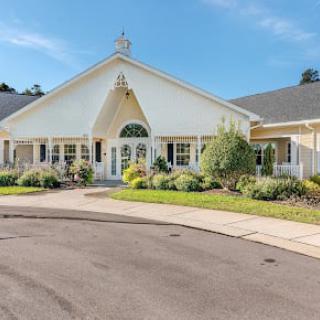
Gracie Sturdivant Care Home is best suited for families seeking a small, home-like setting where an aging relative can receive light to moderate assistance in a truly intimate environment. With a six-resident cap, the community operates like a private home more than a campus, which translates into close caregiver attention, easy supervision, and a calm pace. Reviewers consistently highlight the clean, well-kept interior and a quiet, neighborhood feel that lowers the stress of daily living. The presence of an owner who is a registered nurse and a dedicated staff team, three CNAs rotating across 12-hour shifts, adds a layer of medical oversight that many families will appreciate when medical tasks are not extensive but still require competent handling.
That said, this is not the setting for every senior. Families with loved ones who require significant mobility support, complex medical care, or specialized memory care are likely to want alternatives. The reviews emphasize movement issues as a potential mismatch; even in a warm, capable home, the level of care may not extend to advanced therapies or highly intensive assistance. The small size, while a strength for personalization, also limits the breadth of medical services, programming, and equipment typically found in larger assisted living facilities. For residents whose needs go beyond routine assistance, a larger community with a formal medical model could be a better match.
The strongest upside lies in the convergence of care and culture: a tidy, immaculate home, a staff described as friendly and genuinely caring, and a medical-minded owner guiding daily operations. The intimate cast of six residents makes it possible for staff to know routines, preferences, and subtle changes in condition quickly. The housing itself is repeatedly praised as top-tier, clean, well maintained, and visually appealing, while the staffing model promises continuity and vigilance: three CNAs on extended shifts in place to maintain a steady cadence of help, supervision, and companionship. Parking is straightforward on the street, adding a practical plus for visitors and families juggling multiple appointments.
Despite the strengths, certain realities temper the otherwise favorable impression. Food is described as “okay,” a modest note that matters to daily satisfaction but is unlikely to be a deal-breaker for most families; more important is whether nutrition, texture, and presentation align with a resident’s preferences and dietary needs. A cost discussion appears to be pending in at least one account, leaving budget-conscious families with a necessary step: demand transparent pricing, what is included, and what could incur extra charges. The six-resident model means fewer activity options and less variety in programming than larger facilities; families should confirm what structured stimulation, outings, and social opportunities look like week to week to ensure engagement matches their loved one’s temperament and interests.
Practical decisions hinge on appetite for a communal, home-like atmosphere versus the need for formal medical depth. Families drawn to Gracie Sturdivant Care Home should visit with clear questions about the level of mobility assistance actually available on nights and weekends, the availability of on-site medical staff beyond the RN owner, and how rapidly staff can respond to falls or sudden changes in health. Inquiries about meal planning, religious or cultural accommodations, activity calendars, transportation for appointments, and respite or short-term stay options will also reveal how well the setting can flex to evolving needs. Above all, verify the exact pricing and what services are bundled versus optional.
In the end, this community stands out for those prioritizing a serene, small-scale environment where a devoted staff can deliver highly personalized care in a home setting. It is best suited for seniors who are relatively independent but need daily help with tasks, supervision, and a reassuring, consistently present caregiver team. It is less ideal for residents requiring robust medical intervention, complex mobility support, or memory-care specialization. If the priority is intimate attention, a clean, orderly home with RN-backed oversight and a calm atmosphere, Gracie Sturdivant Care Home delivers confidently. For families weighing alternatives, larger assisted living communities with defined memory-care wings or pronounced medical programs will be worth comparing, especially when price, scope of services, and long-term care trajectories must align with a precise care plan.
 6 resident community capacity
 Assisted Living
 Board and Care Home
 Activities off-site
 Bath tubs
 Beautician on-site
 Cable or satellite TV
 Devotional services off-site
 Dining room
 Fully furnished
 Garden
 Housekeeping services
 Indoor common areas
 Move-in coordination
 Outdoor common areas
 Private
 Private bathrooms
 Telephone
 Wi-Fi/high-speed internet available
 Raleigh-Durham International (18 miles away)
 24-hour supervision
 Ambulatory care
 Assistance with bathing
 Assistance with dressing
 Assistance with transfers
 Diabetes diet
 Diabetic care
 High acuity care
 Incontinence care
 Meal preparation and service
 Medication management
 Special dietary restrictions
 Transportation arrangement (medical)
 Transportation to doctors appointments




 Comprehensive Supportive Living Arrangements for Adults with Disabilities
 Funding and Affording Assisted Living: A Thorough Overview
 Assisted Living Expenses and Long-Term Care Insurance: A Comprehensive Exploration