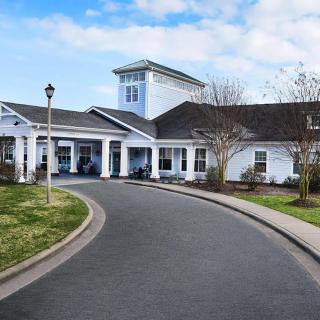
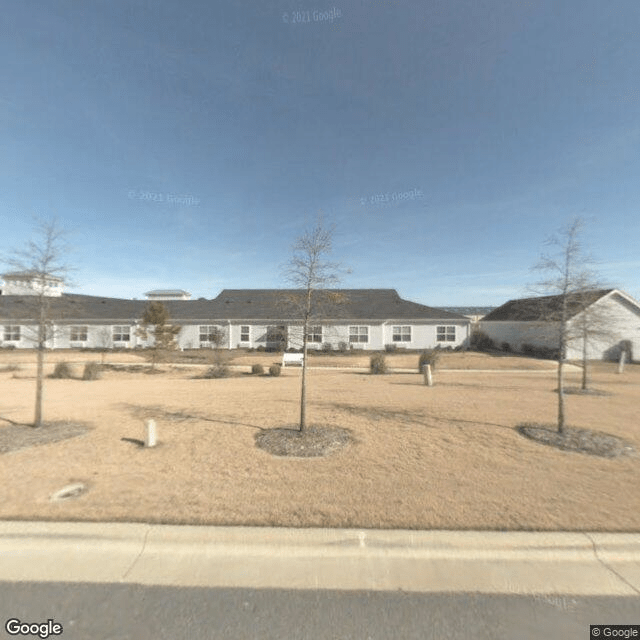
803 Bermuda Bay Blvd., Kill Devil Hills, NC 27948
To contact a resident: (252) 449-4455
For more information about senior living options: (866) 208-4318
Spring Arbor of the Outer Banks Costs & Pricing
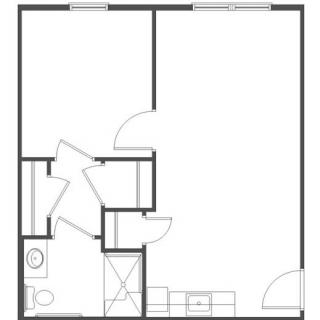
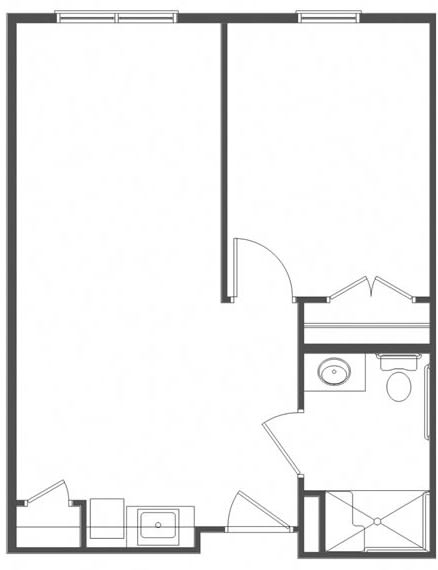
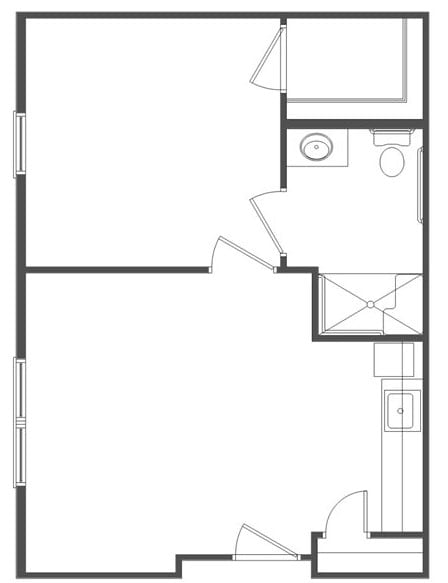
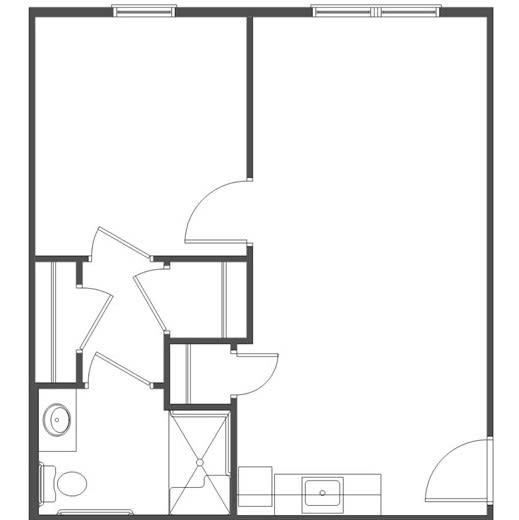
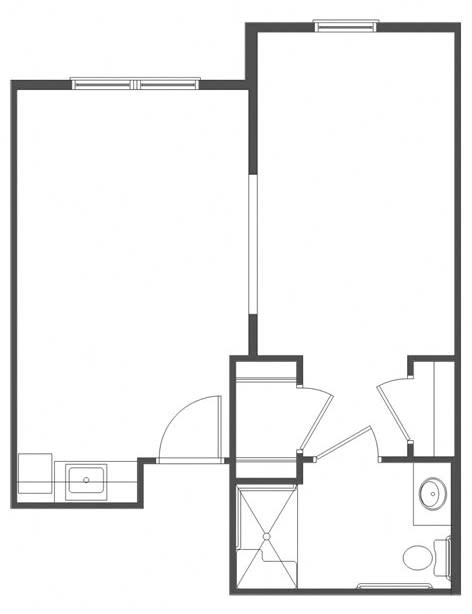
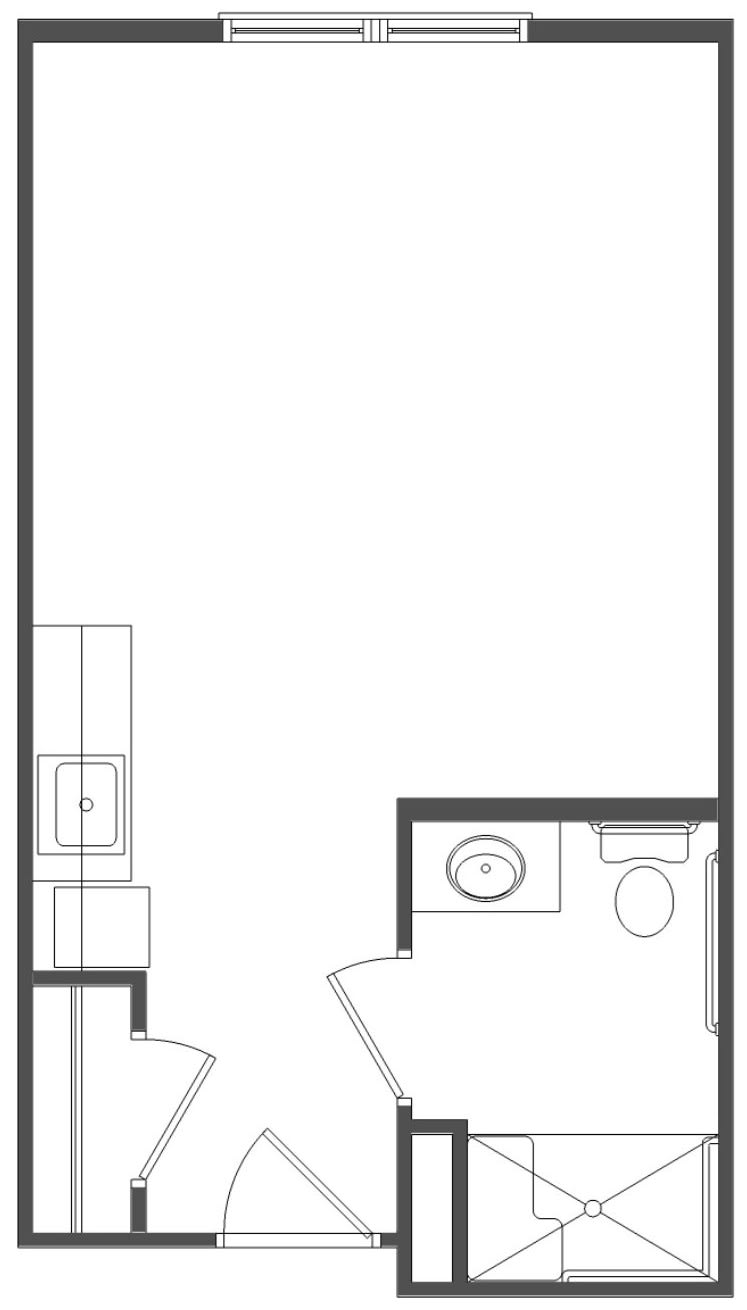
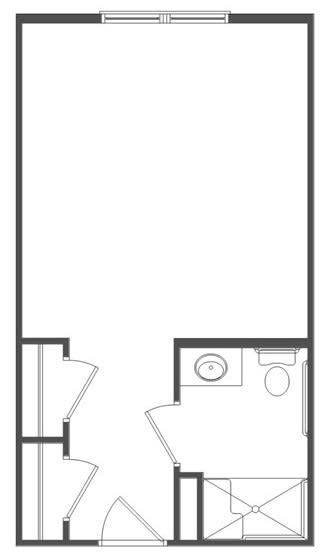
Spring Arbor of the Outer Banks offers competitive pricing for its living accommodations, aligning closely with both Dare County and broader North Carolina averages. For a semi-private room, residents pay $3,569 per month, which matches the county's rate and slightly undercuts the state average of $3,584. Studio apartments are available at $4,899, consistent with local costs yet notably higher than North Carolina's average of $4,020. Similarly, the one-bedroom option is priced at $5,489 - a figure that reflects both county and state rates while emphasizing the premium quality of care provided. Overall, Spring Arbor not only maintains parity with regional pricing but also underscores its commitment to delivering exceptional service in a serene coastal environment.
| Floor plans | Spring Arbor of the Outer Banks | Dare County | North Carolina |
|---|---|---|---|
| Semi-Private | $3,569 | $3,569 | $3,584 |
| Studio | $4,899 | $4,899 | $4,020 |
| 1 Bedroom | $5,489 | $5,489 | $4,055 |
Overall Review of Spring Arbor of the Outer Banks
Pros
 Spring Arbor is described as a caring community where the staff are kind, helpful, and truly dedicated to residents.
- Families note great meals, clean facilities, and plenty of activities that keep residents engaged.
- Many reviewers would definitely recommend Spring Arbor for a family member in need.
- The staff are attentive, never rushed, and provide regular updates to families.
- The environment feels home-like and welcoming, with staff who treat residents with love and respect.
- Memory care caregivers are dedicated and competent, making the transition for loved ones painless.
- Although it is expensive, the care provided is considered excellent.
- The facility is described as resort-like in quality and comfort, with a focus on dignity for residents.
Cons
 Some staff at the facility do only the minimum for the elderly.
- The facility is expensive.
- Being in attended care is a tough situation for residents and implies they are no longer competent to live independently, which can be demoralizing.
- The former executive director left the company a complete mess.
Review
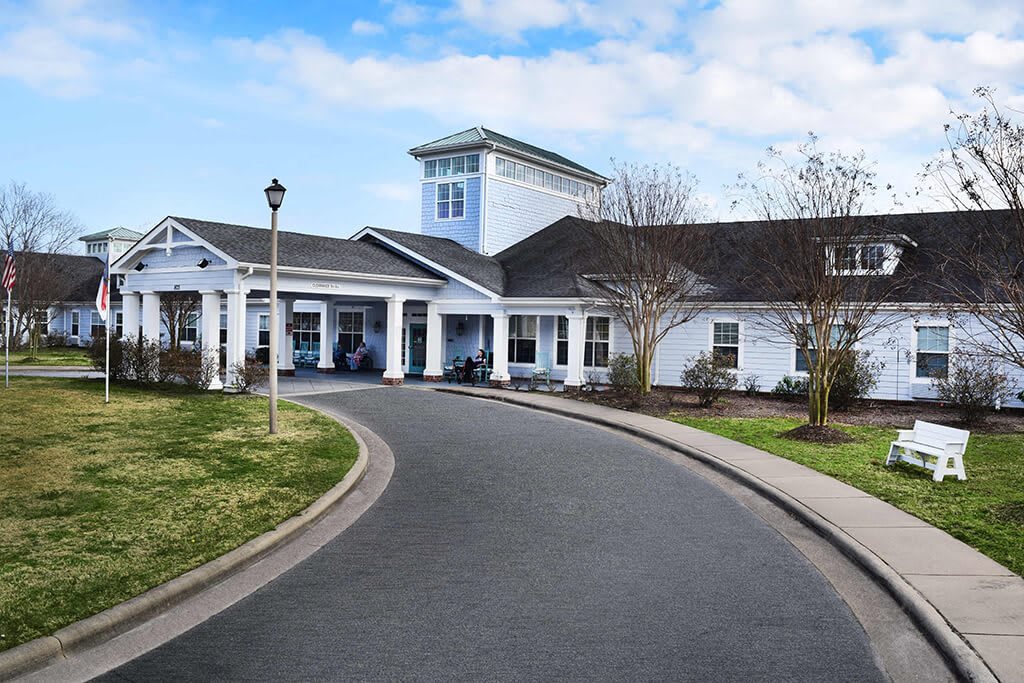
Spring Arbor of the Outer Banks is best suited for families seeking a high-touch, home-like assisted living and memory-care environment on the Outer Banks, where a warm, resident-centered culture and a resort-like setting translate into reliable daily well-being. It serves seniors who benefit from attentive, relationship-driven care, regular family communication, and a robust activity calendar that keeps residents engaged. The community’s strongest draw is the felt partnership between staff and families: residents are described as safe, well cared for, and treated with genuine kindness, with daily briefings and open lines of communication cited as ongoing reassurance.
That care comes with a caveat: the price tag is a meaningful consideration. This is not a bargain option, and the cost is repeatedly acknowledged as a trade-off for the level of service and the peace of mind it affords. For families prioritizing bottom-line affordability or seeking a more clinical, hospital-like care model, alternatives in the region may be more appropriate. Additionally, a small portion of reviewers flag variability among staff in terms of effort, noting that not every team member goes beyond the minimum. This underscores the importance of inquiring about staff assignments, caregiver ratios, and the specific care plan for a given resident before committing.
On balance, the positives overwhelm the negatives. The pros include consistently courteous, capable caregivers who demonstrate real devotion to residents, meals described as enjoyable, and a facility that is well kept and aesthetically inviting. The memory-care cottages feature dedicated caregivers who have successfully transitioned loved ones from home life into a safe, structured setting, easing anxiety for families and preserving dignity for residents. Families frequently report feeling heard and supported, with staff who are unhurried, attentive, and genuinely invested in residents’ comfort and happiness. The overall atmosphere is described as welcoming, with residents who are not merely cared for but made to feel as part of a caring community.
The cons, when weighed against the benefits, tend to focus on cost and occasional staffing variability. The price point can deter prospective residents who need to stretch limited resources, and some parents worry that attention can waver if staff are stretched thin on shift. However, the overwhelming impression is that the strongest weeks are defined by engaged, compassionate care that consistently honors residents’ dignity. Even when leadership transitions are noted, the available staff and new leadership appear capable of sustaining a high standard of service, which matters greatly for families seeking continuity in daily routines and care plans.
For families deciding, several practical criteria matter: evaluate whether memory care needs are met by dedicated cottages and whether staff turnover might affect consistency in daily routines. Request the latest care plan, ask for details on how daily notes are communicated, and inquire about activity calendars to ensure enrichment aligns with a loved one’s interests. Consider proximity to home as a plus, since frequent visits reinforce the bond between residents and family and can amplify the positive effects of attentive care. If the goal is a warm, engaged, and dignified living environment that prioritizes resident happiness and safety, this community stands out.
In the end, Spring Arbor OBX is a strong recommendation for those who value a compassionate, home-like setting with proactive communication and meaningful engagement, and who are prepared to invest in premium senior living. It is not the choice for families seeking the most economical option or the most clinical oversight, but it excels as a trusted, respectful home where residents are cared for with genuine affection and professionalism. Prospective families should plan a visit, talk candidly with staff about care expectations, and weigh the financial commitment against the priceless assurance of a well-loved loved one thriving daily.
 102 resident community capacity
 Assisted Living
 Memory Care
 Activities off-site
 Air-conditioning
 Bath tubs
 Beauty salon
 Cable or satellite TV
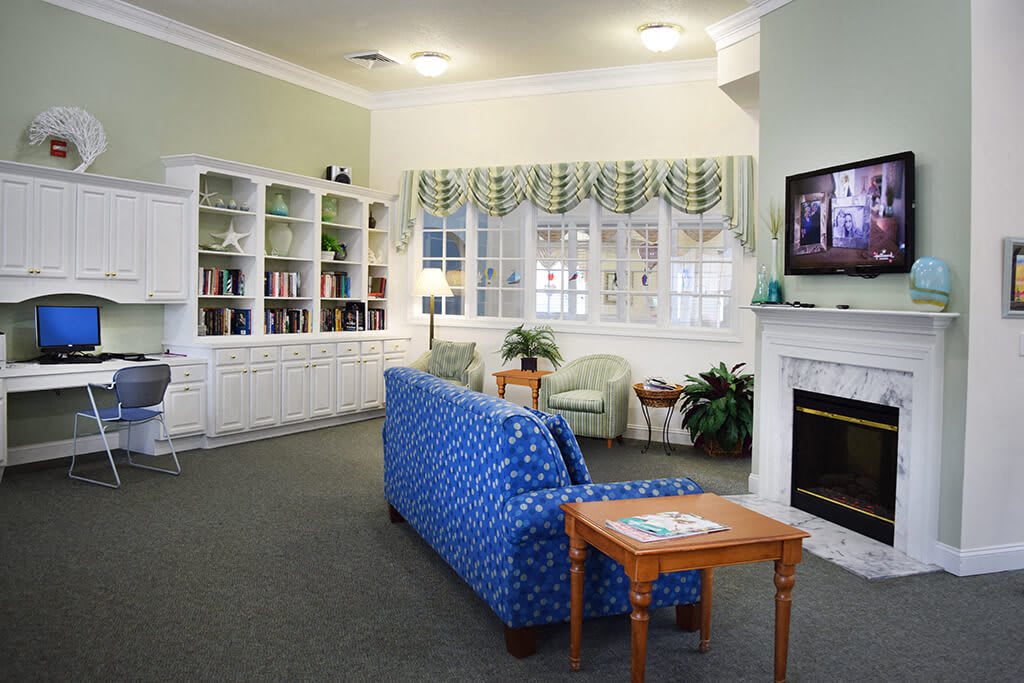
 Computer center
 Devotional services off-site
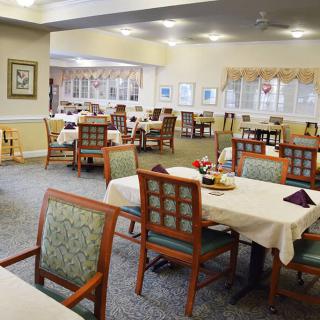
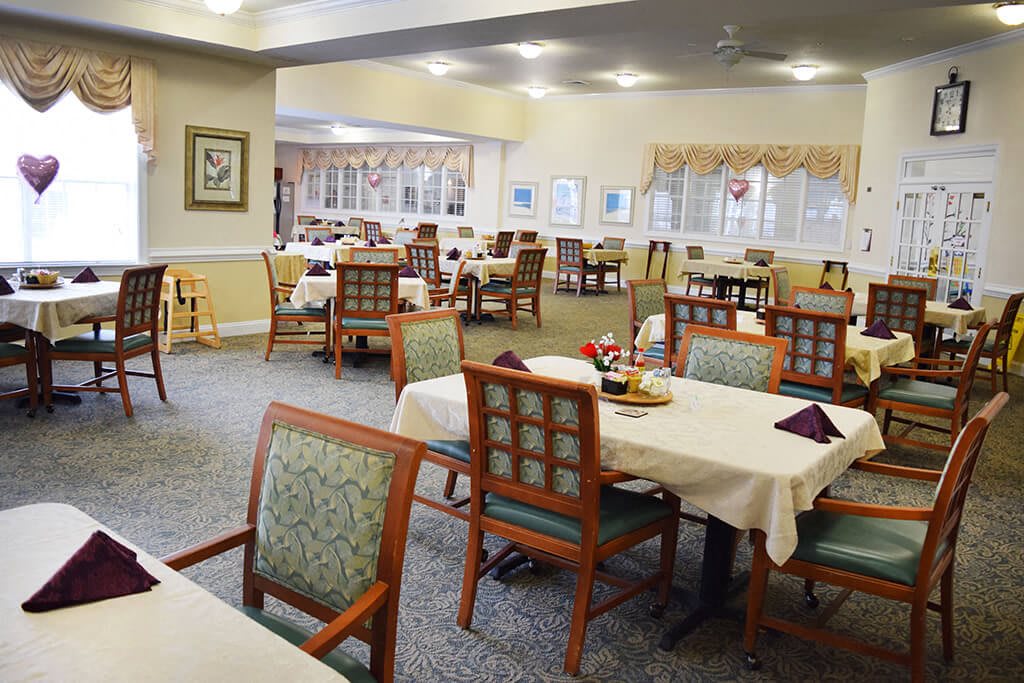
 Dining room
 Fitness room
 Fully furnished
 Gaming room
 Garden
 Handicap accessible
 Housekeeping services
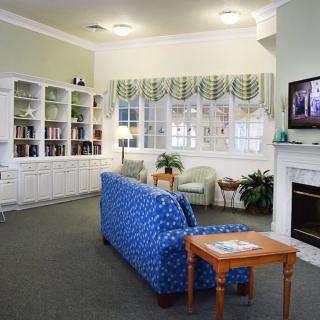
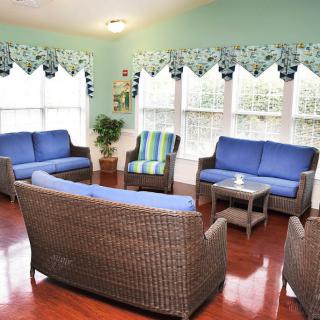
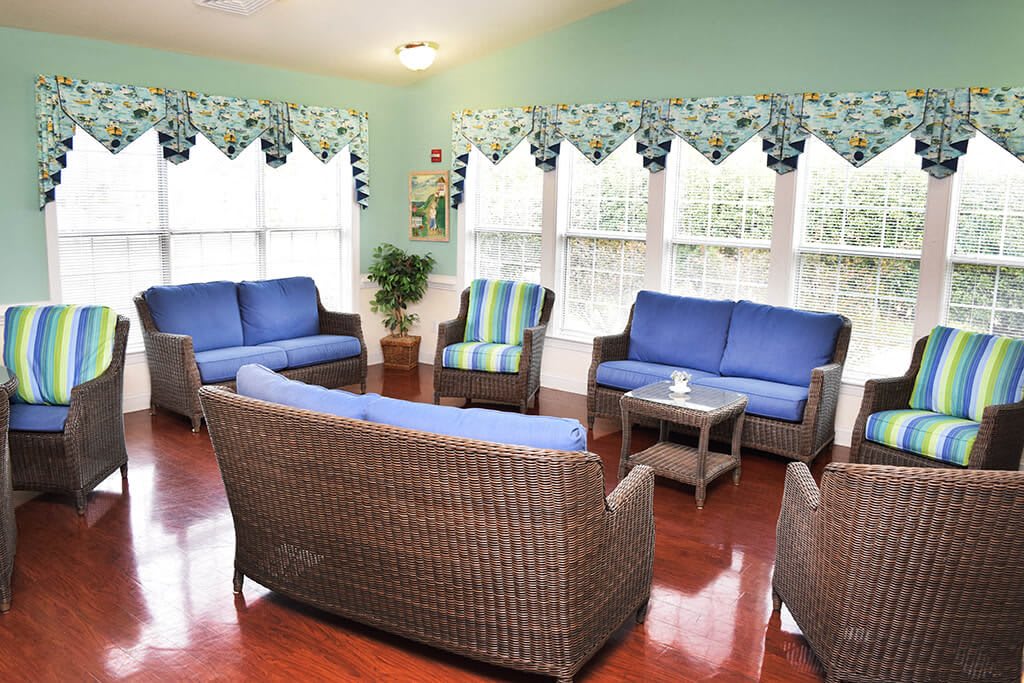
 Indoor common areas
 Kitchenette
 Move-in coordination
 Outdoor space
 Private bathrooms
 Respite or short term stays offered
 Restaurant-style dining
 Small library
 Telephone
 Wellness center
 Wheelchair accessible showers
 Wi-Fi/high-speed internet available
 Community operated transportation
 12-16 hour nursing
 24-hour call system
 Ambulatory care
 Assistance with bathing
 Assistance with dressing
 Assistance with transfers
 Diabetes diet
 Diabetic care
 High acuity care
 Incontinence care
 Medication management
 Mental wellness program
 Special dietary restrictions
 Art classes
 Bible study group
 Concierge services
 Cooking classes
 Day trips and outings
 Educational speakers / life long learning
 Happy hour
 Karaoke
 Live musical performances
 Wine tasting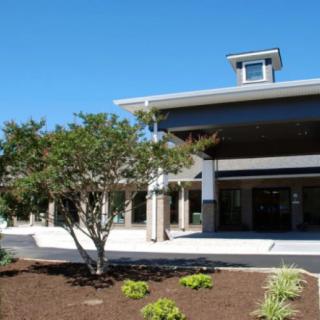


 Dementia, Paranoia, and Caregiver Guidance: Understanding the Connection
 Engaging Memory Care Activities That Enhance Quality of Life
 When to Transition from Assisted Living to Memory Care: Key Indicators, Steps, and Finding the Right Community