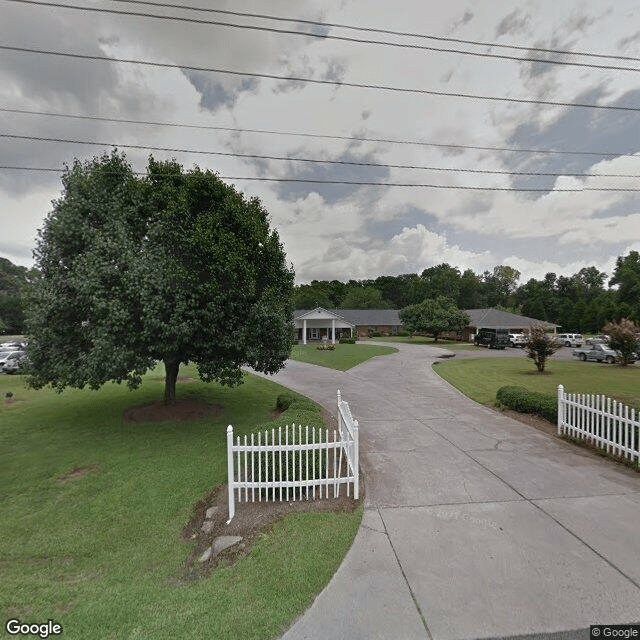
703 S Walnut St, Fairmont, NC 28340
To contact a resident: (910) 628-9021
For more information about senior living options: (866) 208-4318
Greenbrier Costs & Pricing
In Greenbrier, the monthly costs for various room types present a compelling option compared to both Robeson County and the broader North Carolina state averages. For a semi-private room, residents pay $2,000 per month, significantly lower than the county's average of $3,123 and the state's average of $3,584. Similarly, for a one-bedroom accommodation, Greenbrier's rate stands at $2,750 - slightly above the county's average of $2,715 but markedly more affordable than North Carolina's average of $4,055. This pricing structure positions Greenbrier as an attractive choice for individuals seeking quality care without the financial strain often associated with similar facilities in the region.
| Floor plans | Greenbrier | Robeson County | North Carolina |
|---|---|---|---|
| Semi-Private | $2,000 | $3,123 | $3,584 |
| 1 Bedroom | $2,750 | $2,715 | $4,055 |
Assisted Living communities with a similar price nearby
-
from -$150 / mo
Red Springs Assisted Living
$1,850 to $2,250 / month21.3 miles away -
from +$150 / mo
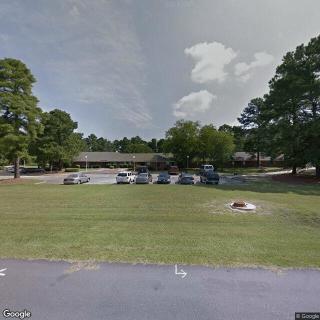
West Bladen Assisted Living
$2,150 to $2,900 / month18.9 miles away -
About the same
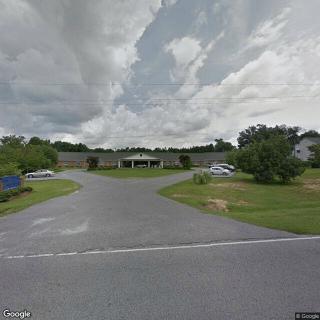
Thorne Retirement Home
$1,950 to $2,500 / month10.6 miles away
Overall Review of Greenbrier
Pros
 The place is great, and his dad loves it there.
- The staff at Greenbrier are very friendly and very helpful.
- The memory care unit is close and convenient for families, and residents seem to be enjoying it.
- The staff keep families informed and are easy to work with.
- The facility is clean and offers a good schedule of activities.
- They take residents outside when the weather is nice and provide other activities.
- The food pleases residents, even picky eaters, and the facility is clean with a fresh smell.
- The area is a quiet, small-town setting with no hustle and bustle and is near Lumberton, NC.
Cons
 The place is not a very safe place for loved ones.
- There is probably some maintenance that needs to be done.
- The staff are very rude and unprofessional.
- The administrator was very unpleasant and unprofessional.
- There were reports that clothing belonging to A. McDowell was being stolen.
Review
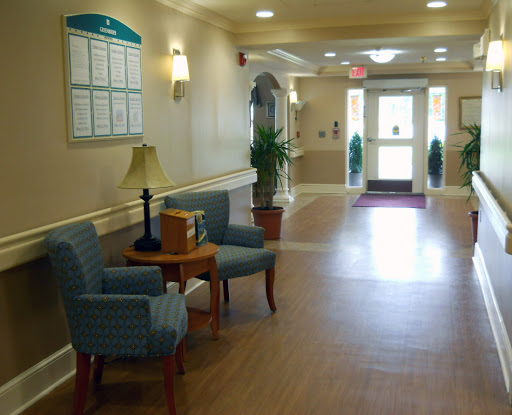
Greenbrier in Fairmont, NC is best suited for families seeking a quiet, small-town environment with a memory-care option close to home and a staff that responds quickly to day-to-day issues. The community’s hallmark is a low-key, approachable atmosphere where residents can settle into predictable routines and families can feel comfortably connected through regular updates. The area’s lack of hustle and bustle appeals to those prioritizing safety and a slower pace, and the proximity to Lumberton means access to larger services without sacrificing village-like charm. This setting works best for seniors who thrive on stability, personal attention from caregivers, and clear, simple logistics rather than urban amenities or high-energy programming.
However, potential buyers should explicitly consider alternatives if safety governance and administrative consistency are top priorities. Several pointed concerns appear in the feedback, including assertions of unsafe conditions and serious questions about management. A strongest caution centers on the impression that leadership and staff conduct may be opaque or uneven, with specific references to unprofessionalism and disputes that have drawn attention from state oversight sources. For families with elevated risk awareness or histories of challenging care needs, it is prudent to compare Greenbrier against other communities with more transparent accountability, stronger incident-tracking, and demonstrable safety records before committing.
The genuine strengths of Greenbrier balance toward the positive side in several meaningful ways. Staff are frequently described as friendly, helpful, and communicative, with families feeling informed about daily happenings and care plans. The memory-care unit is highlighted for proximity and attentiveness, and multiple accounts praise the cleanliness and freshness of the environment, including appealing dining experiences. A solid activities program helps residents stay engaged, including outdoor time when weather permits. For families who value a responsive front-line team, these pros can meaningfully offset occasional maintenance needs and the inherent limitations of a smaller facility.
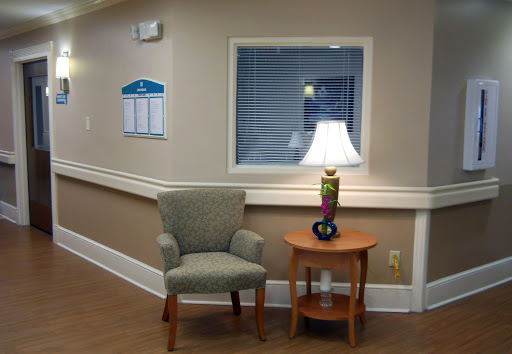
Cleanliness, dietary satisfaction, and an active schedule collectively contribute to a dignified daily life for residents, which matters deeply to families weighing quality of life. When a residence smells fresh and presents a tidy common area, residents are likely to feel more at ease, and visitors often observe higher morale during visits. The documented presence of memory care staff who communicate well and keep families in the loop addresses one of the most critical decision factors: meaningful engagement and oversight for loved ones with cognitive needs. Taken together, these positives create a credible case for Greenbrier as a viable option for families prioritizing warmth, routine, and near-home convenience.
Maintenance gaps and the controversial anecdotes surrounding safety and leadership must be treated as non-negotiables in a decision process. Prospective residents should demand a firm, actionable plan on how maintenance requests are tracked and resolved, with transparent timelines and follow-up. Questions should be raised about staff ratios, staff turnover, and ongoing training, as well as how administration handles complaints, theft accusations, and escalation to state boards when necessary. Families will want current, verifiable safety records, recent inspection outcomes, and a clear picture of the leadership structure, especially the administrator’s accessibility, responsiveness, and consistency in policy enforcement.
In the end, Greenbrier presents a practical blend of comfort and care potential against a backdrop of cautionary signals. It offers a calm environment, attentive day-to-day care, and meaningful activity options that can support a high quality of life for residents who fit its pace. Yet the credibility of safety assurances and administrative responsiveness is a decisive factor for any family choosing long-term placement. If the priority is a warm, neighborly setting with dependable staff contact and a nearby memory-care option, Greenbrier can be a good fit, but only after confirming safety governance, addressing maintenance reliability, and ensuring that administration embodies the steadiness and transparency required for lasting confidence. For families unwilling to compromise on those governance aspects, exploring alternatives with stronger safety track records and clearer accountability remains strongly advised.
 Assisted Living
 Activities on-site
 Devotional services off-site
 Garden
 Guasts at mealtime
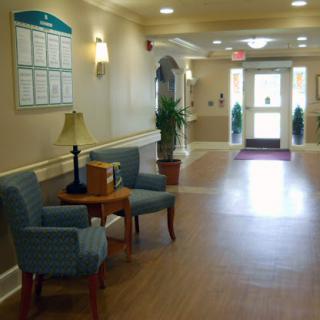
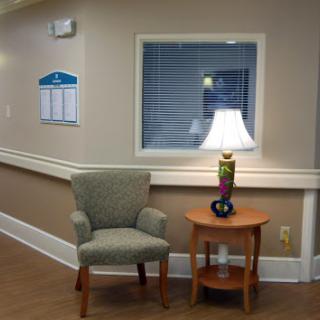
 Indoor common areas
 Laundry
 Resident parking
 Security gate
 Transportation & parking
 Ambulatory care
 Diabetic care
 Meals provided


 Medicare Coverage for Assisted Living: An In-Depth Exploration
 Choosing the Right Senior Care: A Detailed Exploration of Assisted Living and Nursing Homes
 Understanding the True Cost of Assisted Living in 2025: A Comprehensive Guide