
149 Glendale Drive, Eden, NC 27288
For more information about senior living options: (866) 208-4318
Overall Review of Safe Haven Ach 3
Cons
 The person running this place should be ashamed.
- The patients cannot have any snacks in their room.
- There are no activities for the patients.
- All they do is sit and watch TV.
- The TV in one room is almost black, making the picture hard to see.
- Being there for a while worsens a person’s mental state.
- The bathroom had a rag hanging on the towel rack.
- No one should have to live in that environment.
Review
This Eden, North Carolina community is not a strong fit for families seeking a respectful, engaging, and well-maintained senior living environment. Based on a direct visit and a firsthand account, Safe Haven Ach 3 reads as a facility where basic dignity and quality daily care are in question, and where environmental standards appear markedly deficient. The impression left is of a setting more conducive to minimal shelter than to meaningful, person-centered living. For families whose priority is predictable routines, clean spaces, and attentive oversight, this community is unlikely to meet expectations.
This is a place families should consider only after exhaustively exhausting all alternatives. Those in search of real activity programs, social engagement, and visible staff presence will want to look elsewhere. Alternatives should offer structured calendars, opportunities for meaningful interaction, and spaces that feel cared for and safe. If a loved one relies on vigilant leadership, transparent communication, and consistent hygienic practices, the comparison against this site will be stark. If there is any hesitation about the level of oversight, the prudent course is to keep exploring options until a setting with verifiable quality metrics is found.
From the available account, there are virtually no redeeming features that would offset the Serious concerns. No programs or activities were described; meals or snacks are not highlighted as a reliable benefit; the sole emphasis appears to be passive television time. The absence of positive daily structure, coupled with reports of subpar equipment and comfort, leaves little to justify placement. Even hypothetical conveniences such as lower cost or convenience in location fail to justify accepting the risks associated with neglect of basic resident needs. In short, the balance sheet tilts decisively toward risk and disappointment.
The principal drawbacks cluster around core living standards. Residents are reportedly not allowed snacks in their rooms, a constraint that strips away simple autonomy and comfort. There are no ongoing activities to speak of, leaving residents with little more than idle time and a TV experience described as poorly maintained, so dim that the picture is nearly unviewable. Hygiene and upkeep raise serious alarm: a rag on the towel rack and a lack of soap point to neglect of essential cleanliness. Such environmental and operational gaps undermine safety, dignity, and trust in frontline staff. Leadership concerns further erode confidence, suggesting a culture where accountability and resident welfare may be deprioritized.
With no credible positives evident, there is no meaningful offset to the main cons. The absence of engaging programming, clean and functional amenities, and responsive leadership creates a fragile and potentially unsafe living environment. The reviewer’s call for state oversight underscores the seriousness of the gaps and signals that licensing and inspection standards may be at risk without urgent corrective action. For families weighing options, the takeaway is clear: the potential benefits do not compensate for ongoing dissatisfaction and the clear risk to well-being. Places that demonstrate accountability, ongoing quality improvement, and a genuine resident-centered ethos are the far safer bet.
When evaluating placements, strong due diligence is essential. Prioritize an in-person tour with careful observation of how staff interact with residents, the cleanliness of bathrooms and common areas, the presence of snacks or room-recognized autonomy, and the availability of engaging daytime activities. Request recent inspection reports, licensing history, and a clear policy on dignity, resident rights, and complaint resolution. Ask pointed questions about staff-to-resident ratios, the pace of maintenance requests, and how quality concerns are tracked and addressed. If any red flags surface during tours, dim televisions, neglected rooms, or stagnant programming, consider continuing the search for a facility that offers reliable oversight, clean surroundings, and a proven commitment to meaningful daily life for residents. In practice, the prudent choice is a community where dignity, safety, and engagement are actively demonstrated, not merely promised.
 6 resident community capacity
 Assisted Living
 Board and Care Home
 Cable or satellite TV
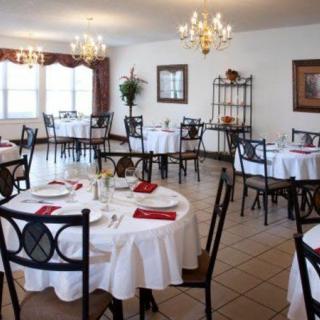
 Dining room
 Fully furnished
 Garden
 Housekeeping services
 Move-in coordination
 Outdoor space
 Telephone
 Wi-Fi/high-speed internet available
 24-hour supervision
 Activities of daily living assistance
 Assistance with bathing
 Assistance with dressing
 Assistance with transfers
 Diabetes diet
 Meal preparation and service
 Medication management
 Special dietary restrictions
 Transportation arrangement (medical)
 Transportation to doctors appointments
 Homelike setting with 24/7 supervision and personalized care.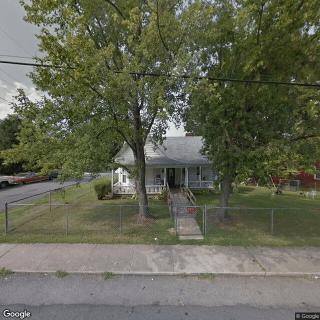






 Comprehensive Insights into Activities of Daily Living (ADLs) and Their Assessment
 Medicare Coverage for Assisted Living: An In-Depth Exploration
 Choosing the Right Senior Care: A Detailed Exploration of Assisted Living and Nursing Homes