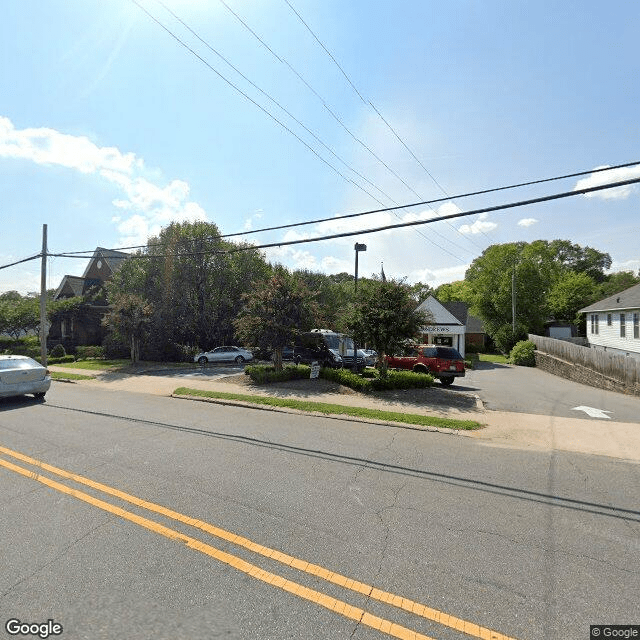
246 Cabarrus Avenue West, Concord, NC 28025
To contact a resident: (704) 788-1018
For more information about senior living options: (866) 208-4318
Overall Review of St. Andrews Living Center
Pros
 The community is wonderful and would be recommended to anyone.
- The community is very clean.
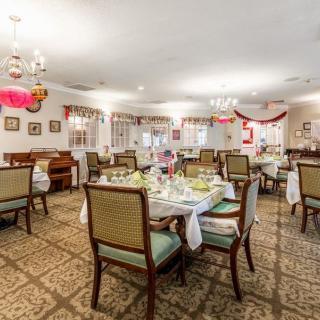
- The staff are good and provide wonderful meals.
- The husband is doing much better since moving into the community.
- St. Andrews is highly recommended for families with a parent who needs assisted living.
- St. Andrews is a privately owned facility that feels like family taking care of residents' loved ones.
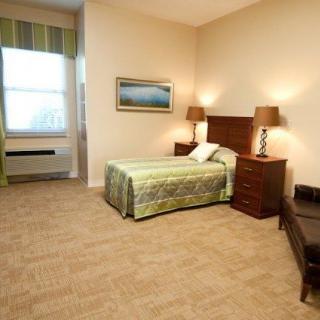
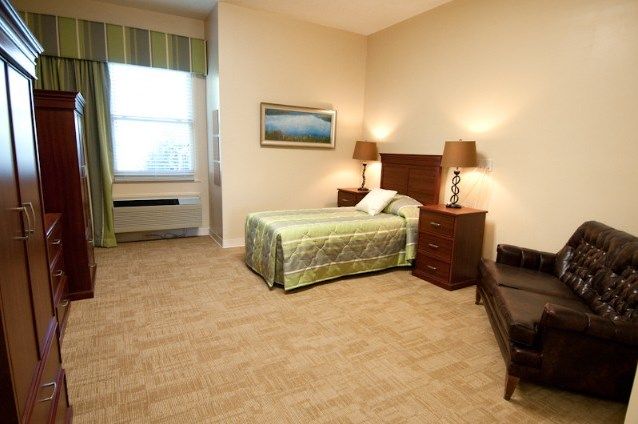
- The facility, its rooms, and the residents are always clean and well groomed, with no nursing home smell.
- The staff and the care they provide are deeply appreciated by the family.
Review
St. Andrews Living Center in Concord, NC is best suited for families seeking a smaller, home-like assisted living environment where cleanliness, dependable staff, and nourishing meals anchor daily life. It fits residents with dementia or other memory-care needs who want a privately owned facility that treats residents with a family-like level of attentiveness. The reviews paint a picture of a warm, less clinical setting where staff reliability and daily routines create a sense of security for families. For caretakers prioritizing comfort, consistency, and a personable atmosphere, this community stands out as a practical, reassuring option.
Those weighing options should still consider whether the priority is intensive medical oversight or a broad menu of on-site therapies. If hospital-level supervision, expansive rehab services, or highly structured activity calendars are non-negotiable, alternatives with larger staff rosters and more expansive program offerings may be preferable. Because St. Andrews is privately owned, costs, admission processes, and long-term financial planning deserve careful upfront review rather than assumptions. Prospective residents should confirm how quickly care levels can scale and whether the facility can sustain the needed intensity as conditions evolve.
From a care-delivery standpoint, the strongest positives lie in cleanliness, solid staff performance, and high-quality meals. Cleanliness and ongoing grooming are consistently highlighted, and there’s a noted absence of that “nursing home” odor, which supports a more homelike experience. The staff are described as good and reliable, with the ability to adapt to different levels of need, including dementia care. This flexibility, meeting whatever the loved one requires, helps families feel confident that a move won’t trigger another upheaval if care needs change. In this light, the favorable combination of intimate scale, dependable personnel, and steady daily routines effectively offsets concerns about operating on a smaller campus.
Further reinforcement comes from family-reported outcomes: a spouse notes that the husband is doing much better since the move, and other relatives attest to the positive impact of attentive care. Residents are described as clean and well groomed, and meals are singled out as wonderful, translating into better mood, appetite, and participation in daily life. The privately owned framework appears to support a hands-on leadership style where ownership and staff devotion align to sustain a reassuring, family-forward environment. Taken together, these tangible strengths build a robust case for St. Andrews when the objective centers on comfort, dignity, and a pleasant day-to-day experience.
Still, the lack of explicit downsides in the reviews means diligence remains essential. Verify current staffing ratios, particularly for memory-care residents, and inquire about access to specialized therapies, transportation options, and the breadth of activities beyond meals. Clarify how care levels are assessed, how quickly care can be escalated, and what the long-range plan looks like if medical needs intensify. These questions matter because they determine whether the praised warmth and consistency can be reliably sustained over time. The good news is that the reported strengths create a strong presumption in favor of St. Andrews for families prioritizing a warm, dementia-capable, home-like setting.
Overall, St. Andrews Living Center presents a practical, well-suited option for families prioritizing a calm, intimate environment where cleanliness, good meals, and attentive staff translate into real improvements in daily living and well-being. It excels for residents who require flexible care layers and dementia-friendly support, with a family-owned culture that reduces the sense of institutional distance. Those needing expansive medical oversight, large activity rosters, or aggressive rehabilitation programs should explore alternatives. When the criteria center on dignity, consistent daily life, and a trusted, home-like atmosphere, St. Andrews is a prudent, non-ornate choice that reliably delivers on its promises.
 56 resident community capacity
 Assisted Living
 Activities on-site
 Air-conditioning
 Beauty salon
 Cable or satellite TV
 Computer center
 Devotional services off-site
 Dining room
 Fitness room
 Fully furnished
 Gaming room
 Garden
 Housekeeping services
 Indoor common areas
 Kitchenette
 Move-in coordination
 Outdoor space
 Private bathrooms
 Restaurant-style dining
 Small library
 Telephone
 Wellness center
 Wi-Fi/high-speed internet available
 Charlotte Douglas International (24 miles away)
 Community operated transportation
 12-16 hour nursing
 24-hour call system
 Ambulatory care
 Assistance with bathing
 Assistance with dressing
 Assistance with transfers
 Diabetes diet
 Diabetic care
 Medication management
 Mental wellness program
 Special dietary restrictions
 Concierge services
 Planned day trips



 Understanding Medicaid Coverage for Assisted Living: A Comprehensive Guide
 How and When Medicaid May Cover Assisted Living Costs
 A Detailed Exploration of Assisted Living Medicaid Waivers Across the United States