
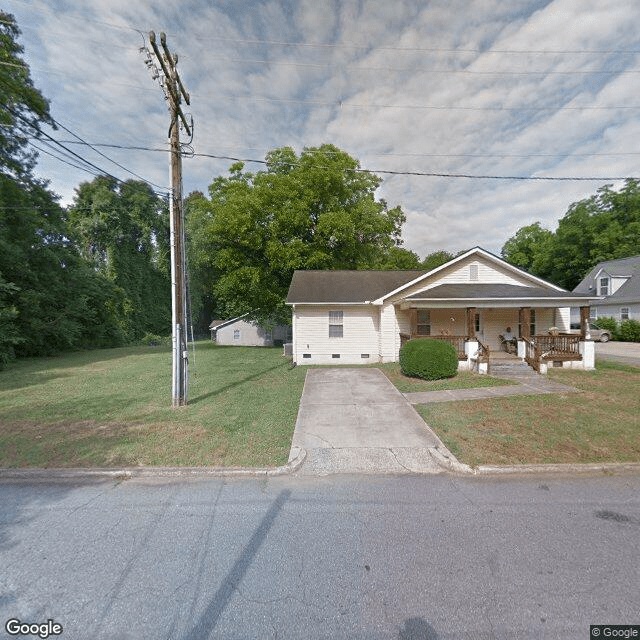
207 E Sixth Street, Burlington, NC 27215
To contact a resident: (336) 229-0883
For more information about senior living options: (866) 208-4318
Overall Review of Golden Years Family Care #2
Pros
 Evelyn and Queen are a God send.
- They are great Christian ladies.
- The staff are caring about residents.
- The facility is clean, safe, and caring.
- The reviewer views it as the only safe place for taking care of their grandmother.
Cons
 The reviewer says the facility should be closed down.
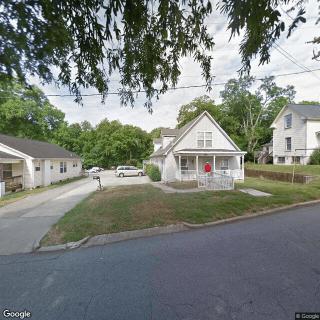
- From the outside, it would look condemned.
- There was only one staff member for over seven patients, leaving many unattended.
- Terrible people are allowed to run a hole-in-the-wall operation and claim to care for seniors.
- The reviewer describes the situation as sad.
Review
Golden Years Family Care #2 in Burlington is best suited for families seeking a small, home-like assisted living option where staff relationships feel personal and residents can receive attentive, individualized care. The setting appeals to households that prize a caring, almost familial atmosphere and value trusted staff who know long-standing residents by name. For some families, the strongest appeal lies in the likelihood of direct, ongoing interaction with caregivers who take time to build connections, rather than a large, impersonal campus. When health needs are moderate and the priority is consistent, compassionate contact over formal programming, this community can feel like a reassuring fit.
Nevertheless, families should explicitly consider alternatives if the resident requires higher acuity supervision or consistent, robust staffing across all shifts. One review underscored a troubling impression of staffing gaps and facility conditions that suggest safety and supervision could be uneven in practice. While other comments pulse with warmth and trust, emphasizing clean, caring environments and staff who feel like allies, the outlier voices raise a red flag for those who cannot afford lapses in oversight. In short, the best fit exists where expectations match a small-scale operation’s realities, and where families can verify staffing and maintenance on arrival and over time.
The strongest positives here are the evident, person-centered care and the sense that staff genuinely cares for residents. Several residents and families describe a clean, safe environment with caregivers who are consistently involved in residents’ well-being. The testimony about Evelyn and Queen highlights a stable, faith-informed leadership style that many families find comforting and trustworthy. When those relational dynamics work, they can offset limitations in other areas by delivering daily reassurance, meaningful interactions, and a concrete sense of belonging that is harder to find in larger facilities.
Yet the negatives cannot be dismissed. The most concerning testimony points to understaffing and appearances of neglect, and the external impression of the building itself can feel less than inviting. Those factors matter not just aesthetically but practically: reduced supervision, slower responses to needs, and missed opportunities for timely assistance. The mixed reviews, combining heartfelt praise with pointed warnings, signal a reality that residents may experience different levels of care depending on who is on shift and when. For families evaluating options, this means verifying shift coverage, incident histories, and maintenance responsiveness before committing.
From a decision-making perspective, the facility’s mid-range rating (3.6/5) aligns with the idea that care quality is highly contingent on individual staff and daily operations. Pros offset cons when staffing is steady, relationships are strong, and the environment remains clean and safe. The risk calculus becomes: is the resident comfortable with a smaller team and occasional variability in staffing, or does the family require the steadiness of a larger, more resource-rich community with formalized protocols and more consistent coverage? The answer hinges on the resident’s medical needs, tolerance for potential delays in care, and the family’s capacity to monitor and advocate.
Practically, families should conduct thorough in-person evaluations focused on three pillars: staffing reliability, safety and maintenance, and resident engagement. Observe staff-resident interactions across different times of day, ask to see a recent incident or activity log, confirm caregiver-to-resident ratios, and tour the physical plant with attention to cleanliness, handrails, lighting, and common-area safety. Speak with current residents or families about response times, meal quality, activities, and social opportunities. Finally, compare this community against other Burlington options that can offer higher staffing levels, more standardized care pathways, or larger-scale programming if those attributes are priorities.
Overall, Golden Years Family Care #2 can be a prudent choice for families who value intimate, relationship-driven care and a faith-friendly, small-community ethos. It is less suitable for residents who demand constant, higher-acuity supervision or fault-tolerant staffing on every shift. The best course is to treat the place as a strong option to be tested in person: verify staffing patterns, assess the facility’s upkeep, and measure how well daily routines align with the resident’s needs and the family’s expectations. When these checks pass, the result can be a trusted, long-term home; when they don’t, alternatives with broader resources and steadier oversight should take precedence.
 Assisted Living
 Activities on-site
 Devotional services off-site
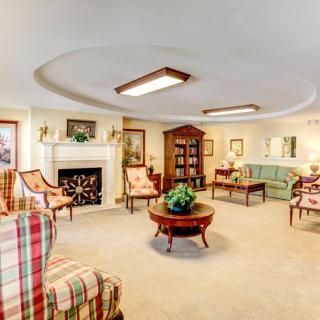
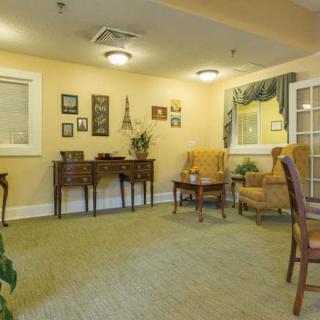
 Indoor common areas
 Ambulatory care
 Diabetic care
 Meals provided



 Securing Financial Support for Assisted Living: A Comprehensive Overview
 Social Security Benefits and Assisted Living: Navigating Options Across the U.S.
 An Extensive Exploration of the VA Aid and Attendance Benefit