
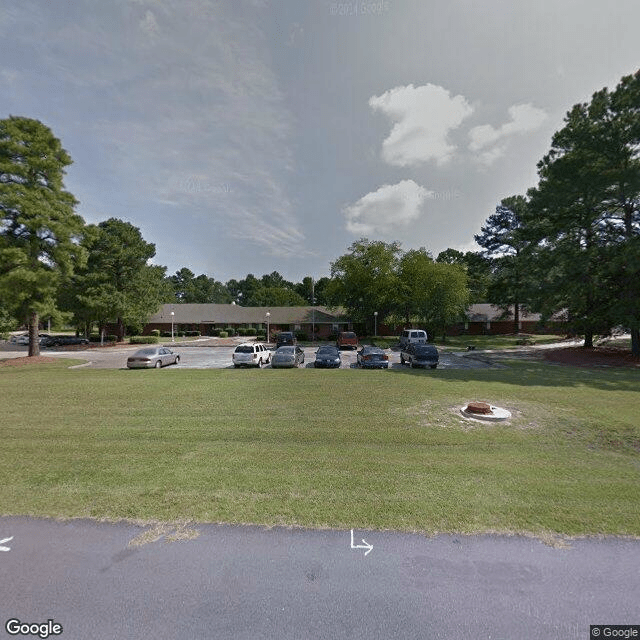
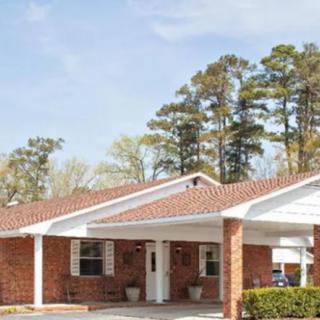
714 East Bladen Street, Bladenboro, NC 28320
For more information about senior living options: (866) 208-4318
West Bladen Assisted Living Costs & Pricing
West Bladen Assisted Living offers competitive pricing for its residents when compared to both Columbus County and the broader North Carolina state averages. For semi-private rooms, the monthly cost at West Bladen is $2,150, significantly lower than the county average of $2,318 and well below the state average of $3,584. Similarly, for private one-bedroom accommodations, West Bladen's rate of $2,900 is considerably more economical than both the county's $4,354 and the state's $4,055. These attractive pricing options make West Bladen Assisted Living an appealing choice for individuals seeking quality care without compromising their financial stability.
| Floor plans | West Bladen Assisted Living | Columbus County | North Carolina |
|---|---|---|---|
| Semi-Private | $2,150 | $2,318 | $3,584 |
| 1 Bedroom | $2,900 | $4,354 | $4,055 |
Memory care communities with a similar price nearby
-
from +$345 / mo
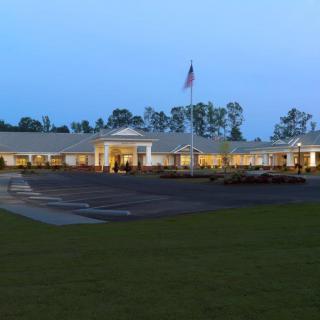
Wesley Pines Retirement Community
$2,495 / month14.5 miles away -
from -$150 / mo

Liberty Hill Family Care
$2,000 / month11.6 miles away
Overall Review of West Bladen Assisted Living
Pros
 The uncle adapted quickly and happily at West Bladen.
- He is fed, warm, clean, and shaved.
- He engages with staff and other residents.
- The Sunday worship time is a highlight to him.
- The staff are always friendly to him and visitors.
- The enrollment process is very easy.
- The grounds are beautiful and well-kept, and the location is great.
- The workers there clearly love the residents.
Cons
 There was no RN on duty.
Review
West Bladen Assisted Living in Bladenboro, NC is best suited for families seeking a warm, home-like atmosphere where residents are treated like family and daily life centers on comfort, routine, and social connection. It works well for seniors who are fairly independent but want regular staff interaction, easy family involvement, and a community that prioritizes daily warmth and accessibility. The setting rewards personal attention, with an emphasis on familiar rhythms, friendly faces, and opportunities to participate in shared activities and worship. For families who value a nurturing, neighborly vibe over hospital-like medical intensity, this community fits the bill.
Those with higher medical needs should consider alternatives. A clear caveat is the absence of on-site RN coverage, which matters for residents requiring frequent medical oversight, medication administration, wound care, or rapid clinical decision-making. Prospective families should be prepared to coordinate with external healthcare providers and rely on staff for day-to-day support rather than on-site clinical monitoring. If 24/7 nursing on site, extensive memory-care programming, or more intensive skilled services are essential, other communities with dedicated nursing staff and specialized units may be a better fit.
The strongest positives are the powerful, resident-centered care ethos and the visible warmth of the staff. Reviewers repeatedly describe staff who are genuinely loving and attentive, with residents who engage easily with caregivers and fellow residents. The community also places a meaningful emphasis on social and spiritual life, highlighted by activities such as Sunday worship and devotional reading, which many families see as essential for quality of life. Enrollment is straightforward, with staff offering practical guidance on daily living needs, including clothing choices, and the ability for families to visit and even accompany a resident out when needed. The setting itself, beautiful, well-kept grounds in a convenient location, adds to a sense of safety and belonging.
On the downside, the lack of a resident nurse on duty is a notable limitation that can complicate medical oversight for those with evolving or acute needs. One review explicitly flags the absence of on-site RN coverage, which may raise concerns about monitoring, timely medication adjustments, and immediate clinical response. While staff are friendly and the environment is welcoming, this gap means care coordination relies more heavily on external medical input and family involvement. For families that require proactive clinical management or expect a higher level of onsite medical reassurance, this is a material consideration.
Nevertheless, the positive elements often outweigh the medical oversight drawback for many residents. The staff’s consistent friendliness and engagement create a sense of belonging that keeps residents connected to people who know them well. The social calendar, spiritual programming, and the facility’s tasteful, calm atmosphere help reduce isolation and support emotional well-being. The ease of move-in, the ability to keep familiar routines, and the opportunity for family participation in daily life provide tangible relief to worried families who want to see a loved one thriving in a respectful, community-oriented setting. In short, West Bladen delivers a compelling blend of homelike comfort and practical support that makes it a strong choice for the right resident.
Decision-makers should approach with a practical plan. Visit the community, meet the administrator, and ask for a clear outline of RN coverage, visiting clinician options, and how medical needs are managed when a resident’s condition changes. Confirm what services are included in the base rate and which, if any, require add-ons, and inquire about partnerships with local doctors or home-health agencies. Talk to current residents and families about how care is coordinated during evenings and weekends, and verify transportation options for appointments. If the answer to these questions aligns with the resident’s medical reality and the family’s expectations, West Bladen stands out as a compassionate, well-run option. If not, alternatives with on-site nursing, more structured memory-care programs, or stronger clinical oversight may be the prudent path.
 60 resident community capacity
 Assisted Living
 Memory Care
 Activities off-site
 Air-conditioning
 Bath tubs
 Beautician on-site
 Cable or satellite TV
 Computer center
 Devotional services off-site
 Dining room
 Fitness room
 Fully furnished
 Gaming room
 Garden
 Housekeeping services
 Indoor common areas
 Kitchenette
 Move-in coordination
 Outdoor common areas
 Private bathrooms
 Respite or short term stays offered
 Restaurant-style dining
 Small library
 Telephone
 Wellness center
 Wheelchair accessible showers
 Wi-Fi/high-speed internet available
 Community operated transportation
 12-16 hour nursing
 24-hour call system
 Assistance with bathing
 Assistance with dressing
 Assistance with transfers
 Diabetes diet
 Diabetic care
 Incontinence care
 Medication management
 Mental wellness program
 Special dietary restrictions
 Concierge services
 Planned day trips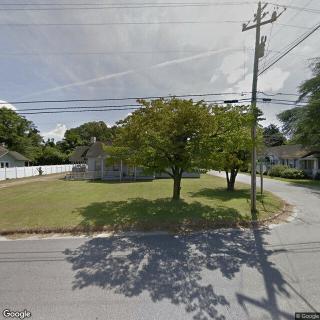



 Why Do Dementia Patients Sleep So Much? Understanding Oversleeping, Stages, and Care Approaches
 8 Key Indicators That Suggest It May Be Time to Transition from Assisted Living to Skilled Nursing Care
 Nourishing the Mind: Essential Dietary Approaches for Dementia