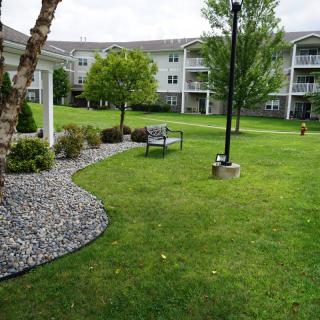
Masonic Care Community in Utica, NY

Save
Masonic Care Community

Masonic Care Community in Utica, NY

2150 Bleecker Street, Utica, NY 13501

For more information about senior living options: (844) 490-3973

3.7 from 28 reviews
5 stars
17
4 stars
1
3 stars
1
2 stars
2
1 stars
7

Assisted Living Independent Living Respite Care Skilled Nursing Facility

Overall Review of Masonic Care Community

Pros

  • pro Masonic Care Community of New York is very good; the facility is nice and the staff is very nice.
  • pro The staff are cooperative, professional, and genuinely caring toward residents.
  • pro The meals are good and there is a nice variety, with staff helping residents eat when needed.
  • pro The aunt loves it there and enjoys the transportation, entertainment, and activities provided.
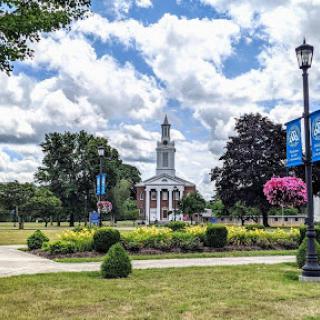
  • pro The grounds and building are beautiful, and PT & OT services are excellent.
  • pro The staff and doctors deliver excellent care, and the reputation is strong.
  • pro The mom has been happy with the care for years and feels safe and well taken care of.
  • pro It is one of the most beautiful and heart-warming places for seniors, with a caring community and dedicated staff.

Cons

  • pro The fingerprinting staff member is described as having an attitude problem, huffing and puffing, and rolling his eyes at a patient.
  • pro The nursing home is criticized for neglect, with staff who do not care for their patients, and the reviewer would give zero stars if possible.
  • pro Virus procedures were not followed and CNAs and many employees appeared to care less about residents.
  • pro Some visitors described residents as rude or creepy, reflecting poorly on the facility.
  • pro Night staff were seen ignoring buzzers, texting, and playing video games instead of helping residents.
  • pro A staff member was alleged to have made a racist remark about a Black resident.
  • pro A family member reported that a patient fell due to lack of supervision, with concerns by leadership not adequately addressed.
  • pro Personal property, including jewelry, went missing during the stay, indicating poor oversight.
  • pro The elder population deserve much more than they are getting; the care is deemed shameful.

Review

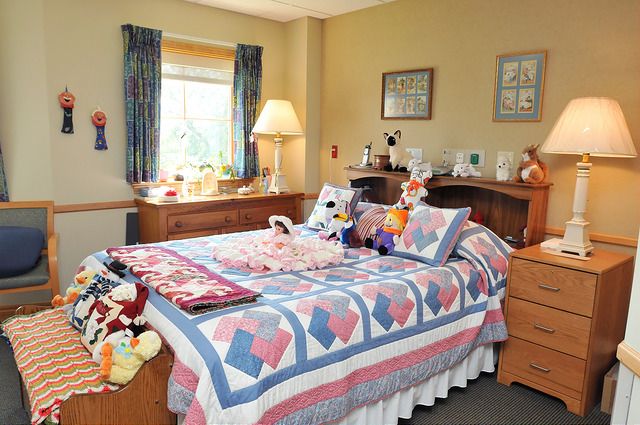
Masonic Care Community in Utica is best suited for families seeking a traditional, medically oriented care setting where skilled nursing, dementia support, and rehabilitation sit at the core of daily life. The campus-style environment, on-site kitchens, and modular units foster consistency in meals, routines, and staffing, which many families value when a loved one needs ongoing supervision. The care teams, especially the doctors and nurses, are frequently described as a strength, and there is a sense of reliability that comes from a facility with established routines. For memory care and rehab journeys, residents often benefit from scheduled activities, transportation for outings, and a familiar, steady routine. Overall, the property projects a trusted, long-standing home rather than a clinical, impersonal setting.

Not every family will find this the right match. Those whose decision hinges on flawless consistency or a robust, year-round social program may want to consider alternatives. Several reviews raise red flags about staffing responsiveness and bedside care on certain shifts, including reports of neglect and calls for better action from leadership. Attitudes during admissions, such as a fingerprinting encounter, reflect a culture that can come across as rushed or unfriendly, while isolated incidents in rehab include complaints about rude behavior and biased remarks. Though many families praise the staff, others cite high prices paired with limited daily activities. For families with a history of trauma or strong insistence on zero tolerance for any lapse, looking at comparable options may be prudent.

On balance, the strongest positives are the professional care teams, the on-site cooking and meals, and the rehab infrastructure. PT/OT services are repeatedly praised, and residents report steady medication administration and attentive nursing. The facility's grounds, security, and parking also support predictable daily life, which matters when a loved one relies on routine. However, main drawbacks surface in staffing consistency and program breadth. A portion of reviews describe inconsistent attentiveness or slower response to calls, and some units appear to offer fewer meaningful activities, which can matter for residents needing engagement. Pricing is cited as roughly in line with peers, but remains a concern for families watching every dollar.

Experience varies by unit and moment, with several families sharing mixed narratives. Some residents' families describe safety, attentive care, and satisfying meals, paired with active transportation to outings and a generally positive atmosphere. Others recount neglect, night-shift gaps, or personal-property concerns, underscoring that the reality on the floor can swing with staffing levels. Positive reports of caring nurses and professional staff contrast with rare but troubling accounts of disrespect or biased remarks in rehab settings. The common thread is that when care is consistent and staff are engaged, residents thrive; when attention lapses, trust erodes quickly. This variability matters for families weighing day-to-day viability and peace of mind.

Families should approach a tour with practical questions and recent data. Request to observe a mealtime and a shift change; ask about staff-to-resident ratios, especially on rehab and memory-care units; probe into how quickly calls are answered and how medications are managed. Inquire about memory-care programming, transportation, and activity calendars, including outings and in-house entertainment. Review the pricing sheet for what is included, and discuss potential add-ons. Finally, speak with multiple frontline staff and current families to gauge consistency in care and responsiveness. A clear sense of who is in charge on each shift and how concerns are escalated will illuminate whether this community aligns with the family's expectations.

In the end, Masonic Care Community delivers a capable, respectable option for families prioritizing medical oversight, reliable meals, and rehab-ready support in a comforting, well-kept setting. It can be an excellent choice for dementia and long-term nursing care when staffing is steady and engagement stays present. Yet the caveats matter: experienced neglect or perceived disrespect, inconsistent attention, and price sensitivity can tip the balance toward alternatives. If the goal is a consistently high-touch environment with transparent accountability and robust daily activities, explore other communities as a comparator. For families comfortable with some variability but aligned with strong medical care and a home-like atmosphere, Masonic Care Community remains a credible, practical option.

Features

Housing

  • 96 resident community capacity 96 resident community capacity

Types of Care

  • Assisted Living Assisted LivingAssisted living facilities provide crucial support and care for seniors who may need help with daily tasks such as medication management, bathing, and meal preparation. These communities offer a safe and comfortable environment where seniors can maintain their independence while receiving the assistance they need to thrive in their golden years.
  • Independent Living Independent LivingIndependent living communities are important for seniors because they offer a safe and supportive environment where older adults can live independently while still having access to amenities and services that enhance their quality of life. These communities provide social opportunities, recreational activities, and assistance with daily tasks, promoting overall well-being and allowing seniors to maintain their independence for as long as possible.
  • Respite Care Respite CareRespite care provides temporary relief for caregivers, allowing them to recharge and attend to their own needs. It also gives seniors the opportunity to socialize, receive professional care, and experience a change of scenery, promoting overall well-being and reducing feelings of isolation.
  • Skilled Nursing Facility Skilled Nursing FacilitySkilled Nursing Facilities are crucial for seniors as they provide round-the-clock medical care, rehabilitation services, and assistance with daily activities. These facilities ensure that seniors receive the specialized care they need to maintain their health and well-being as they age.

Amenities

  • Air-conditioning Air-conditioningAir conditioning is important for seniors as they are more vulnerable to heat-related illnesses and may have underlying health conditions that make it difficult for them to regulate their body temperature. It helps to keep them comfortable, safe, and healthy in hot weather.
  • Beauty salon Beauty salonBeauty salons are important for seniors because they provide a space for them to feel pampered, socialize, and maintain their personal grooming and hygiene. Regular visits to a beauty salon can help boost seniors' self-esteem and overall well-being.
  • Cable or satellite TV Cable or satellite TVCable or satellite TV is important for seniors because it provides entertainment, news, and companionship, helping to combat loneliness and boredom. It also offers a wide range of programming options tailored to different interests and preferences.
  • Computer center Computer centerA computer center is essential for seniors as it provides access to technology, communication tools, and resources that can enhance their daily lives. It allows them to stay connected with loved ones, engage in online activities, and learn new skills, ultimately promoting socialization and mental stimulation.
  • Dining room Dining roomDining rooms are important for seniors as they provide a space for socialization, connection, and nutritious meals. They offer opportunities for residents to bond over shared meals, foster a sense of community, and promote healthy eating habits. Dining rooms also ensure that seniors have access to well-balanced meals tailored to their dietary needs and preferences.
  • Fitness room Fitness roomHaving a fitness room in a senior living community is essential for seniors to stay active, maintain their physical health, and improve their overall well-being. Regular exercise can help prevent falls, reduce the risk of chronic diseases, and promote mental sharpness. It also provides social opportunities for residents to connect with others and enjoy a sense of community.
  • Fully furnished Fully furnishedFully furnished senior living communities are important for seniors because they provide convenience, comfort, and a hassle-free moving experience. Seniors can easily settle into their new living space without the stress of having to buy and move furniture. This allows them to focus on enjoying their new home and community.
  • Gaming room Gaming roomGaming rooms are important for seniors as they provide a fun and engaging environment for socializing, cognitive stimulation, and physical activity. Games can improve memory, problem-solving skills, and overall mental well-being while fostering friendships and reducing feelings of isolation.
  • Garden GardenGardens are important for seniors as they provide a peaceful and therapeutic environment for relaxation, physical activity, and socialization. Being in nature has been shown to reduce stress, improve mood, and promote overall well-being. Gardens also offer opportunities for seniors to engage in gardening activities, which can improve mobility, flexibility, and cognitive function. Additionally, gardens create a sense of community and connection with others who share a passion for plants and outdoor spaces.
  • Housekeeping services Housekeeping servicesHousekeeping services are important for seniors because they help maintain a clean and safe living environment, promote independence, and reduce the risk of accidents or illnesses. Additionally, having assistance with household chores can alleviate physical strain and allow seniors to focus on other aspects of their well-being.
  • Kitchenette KitchenetteKitchenettes are important for seniors living in senior living communities because they provide the convenience and independence of being able to prepare simple meals and snacks in the comfort of their own living space. This can help promote a sense of autonomy and well-being for seniors, allowing them to maintain some level of control over their dietary choices and daily routines.
  • Move-in coordination Move-in coordinationMove-in coordination is important for seniors because it helps ease the transition into their new living environment. It ensures that all logistics, such as packing, organizing movers, and setting up utilities are taken care of, allowing seniors to focus on settling in and adjusting to their new home. Having a smooth move-in process can alleviate stress and anxiety, making the transition smoother and more enjoyable for seniors.
  • Outdoor space Outdoor spaceOutdoor spaces are important for seniors as they provide opportunities for physical activity, social interaction, exposure to natural light and fresh air, and a sense of connection to nature. Having access to outdoor spaces can improve overall well-being and quality of life for older adults living in senior communities.
  • Private bathrooms Private bathroomsPrivate bathrooms are important for seniors in senior living communities because they provide independence, dignity, and comfort. Having a private bathroom allows seniors to maintain their personal hygiene routines without the need for assistance, promoting a sense of autonomy and privacy. Additionally, private bathrooms help prevent the spread of infections and provide a safe and clean environment for seniors to navigate safely.
  • Restaurant-style dining Restaurant-style diningRestaurant-style dining is important for seniors because it allows them to enjoy delicious, nutritious meals in a social and upscale setting. This enhances their dining experience, promotes healthy eating habits, and fosters socialization with fellow residents, ultimately contributing to their overall well-being and quality of life.
  • Small library Small librarySmall libraries are important for seniors as they provide access to a variety of reading materials, including books, newspapers, and magazines. This can help stimulate their minds, keep them engaged, and provide a sense of community through book clubs and other social activities. Additionally, reading has been shown to improve cognitive function and overall mental well-being in older adults.
  • Telephone TelephoneTelephones are important for seniors as they provide a lifeline for communication with loved ones, emergency services, and healthcare providers. They offer a sense of security and independence, enabling seniors to stay connected and access assistance when needed.
  • Wellness center Wellness centerWellness centers are important for seniors because they offer a variety of programs and services that promote physical, mental, and emotional well-being. These centers provide opportunities for exercise, socialization, education, and relaxation, helping seniors maintain their overall health and quality of life.
  • Wi-Fi/high-speed internet available Wi-Fi/high-speed internet availableWi-Fi/high-speed internet is important for seniors to stay connected with loved ones, access online resources, and participate in virtual activities to combat feelings of loneliness and isolation. It also allows them to easily manage healthcare needs, access entertainment, and engage in lifelong learning opportunities.

Transportation

  • Community operated transportation Community operated transportationCommunity operated transportation is crucial for seniors as it provides them with the means to access essential services, social activities, and medical appointments. It allows seniors to maintain their independence and quality of life by ensuring they can participate in activities outside of their homes. Additionally, community-operated transportation services offer a safe and reliable way for seniors to travel without having to rely on family or friends for assistance.
  • Transportation arrangement Transportation arrangementTransportation arrangements are crucial for seniors as they may face challenges with driving, mobility, or access to public transportation. Having reliable transportation services ensures that seniors can easily attend appointments, social activities, and maintain their independence and quality of life.
  • Transportation arrangement (non-medical) Transportation arrangement (non-medical)Transportation arrangements are essential for seniors as they provide access to essential services, activities, and social interactions outside the home. This service helps maintain independence, mobility, and overall well-being for seniors who may have limited transportation options.
  • Transportation to doctors appointments Transportation to doctors appointmentsTransportation to doctors appointments is crucial for seniors as it ensures they have access to necessary medical care and support, promoting their health and well-being. It allows them to receive timely treatment, monitor existing conditions, and address any new health concerns efficiently. Additionally, transportation services can help seniors maintain their independence and quality of life by enabling them to stay connected with their healthcare providers.

Care Services

  • 12-16 hour nursing 12-16 hour nursing12-16 hour nursing care is crucial for seniors in order to ensure around-the-clock monitoring, timely medication administration, and prompt response to any health concerns or emergencies. This level of care helps to promote the overall well-being and safety of seniors living in senior living communities.
  • 24-hour call system 24-hour call system24-hour call systems are important for seniors because they provide peace of mind and immediate assistance in case of emergencies. This technology ensures that help is always available, promoting safety and security for elderly individuals living alone or in assisted living facilities.
  • 24-hour supervision 24-hour supervision24-hour supervision is important for seniors to ensure their safety, well-being, and access to immediate assistance in case of emergencies or health issues. This constant support provides peace of mind for both seniors and their loved ones, allowing them to age in place with dignity and security.
  • Activities of daily living assistance Activities of daily living assistanceActivities of daily living assistance are important for seniors because they provide essential support with tasks such as eating, bathing, dressing, and mobility. This assistance helps seniors maintain their independence, dignity, and overall quality of life as they age.
  • Assistance with bathing Assistance with bathingAssistance with bathing is crucial for seniors as it helps maintain personal hygiene, prevents infections, and ensures their overall well-being and comfort. It also provides a sense of dignity and independence for seniors who may struggle with this task on their own.
  • Assistance with dressing Assistance with dressingAssistance with dressing is important for seniors because it helps maintain their independence, promotes personal hygiene, prevents accidents and injuries, and improves overall quality of life. This service ensures that seniors can continue to dress comfortably and confidently, despite any physical limitations they may have.
  • Assistance with transfers Assistance with transfersAssistance with transfers is crucial for seniors as it helps prevent falls and injuries, maintains their independence, and ensures they can safely navigate their living environment. It also provides peace of mind for both seniors and their loved ones.
  • Diabetes diet Diabetes dietA diabetes diet is crucial for seniors as it helps manage blood sugar levels, reduce risks of complications, and improve overall health and well-being. By following a balanced and nutritious diet tailored to their specific needs, seniors can better control their diabetes and enhance their quality of life.
  • Meal preparation and service Meal preparation and serviceMeal preparation and service are crucial for seniors as they may have limited mobility or energy to cook nutritious meals. Having access to healthy and convenient food options can ensure they are getting the proper nutrition needed to maintain their overall health and well-being.
  • Medication management Medication managementMedication management is crucial for seniors to ensure they are taking the right medications at the correct dosages and times. This helps prevent adverse drug interactions, reduces the risk of medication errors, and promotes overall health and well-being. Proactive management also allows for adjustments as needed based on changing health conditions or new prescriptions.
  • Mental wellness program Mental wellness programMental wellness programs are essential for seniors as they promote cognitive stimulation, emotional support, and social engagement. These programs help prevent isolation, depression, and cognitive decline, ultimately enhancing the overall quality of life for older adults.
  • Special dietary restrictions Special dietary restrictionsSpecial dietary restrictions are important for seniors because age-related changes in metabolism and health conditions can make it difficult for their bodies to process certain foods. By following a diet tailored to their specific needs, seniors can maintain their overall health and well-being, manage chronic conditions, and reduce the risk of complications such as malnutrition or food interactions with medications.

Dining

  • Diabetes diet Diabetes dietA diabetes diet is crucial for seniors as it helps manage blood sugar levels, reduce risks of complications, and improve overall health and well-being. By following a balanced and nutritious diet tailored to their specific needs, seniors can better control their diabetes and enhance their quality of life.
  • Special dietary restrictions Special dietary restrictionsSpecial dietary restrictions are important for seniors because age-related changes in metabolism and health conditions can make it difficult for their bodies to process certain foods. By following a diet tailored to their specific needs, seniors can maintain their overall health and well-being, manage chronic conditions, and reduce the risk of complications such as malnutrition or food interactions with medications.

Activities

  • Community-sponsored activities Community-sponsored activitiesCommunity-sponsored activities are important for seniors as they provide opportunities for social interaction, mental stimulation, and physical activity. These activities can help improve overall well-being, combat loneliness and isolation, and promote a sense of belonging and purpose among older adults.
  • Concierge services Concierge servicesConcierge services are essential for seniors as they provide assistance with daily tasks and errands, enhance their quality of life by offering convenience and personalized care, and promote a sense of safety and security.
  • Fitness programs Fitness programsFitness programs are crucial for seniors as they help improve strength, flexibility, balance, and overall well-being. Staying active can reduce the risk of chronic diseases, improve mental health, and enhance quality of life in older adults.
  • Planned day trips Planned day tripsPlanned day trips are important for seniors because they offer opportunities for socialization, mental stimulation, and physical activity. They provide a change of scenery and help seniors stay engaged and connected to their community, promoting overall well-being and quality of life.
  • Resident-run activities Resident-run activitiesResident-run activities are important for seniors as they encourage social interaction, creativity, and a sense of autonomy. These activities empower seniors to stay engaged and active in their community while fostering meaningful connections with their peers.
  • Scheduled daily activities Scheduled daily activitiesScheduled daily activities are important for seniors because they provide structure, socialization, mental stimulation, and physical activity. Engaging in regular activities can improve overall well-being and quality of life for seniors living in a community setting.

Description

The Masonic Care Community in Utica, NY is a comprehensive assisted living community that offers a range of care services to meet the needs of its residents. With options for independent living, respite care, and a skilled nursing facility, individuals can find the level of support that suits them best.

Residents of this community enjoy a wealth of amenities designed to enhance their quality of life. On-site amenities include a beauty salon, cable or satellite TV, community-operated transportation, a computer center, dining room, fitness room, fully furnished accommodations, a gaming room, garden area, housekeeping services, kitchenette in each unit, outdoor space for relaxation and activities, private bathrooms in every unit and restaurant-style dining. For those who enjoy reading and quiet pursuits there is also a small library available. Additionally residents can stay connected with family and friends with Wi-Fi/high-speed internet access.

For added peace of mind and convenience, the Masonic Care Community offers care services such as 24-hour call system for emergencies; around-the-clock supervision for safety; assistance with activities of daily living like bathing and dressing; help with transfers; specialized diabetes diets; meal preparation and service; medication management; and participation in mental wellness programs. The staff at this community are dedicated to ensuring the physical and emotional well-being of each resident.

Residents will also find an array of engaging activities to enjoy within the community like concierge services to assist with personal needs or requests; fitness programs to promote an active lifestyle; planned day trips to local attractions for fun outings; resident-run activities initiated by fellow residents themselves; scheduled daily activities like games or crafts.

The location is also advantageous as there are several cafes, parks pharmacists physicians' offices restaurants transportation options places worship and hospitals nearby which provides additional convenience and accessibility for both residents their families.

At the Masonic Care Community assisted living community in Utica NY residents receive exceptional care along with ample opportunities for social engagement and personal fulfillment.

Nearby Places of Interest

Hospitals

  • Masonic Care Health Facility (0.1 miles)
  • Mohawk Valley Psychiatric Center (2.6 miles)
  • Utica Psychiatric Center (3.4 miles)
  • Faxton X-ray Department (3.4 miles)
  • FAXTON-St LUKE'S HEALTHCARE - FAXTON CAMPUS (3.4 miles)
  • Mohawk Valley Psychiatric Center (3.5 miles)
  • St Elizabeth Medical Center (3.6 miles)

Restaurants

  • Sheri's Eastside Diner (0.3 miles)
  • Kitlas Restaurant (0.7 miles)
  • Ventura's Restaurant (1.2 miles)
  • O'Scugnizzo Pizzeria (1.7 miles)
  • Burger King (2 miles)
  • Wingstop (2 miles)
  • Babe's Macaroni Grill & Bar (2 miles)

Parks

  • F.T. Proctor Park (0.4 miles)

Places of Worship

  • Soul 2 Soul Temple (0.7 miles)
  • Church of Christ (1.7 miles)
  • Kingdom Ministries Place of Worship/House of Prayer (2 miles)
  • Our Lady Of Lourdes Ch (3.9 miles)
  • St John The Evangelist (4.9 miles)

Physicians

  • St Elizabeth Medical Center (0.8 miles)
  • Oneida County Health Department, Elizabeth Street Clinic (1.9 miles)
  • North Utica Medical Office (2.3 miles)
  • St Elizabeth Medical Center (2.6 miles)
  • Faxton-st. Luke's Healthcare Foundation (3.3 miles)
  • Adirondack Community Physicians: Neuro Sciences Group (3.3 miles)
  • Kenneth Ortega (3.5 miles)

Pharmacies

  • Parkway Drugs (0.9 miles)
  • Walgreens (1.5 miles)
  • Usrearchchemsupplies.Com (2.4 miles)
  • Walgreens (3.4 miles)
  • Express Scripts (3.4 miles)
  • Utica Pharmacy (3.4 miles)
  • Rite Aid (3.5 miles)

Cafes

  • Bagg's Square Cafe (1.8 miles)
  • Utica Coffee Roasting (2.1 miles)
  • Top of the Morning Cafe (2.3 miles)
  • Joseph Putrello Coffee Barista Bar (2.4 miles)
  • Bagel Grove (3.3 miles)
  • Debbie's Cafe (4.6 miles)
  • Daylight Donuts (4.9 miles)

Transportation

  • Amtrak (2 miles)
  • Frankfort-Highland Airport (6B4) (4.6 miles)

Frequently Asked Questions

Where is Masonic Care Community?

Nearby Communities

  • Masonic Home

    Masonic Home

    Utica, NY

     
    $2,000 to $30,000 / month

    pro Broad care options (Independent Living, Assisted Living, Memory Care, Skilled Nursing) with private accommodations and generally lower costs than county/state averages.

  • Matt Frank X Apts

    Matt Frank X Apts

    Utica, NY


    pro Strong access to healthcare, dining, and transit nearby.

  • Steinhorst Square

    Steinhorst Square

    Utica, NY


    pro Central Utica location with abundant nearby healthcare, dining, and amenities.

  • Willow Park ALF

    Willow Park ALF

    Utica, NY


    pro Strong memory-care focus with 24/7 supervision, daily living support, medication management, and engaging amenities (restaurant-style dining, wellness programs, activities).

  • Willow Park Home for Adults

    Willow Park Home for Adults

    Utica, NY

    3.2 from 12 reviews
    $2,300 to $4,600 / month

    pro Caring staff, happy residents, home-like atmosphere.

  • Marion-Ruggiero Apartments

    Marion-Ruggiero Apartments

    Utica, NY


    pro Excellent access to healthcare, dining, and social amenities.

  • Schuyler Commons

    Schuyler Commons

    Utica, NY

    4.9 from 43 reviews
    $1,630 to $1,840 / month

    pro Friendly, responsive staff with a robust calendar of activities.

  • Charles T Sitrin Health Care Center

    Charles T Sitrin Health Care Center

    New Hartford, NY

    3.7 from 83 reviews
     

    pro Effective rehab therapies and caring nursing staff.

  • Pounder Hall

    Pounder Hall

    Oriskany, NY


    pro Two care options (board-and-care or independent living) with comprehensive daily living support.

Assisted Living in Nearby Cities

Related Resources

  • assisted living for seniors on social securitySocial Security Benefits and Assisted Living: Navigating Options Across the U.S.

    Assisted living costs often exceed Social Security benefits, necessitating a combination of funding sources like state aid and Medicaid. Understanding the interaction between Social Security programs and available financial support is essential for affording such care.

  • aid and attendance vaAn Extensive Exploration of the VA Aid and Attendance Benefit

    The VA Aid and Attendance benefit provides financial support to veterans needing assistance with daily living due to medical conditions or disabilities, augmenting standard VA pensions for services like in-home care. Eligibility is based on service duration, wartime status, income, and medical needs, with a detailed application process required to access funds for caregiving and home modifications.

  • senior move managementSenior Transition Services: Understanding Their Role, Cost, and Importance
    Senior move management services assist older adults in the relocation process by providing emotional support and organizational help, addressing unique challenges like downsizing and moving from long-term homes. These specialists collaborate with real estate agents and manage logistics, making the transition smoother for seniors and their families.