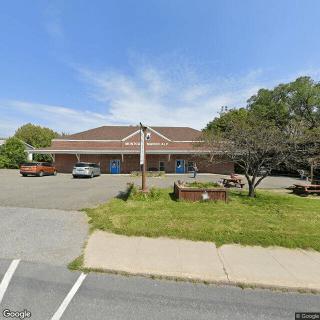
1019 Wicker Street, Ticonderoga, NY 12883
For more information about senior living options: (866) 208-4318
Overall Review of Inter-Lakes Health
Pros
 The tour was organized very easily.
- The facility is clean and smaller, which is appealing for someone who dislikes crowds.
- The staff are friendly, kind, and welcoming.
- The team provided information and reassurance during the mother’s assessment.
- The private unit includes a private bath and shower, with a comfortable bed and space for personal furniture.
- Medication is monitored and administered on site.
- The dining room is pleasant, with a quiet atmosphere and accommodations for dietary needs.
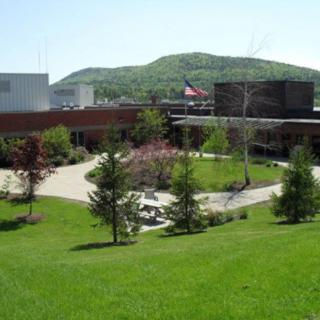
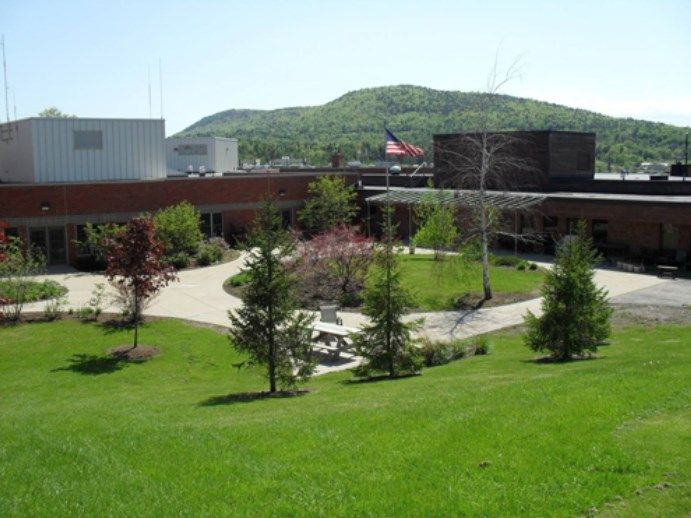
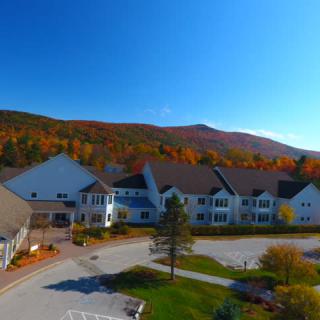
- The setting is bright with lots of windows and views of the Green Mountains.
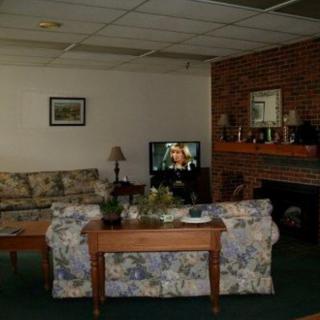
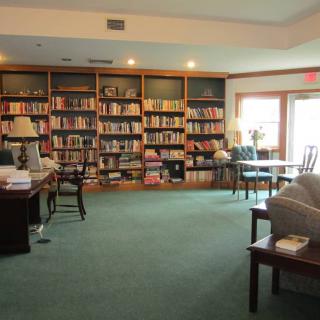
- The gathering room supports activities like movies, puzzles, and reading, and the outdoor courtyard is shaded and inviting.
- The on-site amenities include a chef who cooks outdoors seasonally and raised garden beds for gardening.
- The pharmacy is downstairs, and transportation is available for local appointments; rehabilitation is in the same building for easy transitions.
- The staff are interactive, knowledgeable, and attentive, making residents feel like family.
- The Interlake’s PT Department provides high-quality, attentive care and is highly recommended.
Review
Inter-Lakes Health in Ticonderoga is best suited for seniors who want a quiet, intimate setting where staff can deliver highly personalized care, with convenient in-building support services and a palpable sense of community. The reviews describe a small campus that feels calm rather than crowded, which is ideal for a resident who dislikes noise and bustle yet still needs attentive, hands-on supervision. The setting is bright, with ample windows and pleasant views, and the staff come across as friendly, patient, and reassuring, qualities crucial when a move from a long-time home is on the horizon.
Alternatives are worth considering for families who crave a more bustling social environment, a broader activity calendar, or a larger campus with more program diversity. If a resident values constant interaction, frequent group outings, or highly specialized care programs (beyond what a small community can realistically sustain), a bigger assisted living campus or a memory-care focused facility in a larger town may be a better fit. Also, those seeking extensive off-site transportation options or more expansive dining venues could find fewer choices here due to the small scale.
On the positive side, the small size translates into plenty of one-on-one attention and a seamless sense of belonging. Residents can expect a private suite with a private bath, the ability to bring familiar furniture, and meals prepared to individual dietary needs. The on-site supports are particularly compelling: a pharmacy downstairs reduces medication hassle, and rehabilitation services sit just within the same building, creating a smoother post-hospital recovery path. Dining is described as pleasant, with staff who are accessible and willing to accommodate preferences. The overall environment is clean, friendly, and unhurried, which matters when health concerns are ongoing.
Facility amenities further offset the potential downsides of small resident numbers. There are social spaces, a gathering room for watching movies, puzzles, or chats, and outdoor courtyards with shade and seating, plus raised garden beds for gardening. The combination of staff warmth and direct access to therapy services fosters a family-like atmosphere that can be decisive for someone who fears transition or isolation. A PT patient described high-quality, attentive care that felt personal, reinforcing the sense that residents are known and valued rather than processed.
Practical care coordination is another strength. The care model supports easy medication management and daily support, while the ability to arrange transportation for local appointments adds practical independence. The "cook-to-order" approach and attention to individual dietary needs suggest food quality that matters to overall well-being. Because some functions are housed within the same building, transitions, whether from hospital to rehabilitation or from home to daily living, are less disruptive, a key consideration for families weighing safety and continuity of care.
In sum, Inter-Lakes Health is a compelling choice for families prioritizing an intimate, well-supported environment, where staff attentiveness, personalized care, and seamless access to rehab and pharmacy converge in a low-stimulus setting. It shines for residents who appreciate quiet spaces, meaningful routines, and a homey feel, with real potential to offset some limitations inherent in a smaller campus. Those who need a bustling calendar, varied on-site activities, or expansive campus amenities should actively compare alternatives and test drive options. Prospective families should schedule a visit to see the vibe, confirm current resident mix and staffing ratios, and verify the specifics of rehab pathways and dietary accommodations before deciding.
 23 resident community capacity
 Studio apartments
 Assisted Living
 Memory Care
 Skilled Nursing Facility
 Beauty salon
 Cable or satellite TV
 Dining room
 Fully furnished
 Garden
 Housekeeping services
 Kitchenette
 Laundry
 Move-in coordination
 Outdoor space
 Restaurant-style dining
 Small library
 Telephone
 Wi-Fi/high-speed internet available
 Transportation & parking
 24-hour call system
 Activities of daily living assistance
 Assistance with bathing
 Assistance with dressing
 Assistance with transfers
 Diabetes diet
 Medication management
 Mental wellness program
 Physical therapy
 Special dietary restrictions
 English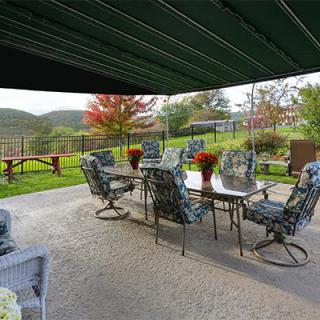

 A Thorough Discussion of Medications Potentially Linked to Dementia Risk
 Why Do Dementia Patients Sleep So Much? Understanding Oversleeping, Stages, and Care Approaches
 8 Key Indicators That Suggest It May Be Time to Transition from Assisted Living to Skilled Nursing Care