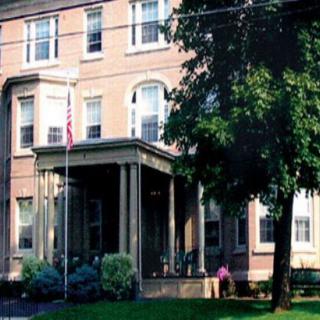
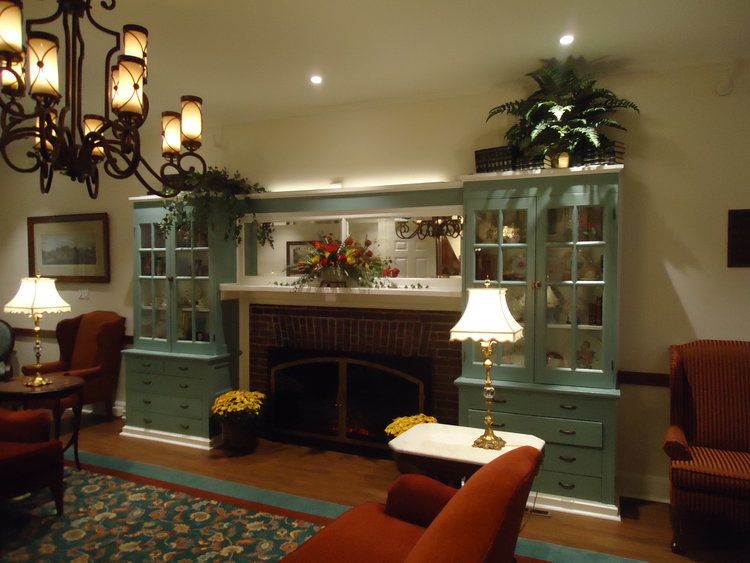
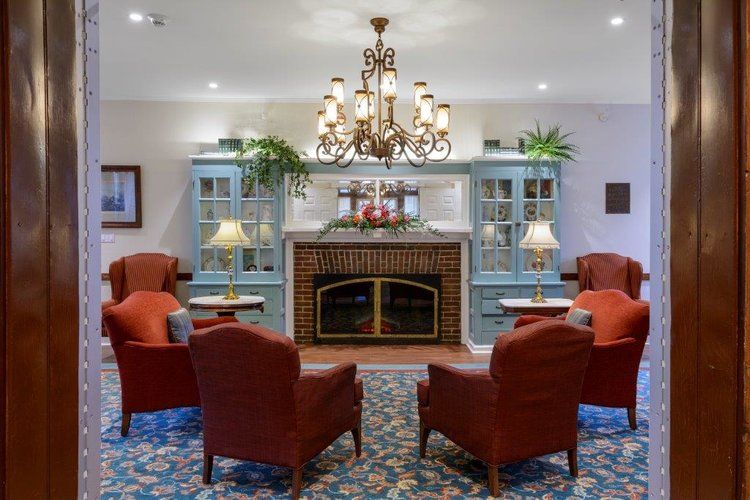
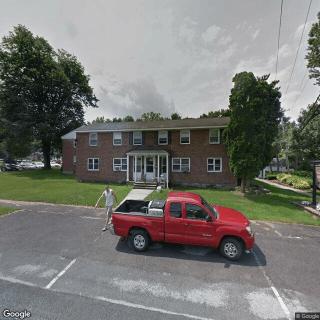
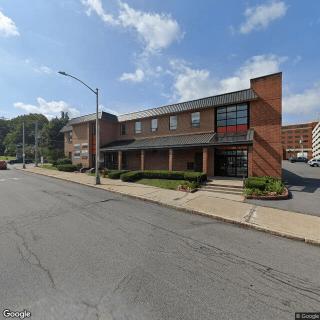
1519 Union Street, Schenectady, NY 12309
For more information about senior living options: (866) 208-4318
Heritage Home For Women Costs & Pricing
Heritage Home For Women offers a range of housing options at significantly lower costs compared to both Schenectady County and the broader New York State market. For studio apartments, residents can expect to pay between $1,635 and $2,000, which is notably more affordable than the county's average of $3,980 and the state's average of $4,532. In terms of one-bedroom units, the costs at Heritage range from $2,110 to $2,600, still well below Schenectady's average of $3,609 and New York's average of $4,307. Lastly, for two-bedroom accommodations priced at $3,095, Heritage remains competitively priced against Schenectady County's rate of $4,563 and New York's rate of $4,786. These figures highlight Heritage Home For Women as a valuable option for individuals seeking quality housing without the financial strain typically associated with similar accommodations in the region.
| Floor plans | Heritage Home For Women | Schenectady County | New York |
|---|---|---|---|
| Studio | $1,635 to $2,000 | $3,980 | $4,532 |
| 1 Bedroom | $2,110 to $2,600 | $3,609 | $4,307 |
| 2 Bedrooms | $3,095 | $4,563 | $4,786 |
Assisted Living communities with a similar price nearby
-
from +$240 / mo
Summit at Eastwyck
$1,875 to $2,090 / month15.6 miles away -
from +$65 / mo
Summit at Glenwyck
$1,700 to $2,215 / month2.9 miles away
Overall Review of Heritage Home For Women
Pros
 They are pretty happy with Heritage Home for Women.
- The staff were very helpful and welcoming.
- Doctors also came to check on the residents.
- The residents had different activities every day.
- The cost of the facility is cheaper than others in the area.
Cons
 The practice of aides handing out medication is concerning and confusing.
Review
Heritage Home for Women in Schenectady is best suited for families seeking an affordable, warm, activity-driven setting for elderly women who don’t require intensive medical intervention. The community earns strong marks for approachable staff, frequent communication, and a calendar that keeps residents engaged with daily activities. This is a practical pick for households prioritizing cost stability and a home-like atmosphere, where residents can receive regular physician attention and personal attention from caregivers in a smaller, neighborly environment. It is not pitched as a high-acuity or memory-care facility, but rather as a reachable option for ongoing support with a focus on social connection and daily routine.
For families weighing options, it is worth noting who may want alternatives. If the decisive factor is needing nurse-managed medications on site or the reassurance of highly structured clinical oversight at all hours, this community may feel lean. The arrangement where aides administer medications can be a concern for those who want guaranteed 24/7 nursing supervision or more robust on-site medical protocols. Prospective residents with complex or evolving medical needs should compare med-pass policies, nurse availability, and escalation procedures with other facilities that emphasize licensed medication management and higher levels of clinical staffing.
The strongest, offsetting positives center on cost, staffing tone, and ongoing medical engagement. The facility’s price position relative to competitors in the area is a meaningful leverage point for families watching budgets. Beyond price, staff are described as helpful and welcoming, with clear communication about resident needs and timely alerts when something requires attention. The presence of doctors visiting residents provides essential clinical oversight that helps mitigate concerns about medical care, even if med administration rests with aides. Daily activity options contribute to social vitality, reduce isolation, and support overall well-being, factors that often determine quality of life as much as clinical care.
That said, the medication administration practice deserves careful consideration. Families should insist on a transparent, written policy detailing who administers meds, how often nurses review the medication passes, and what happens when issues arise. Ask for a current medication administration record (MAR) process, the frequency of nursing rounds, and whether a licensed nurse is on site during peak hours. If the goal is to avoid any ambiguity, request a demonstration of the med pass routine and a copy of the facility’s escalation plan for adverse reactions or med errors. These steps help convert a once-concerning point into a clearly managed risk.
Visiting the community with a checklist focused on daily life makes the value clearer. Observe the real cadence of activities, note the opportunities for social engagement, and verify how meals, housekeeping, and transportation are coordinated. Compare this to other area options in terms of total monthly cost, what’s included, and how differences in staffing levels translate to resident experience. If a family values regular physician contact, social programming, and a welcoming atmosphere at a lower price point, Heritage Home for Women becomes a compelling match, provided med administration policies are clarified and aligned with family expectations.
Overall, Heritage Home for Women delivers solid value for the right fit: a budget-conscious, companionable environment with attentive staff, visible medical oversight, and purposeful daily programming. The caveat is the on-site med administration by aides; that remains the decisive factor for families contemplating more robust nursing presence. When med management expectations are explicitly clarified and integrated into a formal policy, this community stands out as a practical, dependable option. For those who require higher clinical intensity or specialized care pathways, exploring alternatives is advisable, but for many families, the combination of affordability, staff warmth, medical touchpoints, and engaging activities makes Heritage Home for Women a prudent, decision-ready choice.
 36 resident community capacity
 Assisted Living
 Activities off-site
 Bath tubs
 Beautician on-site
 Cable or satellite TV
 Devotional services off-site
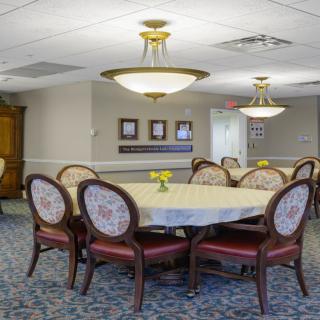
 Dining room
 Fully furnished
 Garden
 Ground floor units
 Housekeeping services
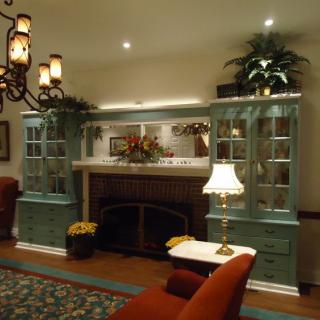
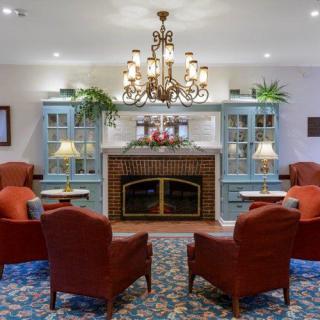
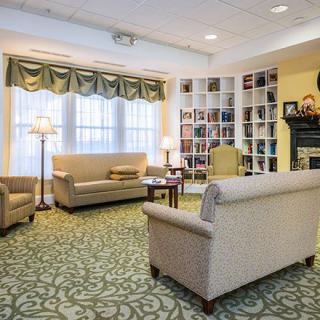
 Indoor common areas
 Move-in coordination
 Outdoor common areas
 Respite or short term stays offered
 Restaurant-style dining
 Small library
 Telephone
 Wi-Fi/high-speed internet available
 Albany Cty (7 miles away)
 24-hour call system
 Ambulatory care
 Assistance with bathing
 Assistance with dressing
 Assistance with transfers
 Diabetes diet
 Incontinence care
 Medication management
 Special dietary restrictions
 Transportation arrangement (medical)
 Art classes
 Catholic services
 Day trips and outings
 Educational speakers / life long learning
 Happy hour
 Live dance or theater performances
 Live musical performances

 Understanding the Distinctions: Assisted Living and Memory Care Explained
 Guiding Elderly Parents Who Refuse Assisted Living: 6 Practical Steps
 Your Comprehensive Guide to Luxury Assisted Living: Elevated Facilities, Amenities, and Costs