
100 Ringold Street, Peekskill, NY 10566
To contact a resident: (914) 739-6440
For more information about senior living options: (866) 208-4318
River Pointe Costs & Pricing
River Pointe offers competitive pricing for its residential units, especially when contrasted with the broader market in Westchester County and New York State. For a one-bedroom apartment at River Pointe, the monthly cost is an attractive $860, significantly lower than the average of $5,559 in Westchester and $4,307 statewide. When looking at two-bedroom options, River Pointe's rate of $975 remains favorable compared to Westchester's typical charge of $6,750 and New York's average of $4,786. This pricing structure highlights River Pointe as an appealing choice for those seeking quality living without the prohibitive costs often associated with the county and state averages.
| Floor plans | River Pointe | Westchester County | New York |
|---|---|---|---|
| 1 Bedroom | $860 | $5,559 | $4,307 |
| 2 Bedrooms | $975 | $6,750 | $4,786 |
Senior living communities with a similar price nearby
-
About the same

Airmont Gardens
$856 to $1,025 / month15.5 miles away -
About the same
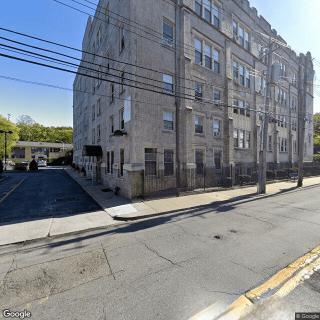
Trinity Senior Apartments
$855 to $915 / month24.2 miles away -
from +$140 / mo

The Pines at Narragansett
$1,000 to $2,000 / month8.9 miles away
Overall Review of River Pointe
Pros
 The reviewer appreciated River Point's very quick response.
- The reviewer appreciated the tour provided by the Director at River Point.
- River Point is the reviewer's chosen option.
- The reviewer regards River Point as their top choice.
Cons
 The reviewer views the area median income as a problem.
- The reviewer dislikes that the application asks for gross income, which is higher.
Review
River Pointe in Peekskill, NY is best suited for seniors who want a lean, efficiently run community where leadership is accessible and decisions move quickly. The admissions arc appears brisk and straightforward: a director-led tour, immediate engagement, and a ready willingness to advance an application. This profile fits older adults who prize direct accountability, minimal gatekeeping, and a clear path into care without unnecessary detours. It’s a setting where the management ethos is visible, and the process feels controlled rather than overwhelmed by bureaucracy.
Those who may want to consider alternatives include families seeking a broader amenities slate, deeper staff depth, or pricing that feels less contingent on income verification. The application’s reference to gross income and area median income introduces a potentially opaque eligibility layer that could complicate planning for households with tighter budgets or variable finances. For seniors who need predictability in pricing or who prefer more transparent, flat-rate terms, other communities with simpler financial models may offer a more reassuring early-stage experience.
The strongest advantages are tangible and practical. A fast, responsive admissions process reduces the stress that accompanies a move, allowing families to lock in timelines and secure space with confidence. Direct involvement from the Director during the tour signals a governance style that stays close to daily operations, offering reassurance that residents will be under attentive, visible leadership. Those elements translate into less guesswork during a critical transition and create a sense that questions will be handled promptly rather than buried in layers of staff.
On the downside, the financial hurdle linked to income verification stands out as the principal concern. The application’s demand for gross income and the talk of area median income raise legitimate questions about eligibility and ongoing affordability. Without broader, clearer data, it’s difficult to judge how costs will evolve with care needs or what financial supports might exist. The limited number of published reviews also leaves a gap in understanding long-term resident satisfaction, program variety, and staffing breadth, which means more diligence is required before committing.
Even so, the positives can meaningfully offset the concerns for the right candidate. The speed of response and a director-accessible path to decision-making provide a practical safety net for families navigating a tight move timetable or competing options. Prospective residents should approach with a plan: request a precise, written explanation of income qualifications, ask for a full pricing breakdown, and seek clarity on how terms could adapt to changing needs. If those conversations yield transparent terms and workable paths to affordability, River Pointe remains a viable, compelling option.
In the end, River Pointe should be on the shortlist for families prioritizing efficiency and direct leadership contact. It is a strong fit for seniors who can navigate income-related criteria and who value a manageable, intimate community feel over an expansive campus. For those prioritizing minimal financial friction, broader amenity sets, or more predictable pricing, it makes sense to compare alternatives with a sharper eye on terms and long-term affordability. A focused site visit paired with a candid pre-qualification discussion will reveal whether this community can align with the resident’s timeline, budget, and care expectations, but River Pointe earns serious consideration for its practical strengths and governance approach.
 Active Adult Communities (55+)
 Stewart (18 miles away)




 In-Home Care Costs in 2025: A Detailed State-by-State Exploration
 Understanding Home Health Care: A Comprehensive Guide
 Home Health Care Demystified: A Comprehensive Guide for Families and Caregivers