

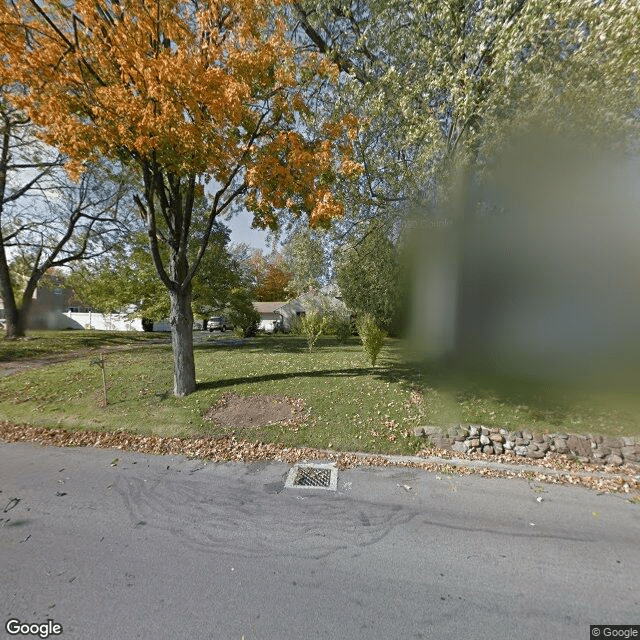
153 Stafford St, Palmyra, NY 14522
To contact a resident: (315) 597-6803
For more information about senior living options: (866) 208-4318
Allison's Family Type Home for Adults Costs & Pricing
Allison's Family Type Home for Adults offers competitive pricing for its private room accommodations at $2,000 per month. This rate stands in stark contrast to the average costs observed in Wayne County, where similar facilities charge approximately $4,450 monthly, and even more so when compared to the broader New York state average of around $5,159. By providing a cost-effective solution without compromising on quality care, Allison's Family Type Home positions itself as an attractive option for families seeking supportive living arrangements for their loved ones.
| Floor plans | Allison's Family Type Home for Adults | Wayne County | New York |
|---|---|---|---|
| Private | $2,000 | $4,450 | $5,159 |
Senior living communities with a similar price nearby
-
About the same

Legacy at Willow Pond
$1,995 to $2,725 / month11.6 miles away -
from +$350 / mo

Forest Park
$2,350 to $2,900 / month9.6 miles away -
from -$205 / mo

Legacy at Park Crescent
$1,795 to $3,095 / month23.5 miles away -
from +$295 / mo

Legacy at Erie Station
$2,295 to $2,795 / month19.3 miles away -
from -$121 / mo
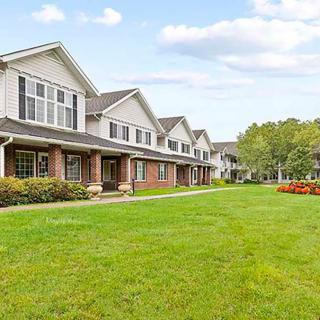
Holiday Fleming Point
$1,879 to $3,229 / month23.7 miles away
Overall Review of Allison's Family Type Home for Adults
Pros
 The home offers a warm, homey atmosphere.
- The caregiver has a wonderful personality and treats residents lovingly.
- The homecooked meals look amazing and the place is highly recommended as a nice, clean, loving environment for a family member.
- The home is nice and quiet, making it ideal for direct care.
- Allison's Adult Care provides the home setting families are seeking, with a great personality that helps residents feel at home.
Cons
 The living area was absolutely disgusting.
- The owner smokes inside the house and has dogs that pee inside.
- There was a strong smell of urine inside the home.
- The dining area was an office with a table and folding chairs.
- The couch was held together with duct tape.
- The TV room was tiny.
Review
Allison's Family Type Home for Adults in Palmyra is best suited for families seeking a true home-like environment where a single caregiver-owner delivers attentive, personalized care. Residents in this setup tend to prefer unhurried routines, direct access to the person coordinating daily life, and meals cooked in-house rather than the cafeteria-style fare of larger facilities. The small, cozy setting appeals to those who value being treated as a member of a family rather than a patient, with the daily rhythm shaped by familiar faces and a quiet, domestic ambience. This is the kind of place where the caregiver’s warmth and the sense of belonging matter as much as the care tasks themselves, making it a compelling option for seniors who flourish under intimate, individualized attention.
However, this option may not be right for everyone. Families seeking robust medical oversight, licensed nursing staff around the clock, or memory-care programming should look elsewhere. Those who require a truly odor-free, pristine care environment may be disappointed here, given reports of indoor smoking, dogs living inside, and odor issues that undermine comfort and perceived safety. If cleanliness and professional, facility-grade standards are non-negotiable, alternatives with formal staffing, regulated housekeeping, and clearly defined policies are worth pursuing. For residents with complex clinical needs, the gap between home-style care and medical exigency can widen quickly.
On the upside, the strongest advantages lie in the human connection: a warm owner who makes residents feel at home, and a setting that encourages familiar routines and direct, attentive care. The home-cooked meals are repeatedly cited as a bright spot, contributing to daily satisfaction and reciprocity in caregiving. The quiet, residential character can support those who value dignity, privacy, and a low-stimulus environment. Yet these positives rarely fully compensate for the cons. Odors, inconsistent cleanliness, and the unsettling image of pets and smoking in living spaces elevate risk and discomfort for residents who are vulnerable to respiratory issues or infections, and they can undermine confidence in daily safety.
Prospective families should convert impressions into concrete checks during a visit. Look beyond warmth and ask to tour the kitchen, dining area, and common spaces at different times of day to gauge cleanliness and maintenance. Inquire about smoke policy, pet policy, and how odors are managed; request the latest inspection reports and licensing information; and observe how staff engage with residents, especially during care tasks. Speak with current and former residents or families about how concerns are addressed and how quickly issues are resolved, and verify staffing levels and backup coverage. The goal is a transparent sense of operation, not just charm.
Compared with more traditional assisted-living options, Allison's offers an intimate, family-style experience with the potential for highly customized daily life. This can be a meaningful fit for seniors who fear clinical isolation and want a sense of home continuity. The trade-off is that the setting can feel provisional, with space constraints, older furnishings, and maintenance concerns that become apparent. Those who prioritize a clean, orderly environment, reliable 24/7 supervision, and predictable safety routines should be prepared to move toward a larger, professionally run community where standards and regular oversight are more clearly defined.
Bottom line: Allison's Family Type Home for Adults rewards those who value warmth, personal attention, and a home atmosphere, provided cleanliness and odor issues are addressed to acceptable standards. For families where basic cleanliness, predictable environments, and formal oversight are non-negotiable, alternatives are strongly recommended. The decisive step is a thorough visit, observe the environment during meals, watch how requests or alerts are handled, verify licensing, and request references, that will reveal whether the intangible comfort of a home setting can coexist with the essential guarantees of safety and hygiene.
 Board and Care Home
 Activities off-site
 Bath tubs
 Cable or satellite TV
 Devotional services off-site
 Indoor common areas
 Kitchenette
 Outdoor common areas
 Private
 Swimming pool / hot tub
 Wi-Fi/high-speed internet available
 Greater Rochester International (22 miles away)
 Ambulatory care
 High acuity care
 Incontinence care
 Medication management
 Low / no sodium
 BBQs or picnics
 Birthday parties
 Resident band or musicians
 Wii bowling



 Understanding the Full Cost of 24/7 In-Home Care: A Detailed Overview
 Exploring the World of Home Health Nurses: Qualifications, Roles, and Hiring Tips
 Navigating Medicare Coverage for In-Home Care Services