305 West End Assisted Living in New York, NY
SaveInterior

Decor

Living Room
Dining

Lighting

Artwork

Chandelier

Seating
Salon

Information last verified:
305 West End Ave, New York, NY 10023
For more information about senior living options: (844) 490-3973
 The environment is wonderful and professional, with kind-hearted employees; the staff are well educated and respond promptly to questions. The food is loved, and the programs are fantastic and engaging, with cultural events like lectures and author visits. Jonathan, the Executive Director, is great; he stays involved and shares photos of residents in programs. The wellness team, including Elvira, Karina, and Fara, is responsive and proactive, inspiring confidence in ongoing care. The move-in process is seamless, and the community takes pride, leaving families grateful and ready to highly recommend. The community is beautiful, clean, and well-run; the staff are kind and attentive, and the food is excellent. The team makes transitions smooth, supportive, and reassuring. Andre and Jonathan are patient, compassionate, and incredibly responsive; they ensure residents and families feel comfortable and respected. The facility feels luxurious with beautiful amenities; the staff are warm, welcoming, and polite. The nursing and memory care teams are caring, professional, and go above and beyond to keep residents safe and well cared for. The renovations are stunning—bright, open, and well-appointed—with excellent programming and care. The staff and management are dedicated, caring, and truly treat residents with kindness and respect; families feel confident entrusting their loved ones. The creative arts therapists are gifted, and the programming is varied and engaging. The community is described as wonderful and trustworthy for caring for families, with staff who are attentive and genuinely caring.
 They say the food is completely unacceptable for the money they’re paying. They claim the staff are inconsistent and more interested in socializing with each other than caring for residents. They report unprofessional workers who are drunk on the job and have given wrong medications. They are horrified by neglect and deceit, including not returning their security deposit and improper charges for carpet replacement. They say renovations forced residents to relocate, showing disregard for current residents.
305 West End Assisted Living on the Upper West Side is best suited for families seeking a luxury, highly engaged assisted-living environment with strong memory-support options and a palpable culture of care. It works well for residents who want close proximity to Riverside Park and Manhattan amenities, with a hotel-like atmosphere that still centers on genuine warmth and daily purpose. This community is a strong fit for couples or individuals who value robust programming, lectures, cultural events, current-affairs groups, live performances, and a staff lineup that feels consistently accessible. Those who should consider alternatives are families with tighter budgets, or those who require continuous, on-site 24/7 skilled nursing or physician-level care, and families who insist on zero risk of care gaps or price volatility may want to compare options more thoroughly.
On balance, the strongest advocates describe 305 West End as a place where warmth, responsiveness, and attentiveness are the rule. The leadership team, especially the Executive Director and the admissions process led by Andre, stays deeply involved with families, providing timely updates and personal reassurance. The wellness team, Elvira, Karina, Fara, consistently demonstrates proactive communication and ahead-of-need care. The dining experience earns frequent praise, with Chef Andres reportedly taking pride in the meals, and the programming slate delivers breadth: a full schedule of activities, ambitious cultural programming, in-house theater, and weekend family-friendly touchpoints. The renovation has yielded bright, modern interiors and spacious, light-filled apartments. The location adds a meaningful advantage, offering urban convenience alongside parkland calm, with multiple spaces for socializing and private dining when needed.
Yet the positive picture exists alongside reasonable cautions. The premium price tag is a common refrain, reflecting the luxury positioning in Manhattan, and several families flag concerns about value and financial surprises in some cases. A portion of reviews recount experiences of inconsistent care, miscommunications, or gaps in follow-through, plus reports of billing friction or decorrelated expectations between families and management. A few accounts describe problematic incidents or staffing lapses, including concerns about medication handling or supervision. These threads signal that while the core intent is superb, the execution can fracture without rigorous, ongoing oversight. Prospective residents should anticipate a range of experiences and insist on clear, measurable care protocols and transparent financial terms.
Care quality and programming remain a central strength, particularly for residents needing memory support. The two dedicated memory-care floors are repeatedly cited as where specialized staffing and purposeful activity lift daily life, with nurses who communicate well and medication routines that run without surprise. The nursing team is described as capable, compassionate, and consistently present, and the broader care team is lauded for its attentiveness to changing needs. Creative arts therapists and diverse activities, from painting to current-events discussions and guided walks, offer meaningful stimulation that many families view as a differentiator. The downside notes revolve around consistency in routines and therapy access, underscoring the necessity of ongoing coordination between clinical and activity staff to sustain the highest standard of care that the best reviews promise.
Environment and facilities reinforce the decision to consider 305 West End for the right resident. The renovation has produced a bright, fresh setting with hotel-quality public areas, multiple dining venues, and a coffee-and-bistro vibe that makes socializing feel natural rather than transactional. The in-house theater, game rooms, hair and nail salon, and concierge-style services contribute to a sense of vitality and independence within a secure framework. The river-view apartments and the building’s design support mobility and safety, which matters for residents transitioning from independent living to assisted care. For those weighing the cost, the premium is weighed against a high degree of convenience, a strong sense of community, and access to city culture. Still, the premium price and occasional disruption during renovations mean families should confirm how moves, room changes, or future upgrades will be managed to minimize resident discomfort.
Decision-making in this context hinges on alignment between needs, budget, and tolerance for risk. 305 West End is most compelling for families seeking a robust, staff-driven memory-care environment and a curated activity calendar that turns daily life into a rich, social experience. Prospective families should schedule multiple visits, seek candid conversations with the leadership and clinical staff, and request unvarnished feedback from current residents and families. Confirm whether on-site physicians are available, how care plans are adjusted as needs evolve, and what governance processes exist to prevent the kinds of inconsistencies reported by some families. Read contracts carefully, clarify deposit terms, and verify how room transfers and any future renovations are handled to protect against surprises. In short, the community delivers on warmth, culture, and luxury, but only for families prepared to commit to a premium price and vigilant, proactive oversight.
Bottom line: 305 West End Assisted Living stands as a high-water mark for urban, luxury-style assisted living with meaningful memory-care strength, a deeply caring staff, and a diverse, enriching program that can transform daily life for a resident who thrives on engagement. It is an excellent choice for families who can invest in a premium experience and who prize a vibrant campus, strong clinical communication, and refined living spaces. Those seeking affordability, a strictly uniform 24/7 medical on-site model, or a tighter risk profile should explore alternatives that emphasize cost controls and more centralized medical coverage. For most families, the prudent path is a structured tour with pointed questions about care consistency, governance, and finances, then a decision that weighs the richness of the environment and the proven warmth of the team against the realities of cost and potential care variability.
 22 resident community capacity
 1-bedroom apartments1-bedroom apartments are important for seniors because they provide a sense of independence, privacy, and autonomy while still offering the necessary space for comfortable living. These apartments allow seniors to maintain their own personal space and lifestyle preferences in a supportive community setting. Studio apartmentsStudio apartments are important for seniors because they offer a smaller, more manageable living space that is easier to navigate and maintain as physical abilities decline. Additionally, studio apartments provide seniors with independence and privacy while still being part of a community that offers support and social opportunities.
 Assisted LivingAssisted living facilities provide crucial support and care for seniors who may need help with daily tasks such as medication management, bathing, and meal preparation. These communities offer a safe and comfortable environment where seniors can maintain their independence while receiving the assistance they need to thrive in their golden years.
 Independent LivingIndependent living communities are important for seniors because they offer a safe and supportive environment where older adults can live independently while still having access to amenities and services that enhance their quality of life. These communities provide social opportunities, recreational activities, and assistance with daily tasks, promoting overall well-being and allowing seniors to maintain their independence for as long as possible.
 Memory CareMemory care is crucial for seniors as it provides specialized support and services for individuals with dementia or Alzheimer's disease. These programs offer a safe and secure environment where residents receive personalized care, cognitive stimulation, and help with daily activities. Memory care helps seniors maintain their independence, quality of life, and dignity while also providing peace of mind for their families.
 Activities on-siteActivities on-site are important for seniors because they provide opportunities for socialization, mental stimulation, physical activity, and overall well-being. Engaging in activities can help seniors stay active, maintain their independence, and improve their quality of life.
 Beauty salonBeauty salons are important for seniors because they provide a space for them to feel pampered, socialize, and maintain their personal grooming and hygiene. Regular visits to a beauty salon can help boost seniors' self-esteem and overall well-being.
 Cable or satellite TVCable or satellite TV is important for seniors because it provides entertainment, news, and companionship, helping to combat loneliness and boredom. It also offers a wide range of programming options tailored to different interests and preferences.
 Devotional services off-siteDevotional services off-site are important for seniors as they provide spiritual nourishment, social engagement, and a sense of community outside of the senior living facility. This can enhance overall well-being and help combat feelings of isolation and loneliness often experienced by older adults.
 Dining roomDining rooms are important for seniors as they provide a space for socialization, connection, and nutritious meals. They offer opportunities for residents to bond over shared meals, foster a sense of community, and promote healthy eating habits. Dining rooms also ensure that seniors have access to well-balanced meals tailored to their dietary needs and preferences.
 Financial aidFinancial aid is crucial for seniors as it can help them cover the costs of essential living expenses such as housing, food, and healthcare. Many seniors have limited incomes and savings, so financial assistance programs can provide them with the necessary support to maintain a decent quality of life in their retirement years. Financing adviceFinancing advice is crucial for seniors as they navigate the complexities of retirement planning, including managing fixed incomes, healthcare costs, and potential long-term care needs. Proper financial guidance can help ensure seniors maintain financial stability and security in their golden years.
 Fully furnishedFully furnished senior living communities are important for seniors because they provide convenience, comfort, and a hassle-free moving experience. Seniors can easily settle into their new living space without the stress of having to buy and move furniture. This allows them to focus on enjoying their new home and community.
 GardenGardens are important for seniors as they provide a peaceful and therapeutic environment for relaxation, physical activity, and socialization. Being in nature has been shown to reduce stress, improve mood, and promote overall well-being. Gardens also offer opportunities for seniors to engage in gardening activities, which can improve mobility, flexibility, and cognitive function. Additionally, gardens create a sense of community and connection with others who share a passion for plants and outdoor spaces. Home sale assistanceHome sale assistance is important for seniors because it can help alleviate the stress and complexities of selling their home. This service can provide guidance, support, and practical assistance throughout the entire selling process, allowing seniors to transition to a new living situation with ease and peace of mind.
 Housekeeping servicesHousekeeping services are important for seniors because they help maintain a clean and safe living environment, promote independence, and reduce the risk of accidents or illnesses. Additionally, having assistance with household chores can alleviate physical strain and allow seniors to focus on other aspects of their well-being.
 Indoor common areasIndoor common areas are crucial for seniors as they provide a space for socialization, recreation, and community engagement, promoting overall well-being and reducing feelings of isolation and loneliness.
 KitchenetteKitchenettes are important for seniors living in senior living communities because they provide the convenience and independence of being able to prepare simple meals and snacks in the comfort of their own living space. This can help promote a sense of autonomy and well-being for seniors, allowing them to maintain some level of control over their dietary choices and daily routines.
 LaundryLaundry services are important for seniors as they may have difficulty with physical tasks such as bending, lifting, or carrying heavy loads. Having access to laundry services can help seniors maintain personal hygiene, cleanliness, and independence in their daily lives.
 Library / media / activities roomLibrary, media, and activities rooms are important for seniors in senior living communities because they provide opportunities for mental stimulation, socialization, and recreation. These spaces offer a wide range of books, movies, games, and programs that cater to the diverse interests of residents, promoting cognitive health and overall well-being. Additionally, participating in group activities fosters a sense of community and belonging among seniors, reducing feelings of isolation and loneliness.
 Meal preparation and serviceMeal preparation and service are crucial for seniors as they may have limited mobility or energy to cook nutritious meals. Having access to healthy and convenient food options can ensure they are getting the proper nutrition needed to maintain their overall health and well-being.
 Move-in coordinationMove-in coordination is important for seniors because it helps ease the transition into their new living environment. It ensures that all logistics, such as packing, organizing movers, and setting up utilities are taken care of, allowing seniors to focus on settling in and adjusting to their new home. Having a smooth move-in process can alleviate stress and anxiety, making the transition smoother and more enjoyable for seniors.
 Outdoor spaceOutdoor spaces are important for seniors as they provide opportunities for physical activity, social interaction, exposure to natural light and fresh air, and a sense of connection to nature. Having access to outdoor spaces can improve overall well-being and quality of life for older adults living in senior communities.
 Party spaceHaving access to party space is important for seniors as it provides opportunities for socialization, connection, and enjoyment. These spaces allow seniors to celebrate special occasions, host gatherings with friends and family, and participate in community events, enhancing their overall well-being and quality of life.
 TelephoneTelephones are important for seniors as they provide a lifeline for communication with loved ones, emergency services, and healthcare providers. They offer a sense of security and independence, enabling seniors to stay connected and access assistance when needed. VA Benefits ConsultationVA Benefits Consultations are important for seniors because they provide valuable information on the benefits and resources available to them as veterans. These consultations can help seniors access financial assistance, healthcare services, and other support that can greatly improve their quality of life in their later years.
 Wi-Fi/high-speed internet availableWi-Fi/high-speed internet is important for seniors to stay connected with loved ones, access online resources, and participate in virtual activities to combat feelings of loneliness and isolation. It also allows them to easily manage healthcare needs, access entertainment, and engage in lifelong learning opportunities.
 LaGuardia (6 miles away) Newark International (11 miles away) John F Kennedy International (15 miles away) Westchester Cty (24 miles away)
 24-hour call system24-hour call systems are important for seniors because they provide peace of mind and immediate assistance in case of emergencies. This technology ensures that help is always available, promoting safety and security for elderly individuals living alone or in assisted living facilities. 24-hour supervision24-hour supervision is important for seniors to ensure their safety, well-being, and access to immediate assistance in case of emergencies or health issues. This constant support provides peace of mind for both seniors and their loved ones, allowing them to age in place with dignity and security. Activities of daily living assistanceActivities of daily living assistance are important for seniors because they provide essential support with tasks such as eating, bathing, dressing, and mobility. This assistance helps seniors maintain their independence, dignity, and overall quality of life as they age.
 Ambulatory care"Ambulatory care services provide essential medical support and treatment to seniors without requiring hospitalization, allowing them to maintain their independence and quality of life while managing chronic conditions or receiving routine medical care."
 Assistance with bathingAssistance with bathing is crucial for seniors as it helps maintain personal hygiene, prevents infections, and ensures their overall well-being and comfort. It also provides a sense of dignity and independence for seniors who may struggle with this task on their own.
 Assistance with dressingAssistance with dressing is important for seniors because it helps maintain their independence, promotes personal hygiene, prevents accidents and injuries, and improves overall quality of life. This service ensures that seniors can continue to dress comfortably and confidently, despite any physical limitations they may have.
 Assistance with transfersAssistance with transfers is crucial for seniors as it helps prevent falls and injuries, maintains their independence, and ensures they can safely navigate their living environment. It also provides peace of mind for both seniors and their loved ones.
 Diabetes dietA diabetes diet is crucial for seniors as it helps manage blood sugar levels, reduce risks of complications, and improve overall health and well-being. By following a balanced and nutritious diet tailored to their specific needs, seniors can better control their diabetes and enhance their quality of life.
 Diabetic careDiabetic care is crucial for seniors as they are more susceptible to developing diabetes due to aging and other health conditions. Proper management of diabetes can help prevent complications such as heart disease, vision loss, and nerve damage, improving the overall quality of life for seniors in senior living communities. Meal preparation and serviceMeal preparation and service are crucial for seniors as they may have limited mobility or energy to cook nutritious meals. Having access to healthy and convenient food options can ensure they are getting the proper nutrition needed to maintain their overall health and well-being.
 Medication managementMedication management is crucial for seniors to ensure they are taking the right medications at the correct dosages and times. This helps prevent adverse drug interactions, reduces the risk of medication errors, and promotes overall health and well-being. Proactive management also allows for adjustments as needed based on changing health conditions or new prescriptions.
 Mental wellness programMental wellness programs are essential for seniors as they promote cognitive stimulation, emotional support, and social engagement. These programs help prevent isolation, depression, and cognitive decline, ultimately enhancing the overall quality of life for older adults. Mild cognitive impairment"Mild cognitive impairment" is important for seniors because it is an early stage of cognitive decline that can potentially progress to more severe conditions such as dementia. Recognizing and addressing mild cognitive impairment can help seniors receive appropriate care and support to maintain their quality of life and independence for as long as possible.
 Special dietary restrictionsSpecial dietary restrictions are important for seniors because age-related changes in metabolism and health conditions can make it difficult for their bodies to process certain foods. By following a diet tailored to their specific needs, seniors can maintain their overall health and well-being, manage chronic conditions, and reduce the risk of complications such as malnutrition or food interactions with medications. Specialized memory care programmingSpecialized memory care programming is crucial for seniors with cognitive impairments such as dementia or Alzheimer's disease. These programs provide a safe and supportive environment tailored to the unique needs of individuals with memory loss, helping them maintain their independence, dignity, and quality of life. Diabetes dietA diabetes diet is crucial for seniors as it helps manage blood sugar levels, reduce risks of complications, and improve overall health and well-being. By following a balanced and nutritious diet tailored to their specific needs, seniors can better control their diabetes and enhance their quality of life. Meals provided"Meals provided" are crucial for seniors in assisted living communities as it ensures they have access to nutritious, balanced meals without the stress of meal planning and preparation. This can help promote overall health and well-being for seniors who may have limited mobility or cognitive abilities. Special dietary restrictionsSpecial dietary restrictions are important for seniors because age-related changes in metabolism and health conditions can make it difficult for their bodies to process certain foods. By following a diet tailored to their specific needs, seniors can maintain their overall health and well-being, manage chronic conditions, and reduce the risk of complications such as malnutrition or food interactions with medications. Activities off-siteActivities off-site are crucial for seniors as they provide opportunities for socialization, mental stimulation, and physical activity outside of their usual routine. This helps combat feelings of isolation and boredom, promotes overall well-being, and allows seniors to remain engaged in the community. Activities on-siteActivities on-site are important for seniors because they provide opportunities for socialization, mental stimulation, physical activity, and overall well-being. Engaging in activities can help seniors stay active, maintain their independence, and improve their quality of life.
 Arts and craftsEngaging in arts and crafts activities provides seniors with a creative outlet, promotes cognitive function, enhances dexterity and fine motor skills, fosters social interaction, and boosts overall well-being and mental health. Community-sponsored activitiesCommunity-sponsored activities are important for seniors as they provide opportunities for social interaction, mental stimulation, and physical activity. These activities can help improve overall well-being, combat loneliness and isolation, and promote a sense of belonging and purpose among older adults. Devotional activities offsiteDevotional activities offsite are important for seniors because they provide social engagement, spiritual growth, and a sense of community outside of their living environment. This can improve overall well-being, mental health, and combat feelings of isolation or loneliness.
 Fitness programsFitness programs are crucial for seniors as they help improve strength, flexibility, balance, and overall well-being. Staying active can reduce the risk of chronic diseases, improve mental health, and enhance quality of life in older adults.
 GamesGames are an essential part of senior living as they help promote cognitive function, social interaction, and overall well-being. Playing games can improve memory, concentration, and decision-making skills while also providing a fun and engaging way to connect with others. Seniors who participate in games regularly tend to experience higher levels of satisfaction and happiness in their daily lives.
 Live musical performancesLive musical performances can provide seniors with a sense of joy, nostalgia, and connection. Music has the power to evoke emotions and memories, improve mood and cognitive function, and foster social interaction among seniors. It can also serve as a form of therapy and stress relief for older adults, making it an important activity to include in senior living communities. Religious servicesReligious services provide seniors with a sense of community, support, and spiritual fulfillment, which can improve their overall well-being and mental health. It also offers them opportunities for socialization and connection with others who share their beliefs. Scheduled daily activitiesScheduled daily activities are important for seniors because they provide structure, socialization, mental stimulation, and physical activity. Engaging in regular activities can improve overall well-being and quality of life for seniors living in a community setting.
 EnglishEnglish is important for seniors as it allows them to communicate effectively with healthcare providers, understand important information related to their health and medications, stay connected with loved ones, and engage in social activities within their communities. It also opens up opportunities for lifelong learning and intellectual stimulation.
305 West End Assisted Living in New York, NY is an exceptional community that offers studio apartments for seniors in need of memory care. We provide a comfortable and safe environment where residents can receive the support they need while maintaining their independence.
Our community offers a wide range of amenities to enhance the quality of life for our residents. Devotional services are available off-site for those seeking spiritual guidance. Our dining room provides delicious meals prepared by our professional staff, and we also offer financial aid and financing advice to assist with any financial concerns.
The beautiful garden area allows residents to enjoy the outdoors and take in the fresh air. Home sale assistance is available for those looking to transition into our community, making the process seamless and stress-free. Housekeeping services are provided to ensure a clean and tidy living space.
Indoor common areas provide spaces for socializing and engaging with fellow residents, while each studio apartment features a kitchenette and laundry facilities for convenience. We also offer party spaces for special celebrations with friends and family.
At 305 West End Assisted Living, we understand the importance of providing comprehensive care services. Our compassionate staff is trained to assist with bathing, dressing, medication management, and diabetic care. Meal preparation and service are provided to ensure residents receive proper nutrition.
Engaging activities are offered on-site including arts and crafts, fitness programs, games, live musical performances, and religious services. Additionally, there are numerous cafes, parks, pharmacies, physicians' offices, restaurants, transportation options, places of worship nearby as well as theaters and hospitals in close proximity to our community.
If you or your loved one is in need of memory care in New York City, 305 West End Assisted Living provides a supportive and enriching environment where residents can thrive physically, emotionally, and socially.
Located in the heart of New York City, this area offers a mix of convenience and tranquility for senior living. With multiple pharmacies within close proximity, accessing necessary medications is easy. Nearby cafes provide a nice spot to relax and socialize with friends. The neighborhood is also home to top-notch physicians and hospitals, ensuring quality medical care when needed. For outdoor enthusiasts, several parks offer green spaces for leisurely strolls or picnics. There are also various dining options ranging from fine dining restaurants to casual eateries. Public transportation is easily accessible, making it convenient to explore the city. Additionally, places of worship are nearby for spiritual needs. Overall, this area provides a well-rounded and vibrant community for senior residents to enjoy their golden years in comfort and safety.
305 West End Assisted Living offers 1-bedroom apartments and Studio apartments.
305 West End Assisted Living is located at 305 West End Ave, New York, NY 10023 in New York County, New York
305 West End Assisted Living offers a comprehensive suite of features tailored to support residents with dementia and Alzheimer's, effectively promoting both safety and well-being. The 24-hour supervision ensures that residents are constantly monitored, which is crucial for those who may wander or forget their surroundings. Assistance with activities of daily living--such as bathing, dressing, and transfers--addresses basic health needs while fostering independence in a safe manner. Meal preparation and service ensure that residents receive nutritious meals suited to their dietary requirements, while medication management helps them adhere to prescribed regimens without the added stress. Additionally, specialized memory care programming is designed to engage residents cognitively and emotionally, enhancing their quality of life through tailored activities. A mental wellness program further supports emotional health, helping to mitigate feelings of anxiety or confusion often experienced in mild cognitive impairment stages. Together, these elements create an environment conducive to dignity and comfort for individuals navigating the complexities of memory loss.
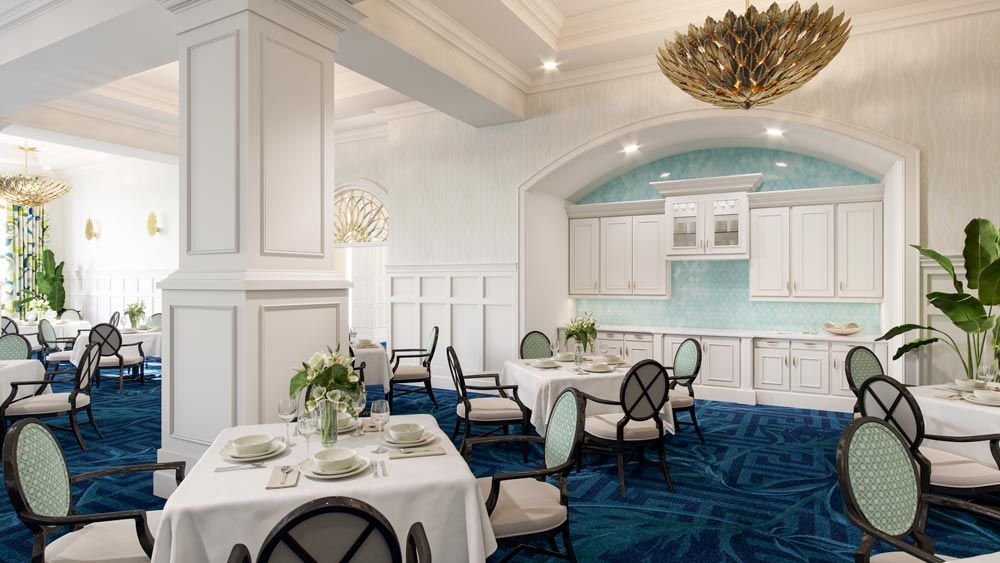
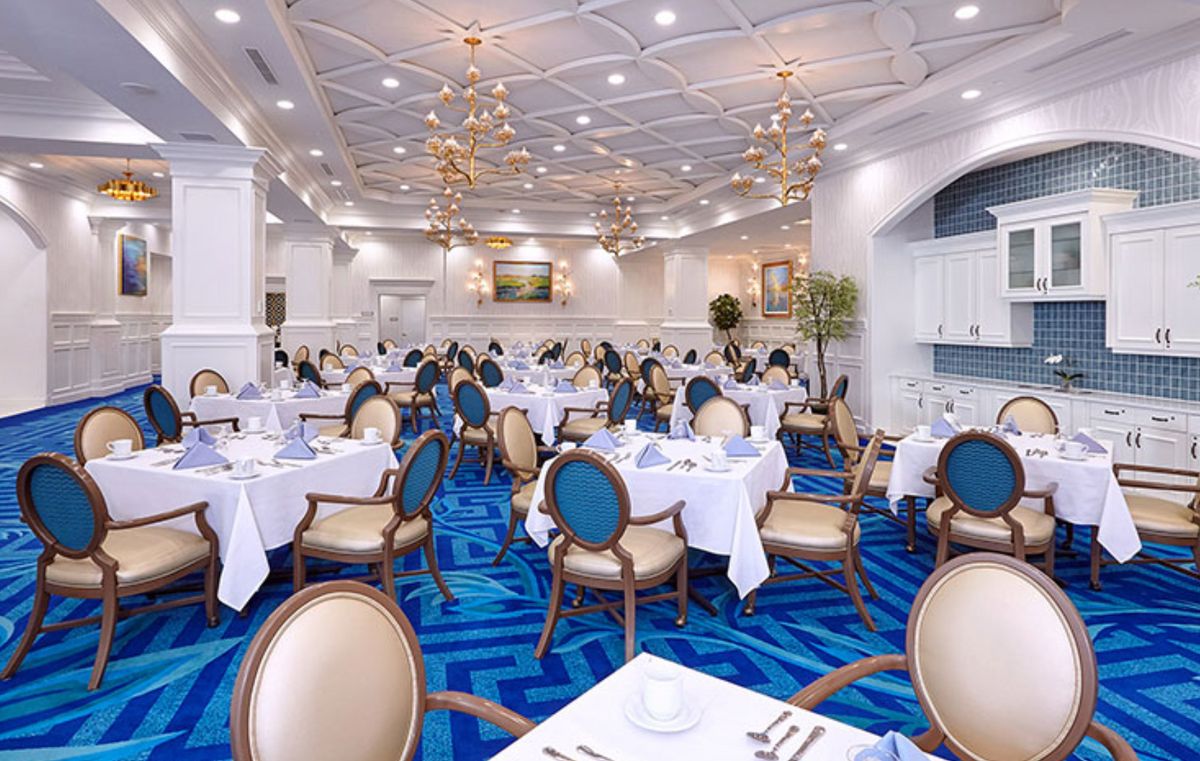
305 West End Assisted Living on seniors.fyi includes 12 photos including images showing dining, chandelier, interior, living room, fireplace, seating, lighting, decor, and more.
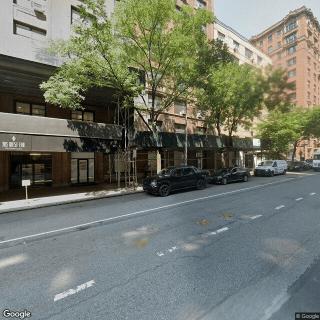
Senior Home Care
New York, NY
Excellent access to parks, healthcare, dining, and transit nearby.
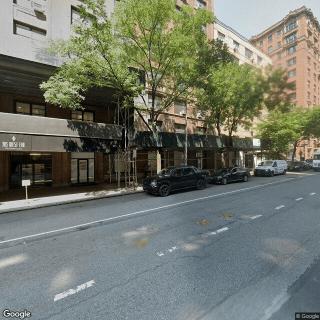
Hearthstone Alzheimer's Care - New York
New York, NY
Specialized memory care with tailored cognitive programs and compassionate staff.

West Seventy-Fourth Street Home
New York, NY
Caring staff with 24/7 nursing, inclusive meals, and transportation, in a convenient Manhattan location.
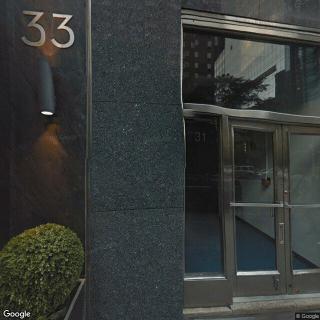
Home Helpers Home Care of Manhattan - Upper West Side
New York, NY
Some clients reported occasional helpful overnight/weekend support and eventual invoicing improvements.
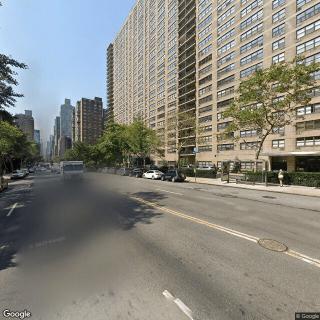
Elite Home Services LLC
New York, NY
Extensive nearby amenities (healthcare, dining, parks, and transport) for residents.

The Apsley by Sunrise
New York, NY
Comprehensive care options including memory care with 24/7 supervision and restaurant-style dining.
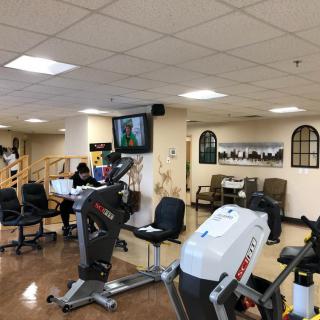
Hudson View Care & Rehab Ctr
North Bergen, NJ
Compassionate staff and strong rehab in a clean, comfortable setting.
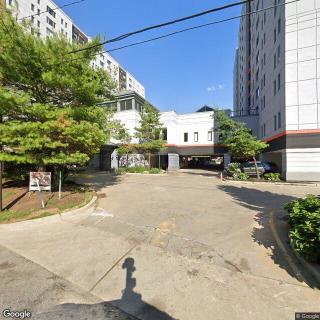
Waterford Towers
Edgewater, NJ
Affordable independent living with extensive on-site amenities and a social, hotel-like atmosphere.
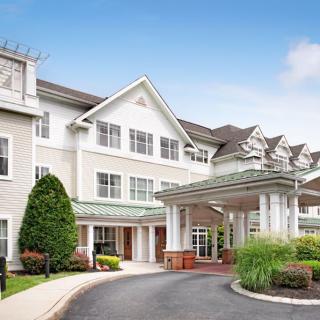
Sunrise of Edgewater
Edgewater, NJ
Caring staff with engaging activities and well-maintained facilities.
 Understanding Medicaid Coverage for Assisted Living: A Comprehensive Guide
The guide outlines the complexities of Medicaid coverage for assisted living, highlighting significant state-to-state variations, limited coverage often restricted to personal care services, and the existence of specialized waivers for certain needs like memory care. It advises families to consult local Medicaid offices for options while emphasizing the importance of understanding state-specific regulations and facility policies.
 How and When Medicaid May Cover Assisted Living Costs
Medicaid coverage for assisted living varies by state and is primarily available to low-income individuals, with eligibility dependent on strict income and asset limits. Some states offer HCBS waivers for specific services in assisted living, but families must generally cover room and board costs, and should verify facility acceptance of Medicaid while considering potential waiting lists.
 A Detailed Exploration of Assisted Living Medicaid Waivers Across the United States
Medicaid waivers for assisted living services provide vital support for seniors and individuals with disabilities in need of long-term care, with varying state-specific eligibility criteria and benefits. These waivers cover personal care and case management but often do not fully cover room and board, leading to waiting lists for many applicants.
Interior
Decor
Living Room
Dining
Lighting
Artwork
Chandelier
Seating
Salon