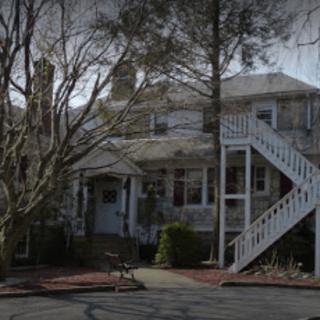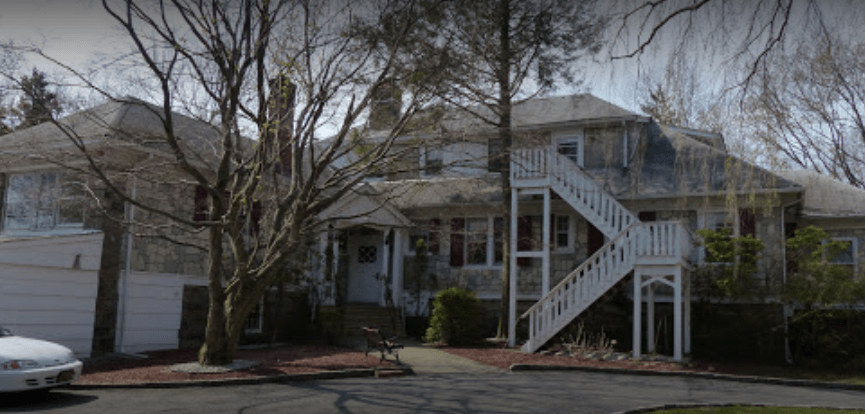
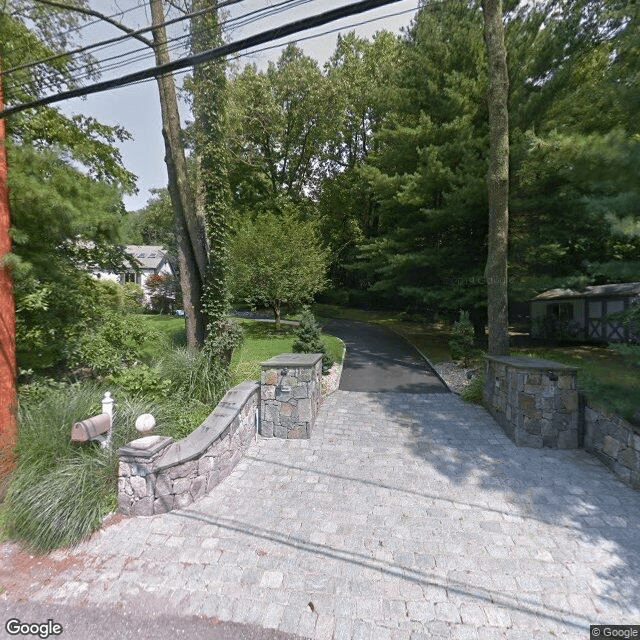
517 North Lake Blvd, Mahopac, NY 10541
To contact a resident: (845) 628-7000
For more information about senior living options: (866) 208-4318
Gallagher Home for Seniors Costs & Pricing
Gallagher Home for Seniors offers competitive pricing for its residents compared to the surrounding options in Westchester County and throughout New York. For a semi-private room, the monthly cost at Gallagher is $3,400, significantly lower than the county average of $5,983 and the state average of $4,389. Similarly, their studio accommodations are priced at $3,800 - again more affordable than Westchester County's average of $5,326 and New York state's $4,532. This pricing structure positions Gallagher Home as an attractive choice for families seeking quality senior care without the high costs typically associated with long-term residential services in this region.
| Floor plans | Gallagher Home for Seniors | Westchester County | New York |
|---|---|---|---|
| Semi-Private | $3,400 | $5,983 | $4,389 |
| Studio | $3,800 | $5,326 | $4,532 |
Memory care communities with a similar price nearby
-
from +$600 / mo
Gardens
$4,000 to $6,300 / month14.8 miles away -
from +$400 / mo
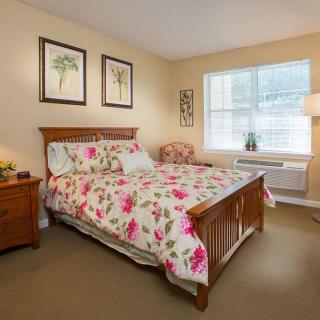
The Village At Brookfield Common
$3,800 to $4,850 / month17.3 miles away -
from +$500 / mo
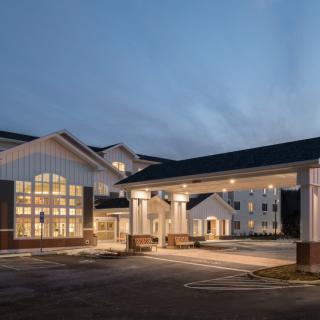
The Linden at Brookfield
$3,900 to $8,000 / month18.2 miles away -
from +$110 / mo
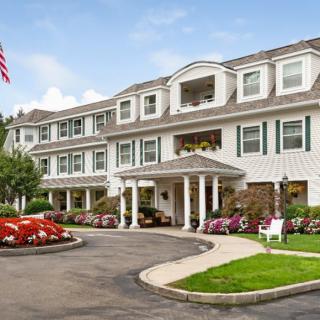
Brighton Gardens of Stamford
$3,510 to $8,310 / month22.7 miles away -
About the same
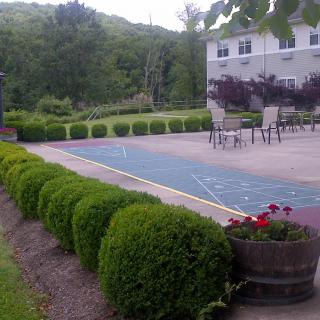
The Plaza At Clover Lake
$3,495 to $5,995 / month7.3 miles away
Overall Review of Gallagher Home for Seniors
Pros
 The owners, Dale and Suzanne, are described as lovely people and dementia experts.
- They, along with their carefully chosen staff, provide tailored, one-on-one care to keep residents as independent as possible.
- The setting is not fancy, but feels like a real home—cozy, comfy, and very clean.
- The home is non-institutional and charming, located on the shore of Lake Mahopac.
- The reviewers highly recommend this home.
Cons
 The so-called "luxury assisted living" may look fancy-shmancy, but everyone is zoned out in wheelchairs.
- The contrast implies luxury facilities are superficial and not focused on real independence or personalized care.
Review
Gallagher Home for Seniors is best suited for families seeking an intimate, dementia-focused setting where independence is preserved through highly personalized care. It excels for residents who value a real home atmosphere over an upscale appearance, and for families that prize one-on-one attention, tailored routines, and quick, attentive responses from a small, carefully selected team. The location on the shore of Lake Mahopac provides a serene backdrop that supports calm days and familiar surroundings, which can be especially meaningful for someone living with dementia who benefits from predictable environments and meaningful, low-key engagement.
Those who may want to consider alternatives are families facing higher medical complexity or a need for more formal, hospital-grade oversight. If 24/7 licensed nursing, comprehensive medical coordination, and a wide menu of on-site clinical services are non-negotiable, a larger assisted living community or a dedicated memory-care facility with structured protocols may be a better fit. Similarly, families seeking extensive social programming, a broad activity calendar, or luxury amenities as a stated priority could find a different setting more aligned with those preferences. In short, this home-like setting is ideal for appropriate levels of memory-care support rather than high-end, medicalized care.
The core strengths lie in dementia expertise and the delivery model. The owners, Dale and Suzanne, are described as not only compassionate but genuinely skilled in memory care, guiding a team that emphasizes keeping residents as independent as possible. The emphasis on one-on-one care and highly individualized attention translates into highly responsive daily routines, purposeful engagement, and careful monitoring of mood, safety, and cognitive needs. The result is a non-institutional atmosphere where care feels collaborative and respectful, not clinical or paperwork-driven. These elements reliably translate into meaningful quality-of-life benefits for residents and peace of mind for families.
Another significant strength is the home’s genuine coziness and clean, tidy presentation. The environment is described as non-glitzy yet thoroughly welcoming, with a focus on comfort, dignity, and ease of daily life. The staff are reportedly thoughtfully selected, which supports consistency and familiarity, critical factors for people with dementia who thrive on predictable interactions and trusted relationships. The shore setting adds a quiet, comforting backdrop that can reduce agitation and support routine activities, from meals to gentle recreation, within a manageable, low-stress day.
Where to temper expectations, practical families will want to confirm several operational details before committing. Small, home-based settings can mean fewer on-site medical resources, and it is prudent to verify the current staffing model, including who is on-site during nights and weekends and how rapidly a medical issue can be escalated. Families should inquire about safety measures tailored to dementia, such as secure wandering precautions, fall prevention, and simplified wayfinding within the home. Clarify what levels of memory-care programming are offered day to day, how activities are customized to individual interests, and how families stay involved in care planning. These questions help ensure that expectations align with the actual strengths of this intimate environment.
In sum, Gallagher Home for Seniors stands out as a practical, deeply human option for dementia care where a genuine home-like experience, individualized attention, and a serene lakeside setting drive daily life. It is a compelling choice for residents who can thrive with tailored, one-on-one care and a less formal, more intimate atmosphere. For families needing robust medical oversight, broader social programming, or premium amenities, alternatives with larger staff and more clinical resources may be more appropriate. A decisive next step is to visit, observe care routines in action, and speak directly with Dale, Suzanne, and the caregiving team to determine fit.
 Assisted Living
 Memory Care
 Activities on-site
 Devotional services off-site
 Indoor common areas
 Stewart (21 miles away)
 Ambulatory care
 Meals provided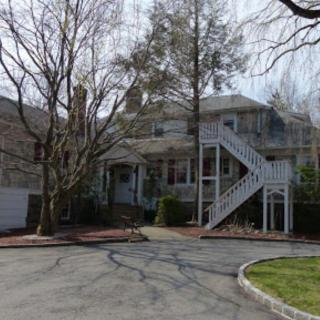

 Engaging Memory Care Activities That Enhance Quality of Life
 When to Transition from Assisted Living to Memory Care: Key Indicators, Steps, and Finding the Right Community
 Understanding the Distinctions: Assisted Living and Memory Care Explained