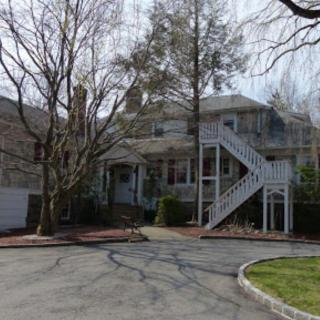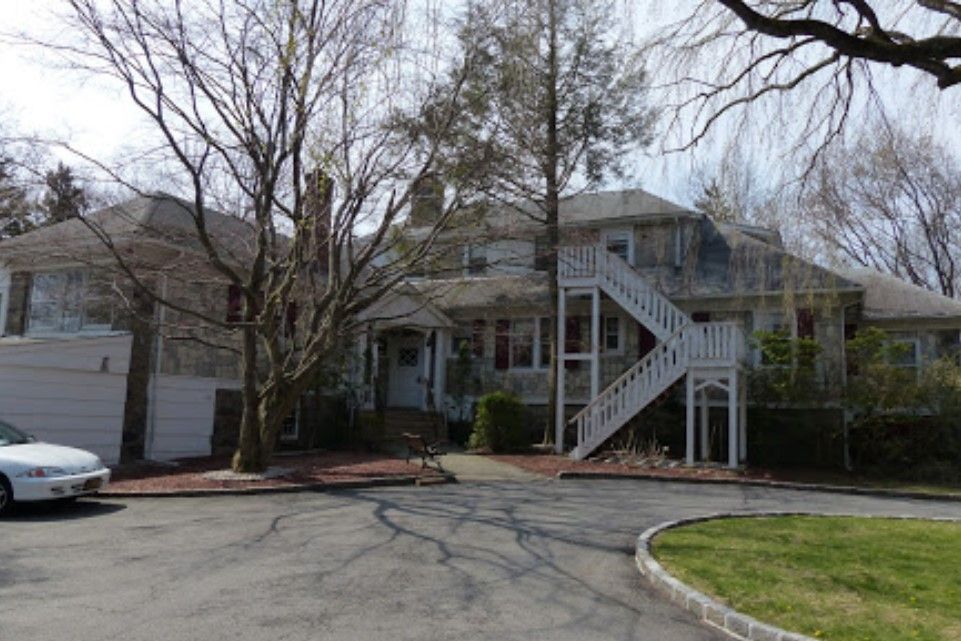
517 North Lake Boulevard, Mahopac, NY 10541
For more information about senior living options: (866) 208-4318
Overall Review of Gallagher Home
Pros
 The owners, Dale and Suzanne, are lovely people and dementia experts.
- They and their carefully chosen staff work to keep residents as independent as possible with lots of tailored, one-on-one care.
- The home is not fancy, but it feels like a real home—cozy, comfy, and very clean.
- The setting on the shore of Lake Mahopac adds to its charm.
- The reviewer highly recommends this non-institutional, charming home.
Cons
 The luxury assisted living may look fancy-shmancy but everyone is zoned out in wheelchairs.
- The review suggests such luxury facilities are more about appearances than real, personalized care.
- The contrast implies luxury options are not a real home, unlike the cozy, home-like setting described.
Review
Gallagher Home in Mahopac, New York, is best suited for families seeking an intimate, dementia-focused living arrangement that treats residents as people rather than patients and keeps life as independent as possible within a real home setting. The setting is a non-institutional, cozy environment with the charm of a lakeside residence on Lake Mahopac, which contributes to a calming daily routine. The ownership team, Dale and Suzanne, brings deep dementia expertise to daily operations, shaping schedules, activities, and care plans around preserving autonomy. The staff, carefully selected, works to provide tailored, one-on-one attention rather than cookie-cutter care. The emphasis is on dignity, familiarity, and a lived-in comfort that many families associate with truly home-like living for someone with memory impairment.
Alternatives deserve consideration for families with different priorities. If luxury amenities, resort-like surroundings, or a large, highly polished campus are non-negotiables, Gallagher Home may not satisfy. For residents who require extensive on-site medical resources, strict, highly structured programming, or intensive 24/7 nursing oversight, bigger or more medicalized communities could be a better fit. The lean, small-scale model means fewer bells and whistles and less formal polish, which can be disappointing for those accustomed to more expansive offerings. The trade-off is a dementia-savvy, home-centered approach that prioritizes intimate care over spectacle, a choice that will hinge on whether warmth and independence outweigh the desire for lavish surroundings or expansive clinical services.
On the positive side, the key strengths create a compelling value proposition for the right resident. The owners’ dementia expertise translates directly into a care philosophy that keeps residents as independent as possible, with care plans tailored to each person’s preferences and abilities. One-on-one attention is a defining feature, delivering highly personalized interaction that can slow the sense of loss and confusion that dementia often brings. The environment’s coziness, cleanliness, and non-institutional character help reduce agitation and resistance, letting daily life feel predictable and manageable. This is not a place for those seeking a clinical setting; it is a rare option for families who want meaningful connection, respect, and a sense of belonging in a small, compassionate home on the water.
That said, the downsides align with the venue’s philosophy and scale. The same lack of luxury touches that some families overlook may frustrate others who expect a hotel-like ambiance or extensive on-site amenities. The intimate size can limit the breadth of social programming and may translate into fewer immediate healthcare resources on site, which matters for residents progressing in dementia who require more frequent medical oversight. While the one-on-one model shines, there is a natural concern about consistency during busy shifts or staff turnover. Prospective decision-makers should weigh whether a serene, homey setting with deep dementia expertise offsets the potential gaps in formal programming and clinical capacity.
To decide with clarity, families should interrogate how “one-on-one” care actually functions day to day and verify staff-to-resident ratios, not just broad promises. Request concrete examples of tailored routines and how independence is encouraged in practice, along with details on activity calendars and safety protocols. Clarify medical oversight arrangements, whether on-site nursing is available, how often physicians visit, and how care plans adapt as needs evolve. Plan extended visits at different times to observe interactions during meals, routines, and transitions. If a loved one thrives on a calm, familiar home atmosphere and individualized dementia-focused care, Gallagher Home presents a strong, persuasive option. If the priority remains luxurious surroundings, robust scheduling, or advanced clinical services, other communities should be explored.
In sum, Gallagher Home stands out as a rare, deeply personalized choice for families prioritizing a respectful, home-like setting and dementia expertise. It works best when the loved one benefits from preserved independence within a non-institutional environment and when family engagement aligns with a thoughtful, tailored care plan. For those seeking a more polished, medicalized, or amenity-rich experience, broader options deserve early consideration. With deliberate screening and an in-person visit, Gallagher Home can deliver dignity, calm, and practical daily living that supports meaningful quality of life in the dementia journey.
 16 resident community capacity
 Assisted Living
 Board and Care Home
 Cable or satellite TV
 Dining room
 Fully furnished
 Garden
 Housekeeping services
 Move-in coordination
 Outdoor space
 Telephone
 Wi-Fi/high-speed internet available
 Stewart (21 miles away)
 24-hour supervision
 Activities of daily living assistance
 Assistance with bathing
 Assistance with dressing
 Assistance with transfers
 Diabetes diet
 Meal preparation and service
 Medication management
 Special dietary restrictions
 Transportation arrangement (medical)
 Transportation to doctors appointments


 Comprehensive Insights into Activities of Daily Living (ADLs) and Their Assessment
 Guiding Elderly Parents Who Refuse Assisted Living: 6 Practical Steps
 Your Comprehensive Guide to Luxury Assisted Living: Elevated Facilities, Amenities, and Costs