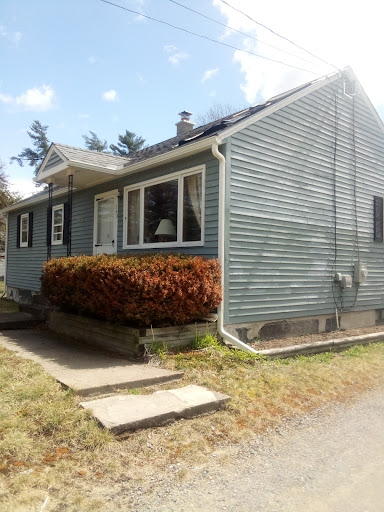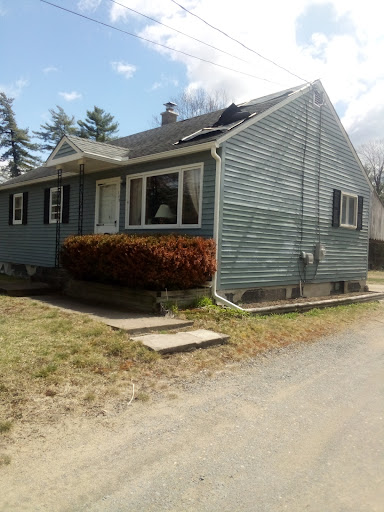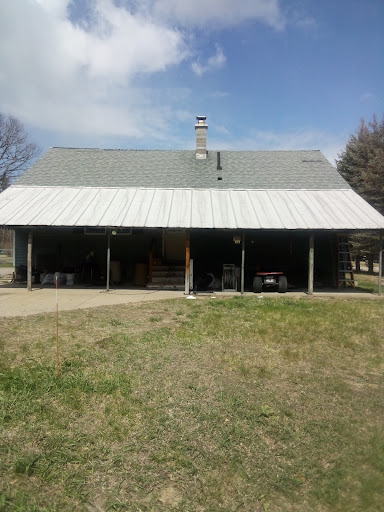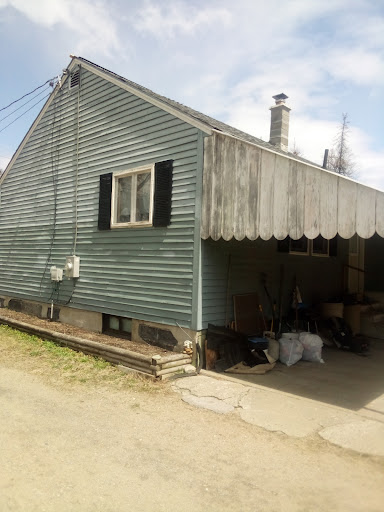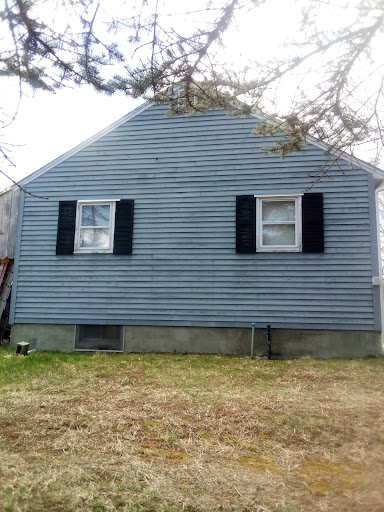
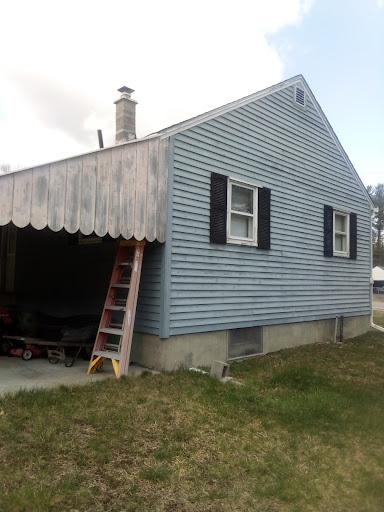
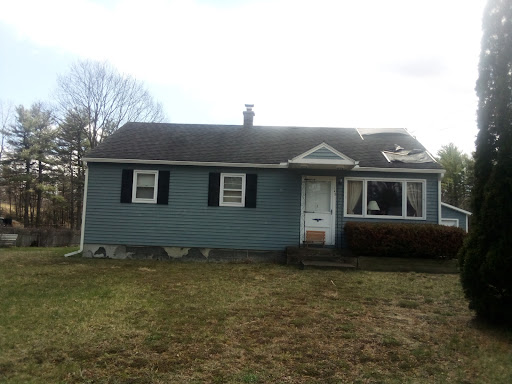
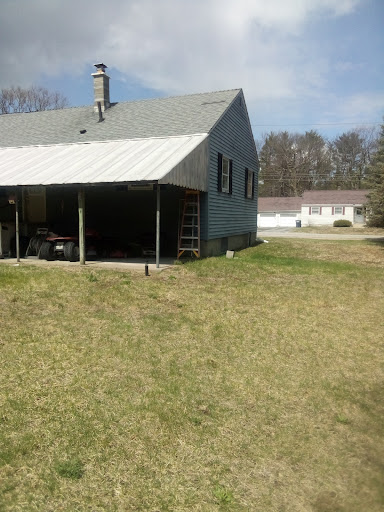
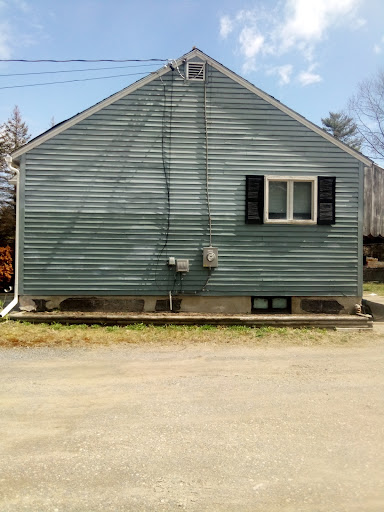

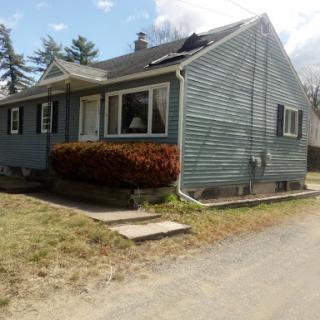

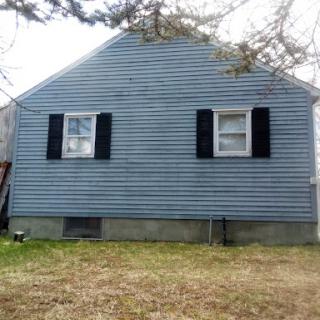
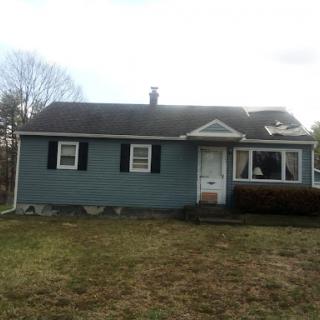
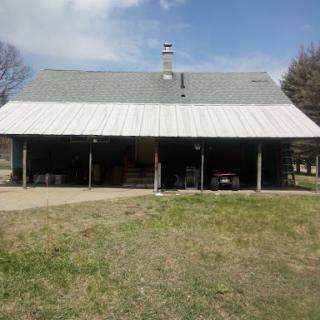
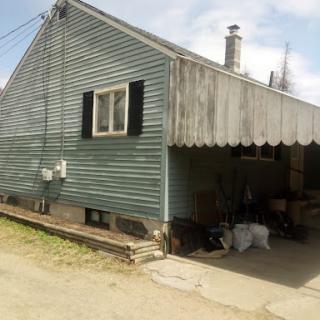
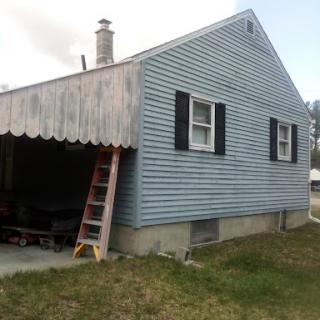
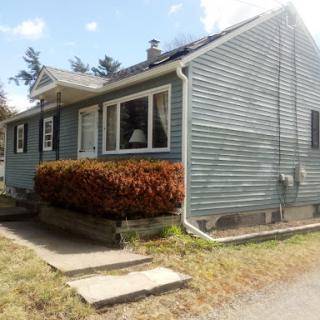
164 Hill St, Keeseville, NY 12944
To contact a resident: (518) 834-7725
For more information about senior living options: (866) 208-4318
Keeseville Country Gardens Costs & Pricing
Keeseville Country Gardens offers competitive pricing for its residential options, significantly lower than both Essex County and the broader New York state averages. For a one-bedroom unit, residents can expect to pay $715 per month, which is markedly more affordable compared to the Essex County average of $3,922 and the state average of $4,307. Similarly, two-bedroom accommodations are priced at $769, strikingly lower than the county's average of $4,335 and the state's average of $4,786. This makes Keeseville Country Gardens not only an appealing choice for potential residents but also a standout option within the region - providing quality living spaces without compromising affordability.
| Floor plans | Keeseville Country Gardens | Essex County | New York |
|---|---|---|---|
| 1 Bedroom | $715 | $3,922 | $4,307 |
| 2 Bedrooms | $769 | $4,335 | $4,786 |
Overall Review of Keeseville Country Gardens
Pros
 It could be a good option for him if Samuel F. Vilas doesn't pan out.
- If he likes it, it could be an option for him.
- It presents a potential option for him.
Cons
 Samuel F. Vilas doesn't pan out.
- Still a ways to go.
Review
Keeseville Country Gardens is best suited for a family that wants a modest, approachable assisted-living option within a reasonable drive of home, and that is open to a back-up choice in case another nearby facility doesn’t pan out. The two reviews imply a practical fit rather than a showpiece community: a place that can be considered seriously when distance, logistics, and family involvement matter. For residents who are comfortable with a 50-minute out-and-back visit radius and who trust a smaller, less hurried environment, this community can offer a workable home base while exploring better-known options nearby.
Those who should consider alternatives are families pursuing highly documented care quality or specialized services. The brief reviews offer little detail about staff expertise, activity programs, meals, or memory-care options, making it hard to gauge whether Keeseville Country Gardens meets particular clinical needs or preferences for social programming. For anyone prioritizing close proximity to medical providers, urgent visit access, or a well-arched continuum of care within a short drive, other communities, especially those with more transparent performance histories, will likely be more compelling. In short, it’s wise to suppress the urge to place all bets here if the resident demands a high level of specialized care or an exceptionally well-documented daily rhythm.
The principal upside, as reflected in the reviews, is that Keeseville Country Gardens stands as a credible option in the region. A solid 4-star signal from two evaluators suggests a baseline of satisfaction and reliability, enough to keep it on the short list when a preferred match falls through. The implied fit for a resident who enjoys a homier, less commercial atmosphere can be a meaningful offset to the lack of volume in feedback. Importantly, the distance is not prohibitive for families willing to commit time to regular visits, involvement in routines, and hands-on support, which can translate into strong continuity of care without surrendering the comforts of a smaller setting.
However, the reviews expose clear gaps that prospective residents must weigh. The small volume of feedback and absence of granular detail about staffing, safety routines, memory care capabilities, or specific daily offerings means significant questions remain unanswered. Prospective residents should not assume amenities or care levels will align with those of busier, more frequently reviewed facilities. The distance factor remains a double-edged sword: it nurtures a sense of independence from overwhelming crowds, but it also implies longer drives for emergencies, family meetings, or frequent oversight. Without more explicit evidence, the risk is accepting a good-enough option without certainty on what makes it truly distinctive.
The key to evaluating Keeseville Country Gardens lies in aligning expectations with the pros-and-cons revealed by the limited data. The potential for a resident to “like it” is a meaningful pro if the individual values a quieter, intimate environment and does not demand high-intensity programming. The 50-minute travel reality should be accepted as a given in planning care logistics, but it also makes the community a practical backup rather than a primary choice for families who prioritize ease of access or rapid responsiveness. The offset provided by a solid rating hinges on the resident’s personal feel for the setting; if the environment resonates, the drive becomes less of a liability and more of a routine.
In final terms, Keeseville Country Gardens serves as a prudent contingency for families weighing options near Keeseville, particularly when Samuel F. Vilas or other nearby facilities are in contention. It is best approached with a clear checklist: confirm memory-care and daily-living supports match current needs, request a tour and trial visit, and probe for specifics on staffing ratios, emergency responsiveness, and activity calendars. If the resident’s preferences lean toward a smaller, neighborly feel and distance can be managed, this community holds enough promise to justify a serious, unhurried appraisal. For those seeking closer proximity to a broader medical network, or a facility with more transparent, comprehensive programming documentation, pursuing alternatives remains the wiser path.
 Active Adult Communities (55+)
 Cats allowed
 Dogs allowed
 Activities off-site
 Indoor common areas
 Outdoor common areas
 Wheelchair accessible showers
 Burlington International (18 miles away)
 Meals provided



 Understanding the Full Cost of 24/7 In-Home Care: A Detailed Overview
 Exploring the World of Home Health Nurses: Qualifications, Roles, and Hiring Tips
 Navigating Medicare Coverage for In-Home Care Services