
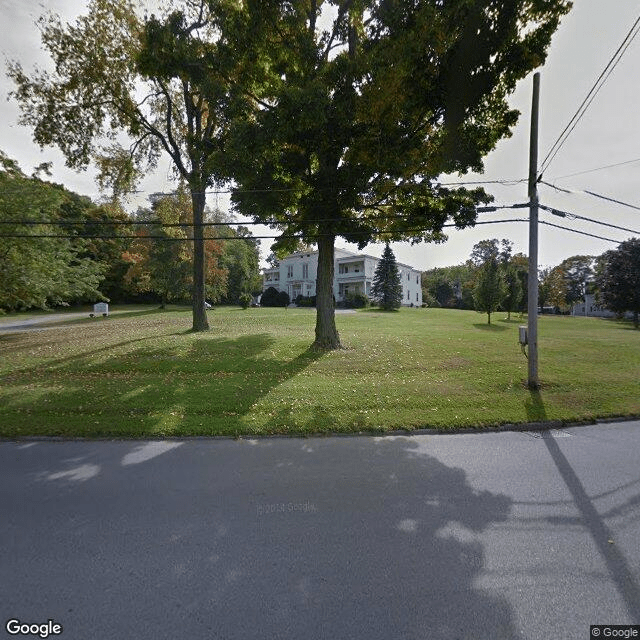
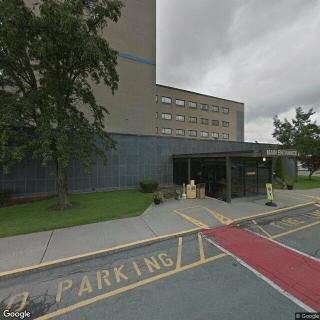
226 W Madison Ave, Johnstown, NY 12095
To contact a resident: (518) 762-7719
For more information about senior living options: (866) 208-4318
Willing Helpers Home For Women Costs & Pricing
Willing Helpers Home For Women offers a competitive monthly rate for its studio accommodations at $3,100. This is notably lower than the average costs observed in Montgomery County and across New York State, where studio units are priced at approximately $3,553 and $4,532 respectively. This pricing structure not only reflects Willing Helpers' commitment to providing affordable housing options for women but also highlights its strategic positioning within the local market. By maintaining costs that significantly undercut both county and state averages, Willing Helpers ensures accessibility while fostering a supportive environment for its residents.
| Floor plans | Willing Helpers Home For Women | Montgomery County | New York |
|---|---|---|---|
| Studio | $3,100 | $3,553 | $4,532 |
Assisted Living communities with a similar price nearby
-
from +$100 / mo
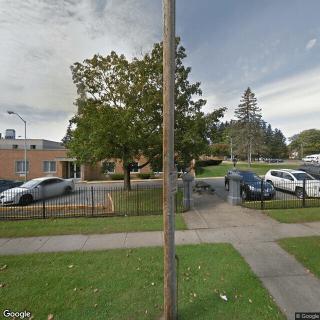
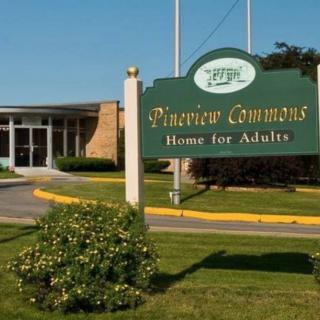
Pineview Commons Home-Adults
$3,200 to $6,000 / month0.2 miles away -
from -$400 / mo
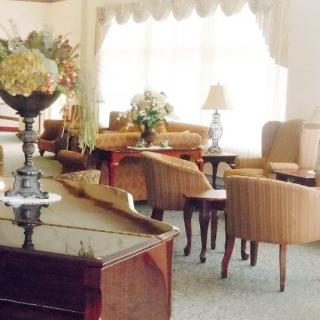
Hillcrest Spring Residential
$2,700 to $3,500 / month10.1 miles away
Overall Review of Willing Helpers Home For Women
Pros
 The staff is wonderful, and residents feel at home.
- They organized an awesome Mother's Day breakfast.
- The place is outstanding, with fantastic people treating the women there.
- The assistant director is courteous with any questions.
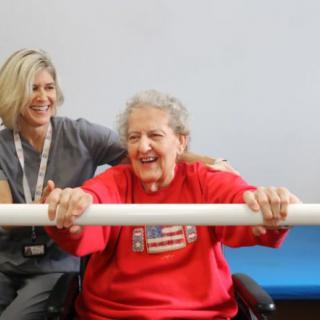
- The facility feels like home from the moment one enters, with staff and residents interacting like family.
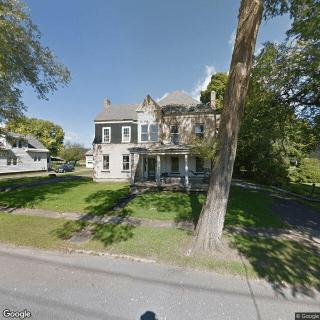
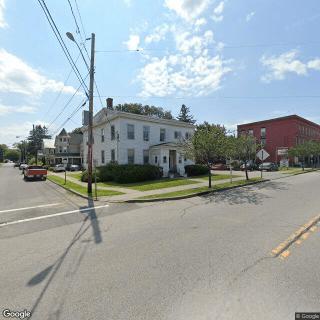
- The building and grounds are beautiful and well kept.
- An activity director keeps daily activities varied, including field trips, shopping, and in-house programs.
- Residents are not forced to participate, and holidays and birthdays are joyful times.
Review
Willing Helpers Home For Women in Johnstown, NY is best suited for an older woman who wants a small, home-like setting where care feels personal and genuinely nurturing. The community operates with a tight-knit cohort, about 19 residents in a maximum 20-bed house, so it reads less like a campus and more like a comfortable, well-staffed home. Private bedrooms are the norm, with shared bathrooms, a configuration that emphasizes privacy within a warm, intimate environment. For families seeking daily engagement, predictable routines, and staff who treat residents like family, this is a clear fit.
Alternatives become worth considering for several clear reasons. The home simply cannot serve every need: it is women-only, so couples or male residents will need other options; it is not a modern, apartment-style campus with private en-suite baths and broad, high-end amenities. Those who require substantial on-site medical oversight, frequent skilled nursing, or highly specialized memory-care services may find larger facilities better equipped to provide the level of medical infrastructure they expect. For residents who want maximum independence with a more contemporary layout and more expansive on-site services, exploring other communities will be prudent.
The strongest positives here, the warmth of the staff, the family-like culture, and the compact, homelike footprint, more than offset the functional trade-offs of a smaller, less modern setting. Staff are consistently described as caring, professional, and devoted to their work, treating residents as if they were their own family. That level of personal attention can translate into quicker recognition of needs, calmer days, and stronger trust between residents and caregivers. The intimate size allows for individualized attention, fewer confusing choices, and a sense of safety that many families value highly in memory-care transitions or when dementia concerns are present.
Care style and daily life reinforce the same message. The facility does not compel participation in activities, which preserves autonomy and dignity; instead, a robust activity slate, directed by a dedicated activity coordinator, keeps life engaging with a mix of in-house programs and community outings. Field trips to local venues, farm activities, and shopping excursions are part of the rhythm, signaling that life inside and outside the home blends seamlessly. The home’s atmosphere, bright, well-kept interiors, lively colors, and a Christmas parade route in view, conveys both celebration and comfort, further supporting residents who thrive on routine social contact and purposeful engagement.
Memory care and safety considerations are nuanced here. The grandmother whose care story began the positive chatter demonstrated that residents can benefit from attentive, affectionate staff and meaningful activities, particularly in a setting that feels like family. Yet the note that residents should have some awareness and physical ability suggests this isn’t a specialized memory-care unit for advanced dementia or for residents needing intensive 24/7 supervision. This is a strength for those who are relatively independent with support, and a caution for families facing higher levels of cognitive or functional decline who may need more intensive care infrastructure.
In the end, Willing Helpers Home For Women offers a compelling, practical choice for families prioritizing warmth, continuity, and interpersonal connection within a compact, woman-centered home. It excels at delivering human-sized care with genuine attentiveness, a steady rhythm of celebration, and abundant opportunities to engage with staff and peers. For those who value a sense of belonging and a living-room–like atmosphere over modern finishes and broad medical amenities, this community stands out as a thoughtful, well-run option. For anyone needing a more contemporary facility, co-ed or male-friendly housing, or robust on-site medical services, it is essential to explore alternatives in parallel and compare care plans, staffing levels, and long-term viability.
Practical next steps include scheduling a visit to observe the daily flow, meeting the assistant director and the activities director, and asking about memory-care readiness and staff-to-resident ratios. Confirm room configurations, bathroom arrangements, and what happens if a resident’s care needs evolve. Clarify community accessibility, transportation for outings, and the kinds of family involvement that are encouraged. With those checks, a well-informed decision can be made that aligns with the resident’s preferences, health needs, and the family’s comfort with a home-like setting that prizes personal attention above institutional polish.
 Assisted Living
 Independent Living
 Activities on-site
 Devotional services off-site
 Indoor common areas
 Ambulatory care
 Diabetic care
 Meals provided


 Social Security Benefits and Assisted Living: Navigating Options Across the U.S.
 An Extensive Exploration of the VA Aid and Attendance Benefit
 Senior Transition Services: Understanding Their Role, Cost, and Importance