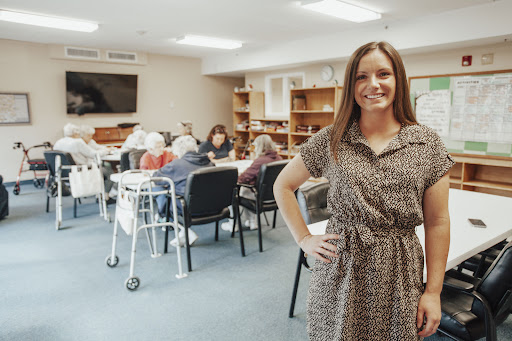
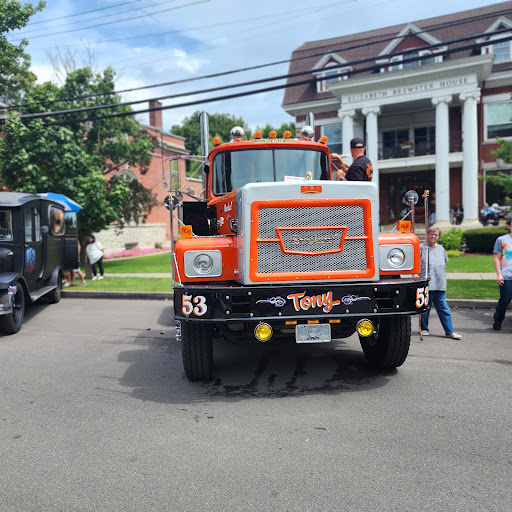
At Elizabeth Brewster House, the monthly cost for a private room is $3,675, which positions it competitively within Onondaga County where the average cost stands at $2,710. When compared to the state level of New York, where private room expenses reach about $5,159, Elizabeth Brewster House offers a more affordable option while maintaining a focus on quality care and comfortable living. This balance makes it an appealing choice for those seeking both value and a supportive environment in their housing decisions.
Floor plans
Elizabeth Brewster House
Onondaga County
New York
Private
$3,675
$2,710
$5,159
Assisted Living communities with a similar price nearby
Residents and families repeatedly describe the staff as loving, caring, and responsive to needs.
Across many reviews, families say the staff makes a difficult transition feel easier, and they describe staff as loving and caring. Several reviewers also mention staff helping with day-to-day support and keeping residents safe and well looked after. Even in the one critical review, the concern is about coverage and staffing roles, not that staff are unkind.
common5 reviews mention this
Setting looks well maintained
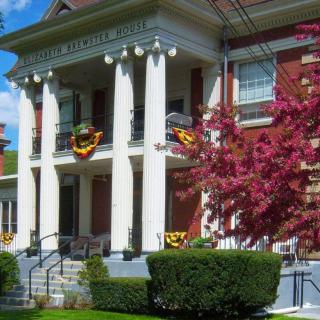
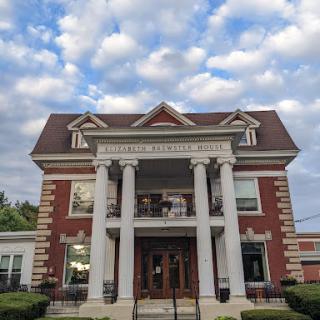
Multiple reviews describe the building as beautiful, well maintained, and comfortable for residents.
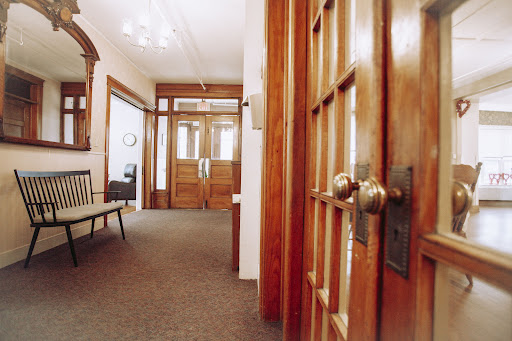
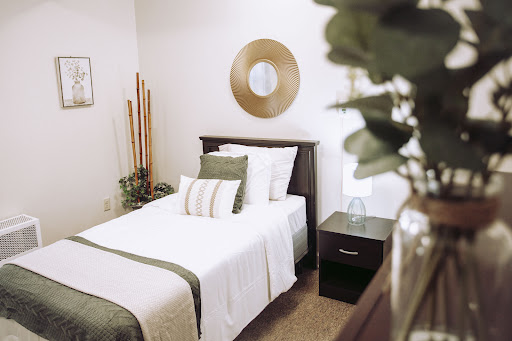
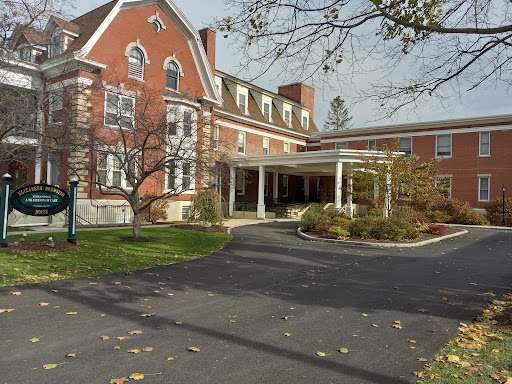
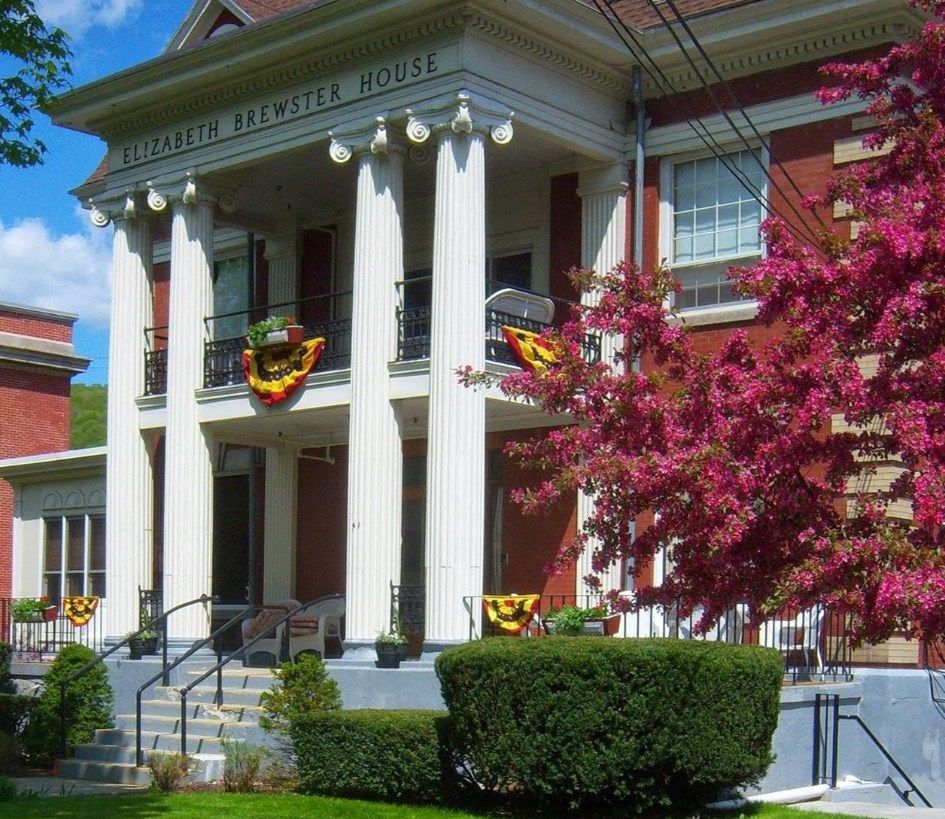
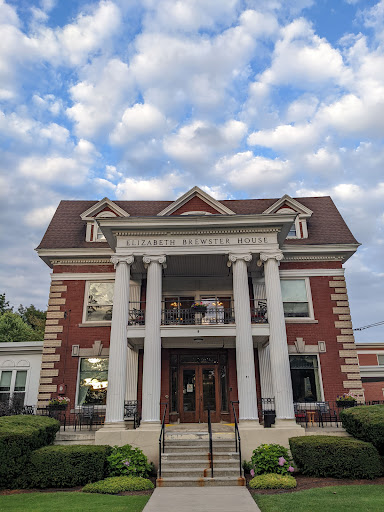
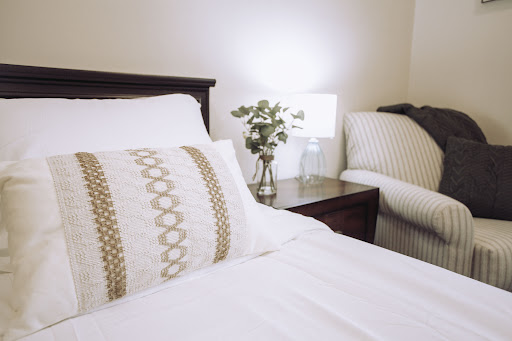
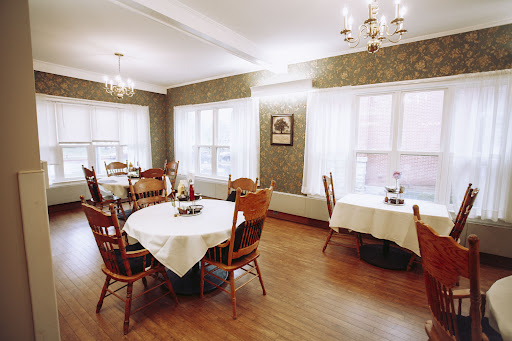
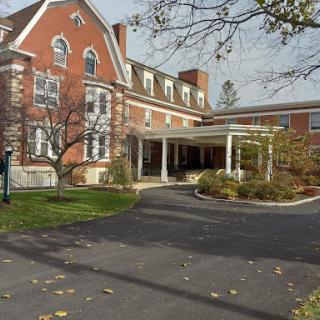
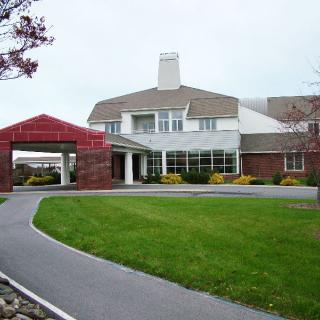
Reviewers describe Elizabeth Brewster House as very beautiful and well maintained, and at least one compares it to a more home-like environment. Another comment notes the “grand old” setting, and a separate review mentions that rooms are very nice. One reviewer also points to frequent improvements, reinforcing that the property is being kept up over time.
caveat2 reviews mention this
Assistance and safety support
Reviews mention hands-on assistance for daily needs, but one resident’s experience raises concerns about care coverage.
A positive review says they feel less worried because their family member is safe and well taken care of. In a separate, more critical review, the author describes help with showering and dressing and medication being administered, but they also raise concerns about weekday-only nursing availability and when emergency help is needed. Together, the reviews suggest support for daily care is present, while the timing and escalation process may not meet every family’s expectations.
How we summarize
Counts show how many written reviews mention each theme; a review can touch several themes, and only frequently mentioned themes are displayed.
Features
Housing
45 resident community capacity
Types of Care
Assisted Living
Amenities
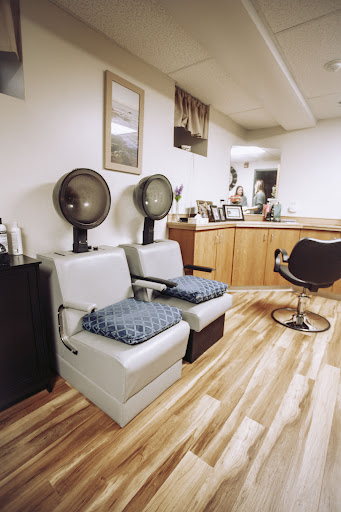
Beauty salon
Cable or satellite TV
Dining room
Fully furnished
Garden
Housekeeping services
Kitchenette
Move-in coordination
Outdoor space
Restaurant-style dining
Small library
Telephone
Wi-Fi/high-speed internet available
Transportation
Tompkins Cty (17 miles away)
Care Services
24-hour call system
24-hour supervision
Activities of daily living assistance
Assistance with bathing
Assistance with dressing
Assistance with transfers
Diabetes diet
Meal preparation and service
Medication management
Mental wellness program
Special dietary restrictions
Dining
Diabetes diet
Special dietary restrictions
Activities
Community-sponsored activities
Resident-run activities
Scheduled daily activities
Nearby Places of Interest
Restaurants
Village Cafe (0 miles)
Dasher's Corner Pub (0.2 miles)
Little Italy Pizzeria (0.4 miles)
Hobeau's (0.6 miles)
Steve & Lu's Diner (0.8 miles)
Super Cream Dairy Bar (0.8 miles)
Hyde Diner (1.7 miles)
Cafes
Origins (0.8 miles)
Starbucks (2.1 miles)
Coffee Cookies & Creamers (2.4 miles)
Bru 64 (2.5 miles)
Coffee Mania (2.6 miles)
Coffee Mania (2.7 miles)
Brewer’s Cafe and Taproom (16.1 miles)
Parks
Durkee Memorial Park (1 miles)
Homer Green (1.1 miles)
Yaman Park (2 miles)
Suggett Park (2 miles)
Dexter Park (2.4 miles)
Cortland Waterworks (2.8 miles)
Montgomery Park (11.6 miles)
Physicians
Cortland Health Center (1.5 miles)
Patricia Digiovanna Np (1.5 miles)
Cortland Internist Associates (1.8 miles)
Obstetric & Gynecologic Associates of Cortland MD PC (1.8 miles)
Cortland Orthopedics (1.9 miles)
Family Practice Of Cortland (1.9 miles)
Cayuga Renaissance GYN (1.9 miles)
Places of Worship
Grace Christian Fellowship (1.5 miles)
Christian & Missionary Alliance Church (2.1 miles)
At Elizabeth Brewster House, the monthly cost for a private room is $3,675, which positions it competitively within Onondaga County where the average cost stands at $2,710. When compared to the state level of New York, where private room expenses reach about $5,159, Elizabeth Brewster House offers a more affordable option while maintaining a focus on quality care and comfortable living. This balance makes it an appealing choice for those seeking both value and a supportive environment in their housing decisions.
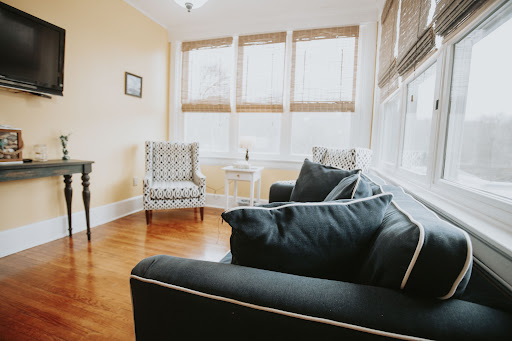
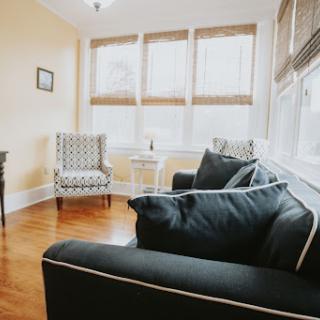
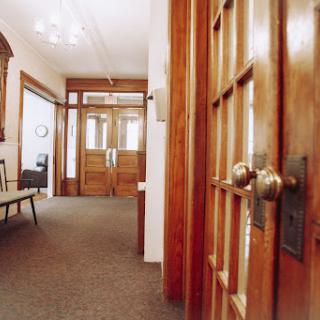
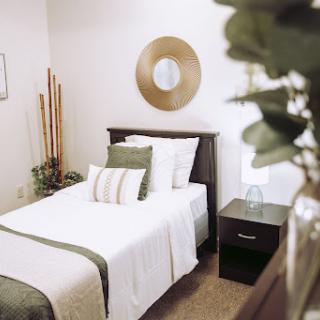
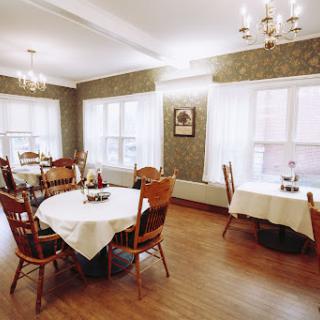
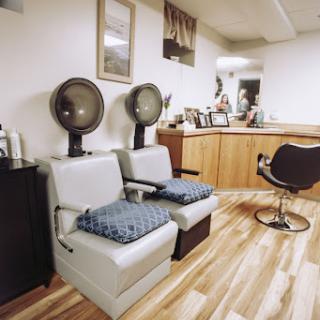
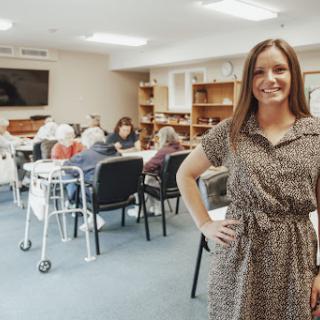
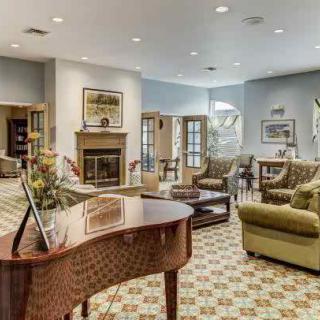
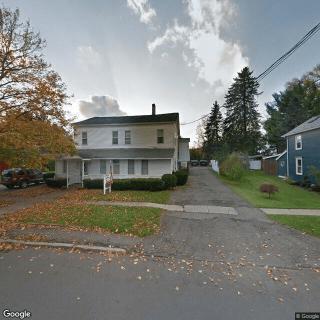
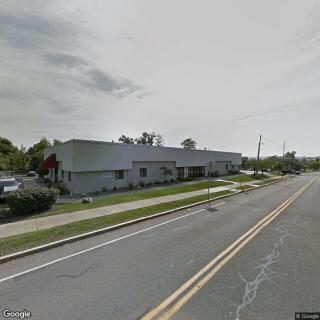
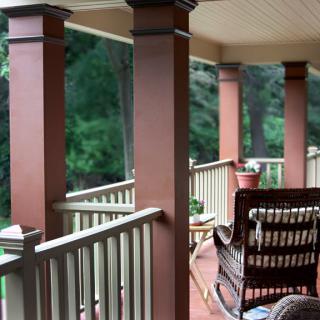
Elizabeth Brewster House on seniors.fyi includes 11 photos including images showing interior, architecture, decor, bedroom, trees, building, dining, seating, and more.
Nearby Communities
Brewster House Elizabeth
Homer, NY
4.8 from 20 reviews
Specialized memory care with a safety-focused design and staff trained in diabetic care.
Greenbriar Home For Adults
Homer, NY
3.7 from 3 reviews
24/7 supervision with resident-run activities and restaurant-style dining in furnished accommodations.
Cedarwood Senior Living
Homer, NY
3 from 6 reviews
$1,190 to $1,600 / month
Kind, knowledgeable owners and a home-like atmosphere.
Friendship House
Cortland, NY
4.3 from 31 reviews
Strong nearby amenities and social opportunities.
Coutland Care Ctr
Cortland, NY
Amenity-rich surroundings with easy access to cafes, parks, dining, pharmacies, and medical services.
Cortland Park Rehabilitation And Nursing Center
Cortland, NY
4.2 from 128 reviews
Clean, well-staffed facility with engaging activities and effective PT/OT care.
Comfort Keepers of Ithaca
Ithaca, NY
$5,450 / month
Relatively affordable private room with easy access to numerous nearby amenities (cafes, parks, pharmacies, restaurants, transit, worship, entertainment, and hospitals).
Kendal At Ithaca
Ithaca, NY
4.6 from 20 reviews
Wide continuum of care with engaging staff and a vibrant activity program.
Bridges Cornell Heights
Ithaca, NY
4 from 25 reviews
$9,400 to $9,900 / month
Competent, compassionate staff and a pleasant, welcoming environment.
Transitioning from assisted living to memory care is driven by an individual's cognitive decline and specific needs, requiring careful evaluation of indicators like increased confusion and wandering. The process involves consulting medical professionals, researching suitable communities, considering financial and legal aspects, and ensuring effective communication for personalized care plans.
Assisted living provides moderate support for seniors seeking independence, while memory care offers specialized support for individuals with dementia or cognitive impairments through structured routines and trained staff. Key differences include care approaches, environment security measures, staff training levels, activity types, and cost considerations.
Assisted living communities offer diverse activities beyond traditional games to enhance seniors' physical health, cognitive well-being, emotional enrichment, and social connections, including fitness classes, creative expression, and intergenerational interactions. These enriching programs foster community bonds and support residents' independence and happiness.
Get PricingAsk A QuestionSchedule A TourContact Senior Advisor
By clicking submit, you agree to our Partner's Terms of Use. You
also consent to receive calls and texts, which may be autodialed, from our Partner. Your consent is not a condition to
using our Partner's service. Please visit our Partner's Privacy Policy for information about their privacy practices.

 45 resident community capacity
 Assisted Living
 Beauty salon
 Cable or satellite TV
 Dining room
 Fully furnished
 Garden
 Housekeeping services
 Kitchenette
 Move-in coordination
 Outdoor space
 Restaurant-style dining
 Small library
 Telephone
 Wi-Fi/high-speed internet available
 Tompkins Cty (17 miles away)
 24-hour call system
 Activities of daily living assistance
 Assistance with bathing
 Assistance with dressing
 Assistance with transfers
 Diabetes diet
 Medication management
 Mental wellness program
 Special dietary restrictions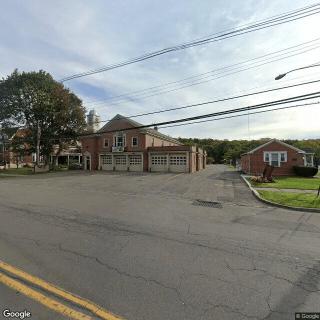
 Specialized memory care with a safety-focused design and staff trained in diabetic care.
 When to Transition from Assisted Living to Memory Care: Key Indicators, Steps, and Finding the Right Community
 Assisted Living and Memory Care: Understanding Their Core Differences
 Beyond the Bingo Hall: 50+ Enriching Activities for Seniors in Assisted Living