




60 Waller Road, Gansevoort, NY 12831
For more information about senior living options: (866) 208-4318
Home Of The Good Shepherd Wilton Costs & Pricing
Home Of The Good Shepherd Wilton offers a range of accommodating options, with monthly costs that reflect its unique services and environment. For a studio room, residents can expect to pay $4,250, which is notably higher than the Saratoga County average of $3,644 but slightly below the state average of $4,532. The cost for a one-bedroom unit stands at $4,450, again above the county's average of $3,200 yet competitive when compared to New York's overall rate of $4,307. Finally, two-bedroom accommodations are priced at $4,650 - significantly higher than the Saratoga County average of just $2,153 and in line with the state average of $4,786. Overall, these pricing structures suggest a commitment to providing quality care and services within Home Of The Good Shepherd Wilton while operating within broader regional trends.
| Floor plans | Home Of The Good Shepherd Wilton | Saratoga County | New York |
|---|---|---|---|
| Studio | $4,250 | $3,644 | $4,532 |
| 1 Bedroom | $4,450 | $3,200 | $4,307 |
| 2 Bedrooms | $4,650 | $2,153 | $4,786 |
Assisted Living communities with a similar price nearby
-
from +$653 / mo

The Terrace At The Glen
$4,903 to $6,886 / month16.7 miles away -
from -$284 / mo

The Landing at Queensbury
$3,966 to $5,600 / month15.1 miles away -
from +$780 / mo
Brookdale Niskayuna
$5,030 to $5,295 / month23.7 miles away -
from -$500 / mo

Home Of The Good Shepherd Moreau
$3,750 to $4,200 / month13.2 miles away -
from -$250 / mo
Millview Of Latham
$4,000 to $5,090 / month23.7 miles away
Overall Review of Home Of The Good Shepherd Wilton
Pros
 The staff genuinely care about all of the residents.
- They are very responsive to family members’ questions.
- The staff are knowledgeable, accommodating, and dedicated to residents’ well-being.
- The compassionate care shines when residents are in decline.
- The nursing team manages care with professionalism, empathy, and clear communication.
- The environment feels like home thanks to the staff’s warmth and devotion.
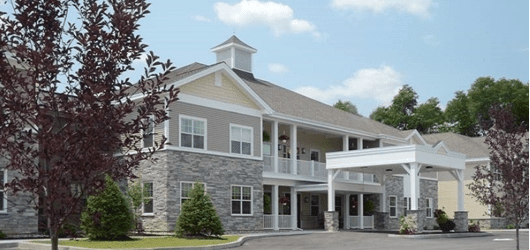
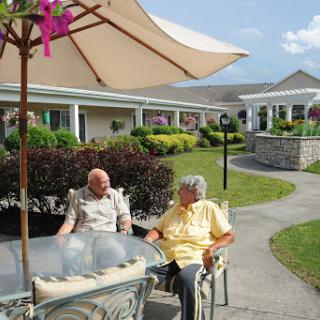
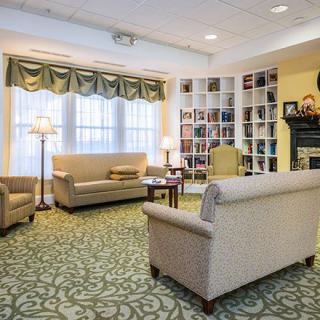
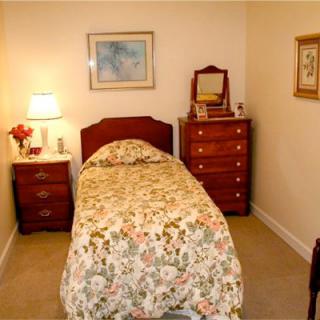
- The facility is beautiful, clean, well lit, with excellent meals and comfortable, spacious rooms.
Cons
 One reviewer described long waits for assistance and said staff didn’t bother to get to know the residents.
 - Another reviewer stated it sounded like a scam and urged others not to visit, despite never having been there.
- A reviewer complained that dietary needs were ignored and timely medical care was not provided.
- A reviewer labeled the management as poor.
- A reviewer noted a staff member who was always complaining and spoke poorly about others in front of residents.
- A reviewer described the place as an “average place,” implying a mediocre experience.
Review
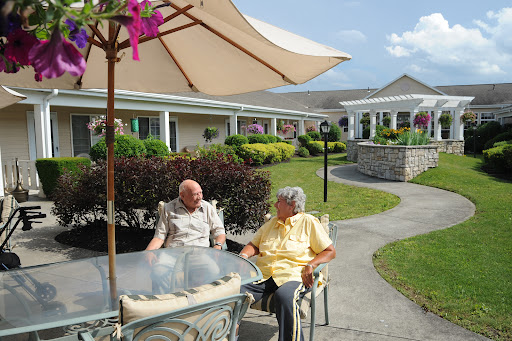
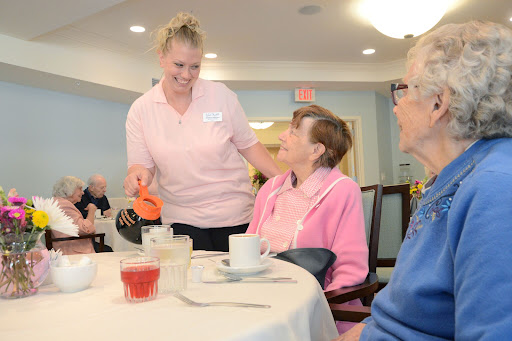
Home Of The Good Shepherd Wilton is best suited for families that prize a warm, person-centered approach to care, where the nursing and caregiving team actively treats residents like members of a extended family. The Wilton campus shows up as a hands-on environment: staff are accessible, questions from families are answered, and care plans are coordinated with clinicians and, when appropriate, hospice teams. For residents facing meaningful levels of assistance or those nearing the end of life, this community delivers a sense of continuity and comfort that many families value deeply. The social framework, regular dining hall meals, engaged activities, and visible staff presence, helps preserve dignity and a sense of belonging.
Those weighing alternatives should consider that this community may not be the best fit for every scenario. Families seeking minimal assistance or an almost entirely independent lifestyle will likely prefer a setting with lighter daily care demands and fewer staffing variability. Others who require iron-clad administrative consistency across all shifts may want to compare options where governance and communications are characterized by steadier, more uniform operations. A few reviews flag inconsistencies in management and responsiveness, so for those with very strict expectations around promptness or who have had past disappointments with staff conduct, it’s prudent to scrutinize recent tours and talk to multiple family members of current residents.
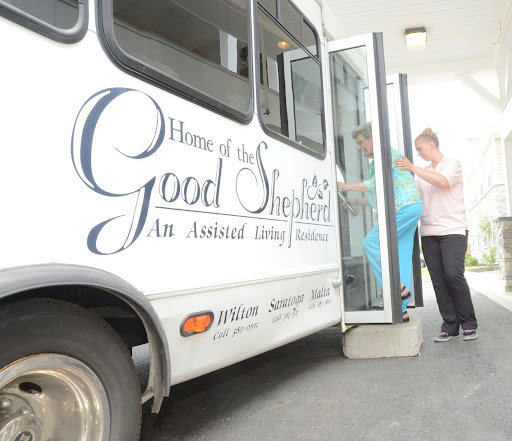
The strongest positives at Wilton center on the quality and tone of care. The staff’s genuine kindness and the nurses’ hands-on management of daily needs stand out, with families repeatedly highlighting how questions are answered and how care plans are executed with patience. The campus also benefits from a cohesive administrative presence, notably an administrator team led by Lindsey, and a broad med-room, activities, transportation, kitchen, and maintenance ecosystem that consistently reinforces a unified standard of service. Hospice collaboration is a practical asset here, allowing comfort-focused care to unfold without friction and with clear coordination between campus teams and external providers. Meals, rooms, and common spaces are described as comfortable and well maintained, contributing to a home-like atmosphere appropriate for long-term stays.
On the other hand, a small cadre of experiences points to real risks if the expectations are for flawless planning and perfect daily execution. Some reviewers report pockets of poor management or staff dynamics, including concerns about inconsistent responsiveness or conversations about residents occurring in front of others. There are isolated accounts of unmet dietary needs or delayed medical attention, which understandably trouble families relying on steady oversight. These incidents are not universal, but they do create a caveat: success here hinges on ongoing, proactive engagement with the care team, vigilant review of care plans, and a willingness to escalate when a concern arises.
When the pros are weighed against the cons, the balance often tilts in favor of those needing high-touch, medically supported care delivered with evident compassion. The ability to mobilize quickly during declines, the seamless integration with Hospice when needed, and the team’s emphasis on preserving dignity and connection tend to offset the occasional management hiccup. Families report feeling as if the facility is “home,” with attention paid to meaningful activities, comfortable spaces, and relationships that endure beyond a single incident. For many, this is the essential value: a trusted, people-first environment where skilled care and sincere kindness co-exist.
Practical guidance for decision-making: schedule multiple visits at different times to observe how staff respond on varied shifts and to meet several members of the care team, including administration, nursing, and hospice coordinators. Ask current residents and family members about communication flow, how often updates arrive, and how practical concerns are handled when a decline occurs. Clarify care-planning specifics for anticipated needs, including vision or dietary restrictions, and request a detailed outline of what is included in the monthly price and what would incur additional costs. Overall, Home Of The Good Shepherd Wilton stands out for families seeking a compassionate, medically attentive home with strong staff relationships; it is a strong choice for higher-need Assisted Living, while those prioritizing near-perfect operational consistency or very light care demands may wish to compare a few other communities first.
 54 resident community capacity
 Assisted Living
 Activities off-site
 Air-conditioning
 Bath tubs
 Beautician on-site
 Cable or satellite TV
 Computer center
 Devotional services off-site
 Dining room
 Fitness room
 Fully furnished
 Gaming room
 Garden
 Ground floor units
 Handicap accessible
 Housekeeping services
 Indoor common areas
 Kitchenette
 Move-in coordination
 Outdoor common areas
 Private bathrooms
 Restaurant-style dining
 Small library
 Telephone
 Wellness center
 Wheelchair accessible showers
 Wi-Fi/high-speed internet available
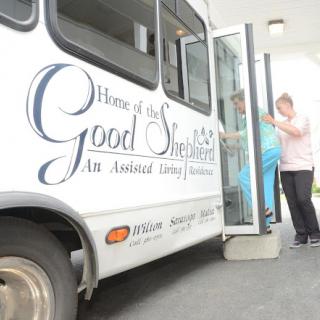
 Community operated transportation
 12-16 hour nursing
 24-hour call system
 Assistance with bathing
 Assistance with dressing
 Assistance with transfers
 Diabetes diet
 Diabetic care
 High acuity care
 Incontinence care
 Medication management
 Mental wellness program
 Special dietary restrictions
 Art classes
 Catholic services
 Concierge services
 Cooking classes
 Day trips and outings
 Educational speakers / life long learning
 Happy hour
 Jewish services
 Karaoke



 Exploring the Contrasts Between Assisted Living and Skilled Nursing
 8 Key Indicators That Suggest It May Be Time to Transition from Assisted Living to Skilled Nursing Care
 Vibrant Senior Living: A Comprehensive Guide for Active Older Adults