6000 Mercier Blvd, Farmington, NY 14425
To contact a resident: (585) 742-3986
For more information about senior living options: (866) 208-4318
Farmington Gardens Costs & Pricing
Farmington Gardens offers competitive monthly rates for its accommodations, particularly in comparison to both Ontario County and the broader New York State market. For a one-bedroom unit, residents at Farmington Gardens can expect to pay $735, significantly lower than the county average of $3,320 and the state average of $4,307. Similarly, two-bedroom units are priced at $875, which also stands in stark contrast to Ontario County's average of $2,997 and New York's higher rate of $4,786. This positioning not only makes Farmington Gardens an appealing choice for budget-conscious individuals and families but also underscores the value it provides within the region's housing landscape.
| Floor plans | Farmington Gardens | Ontario County | New York |
|---|---|---|---|
| 1 Bedroom | $735 | $3,320 | $4,307 |
| 2 Bedrooms | $875 | $2,997 | $4,786 |
Senior living communities with a similar price nearby
-
About the same
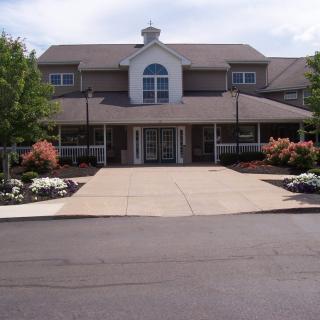
College Greene Senior Apartments
$718 to $830 / month24.3 miles away -
from +$84 / mo
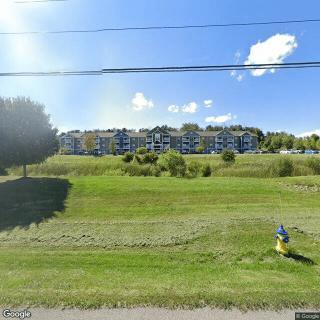
The Gardens
$819 / month11.4 miles away -
from -$135 / mo
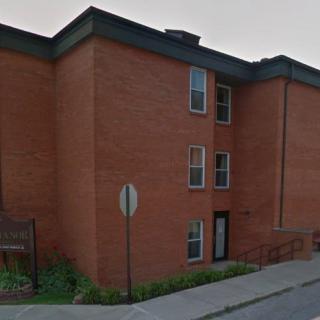
Lyons Manor
$600 / month19.4 miles away -
from -$105 / mo

Morgan Estates Senior Apartments
$630 / month24.6 miles away
Overall Review of Farmington Gardens
Pros
 The property is upstanding, and the manager is helpful, hardworking, and caring.
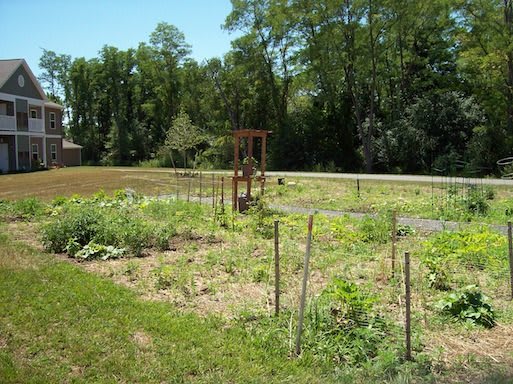
- The grounds are impeccably maintained, and the residents are friendly.
- There are enjoyable activities for residents, including birthday celebrations and bingo.
- The location is great and the community seems like a good fit.
- The facility is clean, new, and secure, with strong safety features and a peaceful, quiet environment, plus many activities to participate in.
Cons
 The upkeep and maintenance of the complex are very poor, with frequent excuses about budget.
- The trash rooms are disgusting, and there was an outbreak of maggots in the community room.
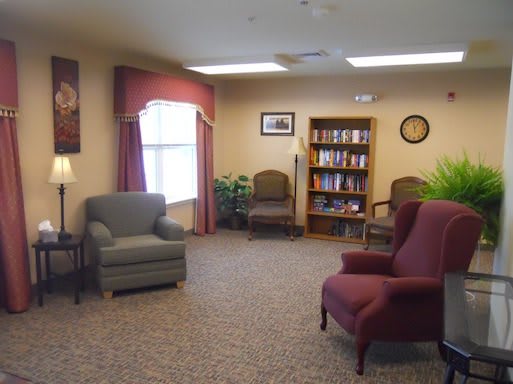
- The community room and laundry room have no central air, and it’s been out for two and a half seasons.
- The office staff are unprofessional in their dressing.
- The public restrooms are a disgrace.
- The thermostat is locked and cannot be raised above 75 degrees, with heating on a timer, leaving it cold.
- There have been incidents involving fleas and possibly termites.
- Time Warner service is inaccessible; residents cannot access the provider or watch TV with an antenna.
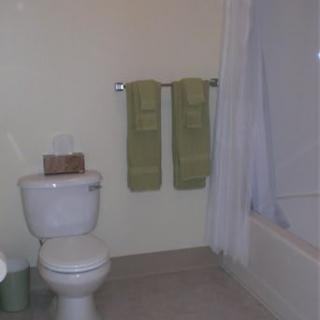
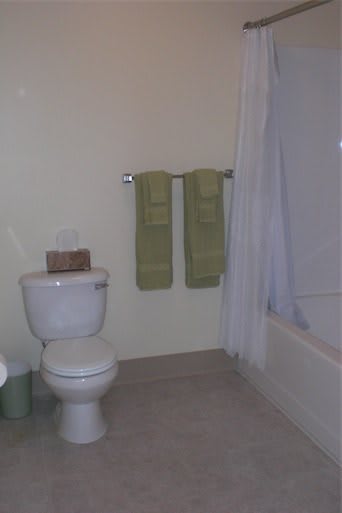
- The tub is very narrow and high, making entering/exiting and bathing difficult.
- Smokers must smoke in a dark, cold gazebo.
- There is little staff on site, only an office and a maintenance person.
- The reviewer would not recommend living there.
Review
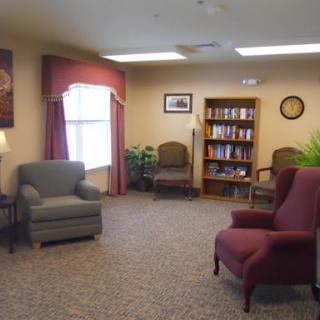
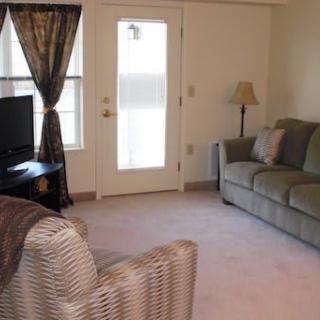
Farmington Gardens is best suited for independent seniors who prize a secure, quiet 55+ apartment setting with built‑in social life. The 88‑unit facility emphasizes safety features, night locking, and a calm, low‑stress environment that appeals to residents who want peace of mind alongside simple daily routines. Its location adds practical value for errands, appointments, and nearby services, and those who enjoy organized activities, like bingo and birthday celebrations, will find reasons to stay engaged. The combination of a compact footprint and a friendly, resident-driven vibe makes it a sensible choice for someone who wants companionship without a sprawling campus.
That said, this property may not be the right fit for anyone needing hands‑on care, robust on‑site staffing, or the latest conveniences. Several reviewers flag inconsistent upkeep and maintenance responsiveness, suggesting a culture of “we’re working on it” rather than a proactive, well‑funded upkeep program. Opinions about staff reliability are mixed, with some noting unprofessional presentation and limited staffing beyond an office and maintenance person. For residents who rely on administrative support or expect a consistently refreshed environment, Farmington Gardens presents notable risk of disappointment.
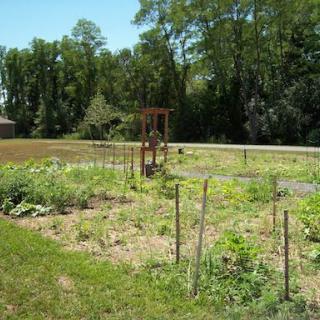
Where the community shines, the positives shape a clear offset against the drawbacks. Grounds are described as impeccably kept and the overall atmosphere as friendly and neighborly. The manager is repeatedly praised for being helpful, hardworking, and caring, and the living environment emphasizes safety and security with peaceful interiors. Residents have access to a range of activities, and the building’s compact layout supports easy social interaction. In a setting where quiet, order, and predictable routines matter, these strengths can deliver meaningful daily value.
The core drawbacks, however, are meaningful enough to affect everyday life. Upkeep and maintenance are cited as poor, with repeated excuses about budgets and progress. Sanitation issues surface in trash rooms, public restrooms, and even a maggot incident in the community room, which undermines comfort and trust in the shared spaces. HVAC reliability is inconsistent, with the community area lacking central air and individual comforts hampered by a locked thermostat that limits temperature control. Pest concerns (fleas, potential termites), limited TV access for some providers, a narrow tub that complicates bathing, and a smoking policy that forces residents to use a cold outdoor gazebo all contribute to a sense that the infrastructure is aging more than it should be for a purpose‑built independent living setting.
For families weighing options, the decision hinges on priorities. If independence, security, social opportunity, and a tidy campus near essential amenities are the top criteria, and a willingness to live with maintenance variability is acceptable, Farmington Gardens can be a practical, affordable fit. If, instead, reliable on‑site management, consistently clean common areas, fully updated facilities, and responsive maintenance are must‑haves, alternative communities deserve serious consideration. Prospective residents should press management on recent repair timelines, concrete plans for aging infrastructure, HVAC access, pest control history, and the level of on‑site staffing before committing.
In the end, Farmington Gardens delivers a tangible sense of safety, neighborliness, and manageable independence within a clean, compact setting. Its best value lies with residents who value community life and security enough to overlook ongoing upkeep gaps and older infrastructure. For those who require more robust services, more aggressive maintenance standards, or newer amenities, alternatives with stronger on‑site support and modernized facilities are likely to serve better. A thoughtful visit, clear questions about maintenance responsiveness, and candid conversations with current residents will reveal whether this community truly aligns with long‑term care goals.
 Active Adult Communities (55+)
 Cats allowed
 Dogs allowed
 Activities on-site
 Greater Rochester International (19 miles away)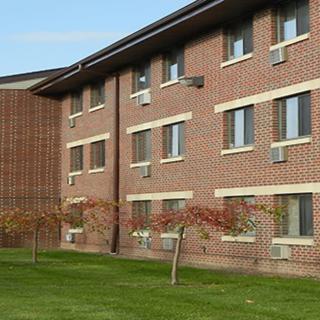



 Recognizing the Journey: Understanding and Navigating Anticipatory Grief
 Encouraging Participation in Adult Day Care: A Guide to Supporting a Hesitant Parent
 Comprehensive Exploration of Living Wills and Other Advance Directives