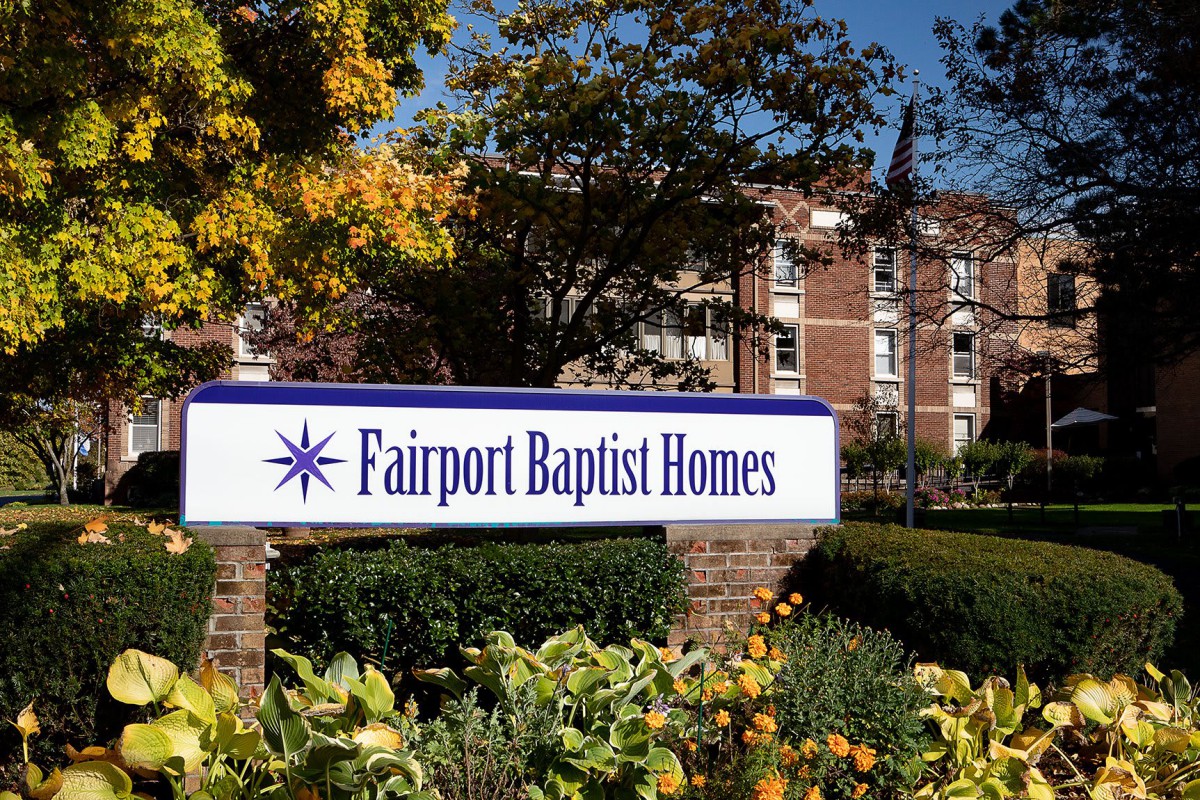
Assisted Living at Fairport Baptist Homes

Save
Assisted Living at Fairport Baptist Homes

Assisted Living at Fairport Baptist Homes

4646 Nine Mile Point Rd, Fairport, NY 14450

For more information about senior living options: (844) 490-3973

3.5 from 36 reviews
5 stars
15
4 stars
8
3 stars
3
2 stars
0
1 stars
10

Assisted Living

Assisted Living at Fairport Baptist Homes Costs & Pricing

At Fairport Baptist Homes, the cost for a one-bedroom unit in their Assisted Living program is $5,053 per month. This rate reflects the facility's commitment to providing comprehensive care and a supportive environment tailored to individual needs. In comparison, the average assisted living cost in Wayne County is significantly lower at $2,932, while New York State sees an average of $4,307 per month. The higher pricing at Fairport Baptist Homes can be attributed to its unique offerings and specialized services that enhance residents' quality of life, making it essential for potential residents and their families to weigh these benefits against regional costs as they consider their options.

Floor plansAssisted Living at Fairport Baptist HomesWayne CountyNew York
1 Bedroom$5,053$2,932$4,307

Overall Review of Assisted Living at Fairport Baptist Homes

Pros

  • pro One reviewer called it a decent place.
  • pro One reviewer described it as a very nice facility.
  • pro Another reviewer said it's a very nice place, noting visits to several residents were always a pleasure and a good experience.
  • pro A reviewer noted clean rooms, clean residents, and kind, super attentive staff.
  • pro A reviewer described it as a fantastic place with great staff, noting everyone is very patient and you never feel alone.
  • pro Another reviewer, whose mother worked there and whose father was a resident, recommended the Fairport Baptist Home nursing home.

Cons

  • pro The day-to-day care was horrible.
  • pro Staff were so short-staffed that family had to feed the resident themselves.
  • pro The resident lost over 50 pounds and became dehydrated during the stay.
  • pro The patient was sent to the hospital with a completely compacted colon, dehydration, and pneumonia due to alleged neglect.
  • pro Elderly residents called out for help for over 30 minutes with no one responding.
  • pro The facility allegedly lied and falsified documentation when the state was alerted.
  • pro A family member's mother fell out of bed at night with injuries and sepsis due to neglect, and wore the same diaper for 11 hours.
  • pro A nurse was described as abusive and was reported to the state.
  • pro Nursing leadership allegedly falsified documentation, with claims of name changes exposed by a TV crew.
  • pro A resident went seven days without a doctor visit, CT scan, or an X-ray.
  • pro The staff humiliated and shamed the family for asking questions about care.
  • pro Since changes in ownership, care declined and there is a staff shortage.
  • pro It could take up to an hour for an aide to assist a resident with going to the bathroom.
  • pro The facility did not return phone calls or respond to messages from families.
  • pro The facility is no longer the same and is described as no longer a wonderful place.
  • pro Do not send your loved ones here; the workers do not care about the people.

Review

A murky picture emerges around this Fairport facility, with families painting a picture of care that ranged from disheartening neglect to occasional pockets of warmth and competence. One reviewer describes a long, painful process of trying to care for a loved one who was supposed to be receiving rehabilitation, only to find that day-to-day care fell far short of what was needed. The writer moved to Fairport Baptist Home for rehabilitation last August and immediately confronted troubling conditions: a first visit where the patient had fallen, hit his head, suffered a swollen lip and wrists, and where staff seemed nearly impossible to locate for an hour. The patient was reportedly left "covered in extrament" and wearing a white T-shirt stained with dried urine up to the armpits. The scale of the disarray set the tone for what followed, as the family discovered they had to assume essential caregiving tasks that should have been handled by qualified staff.

From there, the daily routine described by the reviewer grew more distressing. The facility's staff were said to expect patients to feed themselves, even when the patient needed full assistance. One family member claimed they had to feed their father because the facility was short-staffed and "didn't have the time." The reviewer went on to detail a hands-on caregiving role - giving sponge baths, dressing in clean clothes, washing laundry (where even labeled items could be stolen), taking the patient to the bathroom, and ensuring a meal was consumed during visits that lasted about three hours a day. The patient reportedly lost more than 50 pounds and became dehydrated over a three-week period under the facility's care, ultimately being transferred to Highland Hospital with a completely impacted colon, dehydration, and pneumonia believed to result from aspiration of meals. The reviewer casts this sequence as negligence that had serious consequences for the patient's health and longevity.

Billing and communication problems further compounded the distress. The same family describes receiving bills for the care at Fairport Baptist and launching inquiries about an investigation into the care. They report repeatedly having to track down staff on the floor - "there were never on the floor" to assist - and observing elderly residents calling out for help for as long as 30 minutes without a response. The family says monthly calls to the billing department were met with the claim that care was under investigation, and by April they were told the social worker no longer worked there and that the billing person might be leaving as well. Messages to the building's manager reportedly went unanswered. The reviewer concludes with a plea not to send loved ones to the facility, followed by the grief of losing a father a year later and the enduring anger and sadness about the care he had received in his final days.

A second thread of accusations shifts the focus to more sensational allegations of abuse, falsified documentation, and systemic neglect. The writer recounts claims that the nursing home lied and falsified records when authorities were alerted. A separate account details a mother who reportedly fell out of bed on a Sunday night shift, suffering two black eyes, a broken wrist, bruised ribs, and sepsis due to neglect and failure to attend to toileting needs - padded by the assertion that the mother remained in a soiled diaper for 11 hours. The piece identifies a nurse named Aaliyah Walker as abusive and reports that this nurse had been reported to the state. The writer accuses the leadership - head of nursing, nursing supervisor, and director of nursing - of falsifying documentation in response to on-site media coverage, referencing a WHEC Channel 10 crew and another "name change." The mother allegedly went seven days without a doctor's oversight, a CT scan, or an X-ray, with the family saying the staff humiliated them for questioning the care. In this account, neglect, cover-ups, and intimidation framed the family's experience, and they describe a pattern of declining care after a change in ownership, alongside persistent concerns about staffing shortages and delayed assistance with basic needs like bathroom trips.

The changes following ownership are presented as a clear pivot in the facility's culture. The reviewer notes that since the ownership change, care has "declined for residents" and that staffing shortages have become even more evident - anxiety among visiting family members grows when it can take up to an hour for an aide to assist a resident to the bathroom. The recurring theme is not just individual incidents but an institutional climate that appears marked by understaffing, delayed responses, and insufficient oversight, especially during night shifts. The review emphasizes the impact of such conditions on patient health and dignity and cautions families to be vigilant about how care is delivered, particularly during transitions in leadership.

Interspersed with these harrowing accounts are more mixed, sometimes even glowing, assessments of the facility. A single paragraph simply states "Decent place," while another asserts that the place is "Very nice facility!" and that staff are "kind and super attentive," with patients and residents described as clean and well cared for. Others recount positive family histories: a patient's parent who lived there earlier in the 2010s or 2010s, a relative who worked in payroll or as director of human resources, and a resident who reportedly had a favorable experience in the years before the ownership change. One reviewer describes the facility as "clean rooms, clean residents, kind and super attentive staff," while another celebrates "fantastic place" with a staff that is patient and makes residents feel seen. In one family's narrative, the facility is cited as a recommended place during the years when it was known as Fairport Baptist Home, suggesting a stark contrast in experiences across time and leadership.

Another layer of the conversation concerns the credibility and tone of online reviews themselves. A reviewer points to a glowing post by someone named Amber Pata, who identifies as an administrator at the nursing home, arguing against taking that particular review at face value and noting that it has been reported multiple times to Google. The text frames this as part of an ongoing debate about the facility's reputation, especially around the transitional period when it shifted from Fairport Baptist Home to Fairport Nursing and Rehab Rehabilitation, with some reviewers claiming the latter is a for-profit operation and that the change correlated with a decline in care quality. This juxtaposition - strong, sometimes contradictory personal stories and a public dialogue about management and ownership - underscores the complexity families face when evaluating long-term care options.

Taken together, the collection of experiences paints a conflicted portrait of a single facility through the eyes of multiple families. On one hand, some residents and visitors describe clean environments, attentive staff, and positive, supportive interactions that remind readers of what decent care can look like. On the other hand, a number of accounts depict alarming lapses in care, neglect, delayed responses to urgent needs, and serious health consequences that members of families attribute to inadequate staffing and possible misdocumentation. The narratives include explicit allegations of abuse, neglect, and cover-ups, alongside warnings to prospective families to proceed with extreme caution and to seek thorough, ongoing verification of how residents are treated. This spectrum of experiences highlights the essential reality that the quality of care in long-term facilities can vary widely, even within the same location, and it underscores the critical importance of vigilant advocacy, clear communication with staff, and proactive oversight by families and authorities alike.

Features

Types of Care

  • Assisted Living Assisted LivingAssisted living facilities provide crucial support and care for seniors who may need help with daily tasks such as medication management, bathing, and meal preparation. These communities offer a safe and comfortable environment where seniors can maintain their independence while receiving the assistance they need to thrive in their golden years.

Pets

  • Cats allowed Cats allowed"Pet friendly" senior living communities are important for seniors because pets provide companionship, reduce feelings of loneliness and depression, promote physical activity and mental stimulation, and offer a sense of purpose and responsibility. Pets can improve overall well-being and quality of life for seniors in many ways.

Amenities

  • Activities on-site Activities on-siteActivities on-site are important for seniors because they provide opportunities for socialization, mental stimulation, physical activity, and overall well-being. Engaging in activities can help seniors stay active, maintain their independence, and improve their quality of life.
  • Devotional services off-site Devotional services off-siteDevotional services off-site are important for seniors as they provide spiritual nourishment, social engagement, and a sense of community outside of the senior living facility. This can enhance overall well-being and help combat feelings of isolation and loneliness often experienced by older adults.
  • Indoor common areas Indoor common areasIndoor common areas are crucial for seniors as they provide a space for socialization, recreation, and community engagement, promoting overall well-being and reducing feelings of isolation and loneliness.

Transportation

  • Greater Rochester International (12 miles away) Greater Rochester International (12 miles away)

Care Services

  • Ambulatory care Ambulatory care"Ambulatory care services provide essential medical support and treatment to seniors without requiring hospitalization, allowing them to maintain their independence and quality of life while managing chronic conditions or receiving routine medical care."
  • Diabetic care Diabetic careDiabetic care is crucial for seniors as they are more susceptible to developing diabetes due to aging and other health conditions. Proper management of diabetes can help prevent complications such as heart disease, vision loss, and nerve damage, improving the overall quality of life for seniors in senior living communities.

Dining

  • Meals provided Meals provided"Meals provided" are crucial for seniors in assisted living communities as it ensures they have access to nutritious, balanced meals without the stress of meal planning and preparation. This can help promote overall health and well-being for seniors who may have limited mobility or cognitive abilities.

Activities

  • Activities on-site Activities on-siteActivities on-site are important for seniors because they provide opportunities for socialization, mental stimulation, physical activity, and overall well-being. Engaging in activities can help seniors stay active, maintain their independence, and improve their quality of life.
  • Devotional activities offsite Devotional activities offsiteDevotional activities offsite are important for seniors because they provide social engagement, spiritual growth, and a sense of community outside of their living environment. This can improve overall well-being, mental health, and combat feelings of isolation or loneliness.

Description

Fairport Baptist Homes in Fairport, NY is an exceptional assisted living community that offers a serene and supportive environment for seniors. Residents can enjoy various amenities and activities that aim to enhance their overall well-being.

The community understands the importance of spiritual life, offering devotional services off-site to cater to residents' diverse religious preferences. These services provide a chance for seniors to connect with their faith and find solace in a peaceful setting.

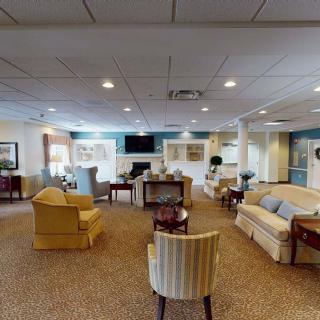
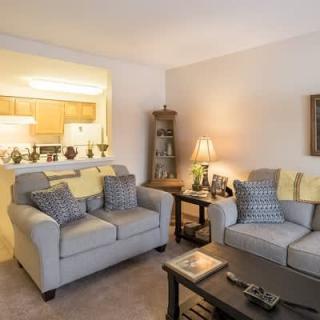
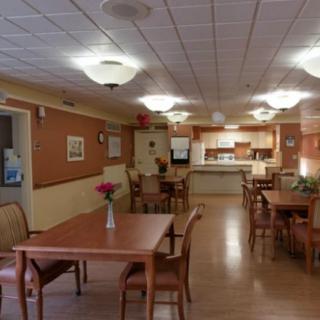
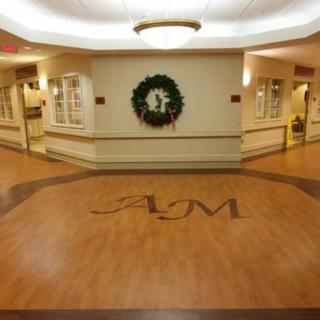
Indoor common areas are available for residents to socialize, engage in recreational activities, or simply relax. These spaces foster a sense of community and encourage friendships among residents.

At Fairport Baptist Homes, diabetic care is provided by trained staff who prioritize the health and wellbeing of each resident. This specialized care ensures that individuals with diabetes receive appropriate attention, support, and monitoring.

Residents can also participate in devotional activities offsite if desired. These outings allow seniors to explore different places of worship or join faith-based events in the surrounding neighborhood.

Located nearby are three cafes where residents can meet friends or family members for a cup of coffee or a bite to eat. There are also four parks nearby which provide opportunities for outdoor recreation and leisurely strolls amid picturesque surroundings.

With ten pharmacies nearby, accessing necessary medications is convenient for residents at any time. Additionally, there are 16 physicians located close by, ensuring prompt medical attention whenever needed.

Food enthusiasts will appreciate the proximity of 13 restaurants near Fairport Baptist Homes. Whether residents prefer fine dining or casual meals with friends, they have plenty of options within reach for satisfying culinary experiences.

Should transportation be required, there is reliable transportation service available nearby, facilitating easy access to medical appointments or social outings.

Overall, Fairport Baptist Homes offers an enriching assisted living experience infused with compassion and dedication to each resident's needs. With its array of amenities and convenient access to various facilities and services in the area, this community strives to provide an enjoyable and fulfilling lifestyle for seniors.

Nearby Places of Interest

Located in Fairport, New York, this neighborhood offers a variety of amenities and services that cater to senior living. With a selection of restaurants such as Donnelly's Public House and Original Steve's Diner nearby, residents can enjoy a range of dining options. Additionally, there are several parks in the area including Fellows Road Park and Perinton Park for leisurely strolls and outdoor activities. For healthcare needs, there are pharmacies like CVS Pharmacy and Walgreens, as well as medical facilities such as Penfield Pediatrics and Clinical Renal Group within close proximity. Transportation options are also easily accessible with Enterprise Rent-A-Car nearby. As for entertainment, seniors can catch a movie at Regal Cinemas Eastview Mall 13 or AMC Webster 12 theaters. Overall, this part of Fairport offers a convenient and vibrant community for older adults looking to settle down in a comfortable and well-equipped neighborhood.

Restaurants

  • Donnelly's Public House (0.6 miles)
  • Original Steve's Diner (0.9 miles)
  • Jeremiah's Tavern (1.2 miles)
  • McDonald's (1.4 miles)
  • Perlo's Restaurant (2.4 miles)
  • Wendy's (2.6 miles)
  • Applebee's (2.7 miles)

Parks

  • Fellows Road Park (0.7 miles)
  • Perinton Park (1 miles)
  • Edmund Lyon Park (2.3 miles)
  • Great Embankment Park (3.5 miles)
  • Tryon Park (6.3 miles)
  • French Road School Playground (6.5 miles)
  • Bullis Park (6.6 miles)

Pharmacies

  • CVS Pharmacy (1.3 miles)
  • Wegmans (1.4 miles)
  • Walgreens (1.5 miles)
  • Wegmans (2.3 miles)
  • Wegmans (2.7 miles)
  • Walgreens (2.8 miles)
  • Walgreens (3.1 miles)

Physicians

  • Eyesite (1.5 miles)
  • Penfield Pediatrics (1.5 miles)
  • Penfield OB/GYN (1.5 miles)
  • Clinical Renal Group (2.4 miles)
  • Crosskeys Internal Medicine (2.7 miles)
  • Fairport Pediatrics (2.7 miles)
  • Ruckert Eric DDS (2.8 miles)

Cafes

  • Starbucks (2.7 miles)
  • Neutral Ground Coffeehouse (3.9 miles)
  • Tree Town Cafe (4.4 miles)
  • Starbucks (6.4 miles)
  • New City Cafe (7.5 miles)

Transportation

  • Enterprise Rent-A-Car (3.4 miles)

Theaters

  • Regal Cinemas Eastview Mall 13 (5.9 miles)
  • AMC Webster 12 (6.9 miles)

Hospitals

  • United Cerbral Palsey (7.4 miles)

Frequently Asked Questions

How much does it cost to live at Assisted Living at Fairport Baptist Homes in Fairport, NY?
Where is Assisted Living at Fairport Baptist Homes?
Does Assisted Living at Fairport Baptist Homes allow residents to have pets?

Nearby Communities

Related Resources

  • independent living vs assisted livingExploring the Path to Senior Living: A Comprehensive Look at Independent Living and Assisted Living

    The article examines senior housing options, detailing the distinctions between independent living and assisted living, along with the emerging "independent assisted living" model that blends both approaches. It highlights the importance of assessing individual needs, preferences, and financial factors in making informed decisions about suitable living arrangements for seniors.

  • is assisted living tax deductibleIs Assisted Living Deductible on Your Taxes? Understanding the Complexities of Assisted Living Expenses and Deductions

    The deductibility of assisted living expenses on taxes hinges on factors like the individual's medical condition and service nature, typically requiring the resident to be "chronically ill" per IRS definitions. Taxpayers may deduct eligible medical expenses related to personal care services but generally not rent unless primarily for medical care, and they should maintain thorough documentation to support claims while considering itemizing versus standard deductions.

  • va benefits for assisted livingAssisted Living Support for Veterans: A Complete and Detailed Overview
    The guide highlights the importance of assisted living facilities for aging veterans needing daily support, discusses unique challenges they face, and outlines available financial assistance from the VA, including the Aid and Attendance program. It emphasizes understanding eligibility criteria and navigating the VA system to access necessary benefits effectively.