
54 Katherine Dr, Clifton Park, NY 12065
To contact a resident: (518) 383-2705
For more information about senior living options: (866) 208-4318
Overall Review of Bishop Hubbard Senior Housing
Pros
 They had a wonderful time with their family.
- The tenants were great.
- They received nice treatment and were well respected.
- They believe voting is awesome.
Cons
 Mismanaged daycare for adults
- Old and tired place
Review
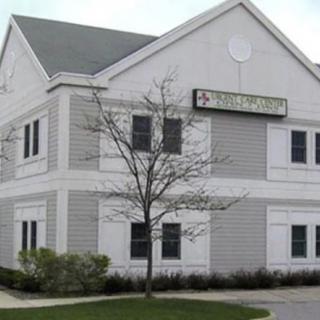
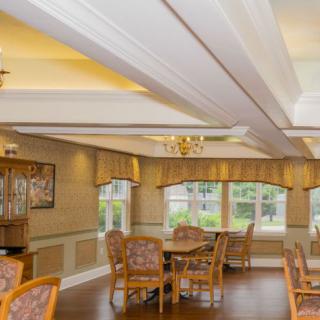
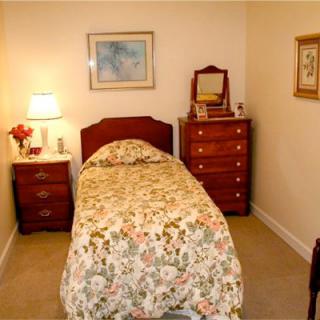
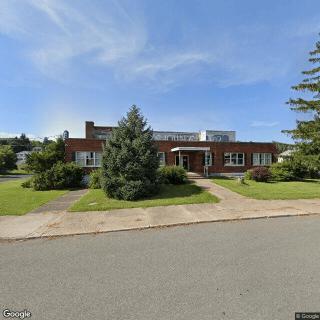
Bishop Hubbard Senior Housing in Clifton Park is best suited for independent seniors who want a low-pressure, community-driven living option where daily life centers on neighborly interaction and routine. The buildingā€™s appeal lies in affordability and a small-town, resident-focused vibe, not in shiny amenities or advanced medical oversight. For those who require regular hands-on care, memory-support services, or modern, updated facilities, this community is unlikely to meet those needs. In short, it serves as a practical, social choice for staying connected and comfortable on a modest budget, while signaling clearly that alternative layouts are worth considering for higher levels of assistance or more contemporary surroundings.
Those weighing alternatives should scrutinize options that deliver stronger caregiving programs, clearer governance, and newer interiors. If the priority is reliable daily care, consistently accessible maintenance, and up-to-date amenities, other senior communities will likely outperform Bishop Hubbard. Families seeking facilities with transparent staffing metrics, formal activity planning, and rigorous day-to-day oversight should pursue communities with documented, evidence-based care models. In addition, developments offering modern accessibility features and ongoing renovations are prudent choices for anyone prioritizing long-term value and predictability.
Pros emerge most clearly in the human side of the experience. The tenant body tends to be welcoming, creating a social fabric that makes everyday life feel manageable and warm. When staff interact with residents, the tone is respectful, and residents report appreciation for the courtesy shown by caregivers. The ability to participate in local civic life, such as polling, also underscores a sense of community integration and normalcy that matters to families evaluating living options for aging loved ones. In these respects, the atmosphere at Bishop Hubbard can deliver meaningful, everyday satisfaction that supports well-being beyond basic shelter.
The principal drawbacks run deeper than surface charm. The facility is described as old and tired, with aging interiors and maintenance realities that can dampen comfort and ease of use. A mismanaged daycare program signals that organizational oversight may be uneven, which in turn can affect programming quality, resident engagement, and safety. When building condition intersects with administrative gaps, the result is a living environment that feels fragmented rather than cohesive. For seniors who expect consistent, well-run daily routines and dependable upkeep, these factors substantially temper the experience.
The pros, resident warmth and respectful staff, partially offset the cons, but only to a point. For independent-minded seniors who prize social life, familiarity, and a sense of belonging over polish, the community can deliver a livable, reassuring home. Yet the core risk persists: aging infrastructure paired with uneven program management limits reliability and peace of mind. The most suitable residents are those who can tolerate occasional maintenance hiccups and flare-ups in programming without feeling their overall safety and comfort are compromised. For anyone needing substantial assistance or a seamlessly run environment, the balance tips toward alternatives.
Practical steps for evaluation should focus on verifiable conditions and future plans. Schedule multiple tours at different times to observe activity levels, staff responsiveness, and how maintenance issues are addressed in real time. Request detailed explanations of current renovations, anticipated upgrades, and a clear plan for day programs, including staffing ratios and supervision. Confirm the scope of care available on-site and identify triggers for referrals to external providers. If a sociable, budget-friendly community with a genuine sense of residents looking out for one another is compelling, this option can work, but pair it with a concrete comparison list of higher-care communities and a fallback plan. The verdict: Bishop Hubbard suits those prioritizing community and affordability, while those needing consistent, modernized care should look elsewhere with confidence.
 Active Adult Communities (55+)
 Albany Cty (7 miles away)
 A Closer Look at Private Pay Home Care
 Comprehensive Approaches for Arthritis: A Detailed Guide to Symptoms, Causes, and Care
 Comprehensive Insights and Practical Strategies to Help Older Adults Avoid Falls