Taos Retirement Village offers competitive pricing for its residences in comparison to the broader market. A one-bedroom unit is priced at $2,995 per month, aligning with the average rates in Taos County and significantly lower than the New Mexico state average of $4,055. The studio apartments are available for $3,150, matching local county prices while still being more affordable than the state average of $3,553. For those seeking more space, the two-bedroom options are priced at $3,195 - again consistent with the costs in Taos County and substantially lower than the state's average of $4,777. Overall, Taos Retirement Village provides an appealing value proposition for retirees looking for quality living at a reasonable cost within both their county and state context.
Floor plans
Taos Retirement Village
Taos County
New Mexico
1 Bedroom
$2,995
$2,995
$4,055
Studio
$3,150
$3,150
$3,553
2 Bedrooms
$3,195
$3,195
$4,777
Overall Review of Taos Retirement Village
common14 reviews mention this
Staff support stands out
Residents and families describe staff as responsive and genuinely supportive.
Many reviews say the staff is kind, friendly, and easy to reach, with caregivers who take time to answer questions and follow through. Several families describe strong day-to-day attention—especially in assisted living—where residents felt cared for and comfortable. A few reviewers also mention continuity and personal adjustments as needs changed, including near the end of life.
common10 reviews mention this
Dining gets repeated praise
Food quality and dining options come up often in reviews.
Multiple reviews highlight that meals are well prepared and enjoyable, with some residents describing the menu style as southwestern. Others mention regular dining options such as meals provided and the choice of eating at the bistro or in-home. While a minority note that food is mediocre or not always a personal taste, overall feedback still centers on good dining.
caveat5 reviews mention this
Rooms feel small for some
Several reviews mention limited space, including smaller rooms.
Some residents and family members describe smaller rooms or limited space, and at least one review explicitly says the rooms are small. One assisted living reviewer also notes that the unit is small, though they frame it as warm and supportive. A separate reviewer comments that the facility is older and needs upgrading, reinforcing the idea that space and condition can be a tradeoff.
common2 reviews mention this
Pricing appears competitive
At least some reviewers feel the pricing fits their range.
A reviewer who shared their monthly cost described it as affordable when factoring in utilities and medical attention. Another family member, visiting for assisted living, said the rate was close to their price range. Overall, the pricing positioning aligns with being priced below county and state benchmarks across unit types.
caveat2 reviews mention this
Mixed care staffing experiences
A couple of reviews raise concerns about staffing and communication.
While other reviews emphasize responsive care, two reviewers describe problems such as understaffing, communication lapses between shifts, and inconsistent training. One of these reviews also mentions concerns related to care needs and cleanliness for an incontinent resident, while the other highlights management-related stress and turnover. Together, these comments point to care delivery that can vary for some families.
How we summarize
Counts show how many written reviews mention each theme; a review can touch several themes, and only frequently mentioned themes are displayed.
Features
Housing
1-bedroom apartments
2-bedroom apartments
Types of Care
Assisted Living
Independent Living
Pets
Cats allowed
Dogs allowed
Amenities
Activities off-site
Activities on-site
Bath tubs
Cable or satellite TV
Devotional services off-site
Devotional services on-site
Full kitchen
Indoor common areas
Outdoor common areas
Respite or short term stays offered
Wheelchair accessible showers
Wi-Fi/high-speed internet available
Care Services
Ambulatory care
Diabetic care
High acuity care
Incontinence care
Medication management
Dining
Guest meals
International cuisine
Meals provided
Professional chef
Special dining programs
Vegetarian
Activities
Art classes
Day trips and outings
Devotional activities offsite
Devotional activities on-site
Happy hour
Light therapy programs
Live dance or theater performances
Live musical performances
Stretching classes
Visiting chaplain or priest
Yoga / chair yoga
Nearby Places of Interest
This area of Taos, New Mexico offers a variety of amenities that would be beneficial for senior living. With multiple restaurants and cafes within walking distance, there are plenty of dining options to choose from. Additionally, nearby parks provide opportunities for outdoor recreation and relaxation. Places of worship are also conveniently located for those seeking spiritual community. Access to transportation services such as Taos Aviation Services and pharmacies like Smith's Food & Drug make running errands easy. There are also several physicians and urgent care facilities in close proximity for any healthcare needs. Overall, this part of Taos provides a well-rounded and convenient environment for seniors looking to settle down in a vibrant community.
Restaurants
Great Noodles (0.1 miles)
Alley Cantina (0.1 miles)
The Lounge By Rolling Still Distillery (0.1 miles)
Taos Retirement Village offers competitive pricing for its residences in comparison to the broader market. A one-bedroom unit is priced at $2,995 per month, aligning with the average rates in Taos County and significantly lower than the New Mexico state average of $4,055. The studio apartments are available for $3,150, matching local county prices while still being more affordable than the state average of $3,553. For those seeking more space, the two-bedroom options are priced at $3,195 - again consistent with the costs in Taos County and substantially lower than the state's average of $4,777. Overall, Taos Retirement Village provides an appealing value proposition for retirees looking for quality living at a reasonable cost within both their county and state context.
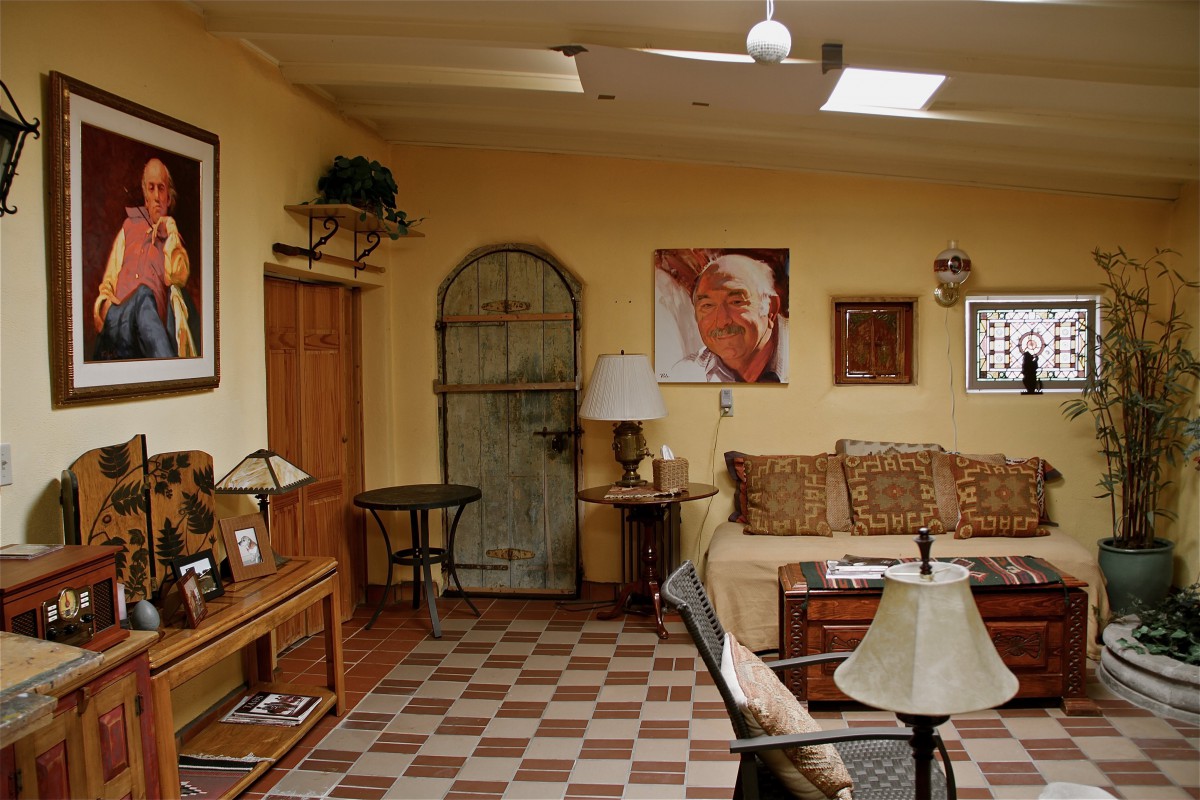
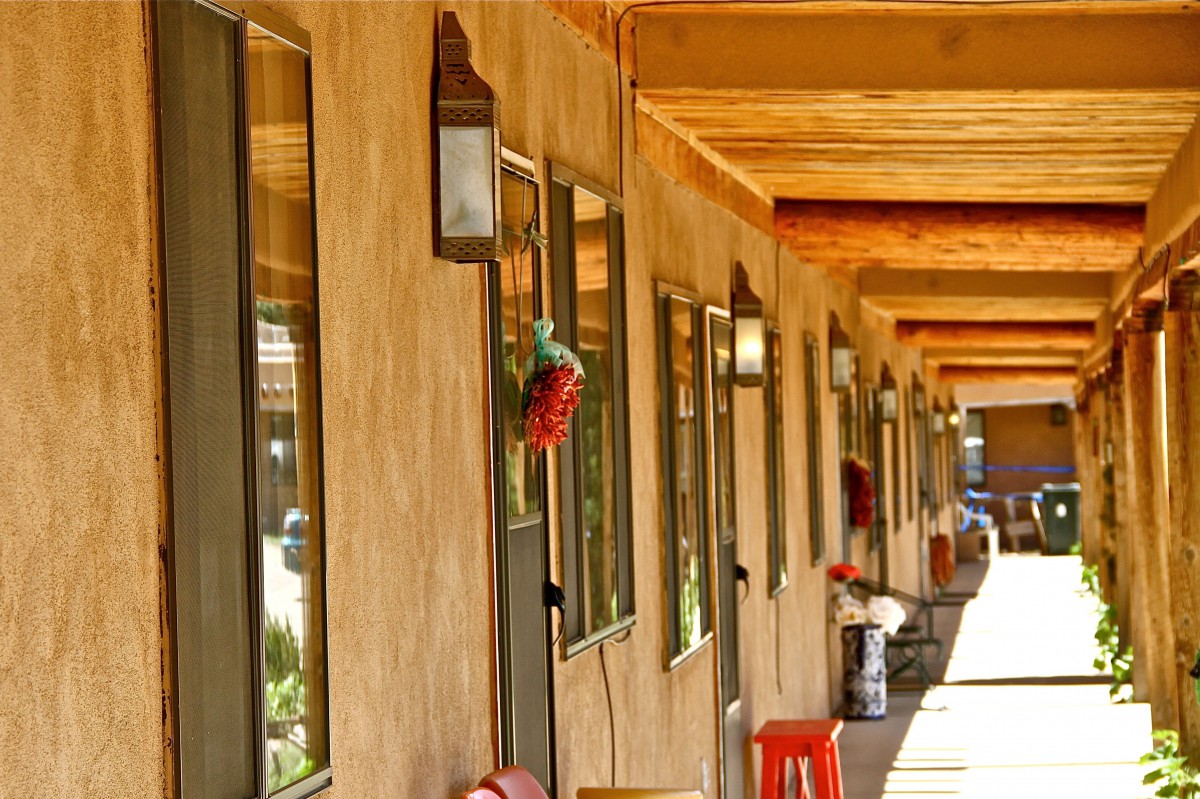
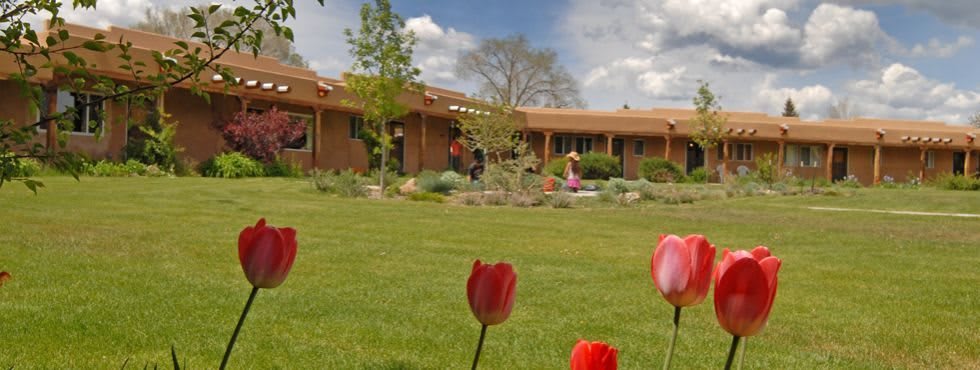
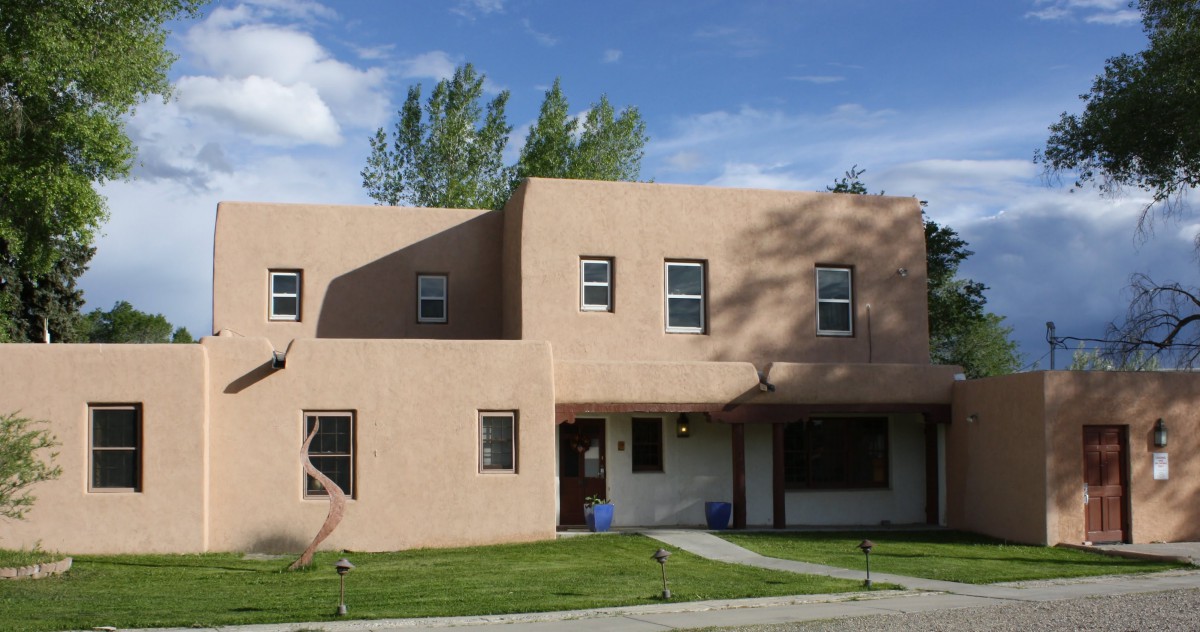
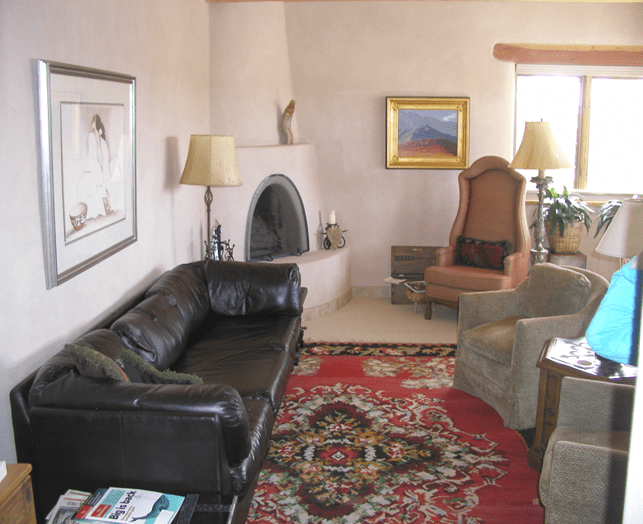
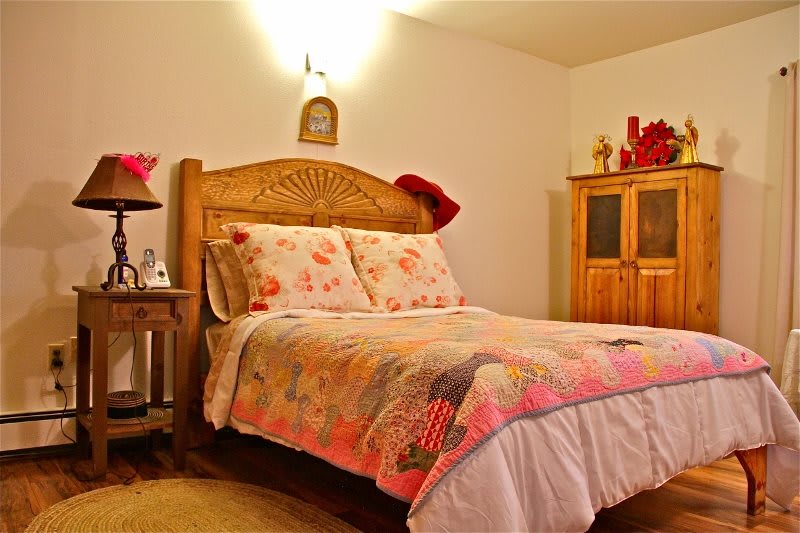
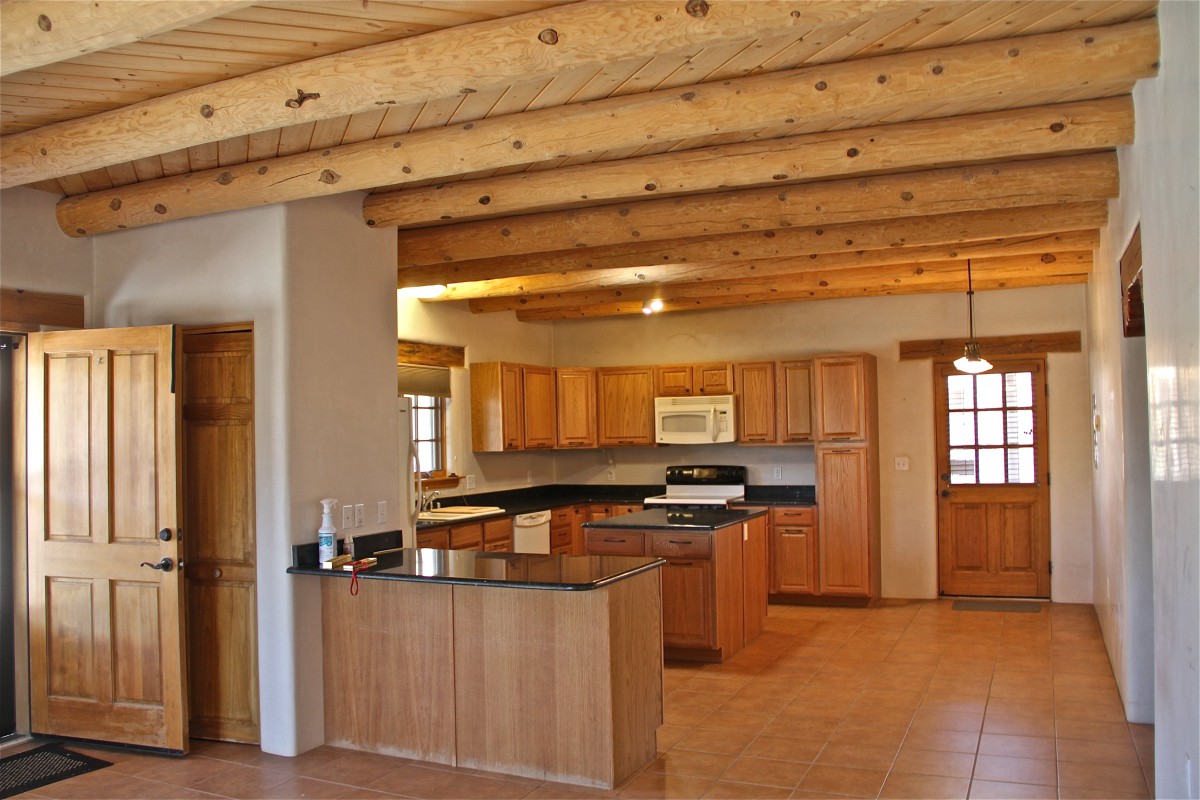
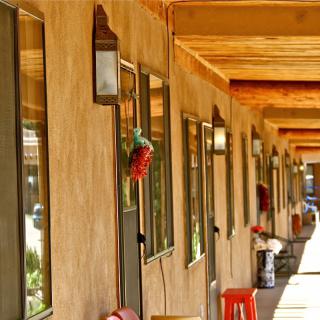
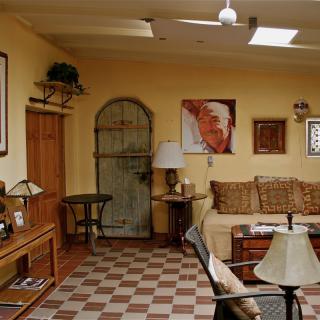
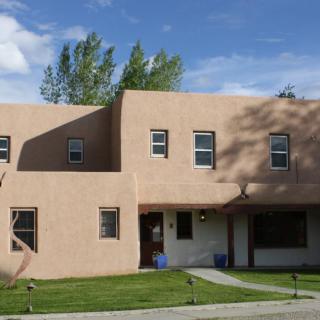
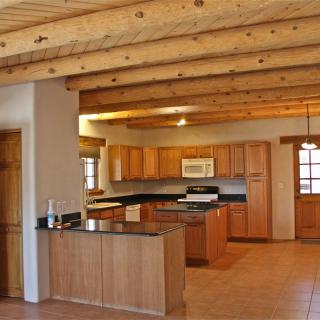
Taos Retirement Village on seniors.fyi includes 15 photos including images showing interior, architecture, living room, decor, kitchen, outdoors, landscaping, dining, and more.
Nearby Communities
Taos Living Center
Taos, NM
4.1 from 86 reviews
Engaging activities, good dining, and handy on-site amenities.
Assisted living communities offer diverse activities beyond traditional games to enhance seniors' physical health, cognitive well-being, emotional enrichment, and social connections, including fitness classes, creative expression, and intergenerational interactions. These enriching programs foster community bonds and support residents' independence and happiness.
The article differentiates between assisted living and memory care, explaining that assisted living supports seniors with daily activities while promoting independence, whereas memory care provides specialized services for individuals with dementia, focusing on secure environments and cognitive support. It also addresses staff training, safety considerations, costs, family involvement, and transition strategies for families navigating these care options.
Family caregivers face emotional, legal, and practical challenges when elderly parents refuse assisted living, often due to fears of losing autonomy. Open conversations and professional assessments can help address these concerns while exploring alternatives and ensuring safety, potentially leading to legal guardianship if necessary.
Get PricingAsk A QuestionSchedule A TourContact Senior Advisor
By clicking submit, you agree to our Partner's Terms of Use. You
also consent to receive calls and texts, which may be autodialed, from our Partner. Your consent is not a condition to
using our Partner's service. Please visit our Partner's Privacy Policy for information about their privacy practices.








 1-bedroom apartments
 Assisted Living
 Independent Living
 Cats allowed
 Dogs allowed
 Activities off-site
 Bath tubs
 Cable or satellite TV
 Devotional services off-site
 Full kitchen
 Indoor common areas
 Outdoor common areas
 Respite or short term stays offered
 Wheelchair accessible showers
 Wi-Fi/high-speed internet available
 Ambulatory care
 Diabetic care
 High acuity care
 Incontinence care
 Medication management
 Guest meals
 Art classes
 Day trips and outings
 Happy hour
 Light therapy programs
 Live dance or theater performances
 Live musical performances
 Stretching classes
 Visiting chaplain or priest
 Engaging activities, good dining, and handy on-site amenities.
 Beyond the Bingo Hall: 50+ Enriching Activities for Seniors in Assisted Living
 Understanding the Distinctions: Assisted Living and Memory Care Explained
 Guiding Elderly Parents Who Refuse Assisted Living: 6 Practical Steps