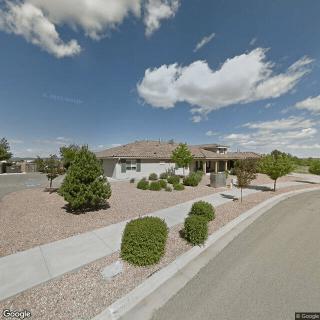
1011 Sombrillo Court, Los Alamos, NM 87544
For more information about senior living options: (866) 208-4318
Overall Review of Sombrillo Nursing & Rehabilitation Center
Pros
 Monica’s assistance and regular updates on my mother’s wellbeing were invaluable, demonstrating professionalism and kindness.
- Ashley, the case worker, was very helpful and always offered professional assistance.
- The staff were friendly and helpful.
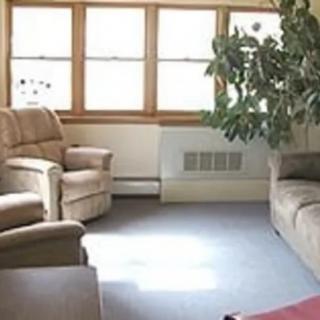
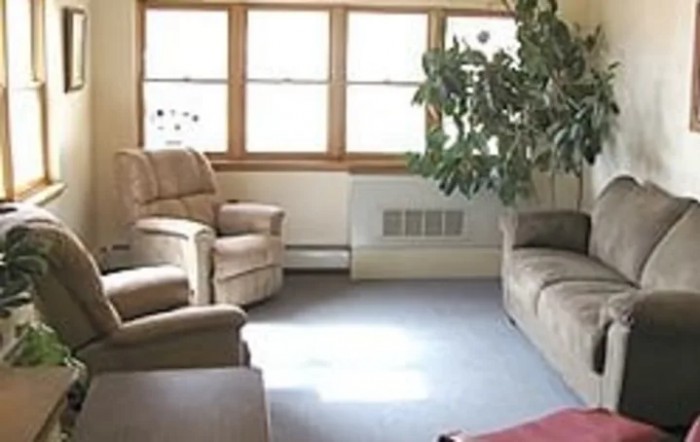
- The facility is kept clean.
- The PT/OT therapists were very good.
- Rachel was very pleasant and helped with what was needed; she is a bright spot at Sombrillo.
Cons
 The center failed to meet the care standards for the father-in-law.
- There is hardly anyone available to take calls.
- The facility is constantly understaffed, with too many patients per nurse, and frequent leadership changes.
- The facility is terrible; a friend looked like a Holocaust victim after a short stay.
- The staff are overworked and burned out due to understaffing.
- A parent sustained severe injuries during their stay and required another surgery, with food being horrible and the parent becoming malnourished, dehydrated, bruised, and developing bedsores.
- Medication was delivered late, the facility did not accommodate food allergies, and a patient had not received a shower after nearly a week.
- The director was rude, many nursing staff were incompetent, and families should not send their loved ones there.
Review
Sombrillo Nursing & Rehabilitation Center in Los Alamos is best suited for seniors who need rehabilitation and mobility support and who can rely on a steady, engaged care team with active family oversight. The facility shows real strength in its clean, orderly environment and in rehabilitation services delivered by capable PT/OT staff. For residents who can leverage consistent therapy progress and practical updates from frontline workers, Sombrillo can be a workable post-acute option. The presence of dependable aides and some clear, professional communication from a few staff members adds value that matters when recovering from surgery or a serious setback. In short, this site works best when the resident’s needs are skewed toward rehabilitation with a reasonable expectation of daily assistance and a family or advocate who remains actively involved to monitor care.
However, this is not a facility for those with high-acuity medical needs or for families unwilling or unable to commit to vigilant oversight. The feedback consistently highlights severe staffing shortages, with too many patients per nurse and insufficient coverage across shifts. Leadership turnover compounds the problem, producing inconsistent directions and gaps in accountability. These structural issues translate into slow call-backs, delayed routine care, and, in the most troubling reports, injuries or worsening conditions that occur when supervision lapses. For any resident whose safety hinges on reliable nursing presence, the risk profile at Sombrillo is simply too high. Alternatives with stronger nursing coverage and steadier administration should be considered for families prioritizing predictable, round-the-clock care.
On balance, the positive elements, friendly frontline staff, a well-kept facility, and effective therapists, do provide meaningful value, especially when therapy goals can be advanced with regular, hands-on treatment. Monitored updates from Monica and practical, proactive help from Ashley stand out as proof that dedicated staff can make meaningful differences in a resident’s day. The therapy program, in particular, offers tangible benefits and can help maintain or regain independence when implemented consistently. Yet these advantages are not universally available. When shifts are thinly staffed, the same therapists and aides struggle to maintain momentum, and moment-to-moment needs, like assistance with transfers or timely medication administration, can fall through the cracks. The contrast between occasional bright spots and frequent care gaps is stark.
The central fault line is unmistakable: staffing stability and leadership continuity. The most common and worrisome concerns revolve around under-resourcing and inconsistent supervision. Delays in medications, delayed showers, and insufficient bedside care create a climate where even excellent therapists cannot fully offset daily risks. Reports of inadequate nutrition, dehydration, and incidents requiring hospital readmission point to systemic gaps that extend beyond individual shifts. When directors come and go and when frontline teams bear the brunt of staffing shortages, accountability frays and families are left guessing about who is in charge and whether meaningful care plans are being followed. It is not just about warmth or kindness; it is about reliable systems that consistently deliver essential care without forcing families to micromanage.
To navigate a decision with confidence, prospective residents should spend time observing staffing patterns during typical care hours and speaking with a range of personnel, nurses, aides, therapists, and administrators. Inquire directly about medication delivery timelines, meal accommodations for allergies, and the facility’s approach to daily personal care tasks like mobility assistance and restroom help. Request a current care plan and recent progress notes, and ask how therapy goals align with daily routines. If possible, time visits to when the building is at capacity and observe how staff manage urgent requests. Prepare a plan for ongoing, structured communication with a designated family liaison who can escalate issues promptly. Compare with nearby options to ensure that the chosen facility can deliver reliable care, consistent leadership, and a staffing model that prioritizes resident safety alongside rehabilitation outcomes.
In sum, Sombrillo offers credible rehab capability, cleanliness, and pockets of dependable staff interaction, but persistent staffing instability and care gaps undermine overall safety and predictability. The best-fit resident is one who needs skilled rehabilitation and mobility support and who benefits from active family oversight to ensure daily needs are met. For individuals with complex nursing needs or for families seeking consistent, high-touch nursing care and steady administration, exploring alternatives is prudent. The facility’s strengths should be acknowledged, yet they must be weighed against repeated warnings about late medications, uneven assistance, and troubling reports of care lapses. Families evaluating options in Northern New Mexico should demand transparent staffing metrics, leadership stability, and a safety-focused culture that translates into reliable daily care. Proceed with caution, using thorough tours and candid conversations to determine whether Sombrillo can deliver the balance of therapy, safety, and accountability required for the resident’s circumstances.
 21 resident community capacity
 Assisted Living
 Skilled Nursing Facility
 Beauty salon
 Cable or satellite TV
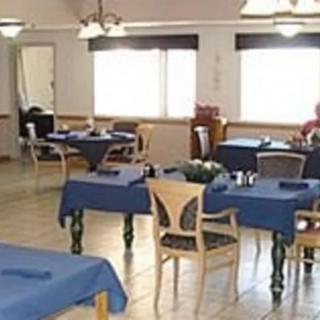
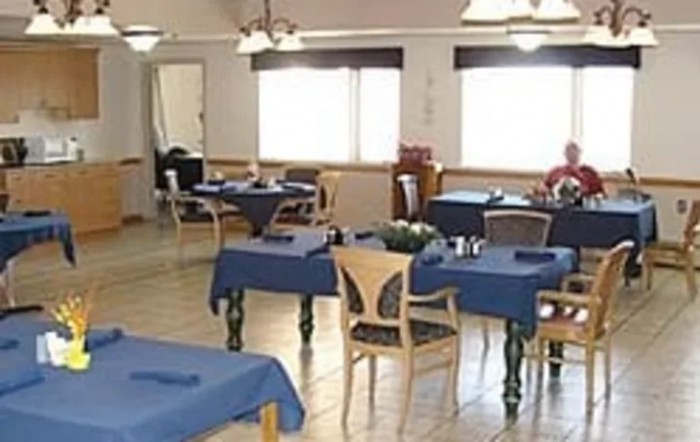
 Dining room
 Fully furnished
 Garden
 Housekeeping services
 Kitchenette
 Move-in coordination
 Outdoor space
 Telephone
 Wi-Fi/high-speed internet available
 Santa Fe Municipal (22 miles away)
 24-hour call system
 Activities of daily living assistance
 Assistance with bathing
 Assistance with dressing
 Assistance with transfers
 Diabetes diet
 Meal preparation and service
 Medication management
 Mental wellness program
 Special dietary restrictions
 Transportation arrangement (medical)
 Transportation to doctors appointments





 Comprehensive Insights into Activities of Daily Living (ADLs) and Their Assessment
 Medicare Coverage for Assisted Living: An In-Depth Exploration
 Choosing the Right Senior Care: A Detailed Exploration of Assisted Living and Nursing Homes