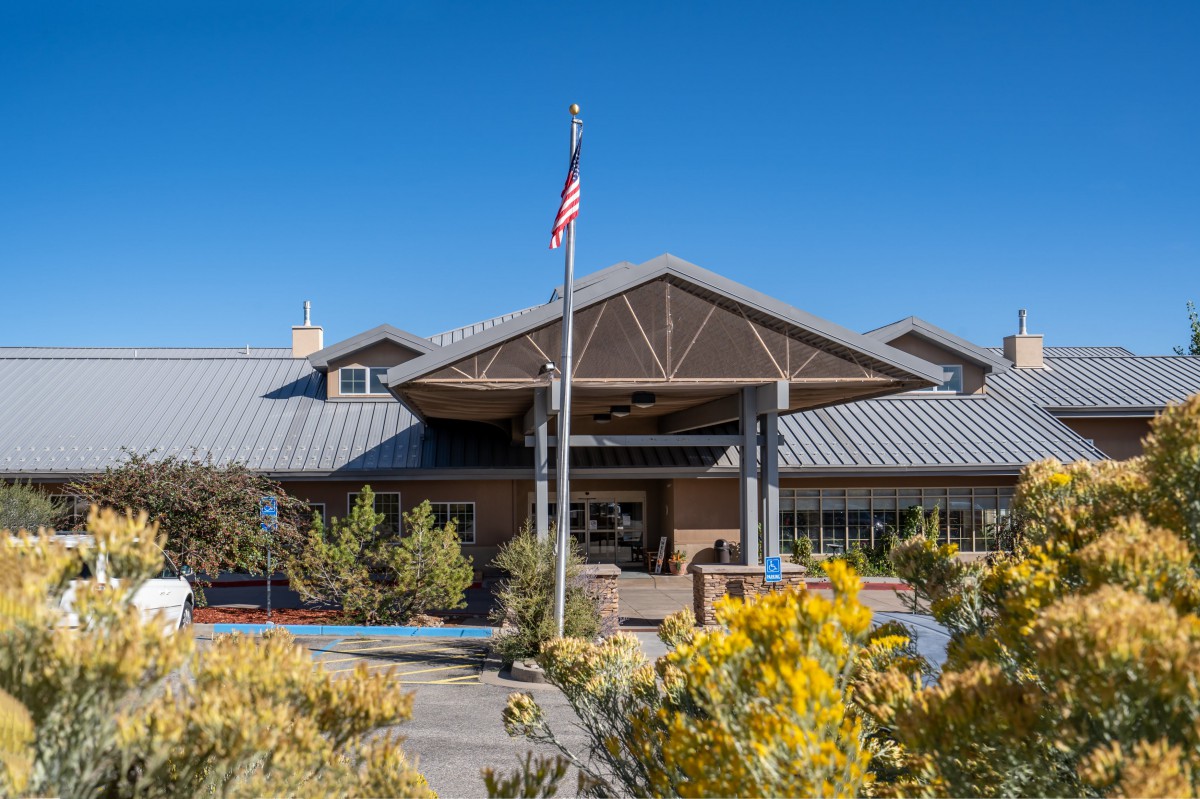
1010 Sombrillo Ct, Los Alamos, NM 87544
To contact a resident: (505) 661-0066
For more information about senior living options: (866) 208-4318
Aspen Ridge Lodge Costs & Pricing
Aspen Ridge Lodge presents a range of pricing that, while higher than both Sandoval County and the broader New Mexico average, reflects its unique offerings and amenities. For instance, the cost for a studio at Aspen Ridge Lodge is $4,485 per month, considerably above the county's rate of $3,566 and the state's average of $3,553. The disparity becomes more pronounced with one-bedroom accommodations, which are priced at $5,587 compared to Sandoval County's $3,878 and New Mexico's $4,055. As room sizes increase to two bedrooms and semi-private options, Aspen Ridge Lodge maintains this trend: two-bedroom units come in at $6,322 against $5,097 for the county and $4,777 for the state, while semi-private arrangements peak at $7,950 versus much lower averages of $3,802 in Sandoval County and $3,324 statewide. Overall, these figures suggest that Aspen Ridge Lodge positions itself as a premium option within its market segment.
| Floor plans | Aspen Ridge Lodge | Sandoval County | New Mexico |
|---|---|---|---|
| Studio | $4,485 | $3,566 | $3,553 |
| 1 Bedroom | $5,587 | $3,878 | $4,055 |
| 2 Bedrooms | $6,322 | $5,097 | $4,777 |
| Semi-Private | $7,950 | $3,802 | $3,324 |
Memory care communities with a similar price nearby
-
from +$165 / mo
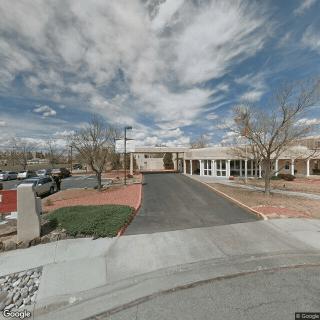
Kingston Residence Of Santa Fe
$4,650 to $5,110 / month22.9 miles away -
About the same
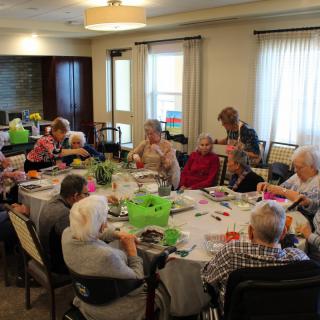
The Legacy at Santa Fe
$4,500 to $10,595 / month20.6 miles away
Overall Review of Aspen Ridge Lodge
Pros
 The facility is staffed with caring, beautiful people.
- The admitting staff worked to make things happen.
- The director was very helpful in exploring potential options.
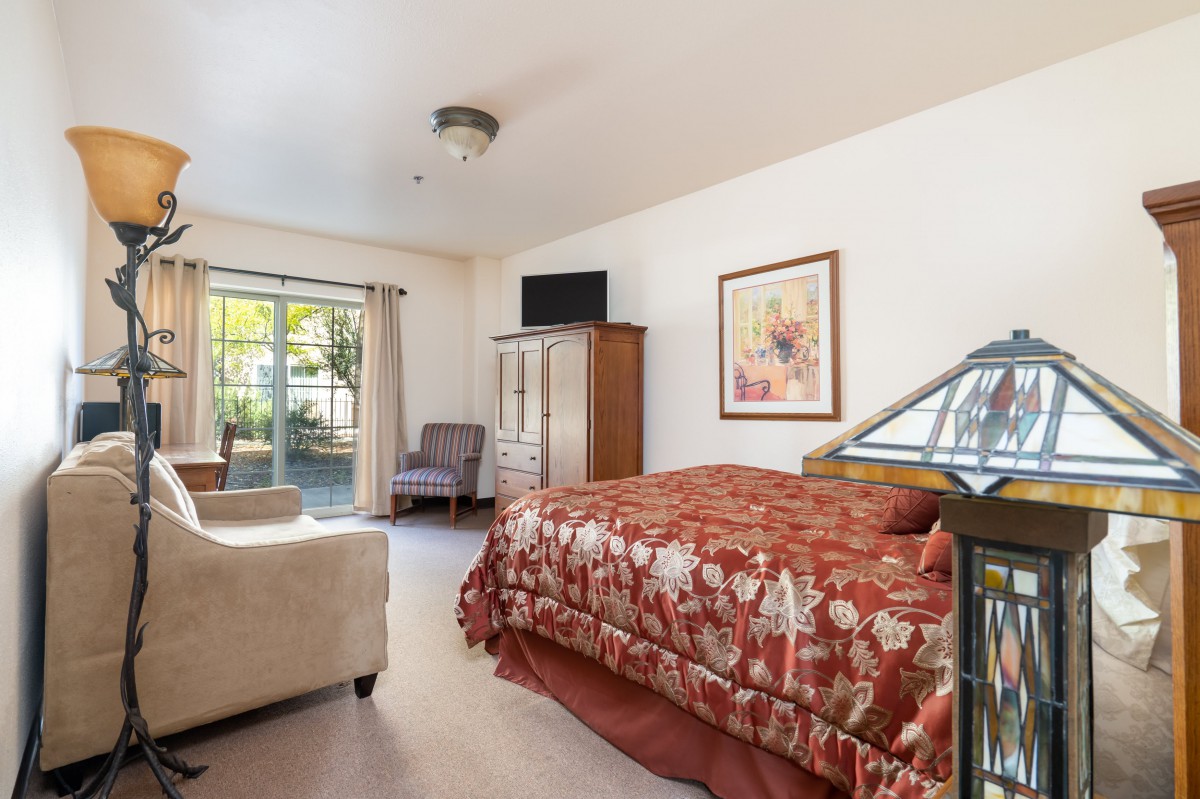
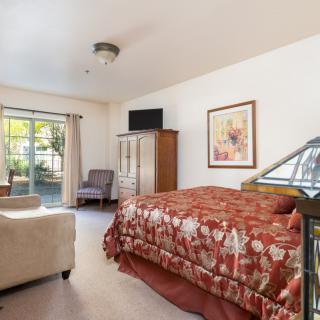
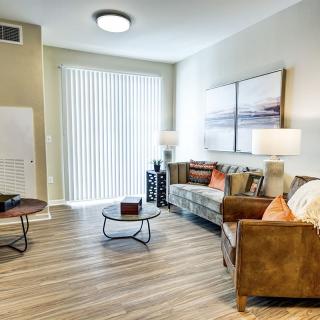
- The rooms are hotel-sized and very adequate.
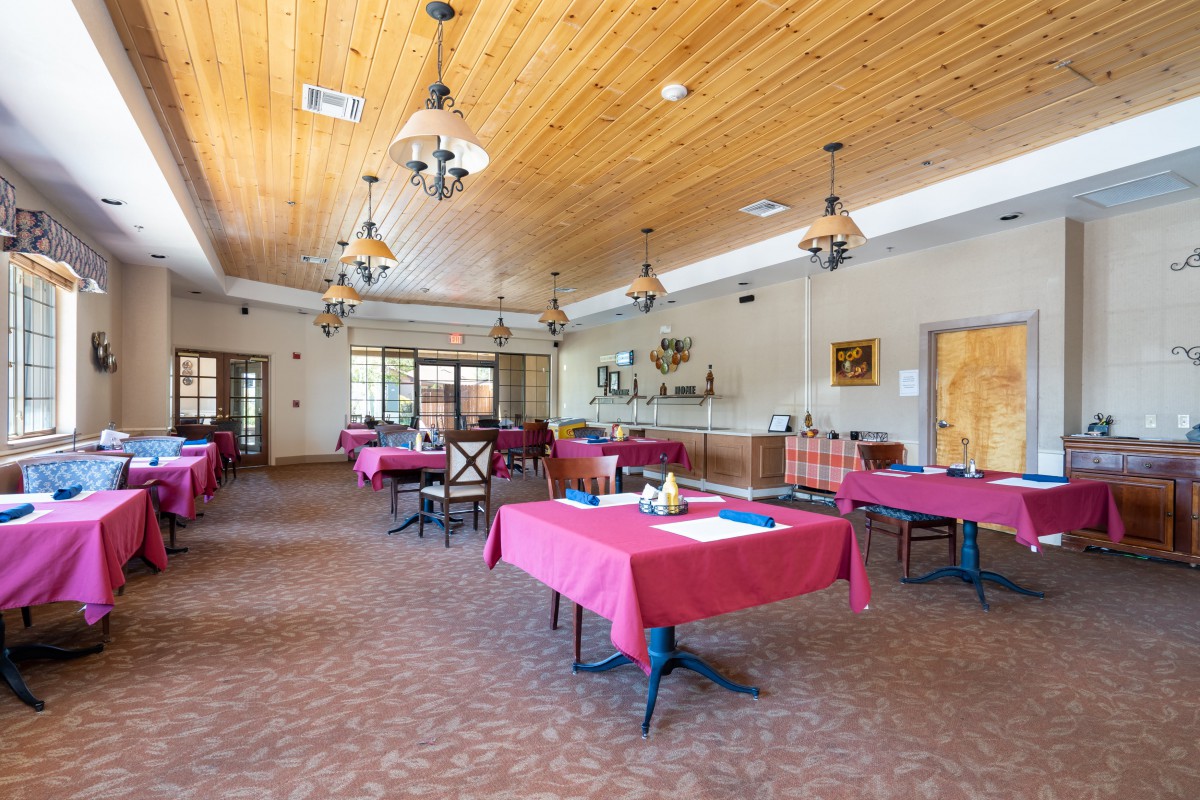
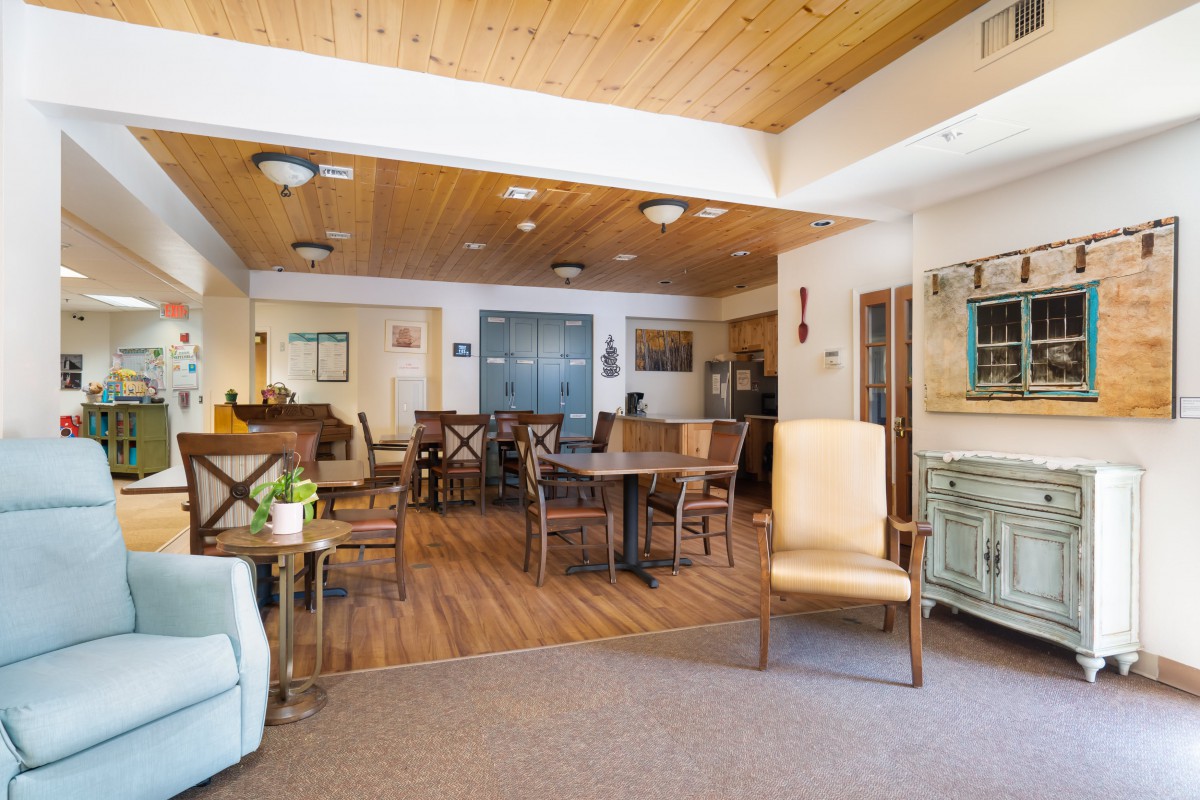
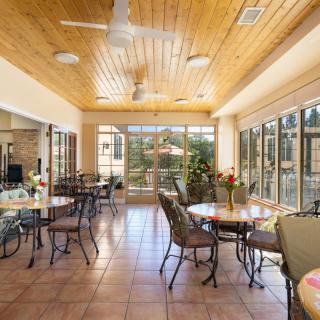
- The dining area seemed very nice.
- The atmosphere is open and friendly.
- There are many activities such as movies, games, and socials.
- The climate of the place is warm and homey.
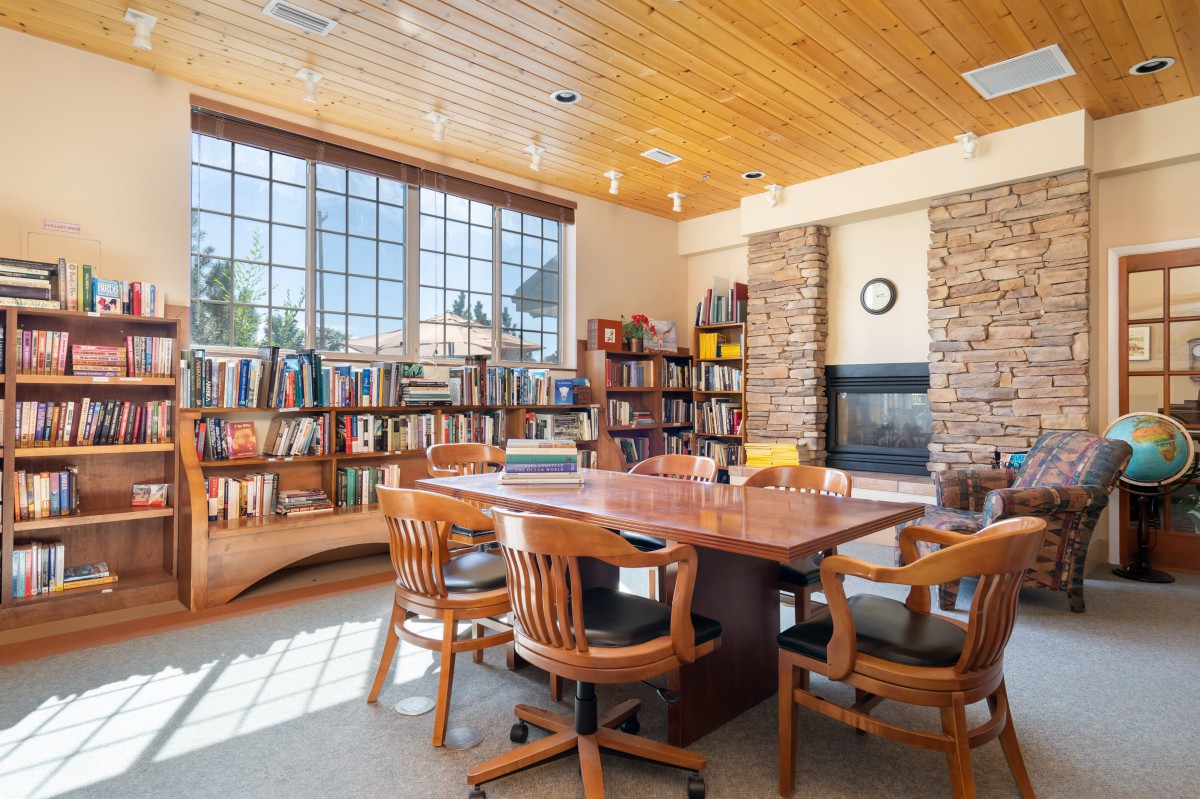
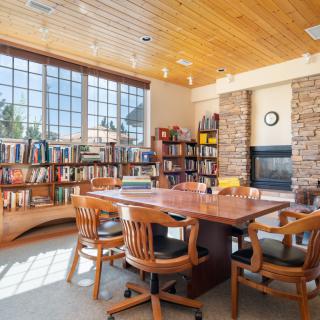
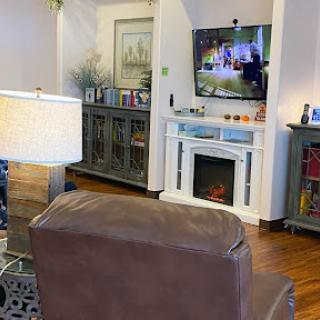
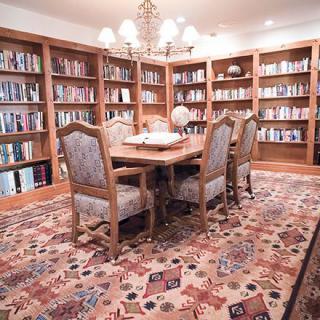
- It has a cozy fireplace and a beautiful library.
Cons
 The facility's administration changed from nonprofit to for-profit within weeks of the moms arriving.
- Following the change, communication about billing and requests to fix heating and cooling in the moms' rooms was extremely poor.
- Bills consistently required corrections from the facility.
- The facility failed to address ongoing challenges.
- Families were scrambling to relocate their loved ones elsewhere.
- A new company took over and laid off most of the staff.
- Prices were increased by 10%.
- The new ownership attempted to move assisted-living/memory-care residents into skilled nursing, citing liability concerns.
- Aspen Ridge Lodge was somewhat dated compared with the other facility.
Review
Aspen Ridge Lodge in Los Alamos is best suited for families that prioritize a warm, home-like atmosphere, a manageable, walkable layout, and close, ongoing interaction with staff, especially when proximity to a family member’s home is a key factor. This community shines for residents who value personal connections, a friendly dining environment, and straightforward daily life within a smaller setting. It is less ideal for families needing absolute financial predictability, governance stability, or robust, problem-free operations over the long haul. In short, this is a good fit for those who can tolerate governance flux and occasional operational hiccups while cherishing a heartfelt staff and a cozy, neighborly vibe.
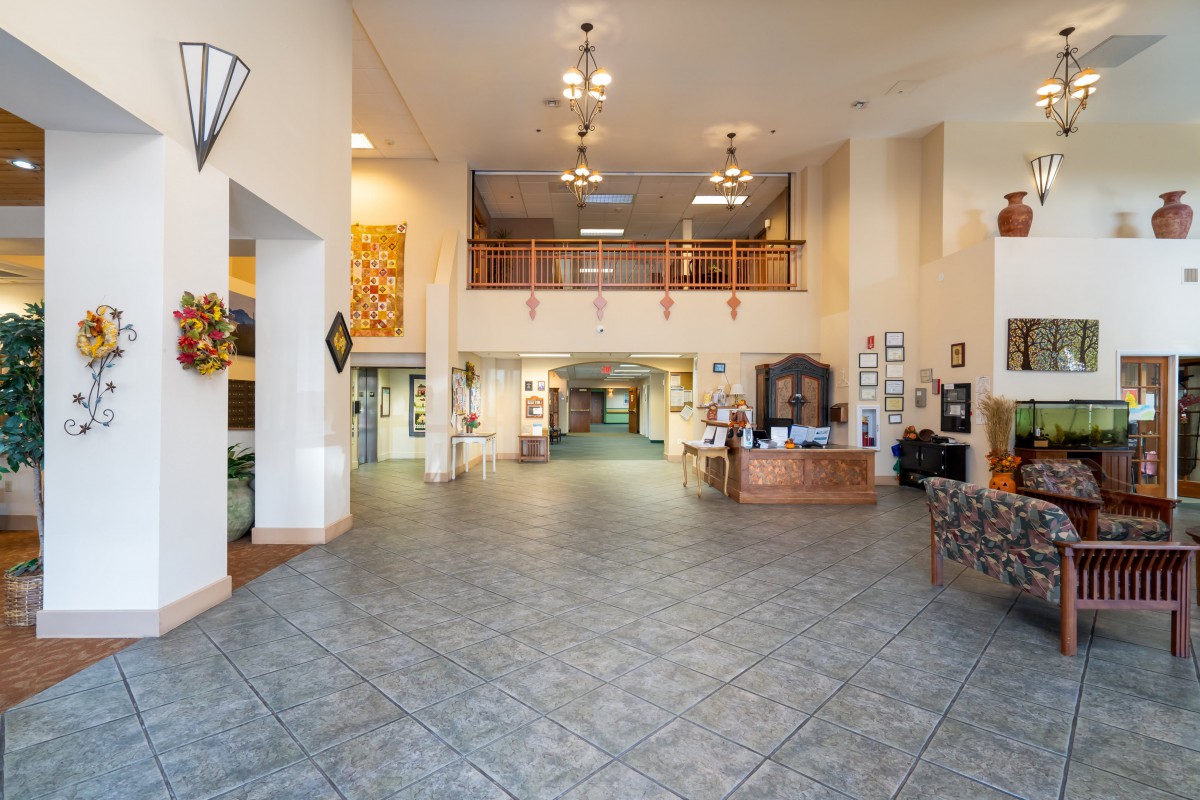
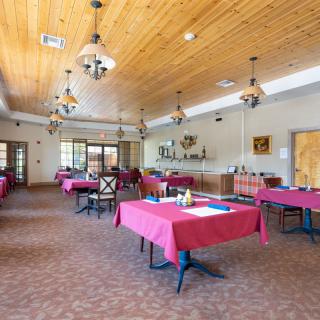
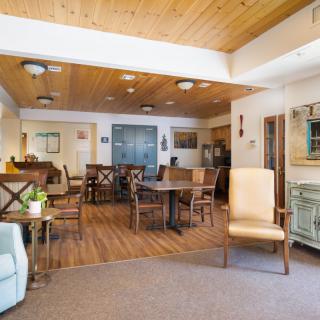
The strongest positives center on people and ambience. The staff are described as caring and attentive, with admissions personnel who work to align options for residents. Residents frequently note a warm, open atmosphere, clean and approachable common areas, and rooms that feel hotel-sized without being expansive or daunting. The dining area is well-regarded, and the facility offers a range of activities, movies, games, and social events, that help neighbors stay engaged. The smaller, intimate scale gives a sense of control and familiarity; for some families, this makes daily life more predictable and less overwhelming than larger campuses.
Yet the most consequential drawbacks are operational and financial. A fundamental shift occurred when the administration moved from nonprofit to for-profit status, and those changes have not been seamless. Communication around billing and service requests deteriorated, with frequent billing corrections and a perception that basic facility issues, like heating and cooling, were not addressed promptly. That disruption erodes trust, particularly for families relying on clear financial terms and dependable maintenance, and it clashes with the otherwise positive day-to-day experience.
These cons do not vanish because the staff are kind or the rooms are comfortable. The adverse effects of governance changes, staff reductions under new ownership, price increases, and a push to move assisted-living/memory-care residents toward skilled nursing, directly threaten continuity of care and overall value. Even with a regulated staffing ratio, the perception of instability and higher costs can overshadow the genuine warmth and personal attention residents receive. In practice, the facility’s older infrastructure compounds the risk: aging spaces can require more maintenance and may not match the expectations of families who compare to newer or better-funded communities.
Given these dynamics, families should explicitly weigh the likelihood of continued administrative volatility against their goals. Those who require predictable budgeting, transparent billing, and confidence that staffing levels will be maintained without rate spikes may want to explore alternatives. Options to compare include larger, more established communities with a proven track record in governance and financial stability, or other local facilities known for consistent communication and robust maintenance. In any choice, demand current staffing profiles, a detailed price schedule, and a clear plan for handling repairs and climate control, without surprises.
Ultimately, Aspen Ridge Lodge offers a compelling blend of warmth, comfort, and social engagement for the right resident. It works best as a transitional or nearby option for families who can monitor ongoing changes and who place a premium on personal connections and a homelike setting. For long-term memory-care needs, or for those prioritizing unwavering financial predictability and stable administration, it is prudent to look elsewhere. The decision hinges on whether the heart-and-hospitality quotient can weather governance shifts and price volatility without compromising essential care and reliability.
 Assisted Living
 Memory Care
 Activities on-site
 Devotional services off-site
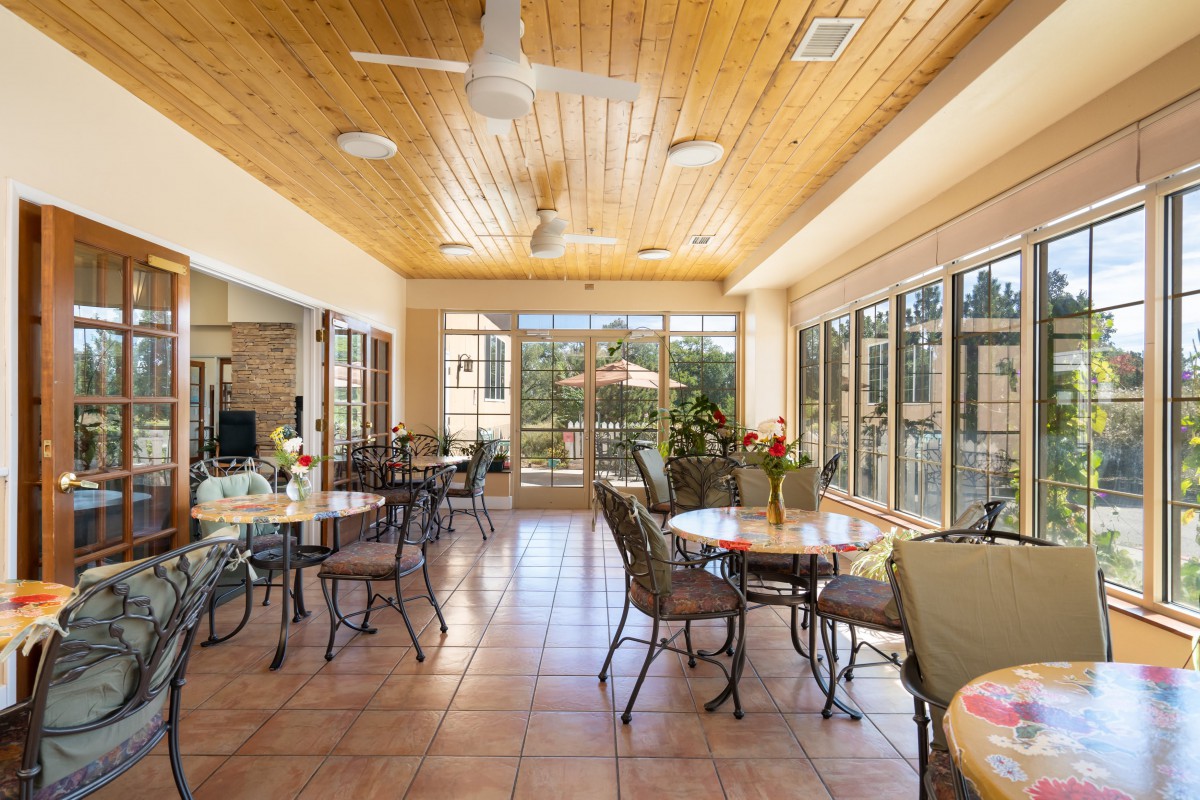
 Indoor common areas
 Santa Fe Municipal (21 miles away)
 Ambulatory care
 Diabetic care
 Meals provided

 A Holistic Dementia Care Guide: Effective Strategies for Memory Support
 Memory Care Pathways: A Holistic Guide to Dementia Support
 Comprehending Evening Confusion in Dementia: Causes, Manifestations, and Support