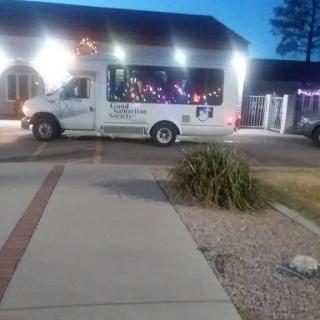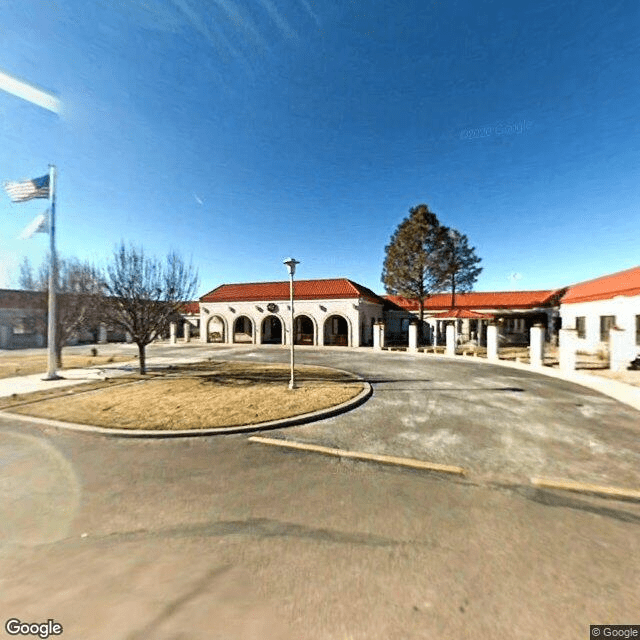
Grants Good Samaritan Ctr

Save
Grants Good Samaritan Ctr

Grants Good Samaritan Ctr

840 Lobo Canyon Rd, Grants, NM 87020

For more information about senior living options: (844) 490-3973

3.1 from 18 reviews
5 stars
9
4 stars
0
3 stars
1
2 stars
0
1 stars
8

Assisted Living

Overall Review of Grants Good Samaritan Ctr

Pros

  • pro The staff at Good Samaritan of Grants are caring and very knowledgeable.
  • pro They treat their residents like family with much love and dignity.
  • pro The new administrator is very caring and understanding of all his staff.
  • pro Good Sam is wonderful.
  • pro There is new administration with a growing, caring staff.

Cons

  • pro The facility is described as a joke and fails to meet basic care standards.
  • pro The staff did not provide the care they are paid for, contributing to a resident's death.
  • pro The administration is poorly managed, with significant understaffing and neglectful care.
  • pro The on-call staff are disrespectful, often refusing to identify themselves and hanging up on callers.
  • pro The facility is vastly understaffed for its patient load, resulting in abusive and neglectful care.
  • pro Residents have been left untreated and unattended, sometimes deteriorating as a result.
  • pro The overall experience is described as awful and neglectful by family members.

Review

Good Samaritan of Grants has drawn a wide and volatile spectrum of opinions from families and visitors, with stories that range from sharply critical to warmly supportive. On one end, several reviewers allege severe care problems, mismanagement, and outright neglect, while others sing praises about new leadership, improved staffing, and a culture of care. The contrast is striking and reflective of an institution that seems to be in a period of transition and fluctuation, with experiences very much dependent on who is on duty and which shift a family encounters.

A cluster of reviews centers on grave concerns about care quality and responsiveness. One account describes a family member who was admitted from a doctor's order, who did not receive the care required for a patient in need, culminating in the family member's death. In this narrative, communication is also a problem: a phone call seeking information about the patient's well-being was met with disrespect from an employee who refused to provide her name and only offered a curt "GOOD DAY." The reviewer stresses that such interactions reflect a broader pattern of understaffing and neglect, and they urge others not to leave loved ones in the facility. The accusation of understaffing is strengthened by language that the facility is "vastly understaffed for the number of patients" and that the level of care borders on abusive and neglectful.

Other posts amplify these concerns with more specific, day-to-day frustrations. Several reviewers describe being hung up on during calls, with one person noting they had been calling since 9 a.m. in an attempt to check on their father's condition. There are also troubling anecdotes about observed behavior: a claim that nurses were seen "just hanging out behind the desk" rather than tending to patients, and a parent's account of a grandmother who was left in a corner facing a wall, unable to speak, and not being cared for or changed despite reporting the situation. When this was followed by an immediate complaint, the account notes that nothing was done to address the neglect. Taken together, these posts paint a picture of inconsistent care and insufficient oversight, at least in certain moments and departments.

Against this grain of criticism, other voices offer a markedly different experience, pointing to a reorganization and renewed commitment to residents. A number of supporters emphasize "out with the old, in with the new" and describe a new administrator who is "very caring and understanding of all his staff." They praise the presence of new staff who are "very certified and caring," highlighting open communication, teamwork, and a culture where staff listen and work together across departments. These reviewers use positive language like "hard workers," "great team," and even phrases such as "moving forward" to describe perceived improvements in management and staffing, as well as a renewed focus on resident well-being.

Further endorsements concentrate on the compassionate nature of the staff and the family-like atmosphere that some families feel during their visits. One account simply states that the staff are "caring and very knowledgeable," treating residents "like family with much love and dignity" and invoking blessings on their mission. Another emphasizes the sense of family and ongoing growth under new administration, using phrases like "like family," "new administration," and "caring staff" to convey confidence in the facility's direction. A separate positive note asserts that the staff are "caring," "knowledgeable," and that the residents are treated with love and dignity.

Taken as a whole, the collection of voices reveals a facility in flux, where experiences diverge sharply depending on time, location, and leadership presence on any given day. Some residents' families feel the care is plagued by understaffing and neglect, including distressing incidents they witnessed or heard about and troubling interactions with staff. Others describe proactive leadership, refreshed staffing, better communication, and a nurturing, family-like environment that makes them believe the facility has turned a corner. The repeated theme of "out with the old, in with the new" signals a belief among some that management changes are underway and bearing fruit, even as other reviewers insist that serious problems persist.

For readers and potential families considering Good Samaritan of Grants, these accounts underscore the importance of visiting the facility, observing current staffing patterns, and speaking directly with administrators and frontline staff. The testimonials reflect a facility navigating change, with some families reporting meaningful improvements and others continuing to experience or observe neglect and communication breakdowns. The reality on the ground appears to be a mix of cautionary experiences and hopeful progress, suggesting that ongoing evaluation is crucial for anyone weighing this facility for a loved one.

Features

Types of Care

  • Assisted Living Assisted LivingAssisted living facilities provide crucial support and care for seniors who may need help with daily tasks such as medication management, bathing, and meal preparation. These communities offer a safe and comfortable environment where seniors can maintain their independence while receiving the assistance they need to thrive in their golden years.

Amenities

  • Activities on-site Activities on-siteActivities on-site are important for seniors because they provide opportunities for socialization, mental stimulation, physical activity, and overall well-being. Engaging in activities can help seniors stay active, maintain their independence, and improve their quality of life.
  • Devotional services off-site Devotional services off-siteDevotional services off-site are important for seniors as they provide spiritual nourishment, social engagement, and a sense of community outside of the senior living facility. This can enhance overall well-being and help combat feelings of isolation and loneliness often experienced by older adults.
  • Indoor common areas Indoor common areasIndoor common areas are crucial for seniors as they provide a space for socialization, recreation, and community engagement, promoting overall well-being and reducing feelings of isolation and loneliness.

Care Services

  • Ambulatory care Ambulatory care"Ambulatory care services provide essential medical support and treatment to seniors without requiring hospitalization, allowing them to maintain their independence and quality of life while managing chronic conditions or receiving routine medical care."
  • Diabetic care Diabetic careDiabetic care is crucial for seniors as they are more susceptible to developing diabetes due to aging and other health conditions. Proper management of diabetes can help prevent complications such as heart disease, vision loss, and nerve damage, improving the overall quality of life for seniors in senior living communities.

Dining

  • Meals provided Meals provided"Meals provided" are crucial for seniors in assisted living communities as it ensures they have access to nutritious, balanced meals without the stress of meal planning and preparation. This can help promote overall health and well-being for seniors who may have limited mobility or cognitive abilities.

Activities

  • Activities on-site Activities on-siteActivities on-site are important for seniors because they provide opportunities for socialization, mental stimulation, physical activity, and overall well-being. Engaging in activities can help seniors stay active, maintain their independence, and improve their quality of life.
  • Devotional activities offsite Devotional activities offsiteDevotional activities offsite are important for seniors because they provide social engagement, spiritual growth, and a sense of community outside of their living environment. This can improve overall well-being, mental health, and combat feelings of isolation or loneliness.

Description

The Grants Good Samaritan Center in Grants, NM is a welcoming assisted living community that provides seniors with a comfortable and supportive environment. Our community offers amenities such as devotional services off-site and indoor common areas where residents can socialize and relax.

At Grants Good Samaritan Center, we understand the importance of providing specialized care for those with diabetes. Our dedicated staff is trained to offer diabetic care, ensuring that residents receive the assistance they need to manage their condition effectively.

We believe in promoting the physical, emotional, and spiritual well-being of our residents. To encourage spiritual growth, we organize devotional activities offsite that allow residents to connect with their faith.

Our location offers convenient access to various services and amenities within close proximity. Residents can easily visit nearby cafes, parks, pharmacies, physicians' offices, restaurants, and places of worship. Transportation options are available for those who require assistance getting around the area.

Grants Good Samaritan Center is committed to creating a safe and engaging environment where seniors can thrive. We invite you to visit our community to experience firsthand the compassionate care and vibrant lifestyle we offer.

Nearby Places of Interest

This part of Grants, New Mexico offers a convenient and accessible location with a variety of services within close proximity. From pharmacies like Smith's Food & Drug and restaurants such as Taco Village and La Ventana Steak House, to cafes like Peet's Coffee and Tea, there are plenty of options for dining and daily essentials. Additionally, there are several places of worship nearby for those seeking spiritual community. In terms of healthcare, there are physicians like Western New Mexico Medical Group and Foot & Ankle Specialists of New Mexico, as well as Cibola General Hospital for medical needs. With parks like Mount Taylor and the National Park Service providing opportunities for outdoor recreation, this area offers a combination of convenience and amenities that may be appealing for senior living.

Pharmacies

  • Smith's Food & Drug (0.1 miles)
  • Walgreens (2.4 miles)
  • Walmart Pharmacy (2.7 miles)

Restaurants

  • Taco Village (0.1 miles)
  • Paleteria Lucas (0.2 miles)
  • Taco Village (0.4 miles)
  • La Ventana Steak House (1.2 miles)
  • Huwaka Restaurant (16.9 miles)
  • Dancing Eagle Casino (22.3 miles)
  • Dancing Eagle Casino Restaurant (22.4 miles)

Cafes

  • Peet's Coffee and Tea (0.1 miles)
  • Perk Ranger Coffee House (0.2 miles)
  • Whistle Stop Coffee Room & Cafe (0.5 miles)
  • Coco Bean Cafe (1.1 miles)
  • Pinon Tree Coffee Shop (16.9 miles)

Transportation

  • U-Haul (0.2 miles)

Places of Worship

  • C. B. Helping Hands Ministries (0.2 miles)
  • Lighthouse Christian Center (0.4 miles)
  • Mount Calvary Lutheran Church (0.4 miles)
  • Church of Christ-Grants (0.6 miles)
  • Cb Helping Hands Ministry (0.6 miles)
  • Bible Baptist Church (0.7 miles)
  • New Life Assembly of God (0.8 miles)

Physicians

  • Western New Mexico Medical Group (0.3 miles)
  • Foot & Ankle Specialists of New Mexico (0.4 miles)
  • Hear on Earth (0.9 miles)

Parks

  • Mount Taylor (0.3 miles)
  • National Park Service (0.4 miles)
  • Grants Recreation Department (0.8 miles)

Hospitals

  • Cibola General Hospital (0.4 miles)

Frequently Asked Questions

Where is Grants Good Samaritan Ctr?

Nearby Communities

Related Resources

  • activities of daily livingComprehensive Insights into Activities of Daily Living (ADLs) and Their Assessment

    Activities of Daily Living (ADLs) are fundamental tasks vital for an individual's independence, particularly in older adults over 85, and include functions like bathing and dressing; assessing ADLs alongside Instrumental Activities of Daily Living (IADLs) helps determine the level of required assistance due to age-related health challenges. Tailored support plans, involving family and community resources, are essential for maintaining dignity and autonomy in assisted living environments.

  • does medicare pay for assisted livingMedicare Coverage for Assisted Living: An In-Depth Exploration

    Medicare does not cover assisted living costs, as it focuses on acute medical needs and short-term care, with exceptions for certain medically necessary services like physical therapy. Individuals must explore other options such as Medicaid, veterans' benefits, or long-term care insurance to manage these expenses effectively.

  • assisted living vs nursing homeChoosing the Right Senior Care: A Detailed Exploration of Assisted Living and Nursing Homes

    Choosing between assisted living and nursing homes involves evaluating emotional and financial factors, with assisted living offering independence and support for daily activities at a lower cost, while nursing homes provide intensive medical care for individuals with significant health needs. The decision is influenced by personal preferences, health status, cognitive function, and varying Medicaid coverage across states.